Anatomy of a Luxury Watch: 8 Features That Make It Worth Every Dollar
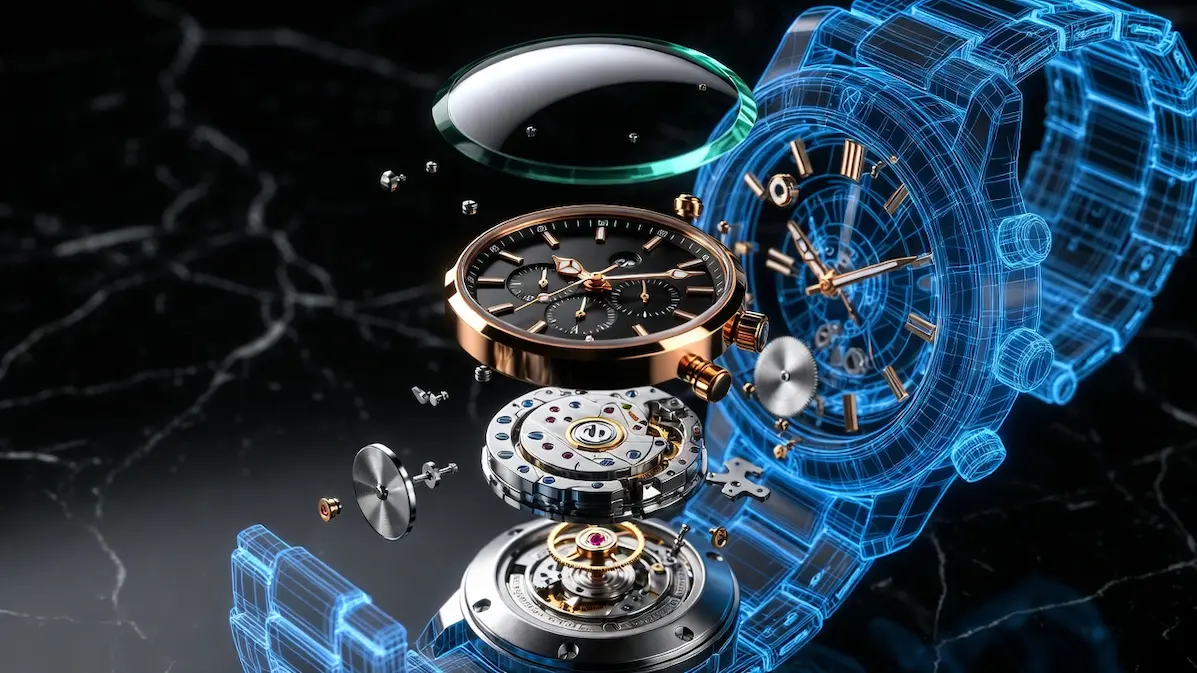
"Understanding the anatomy of a luxury watch reveals exactly why one timepiece costs $500 and another costs $50,000 — and why the expensive one is often the smarter investment."
Your friend just spent $12,000 on a Rolex Submariner. You're wearing a $200 Seiko that tells time just as accurately. Maybe more accurately, actually.
So why would anyone spend 60 times more for the same basic function?
That question haunted me until I held both watches side by side under magnification. The Rolex's finishing was flawless — beveled edges on every component, polished surfaces reflecting light like mirrors, a movement assembled by hand over weeks. The Seiko was clean and functional, but under magnification, the differences were undeniable.
A client once bought a $3,000 "luxury" watch from an unauthorized dealer. Under a loupe, the movement showed machine marks, rough edges, and generic components. He'd paid luxury prices for mid-range quality. Understanding watch anatomy would have saved him $2,000.
This guide breaks down the 8 critical components that define a truly luxury timepiece. You'll learn what justifies premium pricing, where manufacturers cut corners on cheaper alternatives, and how to evaluate whether a watch is worth its asking price.
Here's everything you need to know.
Table of Contents
- Editor's Picks: Essential Tools for Watch Collectors
- The Movement: A Luxury Watch's Beating Heart
- The Case: Where Engineering Meets Aesthetics
- The Crystal: Your Window into the Watch
- The Dial: Where Art Meets Function
- The Bracelet: More Complex Than Most People Realize
- 6 Quick Tips to Evaluate Luxury Watch Quality (Most Buyers Skip These)
- Mistakes That Cost New Collectors Thousands
- Frequently Asked Questions
- Why are luxury watches so expensive?
- Do luxury watches keep better time than cheap ones?
- Are luxury watches a good investment?
- What's the most important component in a luxury watch?
- How can I tell if a luxury watch is authentic?
- How often do luxury watches need servicing?
- Does the bracelet matter as much as the movement?
- Conclusion
This post contains affiliate links. We may earn a small commission at no extra cost to you.
Editor's Picks: Essential Tools for Watch Collectors
Before we dive in, here are the top-rated tools most luxury watch owners trust:
- LED Jeweler's Loupe (10x) — Examine movement finishing and dial details
- Wolf Heritage Watch Box — Protect your investment with proper storage
- Selvyt Polishing Cloth — Safe for all luxury watch finishes
(More recommendations throughout the article)
The Movement: A Luxury Watch's Beating Heart
The movement — also called the caliber — is what separates a luxury watch from everything else.
Mechanical vs. Quartz Movements
Quartz movements use battery-powered oscillation. They're accurate, affordable, and require almost no skill to produce. A $10 quartz movement keeps better time than a $50,000 mechanical one.
Mechanical movements use hundreds of hand-assembled components — springs, gears, jewels, escapements — working in precise harmony. This is where luxury lives.
The difference isn't about telling time. It's about engineering artistry. A Rolex caliber 3235 contains 31 jewels and 290 components, each finished by hand. A basic quartz movement contains a battery, a circuit board, and a stepping motor.
In-House vs. Third-Party Movements
In-house movements are designed and manufactured by the watch brand itself. Rolex, Patek Philippe, and Audemars Piguet produce their own calibers. This requires enormous investment in research, tooling, and skilled labor.
Third-party movements come from suppliers like ETA or Sellita. Many mid-range and even some luxury brands use modified third-party movements. There's nothing wrong with this — ETA makes excellent movements — but it doesn't command the same premium as in-house production.
Here's the thing: a brand charging $10,000+ for a watch with a $200 ETA movement is selling you the case, brand, and marketing — not watchmaking excellence. Know what you're paying for.
Movement Finishing
This is where luxury really declares itself.
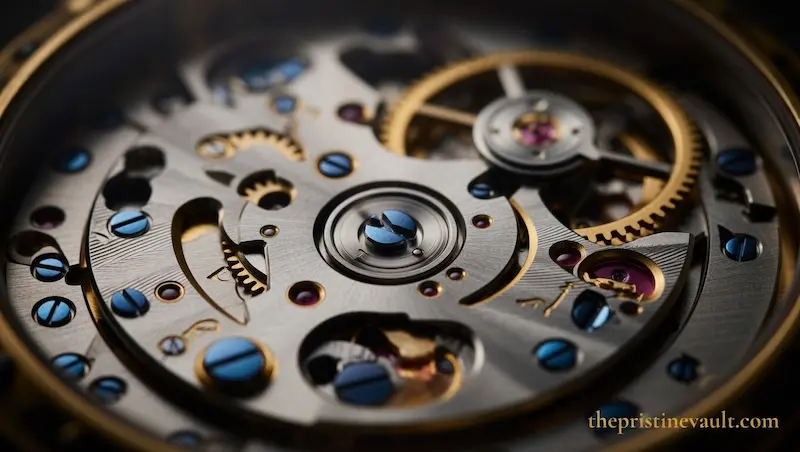
Geneva stripes (Côtes de Genève): Decorative parallel lines on movement plates. Purely aesthetic but indicate attention to detail on components most people never see.
Perlage (circular graining): Tiny overlapping circles on base plates. Requires skilled hand application.
Beveled edges (anglage): Every edge on every component is angled and polished by hand. On a high-end movement, this single finishing step can take days.
Blued screws: Movement screws heated to exactly 290°C, creating a deep blue color. Temperature must be precise — slightly too hot or cold produces wrong color.
Cheap watches skip all of this because nobody sees it. Luxury watches invest hundreds of hours in it precisely because most people never see it. That philosophy defines luxury.
For protecting investments of this caliber, proper storage is essential. Our luxury watch storage box review covers options that match your timepiece's value.
The next section covers the mistake most people make at this stage.
For a complete step-by-step maintenance system, grab our premium checklist collection
The Case: Where Engineering Meets Aesthetics
The case does more than hold components together. It's an engineering challenge — protecting fragile mechanics while looking beautiful.
Case Materials
Stainless steel (316L): Standard for most luxury sports watches. Rolex uses proprietary 904L steel — more corrosion-resistant and harder to machine than standard 316L. The upgrade is subtle but real.
Gold (18K): Used in dress watches and premium sports models. Rolex's Everose gold includes copper and platinum for fade resistance. Patek's rose gold uses proprietary alloys that maintain color for decades.
Titanium: Lighter than steel, hypoallergenic, extremely durable. Common in high-end sports watches. More expensive to machine than steel, which adds to pricing.
Ceramic: Virtually scratch-proof. Used for bezels and sometimes entire cases. Incredibly difficult to manufacture in complex shapes, which is why ceramic components add significant cost.
Case Construction
Water resistance depends on case construction quality. A Rolex Oyster case uses a monobloc middle case, screw-down caseback, and screw-down crown — each element individually pressure-tested.
Cheap watches achieve water resistance ratings through gaskets alone. Luxury watches combine gaskets with precision-machined surfaces that seal mechanically before gaskets even engage.
Case finishing reveals quality immediately under magnification. Alternating brushed and polished surfaces require precise masking and multiple finishing steps. The transitions between finishes should be razor-sharp. Blurred transitions indicate lower-quality manufacturing.
Case Thickness and Proportions
Great case design balances protection with wearability. A 13mm-thick dive watch feels purposeful. A 13mm-thick dress watch feels clumsy.
Luxury brands invest years designing cases that house complex movements in thin profiles. Piaget and Bulgari compete for the thinnest automatic watch record — not because thin is inherently better, but because achieving thinness while maintaining reliability demonstrates engineering mastery.
But the case alone doesn't define luxury — here's what sits on top of it.
The Crystal: Your Window into the Watch
The crystal protects the dial and hands while allowing visibility. Material choice significantly impacts both durability and viewing experience.
Crystal Materials
Sapphire crystal: Synthetic sapphire — second hardest material after diamond (9 on Mohs scale). Virtually scratch-proof under normal wear. Standard on luxury watches. Cost: $50-200+ per crystal depending on complexity.
Mineral crystal: Tempered glass. More scratch-prone than sapphire but more shatter-resistant. Common on mid-range watches. Cost: $5-15 per crystal.
Acrylic/Hesalite: Plastic. Scratches easily but can be polished out. Still used on specific models (Omega Speedmaster Moonwatch) for historical authenticity. Extremely shatter-resistant.
Anti-Reflective Coating
Quality AR coating eliminates reflections that obscure dial visibility. Rolex applies AR coating only to the interior surface of the crystal (less prone to scratching). Other brands coat both surfaces.
Poor-quality AR coating shows purple or blue tinting. Quality AR coating is virtually invisible — you notice the clarity, not the coating.
A collector examined two seemingly identical watches under different lighting. The luxury piece with quality AR coating showed crystal-clear dial visibility at all angles. The cheaper alternative showed blue reflections that partially obscured the dial in certain light.
👉 Get LED Jeweler's Loupe to Examine Crystal Quality on Amazon
Up next: the component that creates first impressions.
The Dial: Where Art Meets Function
The dial is what you actually look at. Luxury dial production involves techniques closer to fine art than manufacturing.
Dial Manufacturing Techniques
Lacquered dials: Multiple layers of lacquer applied and polished to mirror finish. Grand Seiko's dial production involves over 100 steps for a single dial.
Enamel dials: Powdered glass fused onto metal at 800°C+. Extremely difficult — failure rate can exceed 50%. A single enamel dial can take days to produce. Brands like Patek Philippe charge significant premiums for enamel work.
Guilloché dials: Intricate machine-engraved patterns on the dial surface. Traditional rose engines (the engraving machines) are hand-operated and some are over 100 years old. The patterns create distinctive light play.
Meteorite dials: Literally sliced from meteorites. The Widmanstätten pattern is natural and unique to each dial. Rolex offers meteorite dials on select Daytona references.
Applied vs. Printed Indices
Applied indices are individual metal markers (often gold or platinum) attached to the dial surface. They catch light and create depth. Each marker is individually placed and aligned.
Printed indices are screen-printed onto the dial. Flat, no depth, no light interaction. Standard on budget watches.
The difference is immediately visible in person and explains part of the price gap between luxury and fashion watches.
Luminous Material
SuperLuminova: Standard on most luxury watches. Applied by hand to indices and hands. Quality of application matters — uneven lume indicates lower manufacturing standards.
Chromalight (Rolex): Proprietary compound that glows blue and lasts longer than standard SuperLuminova.
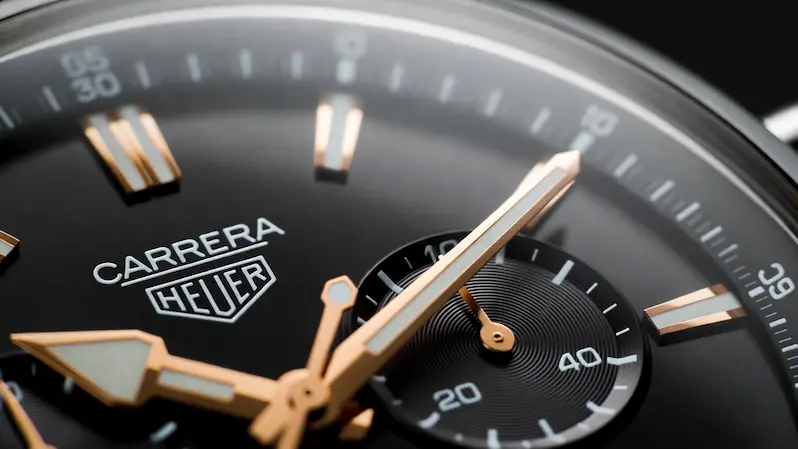
Consistent lume application under magnification is one of the easiest ways to assess manufacturing quality without technical expertise.
For keeping your timepiece collection properly maintained while you study each piece, our guide on how to store watches without a watch box offers practical alternative solutions.
The next section covers the mistake most people make at this stage.
The Bracelet: More Complex Than Most People Realize
A luxury bracelet can contain more individual components than the movement itself.
Bracelet Construction
The Rolex Oyster bracelet contains approximately 150 individual components. Each link is precision-machined from solid metal — not stamped from sheet metal like cheaper alternatives.
Solid links vs. hollow links: Solid links feel substantial and durable. Hollow links feel lightweight and cheap. The weight difference is immediately noticeable.
Clasp engineering: Luxury clasps fold, lock, and adjust with mechanical precision. The Rolex Oysterlock clasp uses multiple failsafes to prevent accidental opening. Omega's adjustable clasps allow fine-tuning fit without tools.
Bracelet Finishing
Like cases, bracelets feature alternating brushed and polished surfaces. Each link must match its neighbors perfectly. Misaligned finishes indicate lower manufacturing standards.
Link articulation affects comfort significantly. Quality bracelets drape around the wrist naturally. Cheap bracelets feel stiff and angular.
Strap Alternatives
Luxury watch straps use premium materials:
- Alligator: Genuine alligator leather from certified farms. Individual scale patterns make each strap unique.
- Rubber: High-end rubber straps (like those from Rubber B) are molded specifically for individual watch models.
- NATO/fabric: Even fabric straps vary widely in quality. Silk or premium nylon versus basic polyester.
For automatic watches requiring winding between wears, dedicated winders maintain movement health. Our guides on Rolex Datejust winders and Omega Speedmaster winders cover brand-specific requirements.
But understanding components is only half the equation — here's how to evaluate quality yourself.
6 Quick Tips to Evaluate Luxury Watch Quality (Most Buyers Skip These)
Examine movement finishing through the caseback. Even basic finishing like Geneva stripes should be clean and consistent. Rough or uneven finishing signals lower quality.
Check transitions between brushed and polished surfaces. Razor-sharp transitions indicate precision manufacturing. Blurred transitions suggest cost-cutting.
Test the crown feel. Quality crowns wind smoothly with consistent resistance. Grinding, catching, or loose crowns indicate movement issues or poor assembly.
Assess bracelet drape. Place the watch on a curved surface. Quality bracelets follow the curve naturally. Stiff bracelets stick out at awkward angles.
Look for consistent lume application under magnification. Uneven application — thick spots, thin areas, lume outside markers — reveals manufacturing quality standards.
- Compare weight to specifications. Significantly lighter than spec weight may indicate hollow links or cheaper materials than advertised.
⚠️ Pro Tip: Always examine watches under strong direct light AND low ambient light. Strong light reveals finishing quality. Low light reveals lume quality and crystal AR coating effectiveness. Two lighting conditions tell you more than any specification sheet.
Mistakes That Cost New Collectors Thousands
These common errors lead to overpaying or buying inferior quality:
Buying based on brand name alone. Some "luxury" brands charge premium prices for watches with basic third-party movements and minimal finishing. Research what's inside the case before paying for the name on the dial.
Ignoring movement specs on fashion watches. Fashion brands (designer labels primarily known for clothing or accessories) often charge $500-2,000 for watches with $20-50 movements. The watch looks expensive but isn't mechanically luxury.
Skipping magnified inspection before purchase. Dial printing quality, movement finishing, and case construction are only truly visible under magnification. What looks perfect to naked eyes often reveals shortcuts under a loupe.
Overlooking service costs. A $5,000 luxury watch may require $500-1,000 servicing every 5-7 years. A $15,000 complicated watch may need $2,000-5,000 servicing. Factor ongoing costs into purchase decisions.
Buying from unauthorized dealers to save money. Unauthorized purchases void manufacturer warranties and sometimes involve franken-watches (watches assembled from parts of different watches). The 15-20% savings risks thousands in authentication and repair costs later.
Ready to protect your investment? Our "Luxury Watch Maintenance Mastery" checklist gives you everything in one place
Frequently Asked Questions
Why are luxury watches so expensive?
Three primary factors: movement complexity and hand-finishing (hundreds of hours per watch), premium materials (sapphire, precious metals, exotic leathers), and brand heritage and R&D investment. A Patek Philippe minute repeater can take one watchmaker over a year to assemble and adjust. That labor alone justifies substantial pricing.
Do luxury watches keep better time than cheap ones?
Paradoxically, no. A $30 quartz Casio is more accurate than a $30,000 Rolex. Luxury watches are valued for their mechanical complexity, craftsmanship, and finishing — not timekeeping accuracy. That said, COSC-certified chronometers like Rolex maintain impressive accuracy for mechanical movements.
Are luxury watches a good investment?
Some are. Rolex, Patek Philippe, and Audemars Piguet have consistently appreciated over decades. Most luxury watches depreciate after purchase. Buy watches you want to wear and enjoy. Investment appreciation is a potential bonus, not a guarantee.
What's the most important component in a luxury watch?
The movement. It represents the highest concentration of craftsmanship, engineering, and labor. A superior movement in a modest case is worth more — both financially and horologically — than a basic movement in an elaborate case.
How can I tell if a luxury watch is authentic?
Examine movement finishing, dial printing consistency, case construction quality, and serial number verification. However, counterfeits are increasingly sophisticated. Professional authentication through the manufacturer or reputable authentication services is the only reliable method for high-value pieces.
How often do luxury watches need servicing?
Most manufacturers recommend complete service every 5-10 years. Rolex recommends every 10 years for newer models. Service involves complete movement disassembly, cleaning, lubrication, regulation, and pressure testing. For proper storage between services, see our complete watch storage guide.
Does the bracelet matter as much as the movement?
More than most people realize. A luxury bracelet represents significant engineering and finishing investment. Poor bracelet quality diminishes wearing experience regardless of movement quality. The bracelet is what you feel every moment you wear the watch.
Conclusion
Understanding the anatomy of a luxury watch transforms buying decisions from emotional impulse to informed investment.
Movement finishing reveals true craftsmanship. Case construction and crystal quality determine long-term durability. Dial artistry and bracelet engineering create the daily wearing experience that justifies premium pricing.
The watches worth investing in excel across all eight components — not just the visible ones. What happens inside the case, on the underside of the dial, and between bracelet links matters as much as what you see at first glance.
Before your next purchase, examine each component critically. Use magnification. Ask about movement origins. Check finishing transitions. The details tell the truth that marketing obscures.
Now it's your turn — examine your current collection under magnification this week and discover the craftsmanship details you've been missing. Your luxury timepieces will reveal stories you've never seen.