Bottega Veneta vs The Row: Which Quiet Luxury Brand Is Worth Your Money?
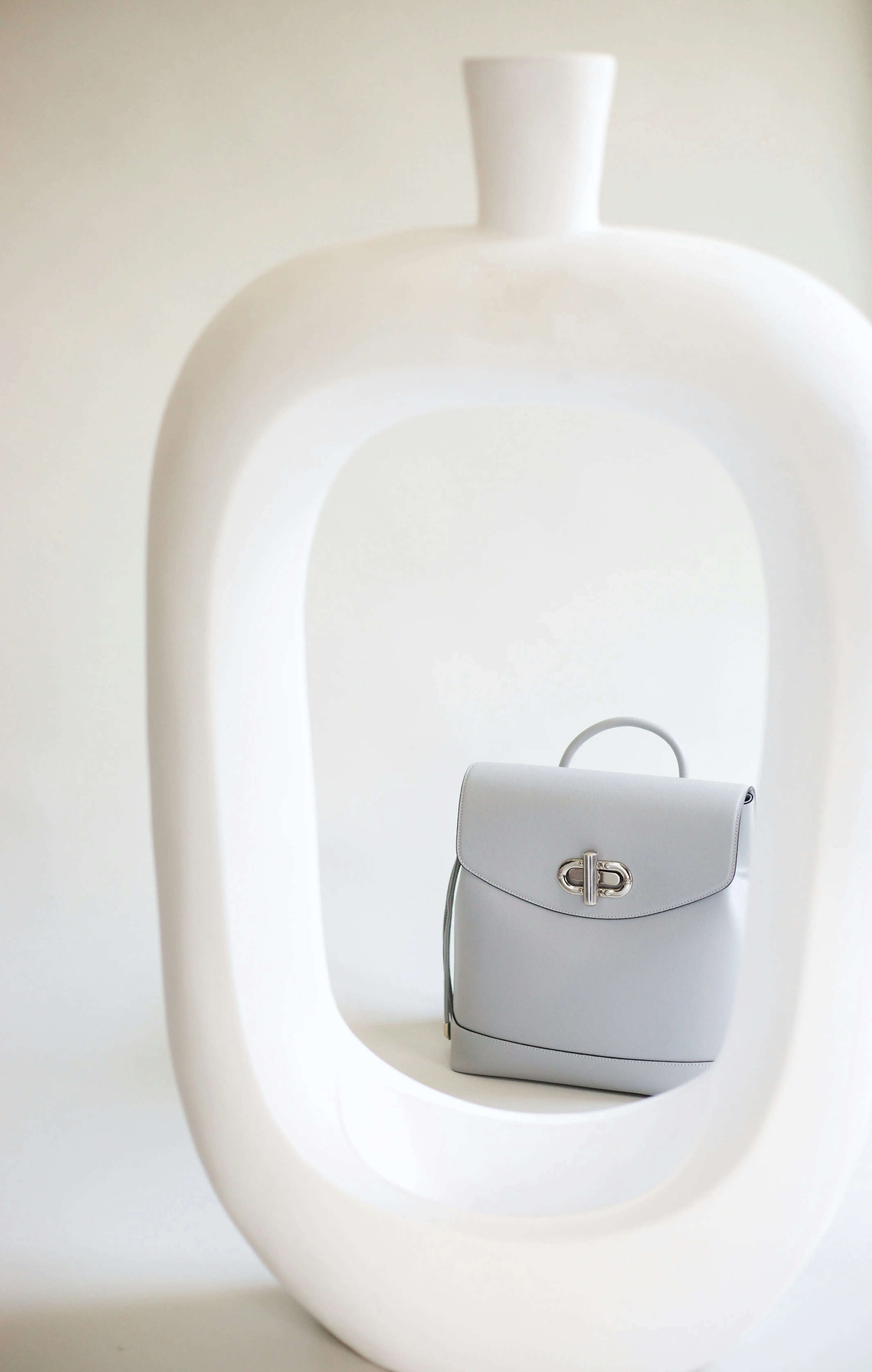
Choosing between Bottega Veneta vs The Row comes down to one question: Do you want recognizable craftsmanship or invisible elegance?
You've decided to invest in quiet luxury. Smart move.
But now you're stuck between two titans of understated elegance. Bottega Veneta with its iconic intrecciato weave. The Row with its minimalist perfection.
Both brands reject flashy logos. Both attract wealthy, discerning customers who know quality when they see it. Both cost serious money.
So which one deserves your hard-earned cash?
This guide breaks down everything you need to know to make the right choice for your wardrobe and wallet.
By the end, you'll know exactly which brand matches your personal style, lifestyle needs, and investment goals.
Table of Contents
Brand DNA — What Each House Stands For
Understanding a brand's philosophy helps predict whether you'll love their products long-term. Let me break down what makes each house tick.
Bottega Veneta's Italian Heritage
Bottega Veneta was born in Vicenza, Italy in 1966. The brand built its reputation on one thing: exceptional leather craftsmanship.
Their famous tagline said it all: "When your own initials are enough."
The intrecciato weave became their signature. This intricate leather weaving technique requires skilled artisans working for days on a single bag. No logos needed. Anyone who knows, knows.
Under creative director Matthieu Blazy (since 2021), the brand balances heritage techniques with modern silhouettes. They've maintained their core identity while attracting younger luxury buyers who appreciate craftsmanship over logos.
The brand operates ateliers in Italy where artisans train for years before touching customer products. This commitment to training ensures consistent quality across every piece.
Bottega represents old-world Italian artisanship meeting contemporary design. It's luxury you can see and feel in every woven strand.
The Row's American Minimalism
Mary-Kate and Ashley Olsen launched The Row in 2006. Yes, those Olsen twins.
Don't let that fool you. The brand is deadly serious about quality.
The name comes from Savile Row, London's legendary tailoring street. That reference tells you everything about their ambitions.
The Row focuses on perfect basics. Impeccable tailoring. Luxurious fabrics. Zero embellishment. They believe clothing should enhance the wearer without demanding attention.
Their philosophy? Clothes should be invisible. People notice YOU, not your outfit. This approach attracts celebrities, executives, and style-conscious professionals who want quality without ostentation.
The Olsens famously obsess over details. They've rejected entire fabric shipments over slight color variations. This perfectionism shows in the final products.
The Row represents California ease filtered through New York sophistication. It's quiet luxury taken to its logical extreme — luxury so quiet it almost whispers.
For more brands that embrace this subtle aesthetic, check out our complete guide to quiet luxury bag brands.
Craftsmanship and Quality Compared
Both brands charge premium prices. But what exactly are you paying for? Let me examine the actual quality differences.
Bottega Veneta's Leather Mastery
Bottega's leather quality is exceptional. They source hides from select Italian tanneries with decades of expertise.
The brand uses primarily lambskin and calfskin. Their lambskin is butter-soft yet surprisingly durable. The calfskin offers more structure while maintaining that luxurious hand-feel.
The intrecciato weave isn't just decorative. It makes bags more durable and flexible than single-piece leather construction. The weaving distributes stress across multiple strips rather than concentrating it at seams.
Each woven bag takes skilled artisans several days to complete. The weaving is done entirely by hand. No machines can replicate the precision and tension control required.
Beyond bags, their leather goods — wallets, shoes, accessories — maintain the same standards. A Bottega wallet undergoes the same scrutiny as a $5,000 bag.
One thing to note: Bottega's leather requires careful maintenance. The weave can trap dirt and moisture if neglected. Understanding proper leather care techniques will protect your investment for decades.
💡 Pro Tip: Bottega leather needs regular conditioning to prevent drying and cracking. A professional-grade leather care kit keeps luxury leather supple and protected for years.
The Row's Fabric Obsession
The Row sources fabrics globally. Japanese cottons. Italian wools. Mongolian cashmere. They hunt obsessively for the world's finest materials.
They're known for finding mills that produce exclusive materials unavailable elsewhere. Some fabrics are made specifically for The Row and cannot be purchased by other brands.
Their cashmere deserves special mention. The Row uses some of the longest-fiber cashmere available, resulting in sweaters that resist pilling and maintain shape for years.
Their leather goods are excellent but represent a smaller portion of the brand. The Row built its reputation on ready-to-wear clothing first, adding bags and accessories later.
Bag construction focuses on clean lines and hidden stitching. No visible hardware unless absolutely necessary. Zippers hide inside folds. Clasps disappear into leather. The engineering required to achieve this simplicity is surprisingly complex.
Quality is comparable to Bottega, but the approach differs fundamentally. Bottega celebrates leather craft visibly — you see the artisanship. The Row hides the effort completely — you only experience the result.
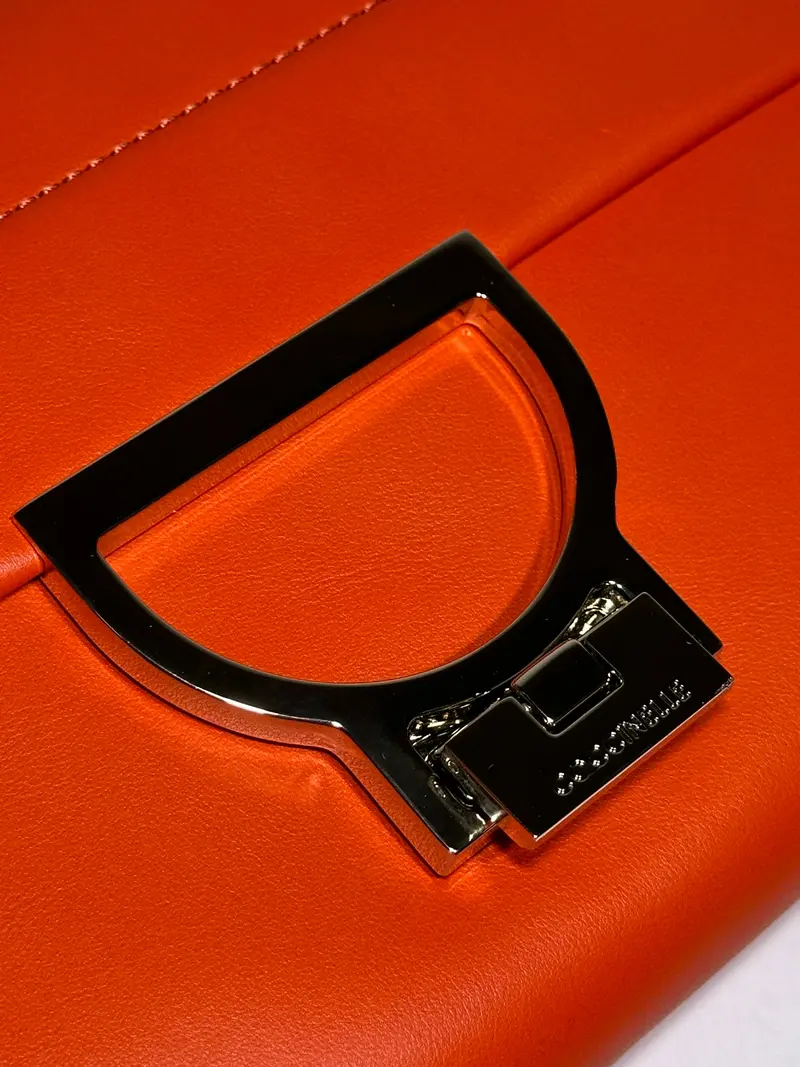
Material Quality Summary
Both brands deliver exceptional quality. The difference is philosophical:
Bottega says: "Look at this beautiful weaving."
The Row says: "Don't look at the bag. Look at the woman carrying it."
Neither approach is superior. But knowing this helps you choose which philosophy resonates with your personal style.
Price Comparison — What You'll Actually Pay
Let's talk real numbers. Both brands are expensive, but the pricing structures differ.
Bottega Veneta Pricing
Bags:
- Small leather goods: $500-$900
- Medium bags (Cassette, Jodie): $2,800-$4,500
- Large bags (Arco, Cabat): $5,000-$8,000
- Exotic leathers: $8,000-$25,000+
Ready-to-wear:
- T-shirts: $450-$800
- Knitwear: $1,200-$3,500
- Outerwear: $3,500-$8,000
- Dresses: $2,500-$5,000
- Shoes: $900-$1,800
Accessories:
- Sunglasses: $350-$500
- Belts: $550-$900
- Jewelry: $400-$2,500
The Row Pricing
Bags:
- Small leather goods: $600-$1,200
- Medium bags (Margaux, Park): $3,500-$5,500
- Large bags: $5,000-$8,000
- Limited editions: $7,000-$12,000
Ready-to-wear:
- T-shirts: $200-$400
- Knitwear: $1,500-$4,000
- Outerwear: $4,000-$10,000+
- Dresses: $2,000-$6,000
- Pants: $900-$1,800
- Shoes: $800-$1,500
Accessories:
- Sunglasses: $400-$600
- Belts: $500-$900
- Scarves: $400-$800
Price Verdict
The Row's bags cost slightly more on average. Their ready-to-wear runs higher, especially outerwear and basics like t-shirts.
However, Bottega offers more entry points. Small leather goods and accessible bag styles like the Mini Jodie let you experience the brand without spending $4,000.
The Row's cheapest items are simple t-shirts around $200. Still expensive, but lower than Bottega's $450+ basics.
Neither brand offers discounts at their boutiques. You'll find occasional sales at department stores like Neiman Marcus or Bergdorf Goodman, but markdowns are rare and sell out quickly.
Quick Comparison Table
| Factor | Bottega Veneta | The Row |
|---|---|---|
| Founded | 1966, Italy | 2006, USA |
| Headquarters | Milan | New York/LA |
| Signature | Intrecciato weave | Minimalist perfection |
| Bag price range | $2,800-$15,000 | $3,500-$8,000 |
| Logo visibility | None | None |
| Resale value | Strong (70-85%) | Growing (60-75%) |
| Best for | Leather lovers | Minimalists |
| Entry price | Lower | Higher |
| Wait lists | Some styles | Margaux bag |
| Celebrity fans | A$AP Rocky, Rosie HW | Angelina Jolie, Meghan Markle |
| Production | Italy | Italy & USA |
Investment Value and Resale
Spending $3,000+ on a bag should include investment consideration. How do these brands perform on the resale market?
Bottega Veneta Resale Market
Bottega bags hold value well. Classic styles like the Cabat tote and Pouch maintain 70-85% of retail on resale markets like The RealReal and Vestiaire Collective.
Limited editions and discontinued colors can exceed original retail. The brand's seasonal color releases create artificial scarcity that drives collector interest.
The intrecciato weave is instantly recognizable. Buyers trust they're getting authentic Bottega even without obvious branding. This recognition supports strong resale demand.
However, trendy styles depreciate faster. The Pouch was everywhere in 2019-2020. Every influencer carried one. Resale values have softened since as the style became oversaturated.
Classic shapes with staying power — Cassette, Jodie, Cabat — maintain value better than trend-driven pieces.
💡 Storage Tip: Proper storage maintains resale value. Lost your original dust bags? Premium replacement dust bags protect your investment during storage.
The Row Resale Market
The Row's resale market is smaller but growing steadily each year.
The Margaux bag has developed cult status. Well-maintained examples sell quickly, often at 60-75% of retail. Wait lists for new Margaux bags push some buyers to resale markets.
Ready-to-wear pieces hold value better than most contemporary brands. Their basics don't date quickly, which helps resale appeal. A Row cashmere sweater from 2019 looks identical to one from 2024.
The challenge: fewer buyers know The Row compared to Bottega. This limits demand and affects prices. As brand awareness grows, resale values should strengthen.
Investment Verdict
For pure investment value, Bottega is the safer choice. Longer track record. More recognizable. Larger resale market. Proven appreciation on classic styles.
The Row is riskier but potentially rewarding as the brand gains broader recognition. Early adopters of The Row bags may see appreciation as demand increases.
Both beat fast fashion and most contemporary designers for value retention.
Who Should Buy Which Brand
Different lifestyles suit different brands. Here's my honest assessment of who fits where.
Choose Bottega Veneta If You:
- Love visible craftsmanship and texture
- Want recognizable (but subtle) luxury
- Prioritize bags over clothing
- Value Italian heritage and tradition
- Want stronger resale value
- Prefer more entry-level price options
- Appreciate artistic creative direction
- Want pieces that photograph well
- Enjoy tactile shopping experiences
- Like variety in textures and finishes
Choose The Row If You:
- Prefer absolute minimalism
- Build wardrobes around perfect basics
- Value ready-to-wear over accessories
- Like American/Californian aesthetic
- Don't care about brand recognition
- Want the most invisible luxury possible
- Work in conservative professional environments
- Prefer timeless over trendy
- Value perfect fit above all else
- Own everything in neutral colors anyway
What If You Can't Decide?
Start with one piece from each brand. A Bottega small leather good (wallet, card case) and a Row basic (t-shirt, simple sweater).
Live with both for a month. Notice which you reach for more. Which makes you feel more like yourself?
That's your answer.
Practical Tips for First-Time Buyers
Spending thousands on luxury items requires strategy. Here's how to buy smart.
1. Start with a classic, not a trend.
Bottega: Cassette bag or Jodie. The Row: Margaux or Park tote. These styles have proven staying power and will look current for years.
2. Buy in neutral colors first.
Black, tan, cream, navy. These hold value best and match everything in your existing wardrobe. Save statement colors for your second or third purchase.
3. Purchase from brand boutiques when possible.
Full warranty coverage. Guaranteed authenticity. Better resale provenance. The experience itself justifies the effort.
4. Inspect before buying.
Check stitching alignment, leather quality, hardware function. Both brands have high standards, but quality control varies piece to piece. Don't accept anything that isn't perfect.
5. Keep all packaging.
Dust bags, boxes, receipts, tags. Essential for resale value. Store receipts digitally as backup.
💡 Storage Essential: Premium dust bags protect leather from scratches and dust during storage.
6. Invest in proper storage.
Both brands' bags need breathable, structured storage. Never store in plastic — leather needs air circulation to prevent drying and mold.
💡 For The Row ready-to-wear: Breathable garment bags protect investment cashmere and wool basics from moths, dust, and fabric damage.
7. Add natural protection.
Cedar Block naturally repels moths and absorbs excess moisture without harsh chemicals. Essential for protecting The Row's cashmere knitwear and Bottega's leather pieces.
8. Learn proper care immediately.
Both brands use delicate materials. Research care requirements before your first wear. Prevention beats restoration every time.
9. Protect your shoes.
Spending $900-1,800 on Bottega or The Row shoes deserves proper care. Premium cedar shoe trees maintain shape and absorb moisture between wears.
10. Consider resale from the start.
Document condition when new. Keep packaging pristine. This mindset protects your investment even if you never sell.
Common Mistakes to Avoid
Don't make these expensive errors:
Mistake 1: Buying based on Instagram hype.
Social media amplifies trendy styles. Those styles often depreciate fastest. Buy what fits YOUR life, not an influencer's feed.
Mistake 2: Ignoring fit for brand prestige.
A Row blazer that doesn't fit perfectly wastes money. The Row's magic is in the tailoring. If it doesn't fit right, you're just paying for a label — which defeats the whole point.
Mistake 3: Neglecting care.
A $3,000 Bottega bag stored improperly becomes a $1,500 bag on resale. Preventive care costs almost nothing. Restoration costs hundreds.
Mistake 4: Buying seasonal colors first.
That lavender Jodie is beautiful. It also matches nothing and will be harder to resell. Buy neutrals first. Add colors later.
Mistake 5: Overlooking the secondary market.
Authenticated resale can save 20-40% on like-new pieces. Sites like The RealReal, Vestiaire Collective, and Rebag offer legitimate options.
Frequently Asked Questions
Is Bottega Veneta more luxurious than The Row?
Neither is objectively "more luxurious." Bottega emphasizes visible craftsmanship and tactile texture. The Row emphasizes invisible perfection and effortless simplicity. Both use exceptional materials and construction. It comes down to your personal definition of luxury.
Which brand holds value better?
Bottega Veneta currently holds resale value better due to longer brand history, wider recognition, and more established collector market. Classic Bottega styles retain 70-85% of retail. The Row's resale market is growing but less established, typically achieving 60-75% of retail.
Are Bottega bags worth the money?
For leather quality and handcrafted construction, yes. The intrecciato weave is genuinely labor-intensive, requiring days of skilled artisan work. You're paying for authentic craftsmanship, not just a brand name. Whether that value proposition works for your budget is personal.
Why is The Row so expensive?
The Row sources rare fabrics globally, produces in small quantities, and refuses to compromise on materials. Their perfectionism extends to rejecting entire fabric shipments over minor variations. Pricing reflects actual production costs plus strategic positioning in ultra-quiet luxury.
Which brand is better for everyday use?
Bottega bags are generally more durable for daily wear. The woven leather distributes stress well and handles friction without showing wear quickly. The Row's cleaner, smoother designs can show scratches and wear faster, especially in lighter colors.
Do either brand ever go on sale?
Rarely at boutiques. Department stores occasionally discount end-of-season items, typically 20-30% off. Neither brand participates in major sale events like Black Friday. Private sales and sample sales offer the best discounts but are invitation-only.
Can you tell Bottega and The Row bags apart easily?
Yes. Bottega bags feature visible texture — the intrecciato weave, padded construction, or distinctive silhouettes. The Row bags are deliberately plain with minimal hardware, hidden closures, and seamless construction. The philosophies are opposite and instantly recognizable.
Which brand do celebrities prefer?
Both have strong celebrity followings. Bottega attracts style-forward celebrities like A$AP Rocky, Rosie Huntington-Whiteley, and Hailey Bieber. The Row attracts minimalists like Angelina Jolie, Meghan Markle, and Jennifer Lawrence. Celebrity preference often aligns with personal style philosophy.
Conclusion
Bottega Veneta vs The Row isn't about which brand is "better." It's about which philosophy matches yours.
Want craftsmanship you can see and feel in every woven strand? Choose Bottega Veneta.
Want luxury that disappears into perfect, effortless simplicity? Choose The Row.
Both brands deliver genuine quality that justifies their prices. Both reject logo-driven fashion in favor of substance. Both represent smart investments for buyers who understand what they're purchasing.
The brands serve different purposes. Bottega celebrates the artisan's hand. The Row celebrates the wearer's presence. Neither approach is wrong.
My suggestion: Visit both boutiques if possible. Handle the products. Try things on. Feel the leather. Examine the construction. The right choice becomes obvious when you experience each brand's approach firsthand.
Your style already knows what it wants. Trust that instinct.
The best luxury purchase is one you reach for daily, care for properly, and never regret — regardless of which brand made it.
Editorial Notice
This article discusses high-value luxury purchases for informational purposes only. Prices, resale values, and brand availability may change. The Pristine Vault does not provide financial or purchasing advice. Always conduct your own research before making significant purchases.