Haute Horology as a Hedge: Top 5 Watches for Inflation-Proof Portfolios
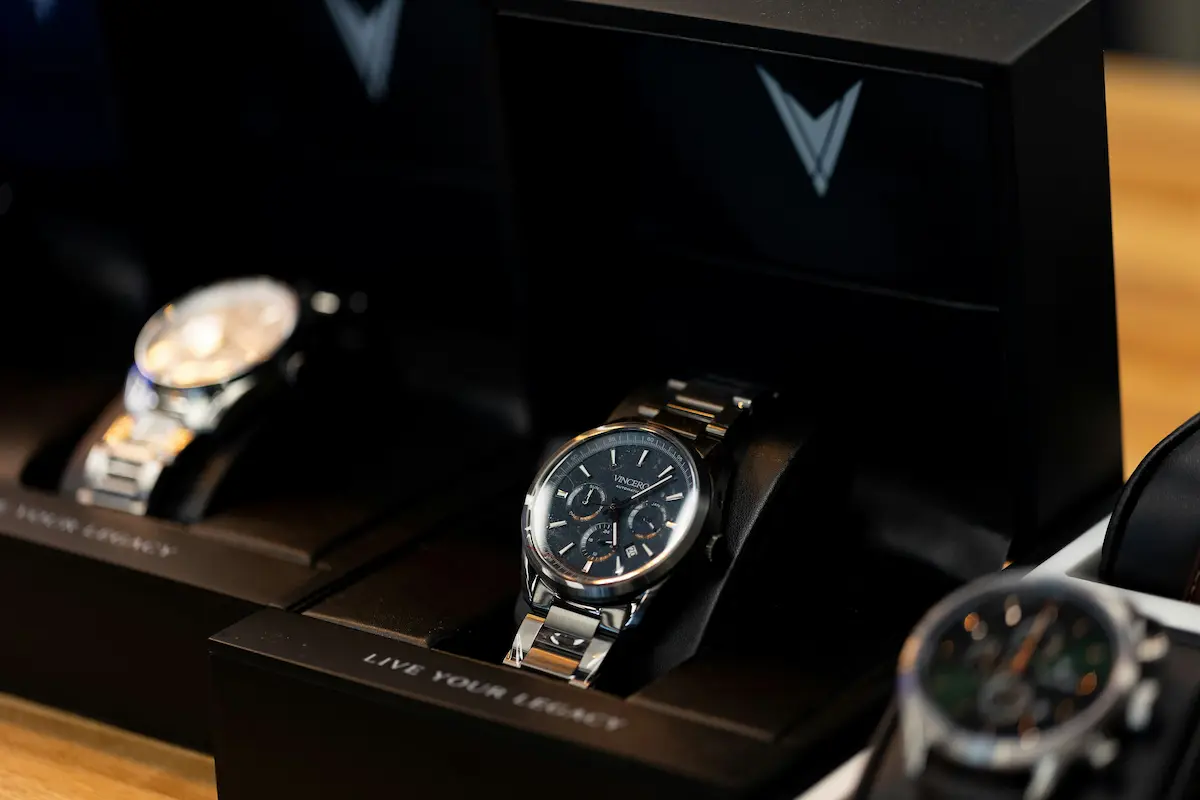
Haute horology has quietly become one of the smartest hedges against inflation. While stocks crash and currencies fluctuate, rare timepieces from Patek Philippe, Audemars Piguet, and Rolex continue climbing in value. For collectors who understand the market, haute horology as a hedge is no longer theory. It is a portable vault of wealth sitting on your wrist.
Gold has always been the traditional safe haven. Real estate comes second. But in recent years, a different asset class has entered the conversation. Fine watchmaking.
The numbers support this shift. Over the past decade, rare watches from elite Swiss manufacturers have consistently outpaced inflation. Some models doubled or tripled in value. A few shattered auction records entirely.
This isn't speculation. It's documented performance.
For the modern collector, a Patek Philippe Nautilus or an Audemars Piguet Royal Oak represents more than taste. It represents strategy. These watches hold value when other investments falter. They appreciate when markets panic.
This guide breaks down exactly which watches qualify as inflation hedges, what makes them valuable, and how to evaluate whether a timepiece belongs in your collection or your portfolio.
Table of Contents
Why Watches Work as Inflation Hedges
Inflation erodes cash. It chips away at savings accounts and fixed-income investments. But tangible assets with genuine scarcity tend to hold their ground.
Luxury watches fit this category perfectly.
The Scarcity Factor
A grand complication watch requires hundreds of hours of manual labor. A single Patek Philippe perpetual calendar takes nine months to assemble. One watchmaker handles the entire process from start to finish.
You cannot scale this production. There are only so many master watchmakers in Switzerland. Only so many hands capable of this precision.
When demand from wealthy collectors worldwide meets this fixed, limited supply, prices move in one direction. Up.
Pricing Power in Any Economy
In financial terms, these watches possess pricing power. They can increase in value regardless of what the broader economy does.
During the 2008 financial crisis, rare watch prices held steady while equities collapsed. During the 2020 pandemic, they actually rose as collectors sought tangible assets they could hold, store, and transport.
This resilience makes haute horology a legitimate hedge. Not a speculative bet.
The Holy Trinity: Three Pillars of Any Watch Portfolio
Serious collectors talk about the Holy Trinity. Three Swiss manufacturers that sit above everyone else. Patek Philippe. Audemars Piguet. Vacheron Constantin.
Each serves a different role in a balanced watch portfolio.
Patek Philippe: The Sovereign Bond
There is a famous saying in the watch world. You never actually own a Patek Philippe. You merely look after it for the next generation.
This isn't marketing. It's economic reality.
Patek maintains the strongest secondary market of any watch brand on earth. Models from fifty years ago sell for more today than when they left the factory. Adjusted for inflation, they still outperform.
The investment pieces to watch are the Nautilus 5711 and the Perpetual Calendar collection. The Nautilus 5711 was discontinued in 2021. Since then, secondary market prices have climbed past $150,000 for a watch that retailed under $35,000.
Patek's commitment to heritage means they never flood the market. They never chase trends. They protect value by limiting supply and maintaining impossibly high standards.
For a watch portfolio, Patek Philippe functions like a sovereign bond. Safe. Stable. Reliable appreciation over decades.
Audemars Piguet: The Growth Asset
In 1972, Gerald Genta designed the Royal Oak. It was a steel sports watch with an integrated bracelet and an octagonal bezel. It cost more than most gold dress watches of the era.
Critics thought it would fail. Instead, it redefined the industry.
Today, the Royal Oak "Jumbo" Extra-Thin commands premiums that rival Patek. Secondary market prices regularly exceed double retail. Waiting lists stretch for years.
What makes AP different is their aggressive control over distribution. They have moved toward a boutique-only model. Fewer authorized dealers. Tighter allocation. This strategy has sent secondary market premiums soaring.
For investors, Audemars Piguet represents the high-growth component of a watch portfolio. More volatile than Patek, but with higher upside potential.
Vacheron Constantin: The Undervalued Entry Point
Vacheron Constantin is the oldest continuously operating watch manufacturer in the world. Founded in 1755. Never interrupted.
Yet despite this heritage, Vacheron often trades at a discount compared to Patek or AP on the secondary market. This creates opportunity.
The Overseas collection offers sporty elegance with exceptional finishing. The Historiques line provides vintage-inspired designs with modern reliability. Both represent strong value propositions for collectors entering the Holy Trinity space.
For long-term appreciation, Vacheron offers significant upside. The brand is undervalued relative to its history, craftsmanship, and scarcity. Smart collectors are accumulating now before the market corrects.
The Rolex Factor: Liquidity in Your Portfolio
The Holy Trinity represents the pinnacle. But Rolex provides something equally important. Liquidity.
A Patek Philippe might take weeks to sell at the right price. A Rolex Daytona or Submariner sells in hours. Sometimes minutes.
Rolex is the most traded luxury watch brand globally. Dealers know the prices. Collectors know the references. The market is deep and active.
This makes Rolex the cash-equivalent component of a watch portfolio. You can convert it to money faster than almost any other physical asset.
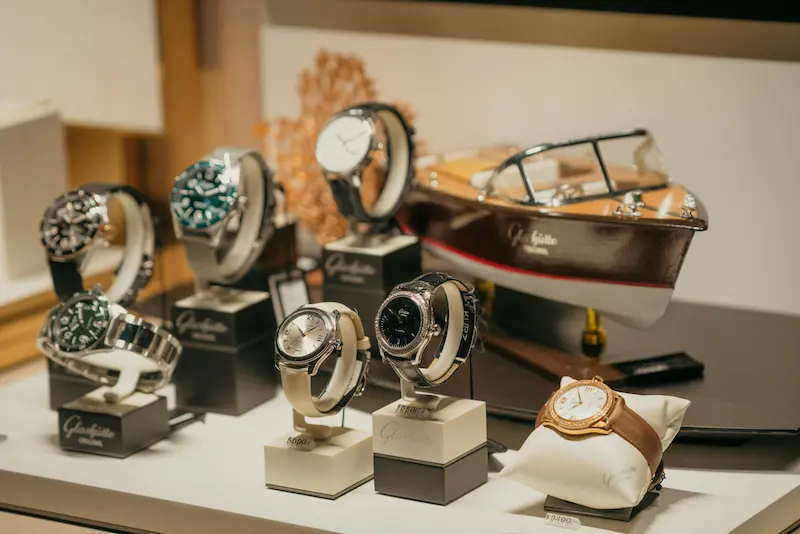
The Investment Models
Not every Rolex holds value equally. The sport models dominate the investment space.
The Daytona has appreciated consistently since Paul Newman made it famous. The Submariner remains the most recognizable dive watch ever made. The GMT-Master II appeals to travelers and collectors alike.
Steel versions typically outperform precious metal variants on the secondary market. This seems counterintuitive, but scarcity drives the premium. Rolex makes fewer steel sport watches than gold dress watches. Demand exceeds supply by a wide margin.
The Practical Advantage
Beyond liquidity, Rolex offers practical durability. You can wear a Submariner daily for decades. It handles water, shock, and temperature variations without complaint.
This wearability adds to resale value. Buyers know Rolex movements are robust. Service is straightforward. Parts remain available for generations.
For a portfolio that balances appreciation with usability, Rolex fills an essential role.
How to Evaluate an Investment-Grade Timepiece
Not every expensive watch qualifies as an investment. Plenty of luxury watches depreciate the moment you leave the boutique.
For a timepiece to serve as a legitimate hedge, it must meet specific criteria.
Provenance and Paperwork
An investment-grade watch requires complete documentation. Original box. Original papers. Service records from authorized dealers.
A watch without its box and papers can lose 20-30% of its value instantly. Collectors pay premiums for complete sets because documentation proves authenticity and ownership history.
Guard these items carefully. Store them separately from the watch in a climate-controlled environment. If you purchase pre-owned, verify all paperwork before completing the transaction. For guidance on proper storage methods, see our guide on archival preservation techniques for luxury collectibles.
Condition Standards
In haute horology, original condition commands the highest prices. This means unpolished cases with factory finishing intact.
Many owners make the mistake of having their watches polished during service. This removes metal from the case. It softens the original edges. It erases the factory finish.
Collectors call these watches "over-polished" and discount them accordingly.
The gold standard is a watch that has never been polished. Original bevels. Original brushing. Original factory edges. These examples command the strongest premiums at auction.
When purchasing, examine the case edges carefully. Sharp, defined lines indicate original finishing. Soft, rounded edges suggest previous polishing.
Movement Complications
Simple three-hand watches rarely qualify as investment pieces unless the brand and reference are exceptionally rare.
Complications add value. Perpetual calendars. Tourbillons. Minute repeaters. Split-second chronographs. These mechanical achievements require extraordinary skill to design and assemble.
Complications create what investors call a moat. They protect the watch from obsolescence because few manufacturers can replicate them. The barrier to entry keeps supply limited and values elevated.
When building a portfolio, prioritize complicated pieces from respected manufacturers. Simple time-only watches should come from the most exclusive references only.
Storage and Preservation
An investment-grade timepiece demands investment-grade care. Improper storage destroys value faster than market fluctuations ever could.
Climate Control
Watches suffer in extreme temperatures and humidity. Heat degrades lubricants. Cold thickens them. Humidity promotes corrosion inside the case.
Store watches in climate-controlled environments. Room temperature between 60-70°F. Humidity between 40-50%. Avoid attics, basements, and exterior walls.
Watch Winders vs. Manual Storage
Automatic watches need occasional movement to keep the lubricants distributed. Watch winders provide this automatically. However, cheap winders can magnetize movements or run them excessively.
For long-term storage, a quality winder set to minimum rotations works well. Alternatively, simply wear the watch once a month and let it run for 24 hours.
For watches you rarely wear, manual storage in a padded watch box is sufficient. Wind the movement quarterly to keep lubricants moving.
Security Considerations
Investment-grade watches require serious security. A home safe rated for jewelry storage represents the minimum standard. Bolted to the floor or wall. Fire-resistant. Combination or biometric lock.
For collections exceeding $100,000, consider bank safety deposit boxes or specialized storage facilities with insurance coverage.
Document your collection thoroughly. Photograph every watch from multiple angles. Record serial numbers. Store this documentation separately from the physical pieces.
The Long-Term Perspective
Investing in haute horology requires patience. These are not day-trading assets. They reward collectors who hold for years or decades.
Market Cycles
Watch prices fluctuate. The market overheated in 2021-2022 during the pandemic boom. Corrections followed in 2023. By 2025, prices stabilized at levels still significantly above pre-pandemic values.
Short-term thinking leads to buying high and selling low. Long-term collectors accumulate during corrections and hold through recoveries.
Generational Wealth
The strongest argument for watch investing is generational. A Patek Philippe purchased today will likely be worth more when you pass it to your children. And worth more still when they pass it to theirs.
This is wealth preservation in its truest form. Tangible. Portable. Enduring.
Unlike stocks that can go to zero or real estate that can be seized, a watch travels with you. It crosses borders. It survives regime changes. It requires no third-party custodian.
Frequently Asked Questions
Which watch brand holds value best?
Patek Philippe maintains the strongest secondary market values overall. Rolex offers the most liquidity. Audemars Piguet provides the highest growth potential among the elite manufacturers.
How much should I invest in watches?
Most financial advisors suggest limiting alternative investments like watches to 5-10% of your total portfolio. Start with one quality piece rather than several mediocre ones.
Do watches outperform stocks?
Over specific periods, yes. Certain references have dramatically outperformed equity markets over the past two decades. However, watches lack dividends and require storage costs. They complement a traditional portfolio rather than replace it.
Should I wear my investment watches?
Careful wearing is acceptable. Avoid situations with high risk of damage. Scratches and dents directly reduce value. If appreciation is your primary goal, limit wear to special occasions.
Where should I buy investment watches?
Authorized dealers offer retail prices but require waiting lists for desirable models. Reputable secondary market dealers like Hodinkee, Watchbox, and Chrono24 provide immediate availability at market prices. Avoid private sales without authentication.
Don't leave your hard-earned assets vulnerable to theft or unforeseen loss. Discover our comprehensive guide on luxury asset insurance and documentation to ensure your collection is fully protected by law and policy
How do I authenticate a pre-owned watch?
Use professional authentication services before purchasing. Examine serial numbers against manufacturer records. Verify paperwork matches the watch. When in doubt, walk away.
Final Thoughts
A well-curated watch collection represents more than taste. It represents strategy.
In a world of digital assets and paper currencies, a mechanical timepiece offers something rare. True scarcity. Tangible value. Portable wealth.
The manufacturers discussed here have proven their resilience across decades. Through recessions. Through inflation. Through market panics. Their timepieces emerge stronger each time.
Building such a collection requires patience, knowledge, and proper care. But the rewards extend beyond financial returns. You own objects of genuine beauty and engineering excellence.
That combination of art and investment is what makes haute horology unique among asset classes.
Your watch was built to last generations. Treat it accordingly, and it will preserve wealth across those same generations.
Investment Disclaimer
The information in this article is provided for educational and informational purposes only and does not constitute financial, investment, or legal advice. Luxury collectibles — including watches, handbags, and alternative assets — carry inherent market risks, and past performance is not indicative of future results. Always consult a qualified financial advisor before making any investment decisions. The Pristine Vault assumes no liability for actions taken based on this content.