How to Fix Peeling Leather on Purse: 7 Proven Methods That Work
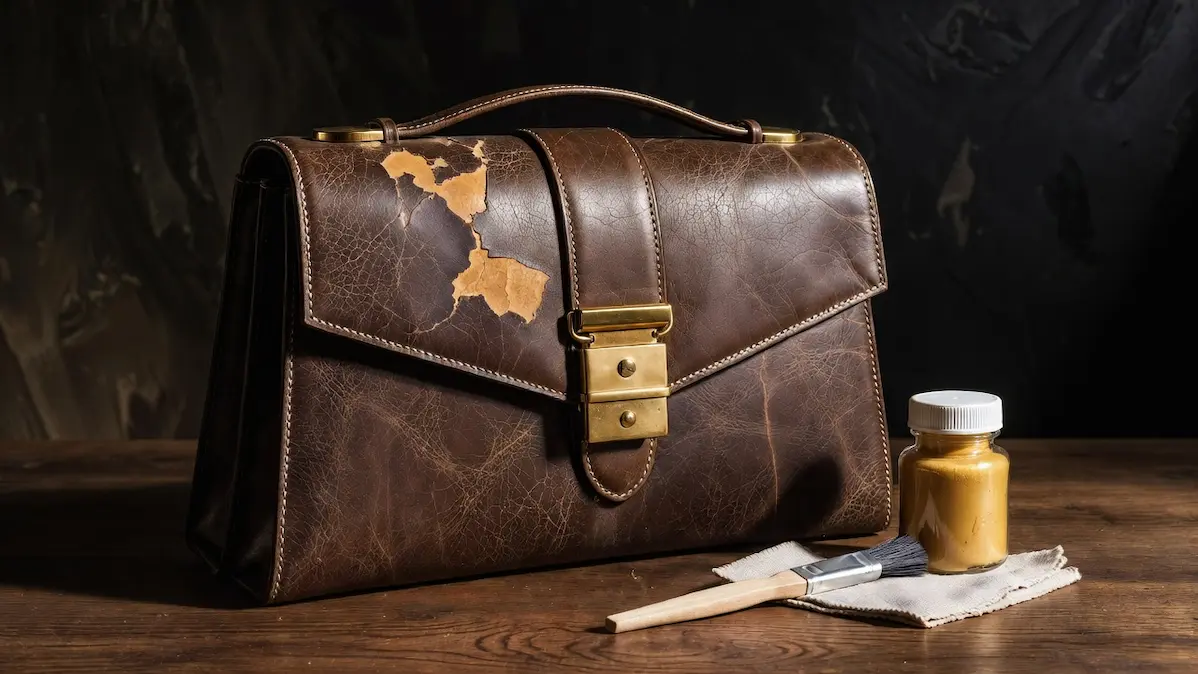
Learning how to fix peeling leather on purse damage saves owners hundreds in professional restoration — if you catch it early and use the right techniques.
You noticed small flakes on your favorite bag's handle last week. Now entire sections of leather are peeling away, exposing the fabric underneath.
Or maybe you pulled your designer purse from storage and discovered the corners have degraded into cracked, peeling patches that look beyond repair.
A client showed me her $400 Michael Kors bag after six months of use. The entire bottom panel was peeling in sheets. She'd used leather conditioner regularly but didn't realize her bag was bonded leather — a material that peels inevitably and can't be prevented through normal care.
The worst part? She'd paid for professional "restoration" that lasted three weeks before peeling resumed worse than before.
This complete guide covers seven proven methods for fixing peeling leather on purses, from temporary cosmetic fixes to long-term restoration techniques.
You'll learn which repairs work for which leather types, when DIY is appropriate versus when professionals are essential, and how to prevent future peeling.
Here's everything you need to know.
Table of Contents
- Editor's Picks: Best Products for Leather Repair
- Understanding Why Leather Peels on Purses
- Method 1: Trimming and Sealing (Temporary Fix)
- Method 2: Adhesive Bonding (Semi-Permanent Repair)
- Method 3: Leather Filler and Repainting (Long-Term Restoration)
- Method 4: Professional Restoration (When DIY Isn't Enough)
- 7 Quick Tips to Prevent Future Peeling (Most Owners Skip These)
- Mistakes That Are Accelerating Your Purse's Peeling
- Frequently Asked Questions
- Can you repair peeling bonded leather permanently?
- How do I know if my purse is bonded leather or genuine leather?
- Is peeling leather worth repairing or should I replace the bag?
- What causes leather purses to peel in the first place?
- Can I use leather conditioner on peeling leather?
- How long do DIY leather repairs typically last?
- Will leather paint crack or peel off?
- Conclusion
Editor's Picks: Best Products for Leather Repair
Before we dive in, here are the top-rated products most purse owners trust for peeling leather:
- Leather Hero Leather Paint — Color-matched repair paint for damaged areas
- Fiebing's Leather Adhesive — Bonds peeling layers back to base
- Leather Filler Compound — Fills gaps and smooths damaged surfaces
(More recommendations throughout the article)
Understanding Why Leather Peels on Purses
Different leather types peel for different reasons. Identifying your leather type determines which repair method will work.
Bonded Leather: The Most Common Culprit
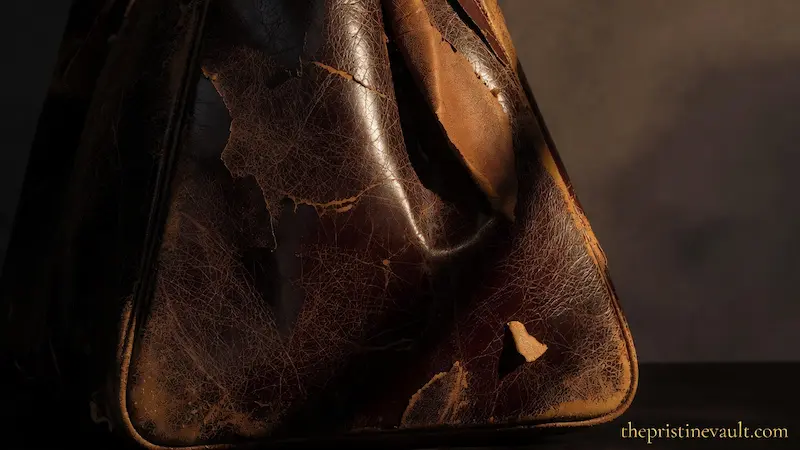
Bonded leather consists of leather scraps ground into pulp, mixed with polyurethane, and bonded to fabric backing. It's affordable but extremely prone to peeling.
Why it peels:
- The polyurethane coating breaks down with use and age
- Flexing stresses the bond between coating and backing
- Heat and humidity accelerate deterioration
- Once peeling starts, it spreads rapidly
Bonded leather bags typically begin peeling within 2-5 years regardless of care. No amount of conditioning prevents this — it's material failure, not maintenance failure.
Genuine Leather with Coating Damage
Real leather bags sometimes have protective coatings that peel while the leather underneath remains intact.
Why coatings peel:
- Chemical exposure (perfume, hand sanitizer, cleaning products)
- Excessive heat (left in cars, near radiators)
- Age-related breakdown of finish
- Aggressive cleaning that strips protective layers
This type of peeling is easier to repair than bonded leather because you're working with stable material underneath.
Corrected-Grain Leather Issues
Corrected-grain leather has had its surface buffed away and replaced with an artificial grain pattern and coating. This coating can peel similarly to bonded leather.
The key difference: once the coating fails, genuine leather remains underneath. Repairs last longer than on bonded leather.
The next section covers the mistake most people make at this stage.
Method 1: Trimming and Sealing (Temporary Fix)
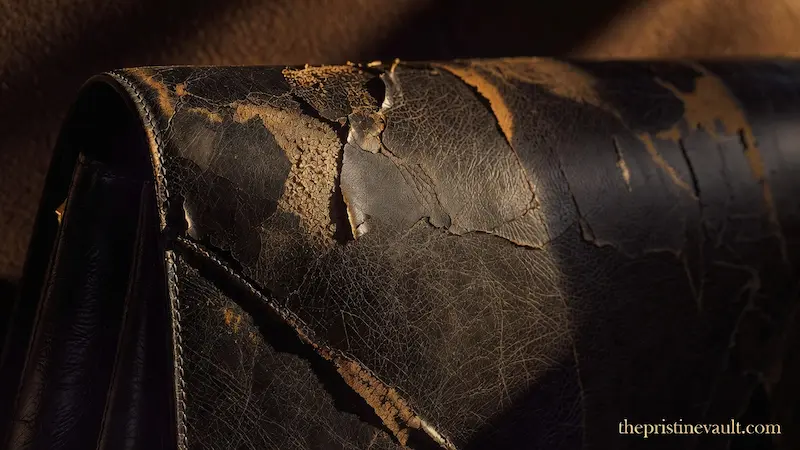
For minor peeling on edges or corners, simple trimming and sealing provides quick cosmetic improvement.
When This Works
Best for:
- Small peeling areas (under 1 inch)
- Edge peeling on bonded leather
- Situations where you need immediate visual improvement
- Bags you plan to replace soon
How to Do It
Step 1: Use sharp scissors or craft knife to carefully trim away all loose, peeling material. Cut as close to the base as possible without damaging underlying fabric.
Step 2: Sand the edges lightly with 220-grit sandpaper to smooth the transition between damaged and intact areas.
Step 3: Apply thin layer of clear leather sealer to the trimmed edge. This prevents further peeling from that spot temporarily.
Step 4: If color doesn't match, use leather paint to blend the repaired area with surrounding material.
Realistic Expectations
This fix lasts 3-6 months typically. It's cosmetic only — the underlying deterioration continues. Think of it as a band-aid, not surgery.
A client used this method on her work bag's handle peeling. It looked presentable for four months before peeling resumed. But those four months let her save for a replacement without embarrassment at client meetings.
But trimming alone won't restore structural integrity — here's what adhesive repair requires.
Method 2: Adhesive Bonding (Semi-Permanent Repair)
For areas where peeling layers can be pressed back down, specialized leather adhesive provides stronger, longer-lasting repair.
When This Works
Best for:
- Areas where coating is lifting but not completely detached
- Corners and edges with partial peeling
- Bags with sentimental value worth preserving
- Situations where professional repair is cost-prohibitive
The Process
Step 1: Clean the damaged area thoroughly. Remove all dirt, oils, and loose material. Let dry completely.
Step 2: Apply thin layer of leather-specific adhesive to both the peeling material and the surface underneath.
Step 3: Press layers together firmly. Use clamps, weights, or tight binding to maintain pressure for 24-48 hours while adhesive cures.
Step 4: Remove excess adhesive that squeezed out before it fully dries. Once dry, it's nearly impossible to remove cleanly.
Step 5: Seal the repair with flexible leather finish to protect the bond.
Critical Success Factors
The surface must be completely clean and dry. Oil, dirt, or moisture prevents proper bonding. Many failed repairs result from skipping thorough cleaning.
Use adhesive designed for flexible materials. Super glue and general-purpose adhesives crack when leather flexes during normal use.
For comprehensive leather care principles that extend beyond repair, our guide on Hermès bag care covers professional maintenance standards.
Up next: the one product that changes everything for significant damage.
Method 3: Leather Filler and Repainting (Long-Term Restoration)
For substantial peeling where material is completely missing, leather filler provides the most durable DIY repair.
When This Works
Best for:
- Large peeling areas (over 2 inches)
- Bags with genuine leather base
- Repairs worth investing time and materials
- Situations where visual perfection matters
Complete Restoration Process
Step 1: Preparation
Remove all loose, peeling material completely. Sand the area smooth with 220-grit sandpaper. Clean thoroughly with leather prep solution or rubbing alcohol. Let dry 30 minutes.
Step 2: Filling
Apply leather filler compound in thin layers. Multiple thin coats work better than one thick coat. Let each layer dry completely (2-4 hours) before adding the next.
Build up filler slightly higher than surrounding leather. You'll sand it level in the next step.
Step 3: Sanding
Once final filler layer is completely dry (24 hours minimum), sand the surface level with surrounding leather using progressively finer grits: 220, then 320, then 400.
The goal is smooth transition where you can't feel the edge between filler and original material.
Step 4: Painting
Apply leather paint in multiple thin coats. Color matching is critical — test on hidden area first. Many brands offer color-matching services where you send photos.
Let each paint coat dry thoroughly. Usually 3-4 coats achieve opaque, even coverage.
Step 5: Finishing
Seal with flexible leather finish appropriate for the original leather's sheen (matte, semi-gloss, or gloss). This protects the repair and matches the bag's original appearance.
Results and Durability
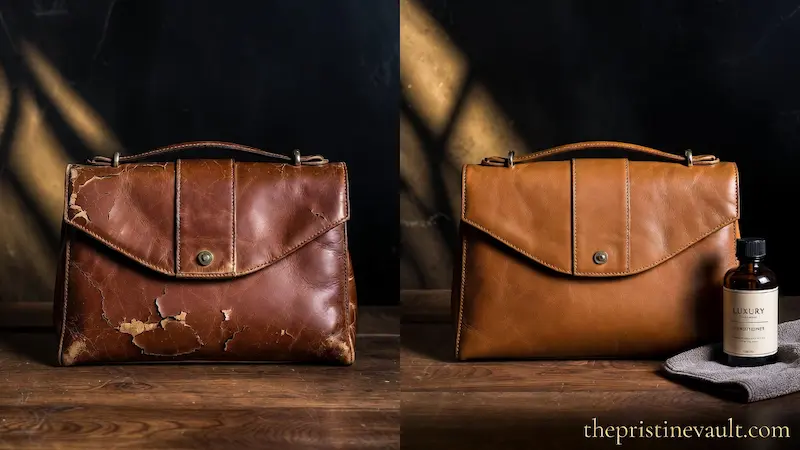
Properly executed filler repairs last 2-5 years depending on bag use frequency and material quality. They're not permanent but provide substantial extension to bag life.
A collector restored her vintage Coach bag's peeling corners using this method. Three years later, the repairs remain intact with no visible deterioration.
The next section covers the mistake most people make at this stage.
Method 4: Professional Restoration (When DIY Isn't Enough)
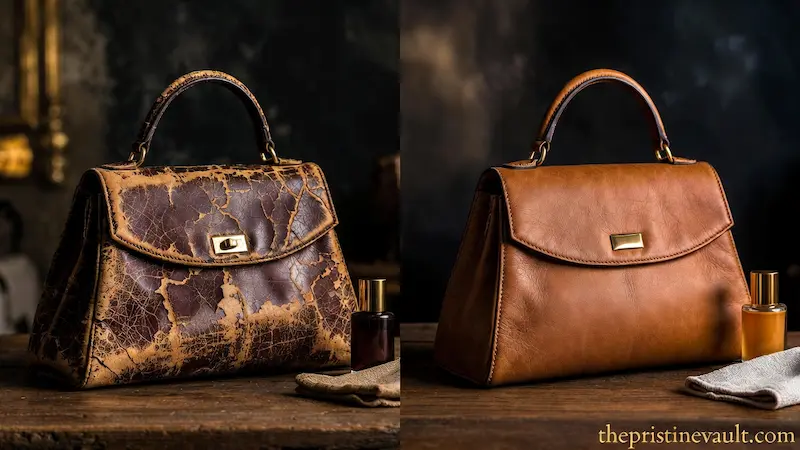
Some peeling damage exceeds DIY capabilities. Knowing when to seek professional help saves money versus failed repair attempts.
When Professionals Are Necessary
Seek professional restoration for:
- Peeling across large surface areas (over 30% of bag)
- Damage to structural components (seams, handles, base)
- High-value bags ($500+) where amateur repair risks further damage
- Antique or vintage bags with collector value
- Situations where color matching is critical
What Professional Restoration Includes
Professionals have access to industrial-grade materials and techniques unavailable to consumers. They can:
- Strip and completely refinish leather surfaces
- Replace peeling material with new leather panels
- Color match precisely using spectrophotometry
- Restore texture and grain patterns
- Guarantee work for specific time periods
Cost Expectations
Professional leather restoration typically costs:
- Minor repairs (corners, edges): $75-$150
- Moderate damage (handles, panels): $150-$300
- Extensive restoration: $300-$600+
For bags under $300, professional restoration often costs more than replacement. For designer or vintage bags, it's usually worthwhile.
For proper storage techniques that prevent damage requiring professional intervention, see our complete guide on how to store designer bags long term.
But restoration only works if you maintain the repair — here's what ongoing care requires.
7 Quick Tips to Prevent Future Peeling (Most Owners Skip These)
Condition genuine leather quarterly, but never bonded leather. Bonded leather's polyurethane coating can't absorb conditioner and excess product accelerates peeling.
Store bags stuffed and away from heat sources. Collapsed bags stress material at fold points, and heat degrades adhesives in bonded leather.
Apply leather protector spray before first use. This creates barrier against moisture and oils that break down coatings.
Avoid hand sanitizer contact with bag surfaces. Alcohol in sanitizers strips protective coatings within seconds of contact.
Clean bags immediately after chemical exposure. Perfume, makeup, and sunscreen cause delayed damage if left on leather surfaces.
Use bag organizers to reduce interior friction. Items shifting inside bags stress internal surfaces where peeling often starts unseen.
- Inspect bags monthly for early peeling signs. Small peeling spots are easy to repair; large areas require extensive restoration.
⚠️ Pro Tip: For bonded leather bags, acceptance is sometimes the best strategy. No repair lasts permanently on bonded leather.
Plan to replace these bags every 3-5 years rather than investing heavily in temporary repairs.
Mistakes That Are Accelerating Your Purse's Peeling
These common errors worsen peeling damage:
Using regular glue for leather repairs. Standard adhesives dry hard and crack when leather flexes. Only flexible leather adhesive maintains bond through normal use.
Applying thick layers of filler compound. Thick filler takes days to cure fully and often cracks as it dries. Multiple thin layers provide stronger, more flexible repair.
Conditioning bonded leather hoping to prevent peeling. Conditioner can't penetrate polyurethane coating on bonded leather. Excess product sits on surface, attracting dirt and potentially softening the coating, which accelerates peeling.
Storing bags in plastic containers or bags. Trapped moisture and heat in plastic storage create perfect conditions for coating deterioration. Always use breathable fabric storage.
Leaving bags in cars regularly. Temperature extremes in vehicles — both heat and cold — stress leather coatings and accelerate breakdown of adhesives in bonded leather.
Attempting to iron or heat-press peeling areas. Heat permanently damages both bonded leather and genuine leather coatings. Once heat damage occurs, complete refinishing is the only repair option.
Frequently Asked Questions
Can you repair peeling bonded leather permanently?
No. Bonded leather peeling is material failure, not surface damage. Repairs extend lifespan temporarily (6 months to 2 years) but peeling will resume. The polyurethane coating's bond to the backing deteriorates irreversibly over time.
How do I know if my purse is bonded leather or genuine leather?
Check the tag or manufacturer information first. If unavailable, examine peeling areas closely. Bonded leather peeling reveals fabric backing underneath. Genuine leather peeling exposes more leather underneath the coating. Bonded leather also has perfectly uniform texture while genuine leather shows natural variation.
Is peeling leather worth repairing or should I replace the bag?
For bags under $200, replacement often makes more sense than extensive repair. For designer bags, vintage pieces, or items with sentimental value, professional restoration preserves significant value. DIY repair works well for moderate damage on mid-range bags ($200-$500).
What causes leather purses to peel in the first place?
Multiple factors contribute: material quality (bonded leather peels inevitably), chemical exposure (perfume, hand sanitizer), environmental stress (heat, humidity), age-related deterioration of coatings, and mechanical stress (friction, flexing). Prevention requires understanding your bag's specific leather type and vulnerabilities.
Can I use leather conditioner on peeling leather?
Only on genuine leather with coating damage — not on bonded leather. Condition only after repairing peeling areas. Conditioning before repair introduces oils that prevent adhesive bonding. For specific leather types like vachetta, our LV vachetta leather cleaning guide covers appropriate products.
How long do DIY leather repairs typically last?
Depends on repair quality and bag usage. Adhesive bonding lasts 6-12 months on frequently used bags. Filler and repainting repairs last 2-5 years. Professional restoration provides longest durability at 5-10 years. All repairs eventually require maintenance or renewal.
Will leather paint crack or peel off?
Quality flexible leather paint won't crack with normal use if applied correctly in thin coats and sealed with appropriate finish. Paint failure usually results from inadequate surface preparation, incompatible paint type, or insufficient sealing.
Conclusion
Knowing how to fix peeling leather on purse damage comes down to three key factors: accurately identifying your leather type, matching repair method to damage extent, and maintaining realistic expectations about durability.
Bonded leather requires acceptance and replacement planning. Genuine leather with coating damage responds well to filler and repainting. Significant damage on valuable bags justifies professional restoration.
No repair lasts forever on frequently used bags. Success means extending bag life by years, not decades. Regular inspection and early intervention prevent small problems from becoming expensive disasters.
For complete leather repair success, quality leather filler creates the foundation for durable, invisible repairs that withstand daily use.
Now it's your turn — assess your bag's damage this week using the identification guidelines above and choose the appropriate repair method for your situation. Your purse will thank you for it.