How to Store Diamond Jewelry
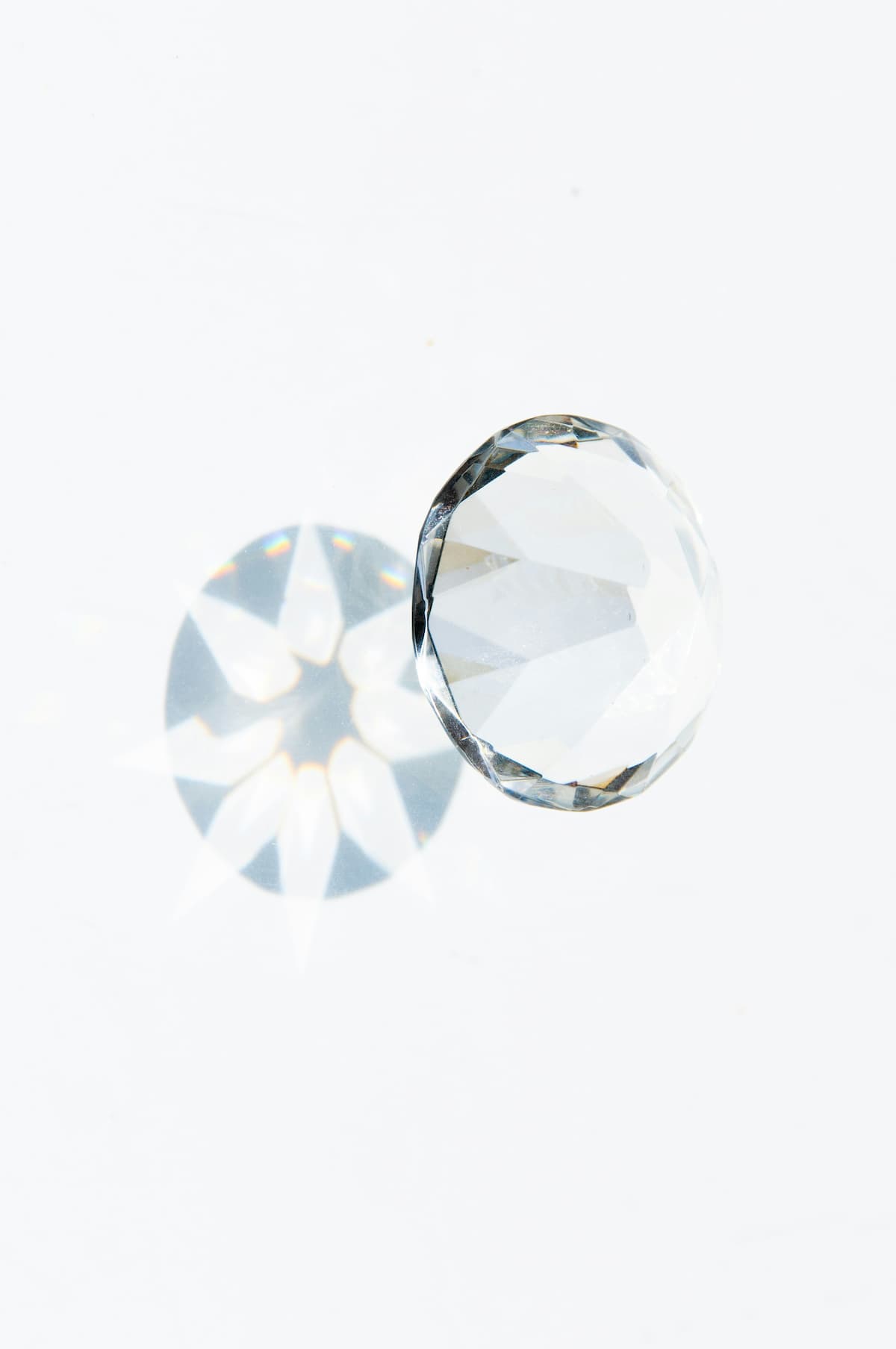
Diamonds are the hardest natural material on earth — and that's exactly why storing them wrong damages everything else in your jewelry box. A loose diamond ring tossed into a shared compartment will scratch gold, gouge pearls, and chip softer gemstones within weeks. The diamond survives. Everything around it doesn't.
Most people assume that expensive jewelry is tough enough to handle anything. Diamonds reinforce that belief because they look indestructible.
But knowing how to store diamond jewelry properly isn't about protecting the diamond — it's about protecting the setting, the metal, the other pieces nearby, and ultimately the value of your entire collection.
This guide covers the exact storage methods that jewelers and collectors use, the common mistakes that cause preventable damage, and the specific products that keep your diamonds safe between wears.
Whether you own a single engagement ring or a full collection of diamond pieces, proper storage is the easiest way to preserve what you've invested in.
Why Diamond Jewelry Needs Separate Storage
Table of Contents
Diamonds Scratch Everything
Diamonds rank 10 on the Mohs hardness scale. Gold ranks 2.5 to 3. Platinum ranks 4 to 4.5. Pearls rank 2.5 to 4.5. Emeralds rank 7.5 to 8.
That means a diamond will scratch every metal and nearly every gemstone it touches. One diamond ring sliding against a gold bracelet in a travel pouch is enough to leave a permanent mark on the bracelet.
This damage is cumulative. A tiny scratch today becomes a visible groove after a year of shared storage. The gold or platinum setting on the diamond piece itself also suffers — prongs wear down, polished surfaces dull, and rhodium plating on white gold wears off faster from friction.
Settings Are More Fragile Than You Think
The diamond may be indestructible, but the prongs holding it aren't. Prongs bend, catch on fabric, and weaken over time — especially when pieces shift around in a crowded jewelry box. A loose prong is how diamonds fall out of settings. And a lost diamond is a loss no insurance claim makes painless.
The Best Way to Store Diamond Jewelry
Individual Compartments Are Non-Negotiable
Every diamond piece needs its own space. No exceptions. This is the single most important storage rule.
Your options:
- A lined jewelry box with separate compartments soft fabric lining (velvet or microfiber) prevents surface scratching
- Individual soft pouches one piece per pouch, drawstring closed
- A jewelry organizer with padded slots ideal for rings and earrings
The lining material matters. Velvet and microfiber are gentle on metals and gemstones. Avoid boxes with hard, unlined wood or plastic interiors — these scratch polished metal surfaces over time.
Rings Deserve Extra Attention
Diamond rings take the most abuse in storage because of their shape. The stone protrudes, catching on fabric and bumping against neighboring pieces.
Store rings in:
- Dedicated ring slots in a jewelry box (the padded rolls that hold rings upright)
- Individual ring boxes
- A ring holder tray with soft padding
Never drop a ring loosely into a bowl, dish, or drawer. One careless toss is all it takes to bend a prong or chip the girdle of the diamond.
Pro Tip: Keep the original box from your jeweler. Those boxes are designed specifically for the piece — the padding fits the shape, the slot holds it securely, and it provides maximum protection. If you've lost the original box, a small velvet pouch works as a replacement.
Climate and Environment: Where You Store Matters
Humidity Is Your Enemy
High humidity tarnishes metal. Gold alloys (especially 10K and 14K, which contain more base metals) develop a dull film. Sterling silver components tarnish rapidly. White gold rhodium plating degrades faster in moist environments.
If you live in a humid climate — coastal areas, tropical regions, or anywhere with consistently high indoor humidity — add a small silica gel packet inside your jewelry box. These absorb excess moisture and cost almost nothing.
Replace silica gel packets every 2-3 months for consistent protection.
If you're noticing tarnish on the gold parts of your diamond jewelry, read our guide on how to remove tarnish from gold jewelry at home for safe cleaning methods that won't risk your stones.
Sunlight and Heat
Prolonged sunlight exposure won't damage a diamond — but it can damage certain settings and complementary stones. If your diamond piece also includes pearls, opals, or colored gemstones, direct sunlight can fade or dehydrate those softer stones.
Heat causes metals to expand and contract, which loosens prong settings over time. Don't store jewelry near windows, on top of dressers that receive direct sun, or near heat sources like radiators.
The Bathroom Is Not a Jewelry Box
Bathrooms combine humidity, heat fluctuations, and chemical exposure (perfume, hairspray, cleaning products) — the worst possible combination for jewelry storage. That little dish next to your sink is convenient, but it's slowly damaging everything sitting in it.
Store your diamonds in a bedroom closet, a dresser drawer, or a dedicated jewelry cabinet — somewhere cool, dry, and away from daily chemical exposure.
How to Store Diamond Jewelry for Travel
Travel Cases Are Worth the Investment
A dedicated travel jewelry case with individual padded compartments keeps pieces separated and protected during transit. Look for cases with:
- Soft interior lining (velvet or microfiber)
- Secure zipper or snap closure
- Separate compartments for rings, earrings, necklaces, and bracelets
- Compact size that fits in a carry-on
Never Pack Jewelry in Checked Luggage
This should go without saying, but it happens more often than you'd think. Checked luggage gets tossed, crushed, and sometimes lost. Always carry diamond jewelry in your personal bag or carry-on.
The Zip-Lock Backup Method
If you don't have a travel case, individual zip-lock bags work in an emergency. Place each piece in its own small bag, squeeze out the air, and wrap each bag in a soft cloth. Not elegant, but effective at preventing pieces from touching each other.
Special Storage Considerations by Jewelry Type
Diamond Necklaces and Bracelets
Chains tangle. Tangled chains get pulled and stretched, weakening links and clasps. Always store necklaces:
- Hanging on individual hooks inside a jewelry cabinet
- Laid flat in a long, padded compartment
- Clasped closed to prevent chain movement
Never coil a necklace into a pile. The knots that form under coiling put stress on delicate chain links and can be nearly impossible to undo without tools.
Diamond Earrings
Stud earrings roll. Dangle earrings tangle with other pieces. Store earrings:
- Pushed through a padded earring holder or earring book
- In small individual compartments
- With backs attached to prevent loss
Diamond Pieces Combined with Pearls
If you own pieces that combine diamonds with pearls, those pieces need gentler storage than diamond-only jewelry. Pearls are organic — they scratch easily, absorb chemicals, and dehydrate in dry environments.
Store these combination pieces separately from pure diamond jewelry. Use a soft cloth pouch and avoid contact with any harder stones.
For detailed pearl-specific guidance, see our guide on how to clean pearl jewelry at home — the storage tips in that article apply directly here.
Quick Storage Checklist
Follow these rules and your diamond jewelry will stay protected for decades:
One piece per compartment. Never let diamond jewelry touch other pieces — diamonds scratch everything softer than themselves.
Use soft-lined storage. Velvet, microfiber, or silk-lined boxes protect metal surfaces from scratching against hard interiors.
Control humidity. Add silica gel packets to your jewelry box if you live in a humid climate. Replace them every 2-3 months.
Keep away from bathrooms. Humidity, heat, and airborne chemicals damage settings and tarnish metals.
Store necklaces uncoiled. Hang them or lay them flat to prevent tangling and chain stress.
Close clasps before storing. Open clasps catch on fabric and other pieces.
Travel with a dedicated case. Never pack diamond jewelry in checked luggage. Always carry it with you.
Check prongs every 6 months. Gently push each prong with a fingernail. If any prong moves or feels loose, take the piece to a jeweler before wearing it again.
Keep original packaging. Jeweler boxes are designed for your specific piece and offer the best protection available.
Clean before long-term storage. Body oils and lotions left on jewelry during storage can cause discoloration over time. Gently wipe each piece with a soft microfiber cloth before putting it away.
Frequently Asked Questions
Can I store all my jewelry together in one box?
Yes, as long as every piece has its own individual compartment with soft lining. The goal is preventing pieces from touching each other. Diamonds scratch gold, silver, platinum, and softer gemstones on contact.
Do diamonds need special storage?
The diamond itself doesn't — it's nearly indestructible. But the metal setting, the prongs, and any surrounding gemstones absolutely do. Proper storage protects the complete piece, not just the stone.
Should I store diamond jewelry in a safe?
For high-value pieces you don't wear daily, a home safe or safety deposit box is smart. Make sure the safe is fireproof and add silica gel packets to control humidity inside the safe. Wrap each piece individually in a soft pouch before placing it inside.
How do I prevent my diamond rings from scratching each other?
Store each ring in its own padded slot or individual pouch. Even two diamond rings stored together can scratch each other's metal settings where the stones make contact.
Is it okay to store diamond jewelry in plastic bags?
For temporary travel, small zip-lock bags work as emergency separation. For long-term storage, avoid plastic — it traps moisture, doesn't breathe, and can cause condensation that leads to tarnish. Fabric pouches or lined boxes are always better.
How often should I check my diamond settings?
Every 6 months at home (gently press each prong with a fingernail) and once a year professionally. A jeweler can spot worn prongs, loose stones, and setting damage that isn't visible to the naked eye.
Can humidity actually damage diamonds?
Not the diamond itself, but absolutely the metal holding it. Humidity accelerates tarnish on gold alloys and silver. It also promotes corrosion on base metals in lower-karat gold. Over years, humid storage weakens settings from the inside out.
Protect the Setting, Protect the Stone
Understanding how to store diamond jewelry is really about protecting everything around the diamond — the gold, the platinum, the prongs, and any softer stones sharing the setting. The diamond will outlast all of it. Your job is making sure the rest keeps up.
Separate every piece. Line every compartment. Control humidity. Check your prongs. These small habits cost almost nothing but protect pieces worth thousands.
Your diamonds were made to last forever. Proper storage makes sure the rest of the jewelry does too.
Don't leave your hard-earned assets vulnerable to theft or unforeseen loss. Discover our comprehensive guide on luxury asset insurance and documentation to ensure your collection is fully protected by law and.