Strategic Luxury Watch Storage: The Science of Winders vs. Static Safes
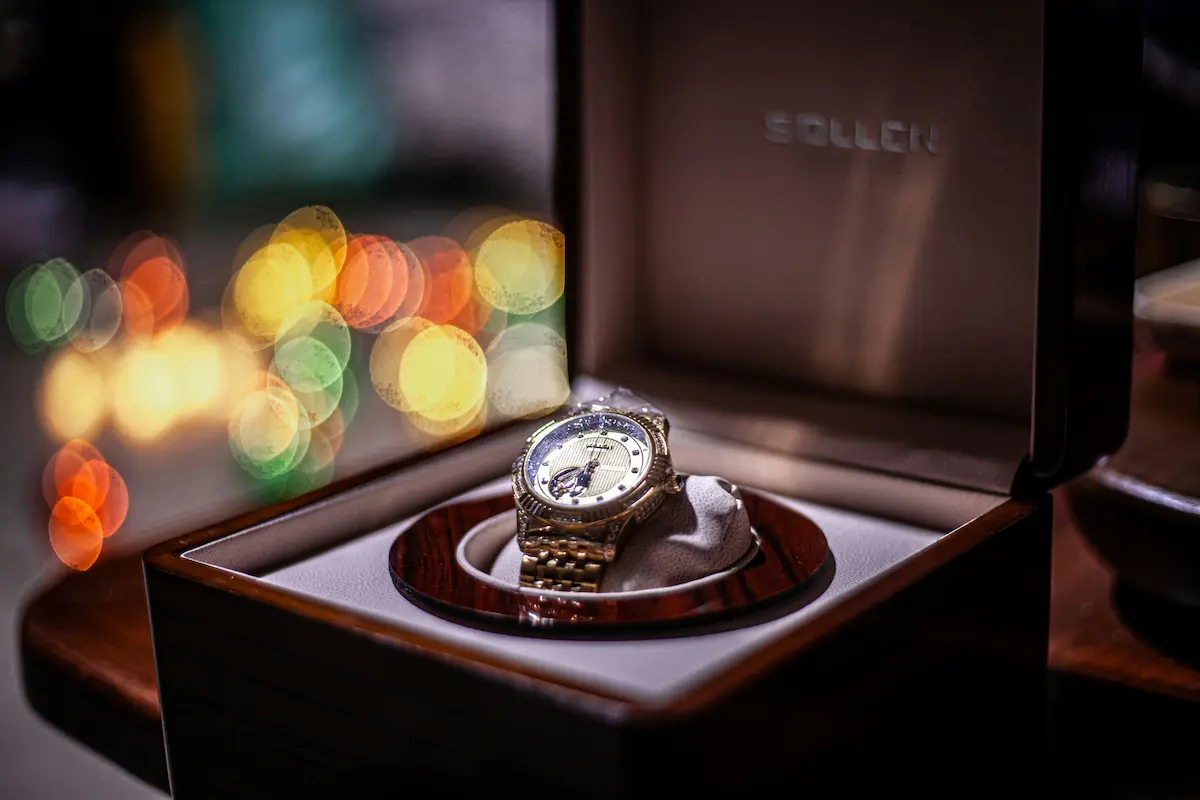
Optimize luxury watch storage by selecting between automatic watch winders for perpetual calendars or high-security static safes for vintage manual-wind pieces. Ensure a humidity-controlled environment of 35-45% to prevent lubricant evaporation. Use pH-neutral suede or microfiber linings to avoid chemical reactions with case metals like 18k gold or platinum.
Failing to implement a professional luxury watch storage system leads to "Gasket Desiccation," a process where internal rubber seals dry out and compromise the timepiece's water resistance.
In the volatile climates of London or New York, urban pollutants and fluctuating indoor humidity can oxidize delicate movements, potentially devaluing a Patek Philippe or Audemars Piguet by 20% in servicing costs alone.
For the modern horologist, storage is not merely about security; it is an environmental intervention to maintain mechanical Isochronism and long-term asset liquidity.
Table of Contents
The Science of Horological Stasis
Understanding the preservation of a luxury timepiece requires a dive into Tribology—the science of friction and lubrication.
Modern watch movements rely on ultra-thin Synthetic Oils (such as Moebius) to ensure the Escapement and Balance Wheel oscillate with minimal resistance.
When a watch remains static for extended periods, these oils can undergo Viscosity changes or "pooling," where the lubricant migrates away from the friction points. Conversely, excessive use of a low-quality Watch Winder can cause mechanical Tiredness by keeping the mainspring at maximum tension, leading to premature wear of the Slipping Spring and winding gears.
The choice between active winding and static storage depends entirely on the movement’s Complications and the chemical stability of its lubricants.
Storage Protocol: The Archivist's Choice
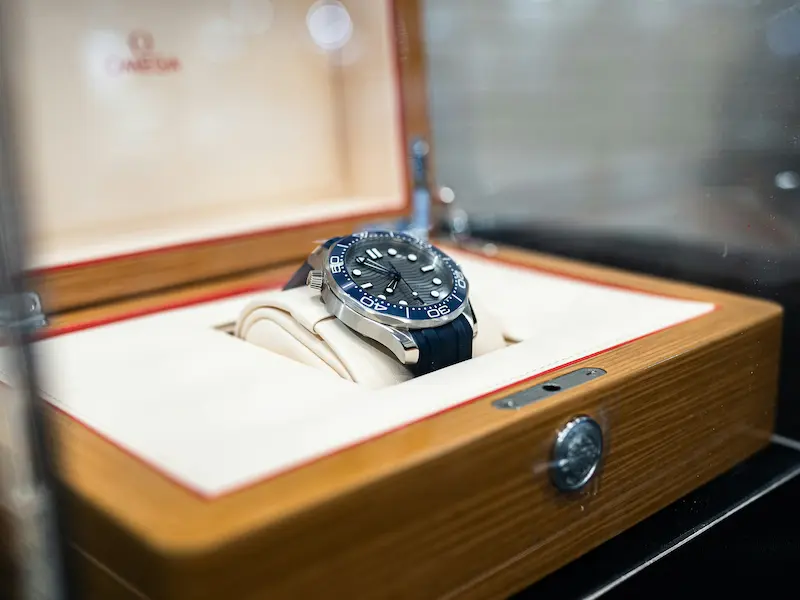
Step 1: Evaluating the Movement’s Needs
Identify if the timepiece is a "Daily Wear" or a "Safe Queen." Perpetual calendars and moon phase complications are ideal candidates for Automatic Watch Winders because the time required to reset these functions manually puts unnecessary stress on the crown and setting gears.
WARNING / RED FLAG
Never place vintage watches (pre-1970) on a continuous winder. Older Mineral Oils are more prone to gumming up, and the constant motion can accelerate the wear of fragile, non-replaceable vintage components.
Step 2: Atmospheric Stabilization
Whether using a box or a safe, the internal environment must be regulated. Use a Thermo-Hygrometer to monitor the micro-climate. High humidity triggers Oxidation on steel hands and hour markers, while extreme dryness causes leather straps to undergo Fiber Contraction and cracking.
WARNING / RED FLAG
Avoid storing watches in original wooden boxes for long-term safe storage. Many luxury boxes use glues and lacquers that release Volatile Organic Compounds (VOCs) as they age, which can tarnish silver and gold dials over time.
Step 3: Winder Calibration (TPD Settings)
If using a winder, calibrate the Turns Per Day (TPD) according to the manufacturer’s specifications. Most Rolex movements require 650 TPD with Bidirectional rotation. Setting a winder too high creates unnecessary "clutch slip," while setting it too low will allow the watch to stop.
WARNING / RED FLAG
Beware of cheap winders that lack Magnetic Shielding. Unshielded motors can magnetize the Hairspring, causing the watch to run fast and requiring a professional demagnetization service.
Step 4: The Static Safe Protocol
For investment-grade pieces, a static Fireproof Safe is mandatory. However, fireproof safes utilize "Moisture-Release" technology to protect paper documents. This creates a high-humidity "Sauna" effect that is lethal to watches. Always include high-capacity Desiccant Canisters inside any fireproof safe.
WARNING / RED FLAG
Never store watches directly on metal safe shelves. The friction against the Caseback will create "Storage Scratches." Always use individual archival-grade watch rolls or soft pouches.
The Conservator's Matrix: Storage Solutions
Method / Product | Cost Efficiency | Risk Level | Use Case | Conservator's Verdict |
Programmable Winder | Medium | Low | Perpetual Calendars | Essential for high-complication pieces. |
Horological Safe | Low | Very Low | High-Value Assets | The Gold Standard for security/climate. |
Travel Watch Roll | High | Medium | Short-term Storage | Practical, but lacks environmental sealing. |
Original Display Box | High | High | Display Only | Risky for long-term (VOC issues). |
Curated Maintenance Tools
1. The Gold Standard: Wolf 1834 Programmable Winder
Engineered with patented rotation counting technology that measures the exact number of turns rather than just estimating by time.
Why it works: Features zero-magnetism motors and a "Return to Start" function for the 12 o'clock position aesthetic.
2. The Smart Value: Pelican 1150 Protector Case with Custom Foam
An airtight, crushproof, and dustproof solution for those who prioritize environmental sealing over aesthetics.
Why it works: The Pressure Equalization Valve prevents vacuum-locking during temperature shifts.
3. The Specialist Tool: Rechargeable Silica Gel Desiccant
A professional-grade moisture absorber that changes color when saturated.
Why it works: Prevents the Hygroscopic absorption of moisture by the watch's internal gaskets.
FAQ: Troubleshooting Storage Issues
Is it better to let a watch stop or keep it winding?
For modern watches, letting them stop for a few weeks is perfectly safe. However, if a watch is left stopped for years, the lubricants may dry out. A winder is a convenience tool, not a mechanical necessity for simple "Time and Date" watches.
Can magnets in a safe door affect my watch?
Yes. Modern safe doors often use magnetic seals. Ensure your watches are stored at least 6 inches away from any magnetic source to prevent the Balance Spring from becoming magnetized.
Should I store my watch with the crown pulled out?
Absolutely not. Pulling the crown opens the Oyster Case to atmospheric moisture and dust. Always keep the crown screwed down or pushed in completely during storage.
How do I store a watch with a Lithium-ion battery (Smart Luxury)?
Unlike mechanical watches, these should be stored at 50% charge. Never store them at 0%, as the battery may undergo Deep Discharge and fail to ever recharge.
What is the "Safe Queen" Syndrome?
This refers to watches that are kept in safes so long that their gaskets fail due to lack of use. Even safe-stored watches should be wound and "exercised" once every three months to redistribute Movement Lubricants.
True stewardship of luxury assets involves both prevention and restoration. For those dealing with the aftermath of improper storage conditions, particularly regarding the delicate balance of coated canvas, we have documented the definitive professional method. Ensure your collection remains pristine by mastering the Louis Vuitton Mold Neutralization Guide
Don't leave your hard-earned assets vulnerable to theft or unforeseen loss. Discover our comprehensive guide on luxury asset insurance and documentation to ensure your collection is fully protected by law and policy