The Ultimate Tiffany & Co. Silver Restoration: An Archival Protocol for Oxidized Jewelry
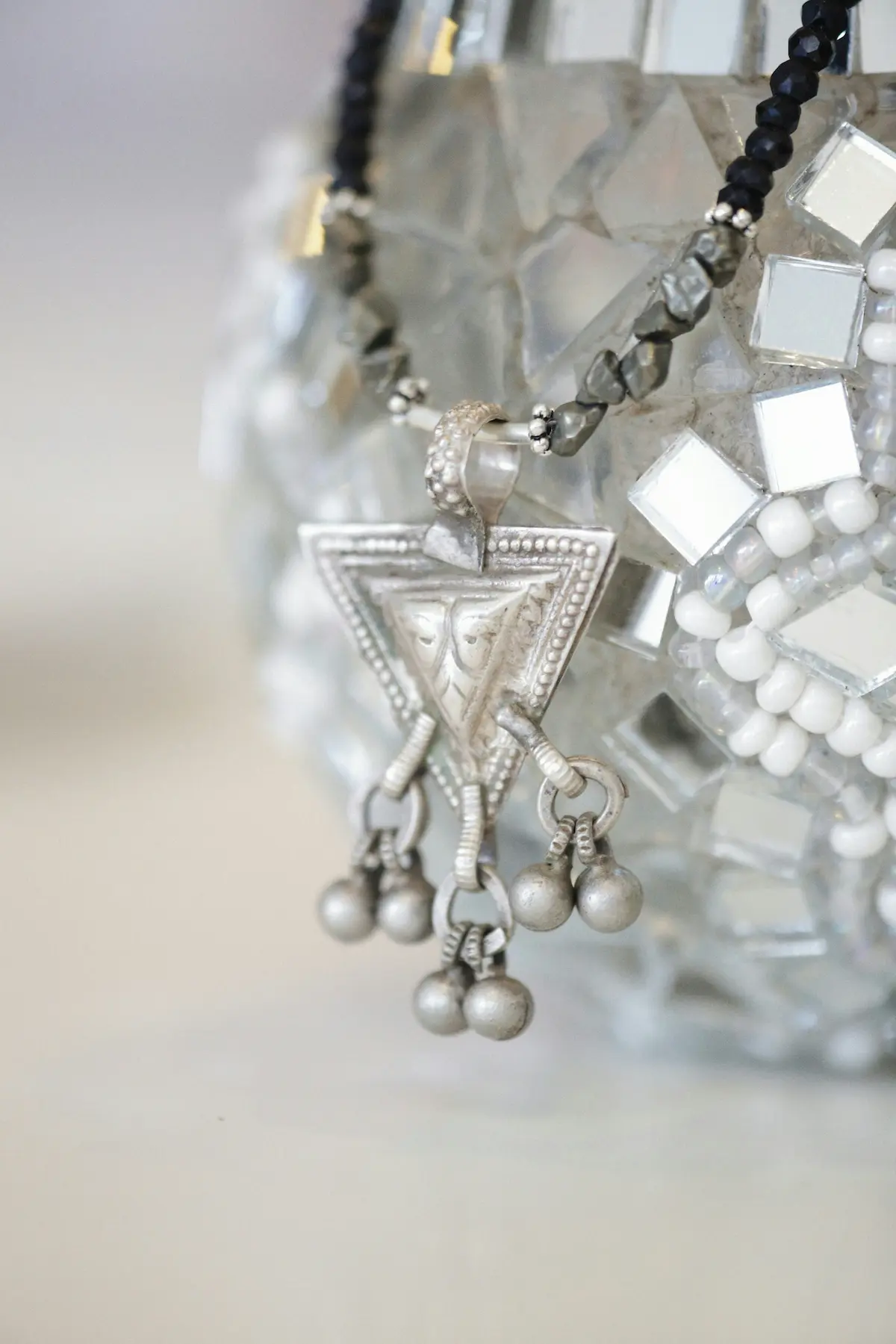
Owning a piece from the House of Tiffany is not merely a fashion choice; it is a stewardship of a legacy that dates back to 1837. When that iconic Tiffany Blue box is opened, the brilliance of the .925 sterling silver is breathtaking. However, for many collectors, a few months of neglect leads to a heart-sinking discovery: a dull, yellowish-black film covering their beloved Return to Tiffany® heart or HardWear links.
At PristineVault, we view oxidation not as damage, but as a chemical call for maintenance. This guide provides a comprehensive, professional-grade protocol to restore your Tiffany assets without the abrasive "quick fixes" that often ruin the metal's long-term integrity.
Table of Contents
The Science of Tarnish: Why Tiffany Silver Turns Black
To treat oxidation, we must first understand it. Sterling silver is an alloy consisting of 92.5% pure silver and 7.5% other metals, typically copper. While pure silver is highly resistant to tarnish, the copper component is the culprit.
The Chemical Reaction: Tarnish is actually silver sulfide. It occurs when silver atoms are exposed to sulfur in the atmosphere.
The Accelerants: Moisture (humidity), skin oils, perfumes, and even certain types of paper or wood can accelerate this reaction.
The Misconception: Many believe "dipping" silver into harsh chemicals is the best solution. In the archival world, we avoid this because it strips the protective "patina" and can make the silver tarnish even faster in the future.
Phase 1: The Preparatory Audit
Before any cleaning begins, you must audit the piece to ensure you don't cause collateral damage.
Gemstone Check: Does your Tiffany piece have Turquoise, Pearls, or Opals? These are "soft" stones and must never come into contact with silver cleaning agents or even soapy water for too long.
Enamel Integrity: The famous "Tiffany Blue" enamel can crack if exposed to extreme temperature changes during cleaning.
Hardware Inspection: Check the lobster claws and springs. Oxidation inside a clasp can cause it to seize.
Phase 2: The Archival Cleaning Protocol
Step 1: The Gentle De-Greasing Bath
Before addressing the oxidation, we must remove "human" contaminants like lotion and skin oil.
The Solution: Use distilled warm water mixed with a few drops of phosphate-free, mild dish soap (like Dawn).
The Process: Soak for 10 minutes. Use a brand-new, ultra-soft baby toothbrush to gently agitate the crevices of the links.
Archival Tip: Always use a plastic bowl; metal bowls can cause an electrolytic reaction that may spot the silver.
Step 2: The Straight-Line Polishing Technique
This is where most amateur collectors fail. They rub in circles.
The Tool: Use a professional dual-layered polishing cloth. The inner cloth is treated with micro-abrasives to remove tarnish, and the outer cloth is for buffing.
The Motion: Rub in long, consistent straight-line motions. Circular motions act like sandpaper, creating "swirl marks" that dull the mirror finish over time.
The Logic: Straight-line polishing aligns the microscopic "grain" of the silver, resulting in a deeper, more liquid-like luster.
Step 3: Dealing with Heavy, Recessed Tarnish
For pieces like the Tiffany 1837™ cuff which has deep engravings, tarnish often hides where cloths can't reach.
The Solution: Create a paste of baking soda and distilled water (3:1 ratio).
The Application: Apply a tiny amount to a lint-free cotton swab. Gently work it into the engravings.
The Warning: Rinse immediately. Leaving baking soda on silver for too long can cause "pitting" or microscopic holes.
Phase 3: The "Vault" Preservation Standard
Restoration is useless without a preservation strategy. To keep your Tiffany piece pristine for decades, follow the Archival Storage Protocol:
Atmospheric Control: Sulfur is the enemy. Every Tiffany box should contain an Anti-Tarnish Strip. These strips act as a "sulfur magnet," neutralizing the air inside the box before it reaches your jewelry.
Individual Archival Bags: Never let your silver pieces touch each other. Friction causes "chafing." Store each piece in its own acid-free, airtight polyethylene bag.
The "Last On, First Off" Rule: This is the golden rule of luxury. Apply all hairsprays, perfumes, and lotions 20 minutes before putting on your Tiffany silver. This allows the chemicals to evaporate, preventing them from reacting with the metal.
Phase 4: When to Call a Professional
If your piece has "Firestain" (a deep reddish tint caused by improper heating/manufacturing) or if the oxidation has caused deep "pitting" in the metal, DIY methods will not suffice. In these cases, a professional jeweler with a high-speed ultrasonic cleaner and a professional buffing wheel is required to "re-face" the silver.
If you also own delicate leather goods, such as LV Vachetta leather, you'll know that environmental control is the key to preventing irreversible damage.
The Smart Value: Tools for Your Tiffany Kit
To maintain this protocol, we recommend building a dedicated Tiffany Care Toolkit.
Polishing Cloths: Professional grade dual-cloths are essential.
Anti-Tarnish Tabs: A small investment that saves hours of cleaning.
Micro-Fiber Jewelry Towels: For drying without lint residue.
Conclusion: Protecting the Legacy
Restoring your Tiffany & Co. silver is an act of respect for the craftsmanship behind the brand.
By avoiding harsh chemical shortcuts and embracing the archival straight-line protocol, you ensure that your jewelry remains a liquid-asset that can be passed down through generations, still glowing with the same fire it had on the day it left the boutique.
Don't leave your hard-earned assets vulnerable to theft or unforeseen loss. Discover our comprehensive guide on luxury asset insurance and documentation to ensure your collection is fully protected by law and policy