Archival Preservation of Rare Gemstones: Beyond Superficial Brilliance
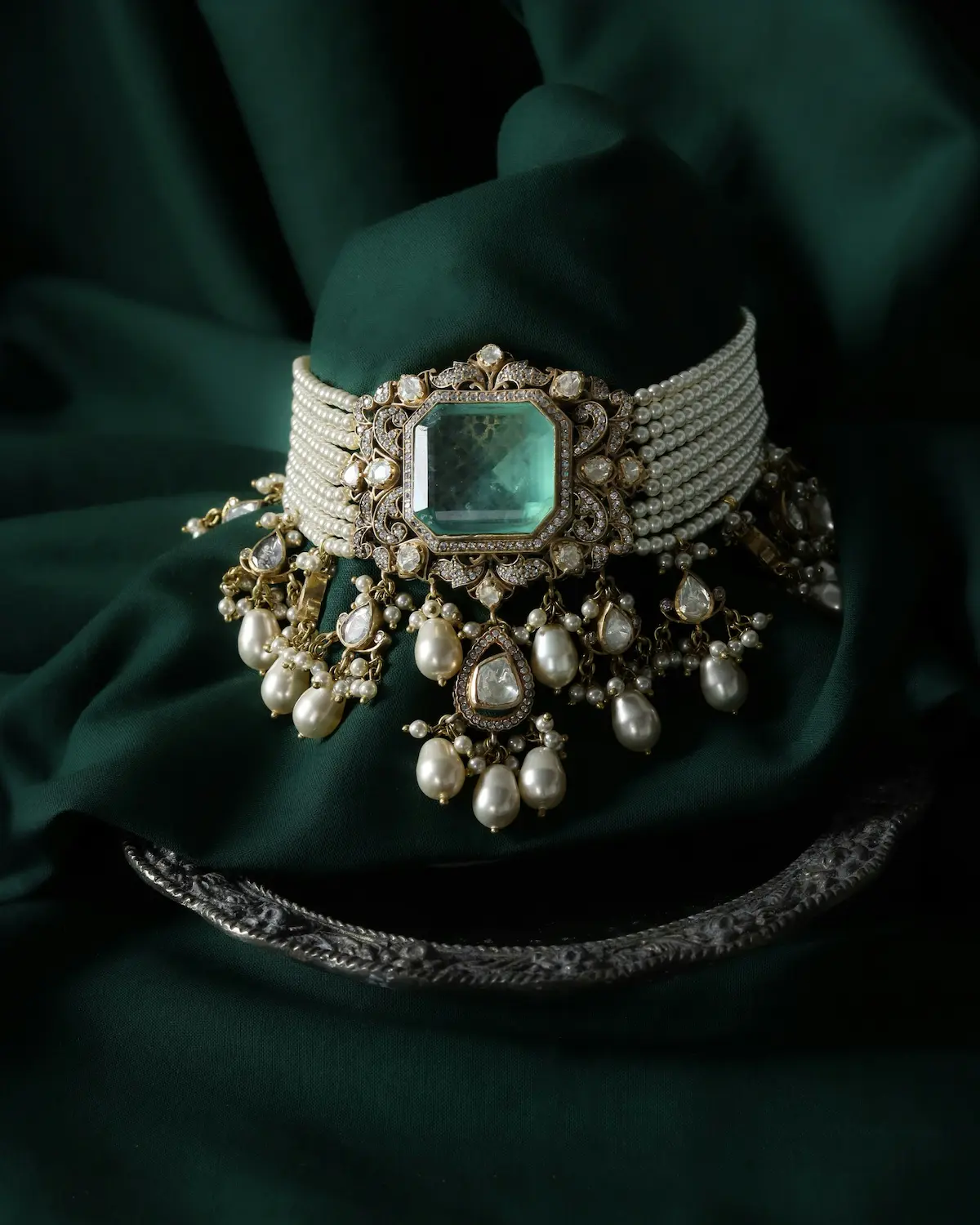
Preserve rare gemstones by utilizing a cold-water immersion technique and pH-balanced anionic surfactants, specifically for porous or organic gems like Emeralds and Opals. Avoid ultrasonic cleaners and pressurized steam, which can induce thermal shock or evacuate clarity-enhancing oils, leading to permanent internal fracturing and a catastrophic loss of gemstone transparency.
The cost of neglect in fine jewelry conservation is often irreversible; a single session in a high-heat ultrasonic cleaner can shatter an oil-treated Emerald, devaluing a high-carat investment by 80% in seconds.
In the sophisticated markets of London and New York, the "Brilliance" of a stone is often secondary to its Clarity Grade and structural stability.
As urban pollution and harsh domestic chemicals threaten the molecular integrity of precious metals and stones, the modern collector must transition from simple cleaning to a rigid archival preservation protocol to protect the liquidity of their jewelry assets.
Table of Contents
The Science of Gemstone Vulnerability
To effectively maintain a jewelry portfolio, one must understand the Mohs Scale of Hardness and the chemical "Toughness" (resistance to fracture) of the stones.
While a Diamond is the hardest mineral at a 10, stones like Emerald (Beryl) and Tanzanite are significantly more "Brittle" due to their internal Crystalline Inclusions.
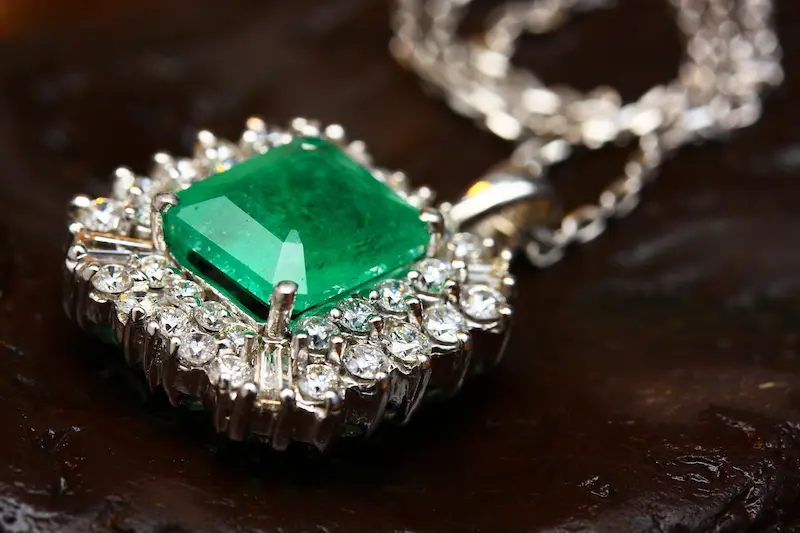
Furthermore, many rare gemstones are "Enhanced." Emeralds are typically "Oiled" with cedar oil to fill microscopic surface-reaching fissures.
Organic gems like Pearls and Coral are composed of Aragonite and Conchiolin, making them highly sensitive to acidic environments—including human perspiration and perfume.
Understanding the chemical Porosity of each species is the first step in preventing permanent mineral dehydration or chemical clouding.
Restoration Protocol: The Conservator’s Liquid Stasis
Step 1: Mineral Identification & Risk Assessment
Before any liquid contact, identify the stone's origin and treatment status. If a stone is an Emerald, Opal, or Pearl, it is classified as "Liquid Sensitive." These stones should never be submerged for long periods or exposed to heat. Use a dry, high-pile microfiber cloth to perform a "Preliminary Buff" to remove surface particulates that could act as abrasives during the wet phase.
WARNING / RED FLAG
Never use a domestic ultrasonic cleaner for multi-stone settings or "Fragile" gems. The Cavitation Bubbles can not only shake stones loose but can also cause "Cleavage Planes" in the mineral to expand, literally cracking the stone from the inside out.
Step 2: The Anionic Surfactant Soak (Non-Organic Stones Only)
For stable stones like Diamonds, Sapphires, and Rubies, use a solution of Distilled Water and a few drops of a Non-Ionic Detergent. This breaks the surface tension of skin Lipids and grease without leaving a chemical film. Soak for 15 minutes to allow the solution to emulsify the "Gunk" trapped behind the Pavilion.
WARNING / RED FLAG
Do not use tap water for the final rinse. Tap water contains Calcium Carbonate and minerals that leave "Limescale" deposits inside the setting, which are incredibly difficult to remove and will dull the stone's Refractive Index over time.
Step 3: The "Tear-Free" Detail for Organic Gems
For Pearls and Opals, do not submerge. Use a soft cloth dipped in a very weak solution of distilled water and neutral soap. Gently wipe each individual pearl or stone. Organic gems require their Internal Moisture to maintain their "Luster" (the soft glow on the surface).
WARNING / RED FLAG
Avoid "Jewelry Dips" for any jewelry containing pearls or emeralds. The Acids in these dips will dissolve the nacre of a pearl and strip the protective oils from an emerald, leaving the stone looking "dead" and opaque.
Step 4: Gasket and Prong Inspection
Once clean, use a 10x Jeweler's Loupe to inspect the Prongs and Bezels. Cleaning often reveals "Thinning" in the metal that was previously hidden by dirt. Ensuring the mechanical security of the stone is the final, most critical stage of the preservation protocol.
WARNING / RED FLAG
If you notice a "Rattle" when shaking the piece near your ear, the stone has moved. Stop all cleaning immediately and place the item in a sealed archival pouch until it can be seen by a master setter.
The Conservator's Matrix: Gemstone Care
Gemstone Type | Hardness (Mohs) | Ultrasonic Safe? | Recommended Cleaning | Conservator's Verdict |
Diamond | 10 | Yes (Usually) | Soak & Brush | High durability; low risk. |
Sapphire/Ruby | 9 | Yes | Soak & Brush | Very stable; excellent for daily wear. |
Emerald | 7.5 - 8 | ABSOLUTELY NO | Damp cloth wipe only | High risk; requires professional "Oiling." |
Pearl/Opal | 2.5 - 6.5 | ABSOLUTELY NO | Dry buff or damp wipe | Extreme risk; sensitive to chemicals. |
Curated Maintenance Tools
1. The Gold Standard: Hagerty Jewel Clean (Professional Grade)
A surfactant-based cleaner that is formulated without harsh ammonia or abrasive chemicals.
Why it works: It is designed to be Chemically Inert toward noble metals like 18k Gold and Platinum.
2. The Smart Value: Rechargeable Air Duster
Used to blow away loose dust from intricate settings before wet cleaning.
Why it works: Prevents "Scrubbing" dust into the metal, which causes Micro-abrasions.
3. The Specialist Tool: Archival Gemstone Pouches (Anti-Tarnish)
Individual silk or velvet-lined pouches that prevent stones from scratching each other during storage.
Why it works: Prevents "Mohs Interference" (e.g., a diamond scratching a sapphire in the same box).
FAQ: Troubleshooting Fine Jewelry
Why did my Emerald turn "white" or "cloudy" after I wore it?
This is often due to Dehydration or exposure to extreme heat. If the cedar oil inside the fissures evaporates, the "white" cracks become visible. It requires a professional "Re-oiling" service.
Can I use a hairdryer to dry my jewelry?
No. The Thermal Expansion of the metal and the stone happens at different rates. Rapid heating can cause the stone to loosen in its setting or, in the case of Opals, cause it to "Crazing" (develop tiny surface cracks).
How do I clean "Estate" or Vintage jewelry?
Vintage pieces often have "Closed-back" settings or use "Foil" to enhance the stone's color. Submerging these in water will destroy the foil and ruin the piece. Dry-wipe only is the rule for unknown vintage settings.
Is it safe to wear my rare gemstones in the shower?
Absolutely not. Soap scum, hard water, and the chemicals in shampoo will create a "Bio-film" on the stone and can react with the Alloys in your gold jewelry, causing it to tarnish faster.
What is the best way to store a "High-Value" Pearl necklace?
Store them flat, never hanging. Hanging puts gravitational stress on the Silk Thread, causing it to stretch and eventually snap. Ensure they are kept away from other jewelry to prevent surface scratching.
Don't leave your hard-earned assets vulnerable to theft or unforeseen loss. Discover our comprehensive guide on luxury asset insurance and documentation to ensure your collection is fully protected by law and policy