Best Leather Conditioner for Hermès Bags: Protect Your Birkin Investment
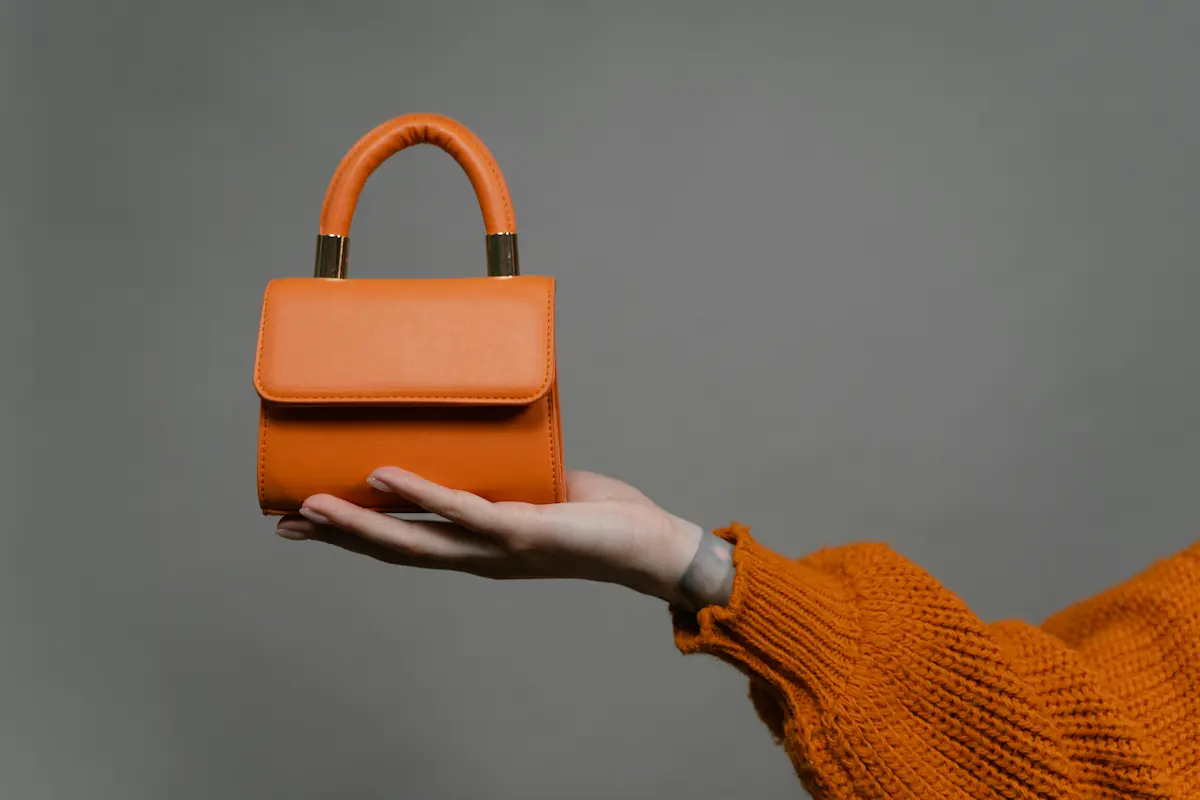
Finding the right leather conditioner for Hermès bags protects a five-figure investment. Your Birkin leather feels dry. Fine lines form near the handles. The color looks faded. Your instinct says moisturize. That instinct is correct. But reaching for the wrong product causes irreversible damage in seconds. What works on ordinary leather can stain, darken, or ruin Hermès leather permanently.
Hermès uses some of the finest leathers in the world. Togo. Clemence. Epsom. Swift. Box Calf. Each responds differently to conditioning products.
This guide covers exactly which conditioners are safe for Hermès leather, which leathers need what, how to apply product correctly, and the mistakes that send bags to restoration specialists every week.
Why Hermès Leather Needs Specific Conditioning
The leather on a $12,000 Birkin is not the same as leather on jackets or car seats. Hermès sources hides from specific tanneries in France. Each skin undergoes proprietary finishing processes that determine how it absorbs moisture and ages over time.
Table of Contents
Generic Products Cause Problems
Generic leather conditioners contain silicones, petroleum derivatives, or heavy waxes. These ingredients clog pores of delicate Hermès skins. They alter color permanently. They leave greasy film that attracts dirt.
Over-Conditioning Is Dangerous
Too much product saturates leather fibers, making them soft and prone to stretching. On structured bags like Birkin or Kelly, that means loss of shape. Loss of shape means loss of resale value.
The right conditioner applied sparingly keeps leather supple without compromising integrity.
Know Your Hermès Leather Type
Before opening any bottle, identify exactly what leather you own. Each Hermès skin has different tolerances.
Textured Leathers (Lower Risk)
Togo is soft pebbled grain from baby calfskin. Forgiving and scratch-resistant. Accepts conditioning well. Most common on Birkin bags.
Clemence has similar grain to Togo but heavier and softer. Tends to slouch more. Absorbs product quickly. Use less than you think.
Epsom features pressed rigid grain. One of the most resistant to conditioning because its surface is heavily treated. Rarely needs product at all.
Smooth Leathers (Higher Risk)
Box Calf is glossy, smooth, and extremely sensitive. Shows every scratch and water drop. Requires very light application and specific products.
Swift is soft, smooth, and lightweight. Absorbs conditioner rapidly. Darkens easily. Always test in hidden area first.
Barenia develops beautiful patina over time. Fairly resilient but darkens significantly with most conditioners.
Exotic Skins (Professional Only)
Crocodile, alligator, ostrich, and lizard require professional care only. Do not condition these at home. One wrong product causes scales to lift, colors to bleed, or textures to flatten permanently.
For detailed exotic skin care guidance, see our collector's guide to preserving crocodile and alligator leather.
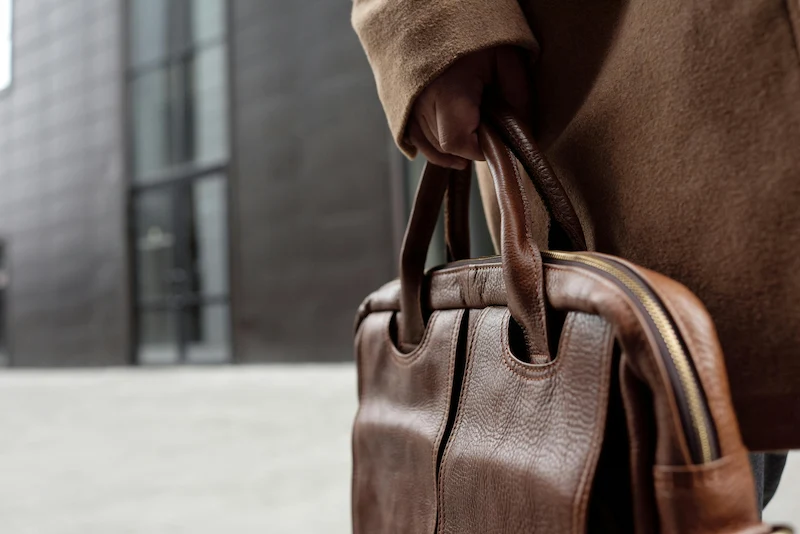
Best Leather Conditioners for Hermès Bags
A safe conditioner for Hermès leather must be pH-neutral, free of silicones and petroleum, lightweight, and unscented or naturally scented.
1. Saphir Renovateur
Price: $24-28 (75ml jar)
Best for: Togo, Clemence, Box Calf
Key ingredients: Mink oil, beeswax, lanolin
This is the gold standard among luxury leather care enthusiasts. Hermès artisans and high-end leather workers have used it for decades.
The formula nourishes without darkening most leathers. It cleans gently and leaves subtle natural sheen. For Togo and Clemence, it is nearly foolproof when used sparingly.
2. Collonil 1909 Supreme Crème De Luxe
Price: $18-22 (100ml tube)
Best for: Togo, Clemence, Swift
Key ingredients: Cedarwood oil, lanolin
Popular in European markets. Lighter than Saphir. Absorbs quickly. Works well on Swift leather where heavier products cause darkening.
The cedarwood oil base provides mild antibacterial protection. Excellent for light-colored bags where Saphir might cause subtle darkening.
3. Cadillac Select Premium Leather Lotion
Price: $10-20 (8oz bottle)
Best for: Togo, Clemence (budget option)
Key ingredients: Lanolin-based formula
Solid budget alternative for textured leathers. Absorbs cleanly without leaving residue. Works well for regular maintenance between deeper conditioning sessions.
Not recommended for smooth leathers like Box Calf or Swift. Save this for your more forgiving Togo and Clemence bags.
4. Leather Honey Leather Conditioner
Price: $20-40 (8oz bottle)
Best for: Togo, Clemence
Key ingredients: Natural oils, no silicone
Popular choice among handbag collectors. Absorbs slowly and deeply. One application lasts longer than most alternatives.
Use very sparingly. This product is concentrated. A small amount covers an entire bag. Test on darker leathers first before using on light colors.
How to Condition Your Hermès Bag Safely
Follow these steps for safe, effective conditioning.
Step 1: Clean First
Wipe the bag gently with soft dry microfiber cloth to remove surface dust. Never condition over dirt. You will grind particles into the leather.
Step 2: Test in Hidden Spot
Apply tiny amount of conditioner to the bottom of bag or inside flap. Wait 20 minutes. Check for color change, darkening, or residue. If everything looks good, proceed.
Step 3: Apply Sparingly
Dab pea-sized amount onto clean soft cloth. Not directly onto leather. You can always add more. You cannot remove excess already absorbed.
Step 4: Work in Small Circles
Gently massage conditioner into leather using light circular motions. Cover one panel at a time. Do not scrub.
Step 5: Let It Absorb
Set bag aside for 15 to 30 minutes in cool dry area away from direct sunlight. Let leather absorb product naturally.
Step 6: Buff Gently
Use fresh dry microfiber cloth to lightly buff surface. This removes remaining residue and brings up soft natural glow.
Conditioning Frequency
Togo and Clemence need conditioning every 6 to 12 months.
Box Calf dries out faster. Condition every 4 to 6 months.
Swift needs conditioning every 8 to 12 months.
Epsom rarely needs conditioning at all due to treated surface.
For bags in storage, condition lightly before putting away and again when bringing back out.
Products and Ingredients to Avoid
These products damage Hermès leather permanently.
The Blacklist
Baby wipes contain alcohol, fragrances, and detergents that strip leather finishes. Never use them.
Olive oil and coconut oil go rancid over time. They attract bacteria and darken leather unevenly.
Household cleaners like Windex destroy dye and finish on contact.
Leather conditioners with silicone create surface coating that prevents leather from breathing.
Pure heavy mink oil is too heavy for most Hermès leathers. Causes significant darkening on light colors.
Saddle soap is far too aggressive for luxury bag leather. Designed for equestrian tack that endures rough conditions.
Light Color Warning
If you own Hermès bag in light color like Craie, Nata, Blanc, or Rose Sakura, proceed with extreme caution. Light leathers show every product interaction.
Even Saphir Renovateur can cause subtle darkening on very pale skins. For light colors, Collonil 1909 is the safer choice. Always test first.
Care Tips for Hermès Owners
These habits extend time between conditioning sessions.
Store Properly
Stuff bag with acid-free tissue paper. Proper storage reduces conditioning frequency because leather retains moisture and shape between uses.
Avoid Hardware
Keep conditioner away from turn locks, buckles, and feet. Product buildup around hardware causes tarnishing and gummy residue. Use cotton swab to clean around hardware after conditioning.
Never Condition in Sunlight
Heat causes product to absorb unevenly. It can bake residue into leather surface.
Rotate Your Bags
Bag worn daily dries out faster than one used weekly. Rotation extends time between conditioning sessions.
Do Not Condition to Fix Scratches
Light surface scratches on Togo and Clemence often buff out with dry cloth and warmth of fingertip. Conditioner can make scratches more visible.
Track Your Schedule
Keep simple note in phone. Which bag. What product. What date. Over-conditioning happens when you lose track.
Frequently Asked Questions
Will leather conditioner darken my Hermès bag?
It can, especially on light-colored or smooth leathers like Swift and Barenia. Always test in hidden area first and apply minimally. Textured leathers like Togo are more forgiving.
How often should I condition my Birkin?
For Birkin in regular use, every 6 to 12 months is typically sufficient. Box Calf may need attention every 4 to 6 months. Epsom rarely needs conditioning at all.
Is Saphir Renovateur safe for Hermès leather?
Yes. It is widely regarded as one of the safest and most effective products for Hermès Togo, Clemence, and Box Calf leathers. Use sparingly and test first on lighter colors.
Should I condition my Hermès bag before storing it?
Yes. Light conditioning before long-term storage prevents leather from drying out. Stuff bag with acid-free tissue, place in dust bag, and store in cool dry environment.
Can Hermès repair damage from wrong products?
Sometimes. Hermès spa service can address some conditioning damage, color fading, and surface issues. However, severe darkening, dye bleeding, or leather saturation may be permanent.
Is it safe to condition exotic Hermès leathers at home?
No. Crocodile, alligator, ostrich, and lizard require professional care. Home conditioning risks scale damage, color bleeding, and texture changes that may be impossible to reverse.
Final Thoughts
Choosing the right leather conditioner for Hermès bags means understanding your leather type and using proven products sparingly.
Saphir Renovateur and Collonil 1909 cover most situations safely. Cadillac Select and Leather Honey offer budget-friendly alternatives for textured leathers. For exotic skins or serious damage, professional service is the only responsible choice.
Condition sparingly. Test religiously. Keep track of applications. Your bag was built to last decades. The right care routine ensures it actually does.
Your Hermès deserves the same care that went into making it.
Editorial Notice
This article discusses high-value luxury purchases for informational purposes only. Prices, resale values, and brand availability may change. The Pristine Vault does not provide financial or purchasing advice. Always conduct your own research before making significant purchases.