Mastering fine jewelry care and preservation is the difference between pieces that appreciate over generations and ones that need costly restoration within a decade.
Your grandmother's diamond ring sits in a drawer. You wear it occasionally but haven't cleaned it properly in years. The stones look dull. The gold seems darker than you remember.
Or maybe you inherited pearl earrings that now have a yellowish tint. You're not sure what happened — they were beautiful when you received them.
These scenarios play out constantly. A collector I know stored her entire jewelry collection in one large box. Pieces scratched each other. Chains tangled. Her sapphire ring scratched her pearl pendant permanently. The repair bill? Over $2,400.
Fine jewelry isn't like other possessions. Different metals react differently to chemicals. Certain gemstones can't handle water. Some stones fade in sunlight. Others crack from temperature changes.
This comprehensive guide covers everything you need to know about caring for gold, platinum, diamonds, pearls, and precious gemstones.
You'll learn the exact cleaning methods jewelers use, which products are safe for which materials, and how to store pieces properly for decades.
Not all jewelry responds to the same care. Using the wrong product on the wrong material causes permanent damage.
Gold Jewelry (10K, 14K, 18K, 24K)
Gold doesn't tarnish in its pure form. But most gold jewelry isn't pure gold.
10K gold contains 41.7% gold. More durable but tarnishes faster due to higher metal alloy content.
14K gold contains 58.3% gold. Most common for everyday jewelry. Balances durability with gold content.
18K gold contains 75% gold. Richer color, softer metal, less tarnish-prone than lower karats.
24K gold is pure gold. Very soft, rarely used for jewelry. Almost never tarnishes.
The copper, silver, and zinc mixed with gold cause tarnishing. Lower karat gold tarnishes faster because it contains more reactive metals.
When gold jewelry turns dark or leaves marks on skin, you're seeing the alloy metals reacting with your body chemistry and environment. This isn't a quality issue — it's simple chemistry.
Platinum doesn't tarnish. Period. It's one of the most stable precious metals.
However, platinum scratches more easily than gold. Every scratch moves metal rather than removing it — this creates the "patina" platinum develops over time.
Some people love platinum patina. Others prefer the original polish. Either way, platinum requires different care than gold.
Silver tarnishes readily. The black buildup you see is silver sulfide forming when silver contacts sulfur compounds in air, food, cosmetics, and your skin.
Silver requires more frequent cleaning than gold but responds well to simple methods.
The next section covers the mistake most people make at this stage.
Cleaning Methods by Material Type
Wrong cleaning methods destroy jewelry faster than neglect does.
Safe Cleaning for Gold and Platinum
What you need:
Warm (not hot) water
Mild dish soap (Dawn or similar)
Soft-bristled brush (baby toothbrush works perfectly)
Lint-free cloth
The process:
Mix a few drops of soap in warm water
Soak jewelry for 15-20 minutes
Gently brush settings, crevices, and backs of stones
Rinse under warm running water
Pat dry immediately with lint-free cloth
Air dry completely before storing
Never use hot water on jewelry with glued settings. Heat softens adhesive and can loosen stones.
For stubborn buildup between prongs and in detailed settings, a professional-grade jewelry brush reaches areas regular toothbrushes miss.
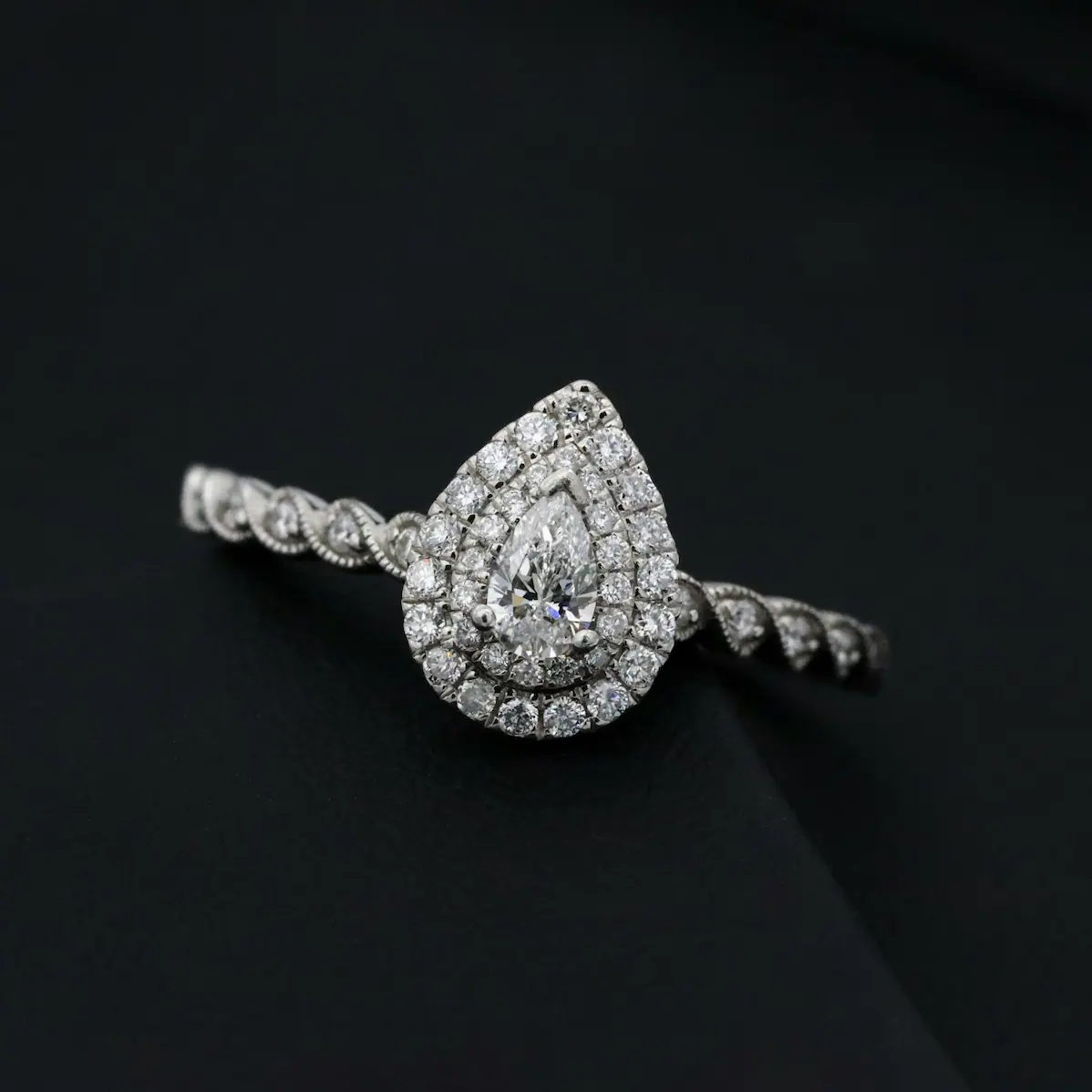
Diamonds are hard but not indestructible. They can chip if struck at wrong angles. More commonly, oils and lotions build up behind stones, blocking light and making diamonds look dull.
The soap-and-water method works well for diamonds. For heavily clouded diamonds, add 1-2 drops of ammonia to the cleaning solution for extra cutting power.
Never clean diamonds:
In chlorine bleach (damages metal settings)
With ultrasonic cleaners if the stone has inclusions (vibration can worsen fractures)
With harsh scrubbing (settings can loosen)
After cleaning, hold diamonds up to light. You should see brilliant sparkle. If stones still look cloudy, professional cleaning may reveal hidden issues.
Safe Cleaning for Pearls
Pearls require completely different treatment than other gemstones. They're organic — created by living creatures. Chemicals that are safe for diamonds will destroy pearls.
What damages pearls:
Soap (dulls the nacre)
Acids (dissolves the surface)
Alcohol (dries and cracks)
Ultrasonic cleaners (shatters nacre structure)
Perfume and hairspray (chemical damage)
Safe pearl cleaning:
Simply wipe with a soft, barely damp cloth after each wearing. That's it. Pearl care is about prevention, not deep cleaning.
But cleaning correctly is only half the battle — here's what to do for proper storage.
Professional Storage Techniques
How you store jewelry matters as much as how you clean it.
The Cardinal Rule: Separate Everything
Different jewelry hardnesses mean pieces scratch each other. Diamond will scratch everything else. Sapphires and rubies scratch most stones except diamonds. Emeralds and pearls scratch from almost anything.
Every piece needs its own compartment.
One collector stored her engagement ring (diamond) touching her pearl strand. After six months, the diamond had carved visible grooves into three pearls. Unrepairable. The pearls were vintage, inherited, irreplaceable.
Proper Storage Solutions
For everyday pieces: Use a jewelry organizer with individual padded compartments. Soft velvet or silk lining prevents scratching.
For valuable pieces: Each significant piece deserves its own box or pouch. Many fine jewelry purchases come with presentation boxes — keep and use them.
For diamond jewelry specifically: Diamonds need extra separation because they scratch everything, including other diamonds. Our guide on how to store diamond jewelry covers advanced protection strategies.
Environmental Factors
Humidity: Too humid causes tarnish. Too dry cracks organic gems like pearls and opals. Ideal range: 45-55% humidity.
Temperature: Avoid extremes. Never leave jewelry in hot cars or cold garages. Temperature swings stress settings and can crack certain stones.
Light: Extended light exposure fades some stones (amethyst, kunzite, topaz). Store valuable pieces in dark places.
Anti-tarnish strips absorb sulfur compounds that cause silver and low-karat gold to darken. Place them in your jewelry storage area and replace every 6-12 months.
Up next: the one habit that changes everything for long-term preservation.
Daily Habits That Protect Your Investment
Small daily choices compound into major differences over years.
The Last-On, First-Off Rule
Jewelry goes on last — after makeup, perfume, lotion, and hairspray. Jewelry comes off first — before showering, swimming, cleaning, or sleeping.
This single habit prevents 80% of common jewelry damage.
Why it works:
Lotions leave films that dull stones
Perfume alcohol damages pearls and some gemstones
Hairspray creates sticky buildup
Chlorine (pools and cleaning products) damages gold alloys
Soaps leave residue that traps dirt
A client wore her diamond ring while applying self-tanner daily. After two months, the diamond appeared almost yellow. Professional cleaning revealed it wasn't the stone — orange buildup had accumulated behind the setting. But the gold had permanently discolored from the chemicals.
Regular Inspection Routine
Once monthly, examine each piece you wear regularly:
Prong check: Look for bent or worn prongs. Wiggle stones gently — they shouldn't move.
Clasp check: Work clasps several times. They should snap closed firmly.
Chain check: Hold chains up to light. Look for weak links or kinks.
Stone check: Look for chips, scratches, or looseness.
Catching problems early prevents lost stones and expensive repairs.
Professional Cleaning Schedule
Even with perfect home care, schedule professional cleaning and inspection annually for valuable pieces.
Jewelers have ultrasonic cleaners and steamers that achieve deeper cleaning than home methods. More importantly, they check for structural issues invisible to untrained eyes.
Most jewelers offer free inspection and cleaning if you purchased from them. Take advantage of this.
The next section covers the mistake most people make at this stage.
Care for Special Circumstances
Certain situations require extra attention.
Traveling with Jewelry
Never pack fine jewelry in checked luggage. Always carry it on your person or in carry-on bags.
Use a travel jewelry case with individual compartments. Wrap pieces in soft cloth for extra protection. Consider photographing your jewelry before traveling for insurance documentation.
After Swimming or Exercise
Chlorinated pools and saltwater are extremely harsh on jewelry. Sweat contains acids and salts that accelerate tarnishing.
Remove jewelry before swimming or intense exercise. If you forget, rinse thoroughly with fresh water immediately after, then clean properly when you get home.
Heirloom and Antique Pieces
Antique jewelry often has fragile settings, old repairs, and stones cut to vintage standards. Handle with extra care.
Before cleaning any antique piece, consult a jeweler specializing in vintage jewelry. Some old stones are glued rather than set. Some antique settings are too fragile for standard cleaning methods.
Document antique pieces thoroughly — photograph from multiple angles, note any existing damage, and keep records of any professional work.
8 Quick Tips for Fine Jewelry Preservation (Most Owners Skip These)
Remove rings before washing hands. Soap residue builds up under stones faster than anywhere else.
Let lotion absorb for 10 minutes before putting on jewelry. Fresh lotion transfers to metal and stones immediately.
Store silver with chalk. A piece of white chalk in your jewelry box absorbs moisture and sulfur that causes tarnish.
Never sleep in jewelry. Body movement during sleep bends prongs, stresses chains, and can push stones against surfaces.
Use a designated dish for daily pieces. Having a specific place prevents jewelry from ending up near sinks or in pockets where it gets damaged.
Keep jewelry away from direct sunlight when storing. UV exposure fades certain gemstones over time.
Remove jewelry before applying hand sanitizer. Alcohol-based sanitizers are extremely harsh on gemstones and metals.
Have valuable pieces appraised every 3-5 years. Values change. Insurance should reflect current replacement cost.
⚠️ Pro Tip: For daily cleaning touch-ups between deep cleans, keep a jewelry polishing cloth in your jewelry storage. A quick buff after wearing removes oils before they build up.
Mistakes That Are Slowly Ruining Your Fine Jewelry
These common errors cause preventable damage:
Storing all jewelry together in one box. Pieces scratch each other constantly. Harder stones damage softer ones. Chains tangle and stress. Every piece needs its own space.
Using toothpaste to clean jewelry. This old myth persists despite being completely wrong. Toothpaste is abrasive — it scratches gold, silver, and soft gemstones. The damage is permanent.
Wearing jewelry in swimming pools. Chlorine attacks gold alloys and can permanently discolor white gold. It also weakens prongs and settings over time.
Cleaning pearls with jewelry cleaner. Products designed for diamonds and gold will destroy pearl nacre. Pearls need only a soft, damp cloth.
Using ultrasonic cleaners on everything. Ultrasonic waves can shatter emeralds, opals, pearls, and any stone with inclusions or fractures. They can also loosen glued settings.
Ignoring loose stones. A slightly loose stone becomes a lost stone. If you feel any movement when touching a stone, stop wearing the piece until a jeweler secures it.
Frequently Asked Questions
How often should I clean fine jewelry?
Clean pieces you wear daily every 1-2 weeks. Clean occasionally worn pieces before and after each wearing. Professional cleaning annually keeps jewelry in optimal condition.
Can I clean all my jewelry the same way?
No. Different materials require different methods. What's safe for diamonds may destroy pearls. What cleans gold may damage certain gemstones. Always identify materials before cleaning. For specific pearl care instructions, see our guide on how to clean pearl jewelry at home.
Is it safe to shower with jewelry?
Generally, no. Soap creates buildup. Hot water can loosen settings. Steam and humidity accelerate tarnishing. Remove jewelry before showering for best preservation.
How do I prevent gold from tarnishing?
Lower-karat gold (10K, 14K) will tarnish due to alloy metals. Remove jewelry before contact with lotions, perfumes, and sweat. Store in anti-tarnish pouches. Clean regularly. Apply thin layer of clear nail polish to non-visible areas for extra protection.
Why does my diamond look cloudy?
Oils from skin, lotion residue, and soap buildup behind the stone block light. Clean thoroughly using the soap-and-water method. If cloudiness remains after cleaning, the stone may have internal cloudiness (milky inclusions) or damage requiring professional evaluation.
How should I store jewelry when traveling?
Use a padded travel case with individual compartments. Never pack jewelry in checked luggage. Carry valuable pieces with you. Consider leaving irreplaceable heirlooms home.
Can damaged jewelry be repaired?
Most damage can be repaired by skilled jewelers. Bent prongs straighten. Lost stones replace. Chains re-link. However, some damage — deep scratches on soft stones, cracked pearls, broken antique settings — may be permanent or extremely costly to repair.
Conclusion
Proper fine jewelry care and preservation comes down to three core principles: clean appropriately for each material, store pieces separately, and handle with daily mindfulness.
Learn which cleaning methods are safe for your specific pieces. Never store jewelry touching each other. Make "last on, first off" an automatic habit.
These practices aren't difficult. But they separate collectors who pass down pristine heirlooms from those who watch treasures deteriorate into repair projects.
For maintaining multiple pieces with consistent care, keeping quality supplies accessible makes the difference. Most collectors trust a single all-purpose cleaner for their gold and platinum collection alongside separate products for delicate gems.
Now it's your turn — examine your storage setup this week and separate any pieces currently touching. Your fine jewelry collection will thank you for it.