Hermès Leather Guide: Maintenance Protocols for Togo, Clemence, and Epsom
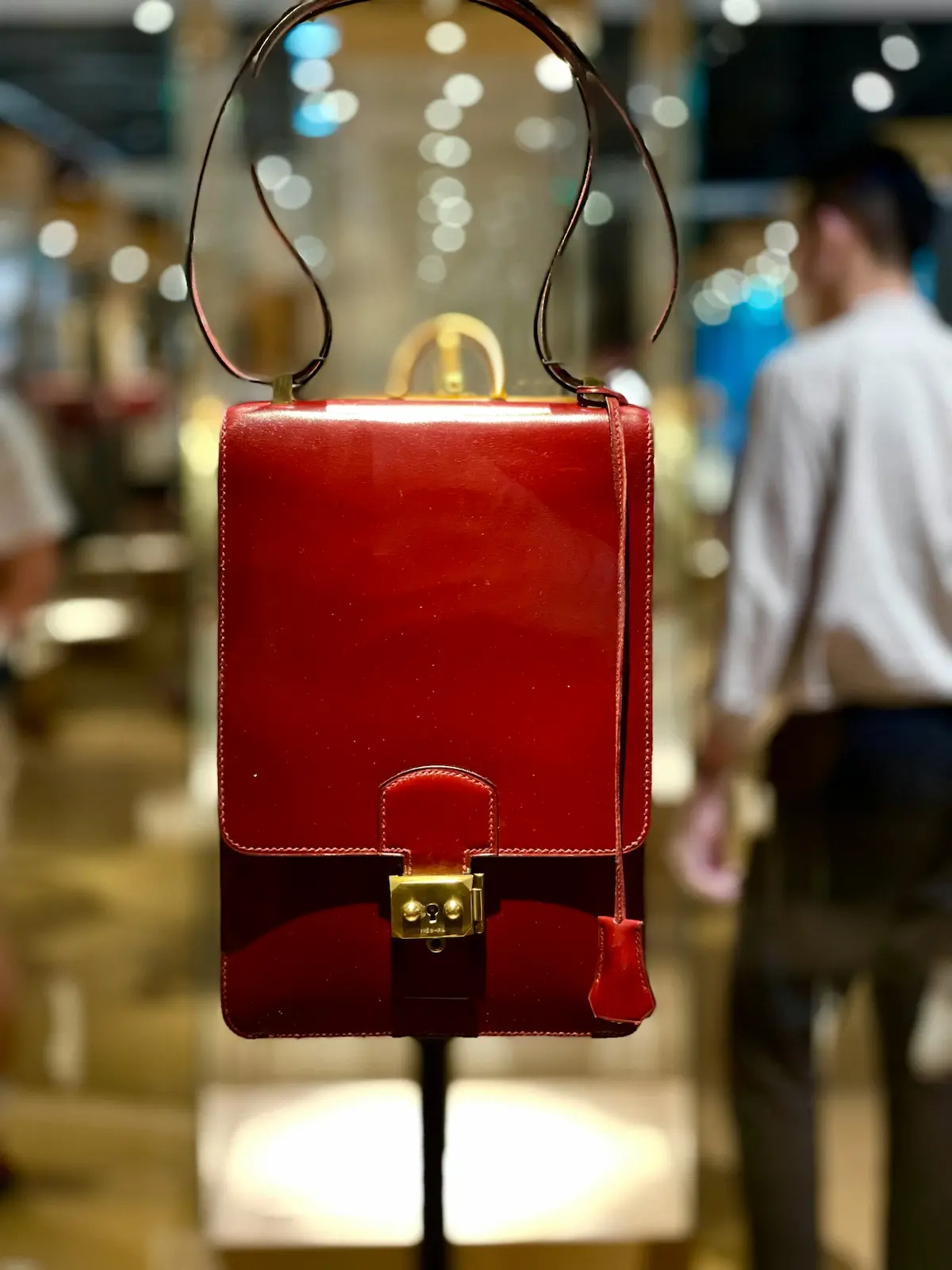
The maintenance of Hermes leathers includes applying a pH, neutral conditioner onto the ‘Evercolor’ and ‘Togo’ skins and using only the dry, wipe procedure on the ‘Epsom’ skin to retain its heat, pressed grain. Care must be taken not to over, condition ‘Clemence’ leather as the high protein content of this skin is susceptible to slumping and ‘permanently slack’ skin due to excessive saturation of the internal fibers.
The price for “doing nothing” when selecting the right Hermes leather guide for your bag is structural destruction, and slathering on “heavy oil” onto a tender “Box Calf” bag will immediately darken the coloring and immediately devalue a vintage Birkin by over 40%.
Whether in the controlled climate of Manhattan or the humidity of Singapore, each hide reacts in its own individual way to environmental stresses. Knowledge of the Material Science of these leathers is not just for restorers, it is the first line of defense for any collector hoping to protect the “Quiet Luxury” investment of their collection..
Table of Contents
The Science of Hermès Skins
Hermes use different types of tanning to create textures in leather, most commonly Chrome Tanning and Vegetable Tanning. Togo leather is baby calfskin that has been “tumbled” so the grain comes to the forefront; it has lots of vertical fibers in the leather (Collagen fibers).
Conversely, Epsom is a ‘Pressed Grain’ leather. It is subjected to a process of high temperature mechanical embossing to deform the Protein Lattice of the hide; consequently it is very firm and very Hydrophobic.
As Epsom is a “corrected grain” with a synthetic coating, it does not “breathe” as Togo and therefore conditioners will simply lie on the surface and attract dirt rather than soaking into the Dermis.
Restoration Protocol: The Species - Specific Approach
Step 1: Identification and Surface Analysis
Before any treatment, identify the grain. Clemence (Taurillon Clemence) looks similar to Togo but has a flatter, larger grain and is significantly softer. It lacks the "veining" often seen in Togo. Understanding this prevents the error of using stiffening agents on a leather that is naturally designed to be supple.
WARNING / RED FLAG
Never apply a universal leather "balsam" to Hermès leathers. Many contain Petroleum Distillates or mink oils that break down the high-quality tannins used by the Hermès tannery (HCP), leading to a sticky surface or "Bleeding" of the dye.
Step 2: Hydration for Natural Grains ( Togo & Clemence )
For Togo and Clemence, use a high-purity Lanolin-based cream. Apply a pea-sized amount to a chamois cloth and work it into the grain using circular motions. This replenishes the Lipids lost to air conditioning and dry climates, preventing the "Micro-Cracking" common in high-wear areas like the corners.
WARNING / RED FLAG
Do not over-condition the "Spine" or the base of a Clemence bag. Over-hydration weakens the fiber bonds, causing the bag to lose its "Stance" and develop a permanent slouch that even professional "spa" treatments cannot fully fix.
Step 3: The "Dry-Clean" Protocol for Epsom
Because Epsom is a heat-pressed, resin-finished leather, it requires almost no moisture. Use a clean, dry Microfiber Cloth to buff away dust. If a stain occurs, use a damp cloth with distilled water only. The resin coating acts as a barrier that protects the inner fibers but makes the leather sensitive to chemical solvents.
WARNING / RED FLAG
Never use a leather "cleaner" on Epsom. The solvents in the cleaner can dissolve the resin top-coat, leading to a "matte patch" that destroys the signature Epsom sheen.
Step 4: Storing "Box Calf" ( The Heritage Finish )
Box Calf is the most sensitive Hermès leather. It is a "Smooth Grain" that develops a Patina through a process called "Glazing." Store Box Calf in a dust bag with zero pressure on the surface. Even the light pressure of a strap resting on the body can leave a permanent "Indentation" in the soft hide.
WARNING / RED FLAG
Avoid high-humidity storage for Box Calf. This leather is prone to "Blistering" when exposed to water, where the moisture gets trapped under the glazed surface, creating small, permanent bumps.
The Conservator's Matrix: Hermès Leather Care
Leather Type | Texture Type | Water Resistance | Maintenance Level | Conservator's Verdict |
Togo | Natural Grain | Medium | Moderate | The most resilient for daily use. |
Epsom | Pressed Grain | High | Low | Best for maintaining bag shape. |
Clemence | Flat Grain | Low | High | Prone to slouching; needs support. |
Box Calf | Smooth / Glazed | Very Low | Extreme | For "Investment" pieces only. |
Curated Maintenance Tools
1. The Gold Standard: Saphir Médaille d'Or Renovateur
A world-renowned cream based on mink oil and macadamia. Note: Use the "Neutral" version only to avoid altering the Hermès dye.
Why it works: It contains zero waxes that clog pores, allowing the Natural Tannins to remain breathable.
2. The Smart Value: Acid-Free Purse Pillows
Crucial for Clemence and Togo bags to prevent "Gravity Strain" during storage.
Why it works: They provide internal Structural Support, mimicking the weight of the bag's contents without stretching the leather.
3. The Specialist Tool: Horsehair Polishing Brush
Used for Togo and Clemence to reach into the deep valleys of the grain.
Why it works: The soft bristles generate enough Friction Heat to allow oils to penetrate without scratching the surface.

FAQ: Troubleshooting Hermès Leathers
Why is my Togo bag starting to smell like "vinegar"?
This is often a sign of Tannin Oxidation or a reaction to a cheap cleaning product. It could also indicate a fungal growth in the lining. Place an activated charcoal sachet inside and consult a professional.
Can "Rain Spots" be removed from Clemence?
If addressed immediately, yes. Gently "buff" the spot with a soft cloth to redistribute the moisture. If the spot has dried and left a "ring," it likely requires a professional Hermès Spa service for "Re-glazing."
Is it safe to use "Waterproof Sprays" on my Birkin?
Only if they are Fluorocarbon-free and specifically rated for luxury leathers. However, most conservators advise against them as they can alter the "Hand" (the feel) of the leather.
How do I fix a scratch on Epsom leather?
You cannot buff a scratch out of Epsom because the grain is embossed. A scratch is a physical tear in the resin. It requires a professional "Paint-Match" restoration.
What is "Veining" in Togo leather?
Veining is a natural characteristic of the hide. It is not a defect. In fact, many collectors prefer heavy veining as it proves the Authenticity and natural origin of the skin.
True stewardship of luxury assets involves both prevention and restoration. For those dealing with the aftermath of improper storage conditions, particularly regarding the delicate balance of coated canvas, we have documented the definitive professional method. Ensure your collection remains pristine by mastering the Louis Vuitton Mold Neutralization Guide
Don't leave your hard-earned assets vulnerable to theft or unforeseen loss. Discover our comprehensive guide on luxury asset insurance and documentation to ensure your collection is fully protected by law and policy