How to Care for Dooney & Bourke Vachetta Leather (Complete Guide)

The neglect of Florentine Vachetta is a costly oversight; once the natural tannins within the hide dry out, structural micro-cracking occurs, permanently devaluing the asset by nearly half its secondary market price.
For the collector navigating the high-salinity air of London or the fluctuating humidity of a New York apartment, environmental stressors act as a constant catalyst for material degradation.
Without a disciplined preservation protocol, the supple grain of your investment will transform from a storied patina into a brittle, irreparable relic.
In this guide, we'll walk you through how to clean Vachetta leather and keep your Dooney & Bourke looking pristine for years.
Table of Contents
The Material Science of Tuscan Vachetta
Florentine leather is a pinnacle of vegetable tanning, a process where raw bovine hides are treated with organic tannins derived from bark and plant matter.
Unlike chrome-tanned leathers used in mass-market goods, Vachetta remains "naked." This means the dermis lacks a synthetic polymer topcoat, leaving the pores open and the fiber structure exposed.
The beauty of this material lies in its ability to undergo a healthy oxidation process, popularly known as "patina." However, this same porosity makes it a magnet for hydrophilic damage.
Water molecules penetrate the grain and, upon evaporation, pull out the natural oils (lipids) that keep the leather supple.
In urban environments, airborne pollutants and acidic rain accelerate this depletion, leading to "spewing"—a white, salty residue that signals a critical loss of internal lubrication.
The Restoration and Maintenance Protocol
Step 1: Mechanical Debridement
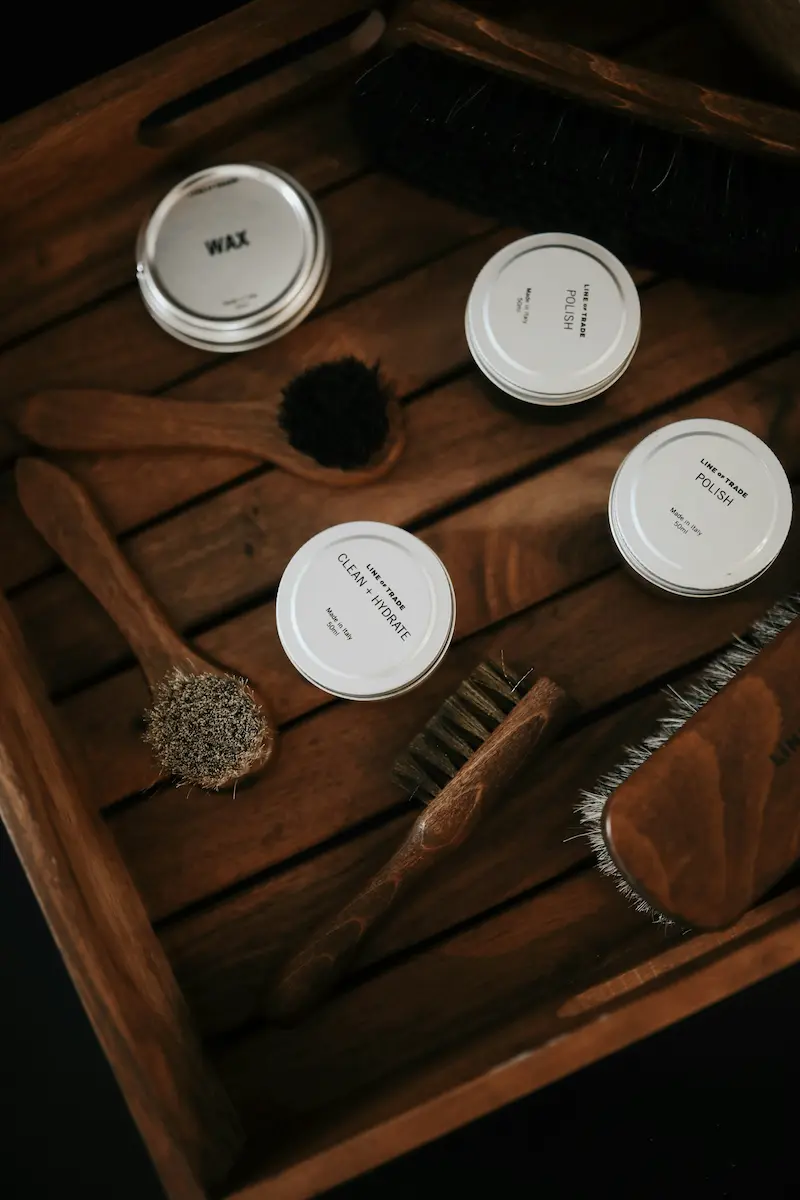
Before applying any chemical agent, you must remove surface particulates. Use a 100% horsehair brush to sweep the grain in short, firm strokes. This prevents dust from being pushed deeper into the pores during the conditioning phase.
WARNING / RED FLAG: Never use synthetic nylon brushes or colored microfiber cloths. Synthetic bristles can create micro-abrasions on the delicate grain, while cheap dyes in cloths may migrate into the porous Vachetta.
Step 2: Lipid Replenishment (Conditioning)
Apply a thin layer of a water-based, pH-neutral conditioner using a clean, white cotton cloth. Work in circular motions, focusing on high-friction areas such as handles and corners where the leather’s natural oils are most frequently stripped by skin contact.
WARNING / RED FLAG: Avoid conditioners containing mink oil or heavy waxes. These agents create an occlusive seal that suffocates the leather, leading to a dull, "muddy" appearance and preventing the development of a genuine patina.
Step 3: Hydrophobic Shielding
Once the conditioner has fully absorbed (approximately 20 minutes), apply a fluorocarbon-free water and stain repellent. This creates a microscopic surface tension that forces liquid to bead rather than soak into the corium.
WARNING / RED FLAG: Do not use aerosol sprays containing alcohol. Alcohol is a powerful solvent that dissolves the very tannins that give Florentine leather its structural integrity and rich color.
Step 4: Internal Buffing and Friction Heat
The final step involves a vigorous buff with a clean cloth. The friction generates a mild heat that helps the remaining oils penetrate deeper into the fiber bundles, ensuring the leather remains soft from the inside out.
WARNING / RED FLAG: Never use a hair dryer or any artificial heat source to "speed up" the process. Forced heat causes the fibers to shrink and harden, resulting in permanent warping.
The Conservator's Matrix: Maintenance Comparison
Method | Cost Efficiency | Risk Level | Time Required | Conservator's Verdict |
High | Low | 15 Minutes | The Gold Standard for longevity. | |
Commercial Leather Wipes | Moderate | High | 2 Minutes | Avoid; contains damaging alcohols. |
Professional Restoration | Low | Low | 7-14 Days | Recommended for deep structural tears. |
Home "Olive Oil" Hack | Very High | Critical | 5 Minutes | Disaster; causes rancidity and rot. |
Curated Chemical Solutions
To maintain the archival quality of your collection, we recommend the following categories of products based on their chemical composition:
The Gold Standard (Professional): Bickmore Bick 4
This formula is widely utilized in the horological and equestrian worlds because it is free from wax and silicone.
It focuses on replenishing the lipid profile of the leather without altering the pH or darkening the hide excessively. It is the safest choice for maintaining the "original" look of Florentine Vachetta.
The Smart Value: Lexol Step 2
Lexol utilizes an aqueous emulsion of oils that are chemically modified to penetrate the dermis efficiently.
It is a workhorse product that provides consistent results for larger collections, ensuring the fibers remain lubricated against the friction of daily use.
The Specialist Tool: Apple Brand Garde
This is a non-silicone-based protector. It is engineered to provide hydrophobicity without forming a plastic-like film. This allows the Vachetta to breathe—a vital requirement for any leather that is expected to age gracefully over a decade or more.
FAQ: Troubleshooting the Vachetta
What if my bag develops dark spots after contact with rain?
This is a result of localized tannin migration. Do not attempt to "spot clean." Instead, dampen a cloth with distilled water and wipe the entire panel seam-to-seam.
This equalizes the moisture level across the surface, allowing it to dry uniformly and rendering the spot invisible.
Why is my Florentine leather turning a deep cognac color?
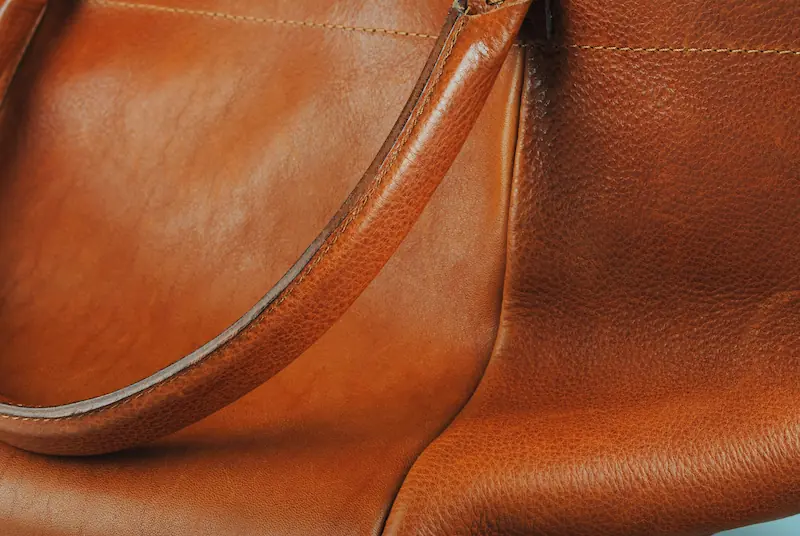
This is the patina process, a chemical reaction between the tannins and UV light. It is not damage; it is the maturation of the material.
To slow this process, store the bag in a cool, dark environment, but never attempt to "bleach" or reverse it, as this destroys the hide's proteins.
How do I remove denim dye transfer from the grain?
"Crocking" or dye transfer is difficult due to the absorbent nature of Vachetta. Use a dedicated leather gum eraser specifically designed for suede or naked leathers. Rub gently to lift the pigment from the surface.
If the dye has reached the dermis, professional intervention is required to avoid stripping the leather's natural color.
The Professional Environment: Storage
In the climate-controlled environments of New York and London, the greatest threat is often the air conditioning or central heating, which acts as a desiccant.
Always store your Dooney & Bourke in its original cotton dust bag.
Avoid plastic bins or non-breathable covers, which can trap ambient moisture and trigger fungal growth (mold).
For optimal preservation, stuff the bag with acid-free tissue paper to maintain its silhouette and prevent permanent creasing of the fiber structure.
With the right Dooney & Bourke leather care routine, your bag can last decades without losing its beauty.
Secure Your Investment Beyond Maintenance" "While professional cleaning and physical protection are vital, the ultimate safeguard for any high-value collection is a robust insurance policy.
Don't leave your hard-earned assets vulnerable to theft or unforeseen loss. Discover our comprehensive guide on luxury asset insurance and documentation to ensure your collection is fully protected by law and policy.