How to Clean a Rolex Watch at Home Safely
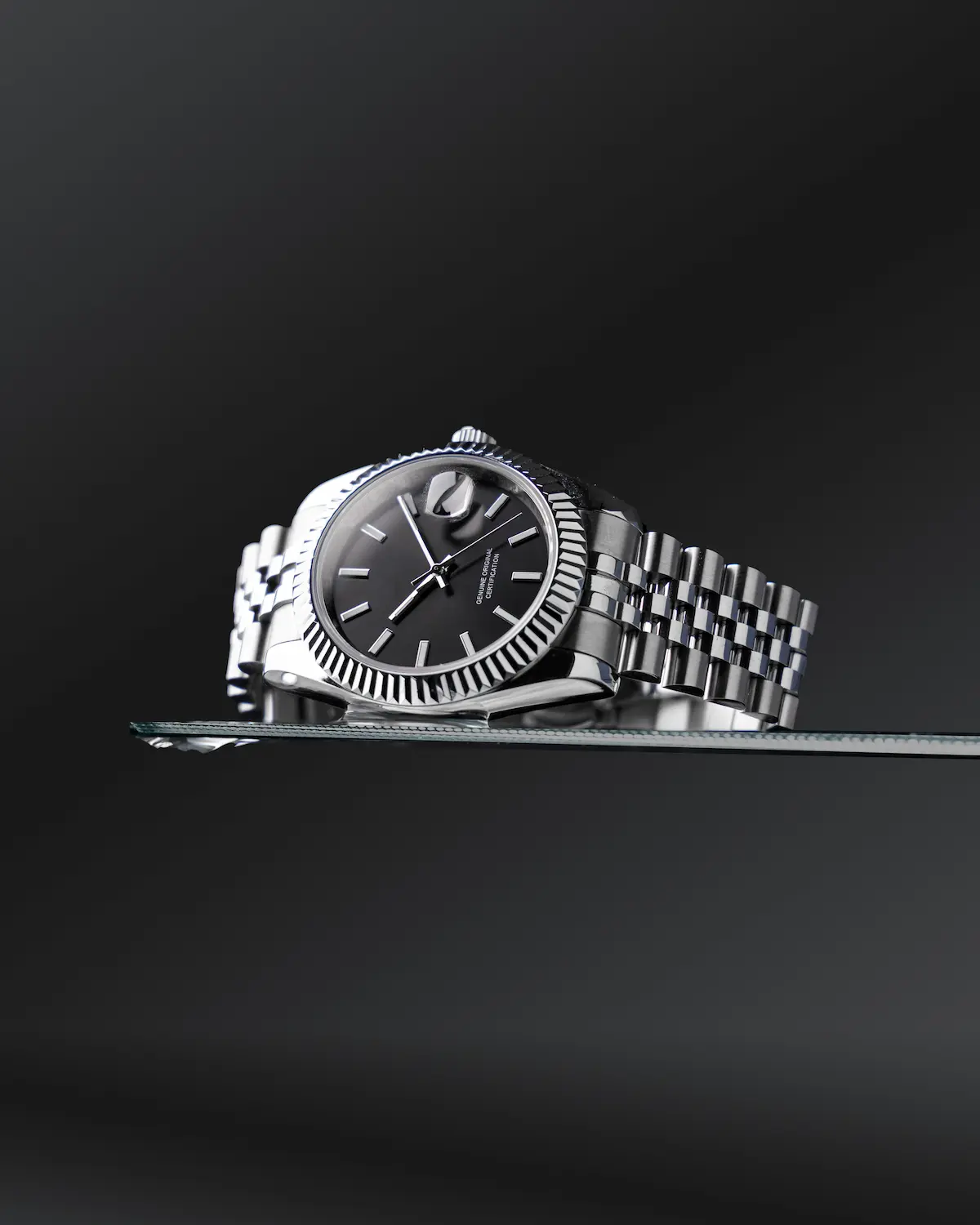
Knowing how to clean a Rolex watch at home safely protects both its appearance and its value. Your Rolex is a precision instrument built to last generations. Regular cleaning at home keeps it gleaming between professional services and prevents the buildup that quietly damages even the finest Swiss steel over time.
Most Rolex owners fall into one of two camps. Those who never clean their watch. And those who clean it wrong.
Both approaches cause problems.
Sweat, skin oils, soap residue, and everyday grime collect in bracelet links and case edges faster than you expect. Left alone, this buildup corrodes metal and dulls finishes. Cleaned incorrectly, you risk scratching polished surfaces or damaging water resistance seals.
The good news? With the right technique and simple tools, you can safely refresh your Rolex at home without visiting a jeweler.
What You Need Before Starting
Gather your supplies before touching your Rolex with anything wet. Using wrong materials even once can scratch brushed surfaces or compromise the crown seal.
Table of Contents
- What You Need Before Starting
- Check Water Resistance First
- Cleaning the Case and Bracelet Step by Step
- Cleaning the Crystal and Bezel
- Drying and Polishing
- What to Clean and What to Avoid
- Ongoing Maintenance Tips
- Frequently Asked Questions
- Can I use an ultrasonic cleaner on my Rolex at home?
- How often should I clean my Rolex at home?
- Can I clean the dial itself?
- Is it safe to clean a Rolex on a leather strap?
- Will cleaning at home void my Rolex warranty?
- What cloth works best on a Rolex?
- Can I use jewelry cleaning solutions from department stores?
- Final Thoughts
Your Cleaning Kit
Soft-bristle toothbrush. Use an unused baby toothbrush. The bristles are gentle enough for polished steel.
Lukewarm water. Never hot. Heat can damage gaskets and seals.
Mild dish soap. One small drop of Dawn or similar. Nothing antibacterial or heavily fragranced.
Lint-free microfiber cloth. Essential for drying and polishing without scratches.
Small bowl or clean sink. For mixing your cleaning solution.
Wooden toothpick. Optional. Useful for removing grime from tight bracelet links.
What to Avoid
Skip anything abrasive. Paper towels scratch. Rough cloths leave marks. Household cleaners contain chemicals that damage finishes and seals.
Your Rolex has both satin and polished surfaces. They scratch more easily than most owners realize.
Check Water Resistance First
This step matters more than most people realize. Skipping it can result in moisture damage that costs thousands to repair.
Know Your Model Rating
Most modern Rolex sports models handle light rinsing without issues. The Submariner, Sea-Dweller, and Explorer II are rated to 100 meters or more. The Datejust and Day-Date also carry 100-meter ratings.
These watches can handle careful home cleaning with water.
When to Skip Water Entirely
Vintage Rolex watches from before the 1990s need extra caution. Same applies if your crown shows damage or your watch has not been serviced in over five years.
Gaskets degrade over time. They may no longer seal properly even if the watch once handled water perfectly.
For these watches, use a barely damp cloth only. No submersion. No running water.
If you are unsure about your watch's current water resistance, any authorized Rolex dealer can pressure-test the seals during routine inspection. Most do this at no charge.
Cleaning the Case and Bracelet Step by Step
This is the core of how to clean a Rolex watch at home safely. The sequence matters.
Step 1: Secure the Crown
Before any water contact, screw the crown down firmly. This is non-negotiable.
A loose or pulled-out crown is the most common entry point for moisture damage. One careless rinse with an open crown can destroy the movement.
Step 2: Prepare Your Solution
Fill a small bowl with lukewarm water. Add one small drop of dish soap. You want a light surfactant to cut through oil and grime. Not a bubble bath.
Step 3: Brush Gently
Dip your soft toothbrush into the soapy water. Gently scrub the bracelet links, case sides, and lugs. The lugs are the parts connecting the bracelet to the case. Grime loves hiding there.
Use light circular strokes. Do not force bristles into the crown or any pushers.
Step 4: Rinse Carefully
Hold the watch under a gentle stream of lukewarm tap water. Fifteen to twenty seconds is enough. The goal is flushing soap away, not blasting the watch.
Avoid high-pressure spray. Direct jets can force water past compromised seals.
Cleaning the Crystal and Bezel
The Crystal
Whether your Rolex has sapphire or acrylic crystal, a damp microfiber cloth handles the job perfectly.
Wipe in one direction rather than circular motions. This prevents micro-scratches from any trapped dust particles dragging across the surface.
The Bezel
Ceramic bezels on modern Submariners and GMT-Masters resist scratches extremely well. However, they attract fingerprints constantly. A light pass with the soft brush removes oils without issue.
Older aluminum bezels require gentler treatment. The anodized surface can fade with aggressive scrubbing. Stick to the damp cloth method for vintage bezels.
Drying and Polishing
Drying is where most people get careless. Rushing this step leaves water spots and risks moisture sitting in bracelet links.
Proper Drying Technique
Pat the watch dry with a clean microfiber cloth. Do not rub. Rubbing can drag particles across polished surfaces.
Let the watch air dry on a clean towel for fifteen to twenty minutes before wearing or storing. Water hides in the bracelet clasp and between links. Give it time to evaporate completely.
Final Polish
Once completely dry, a light buff with a dry microfiber cloth restores shine on polished surfaces. Avoid buffing brushed surfaces. The directional grain should not be disturbed.

What to Clean and What to Avoid
Safe to Use
Lukewarm water works perfectly for rinsing.
Mild dish soap cuts through oils without damaging seals.
Soft baby toothbrush reaches into bracelet links safely.
Microfiber cloth dries and polishes without scratching.
Wooden toothpick removes stubborn grime from tight spaces.
Never Use
Hot water or steam damages gaskets and can fog crystals.
Bleach, ammonia, or vinegar corrode metal and destroy seals.
Hard-bristle brushes scratch polished and brushed finishes.
Paper towels and tissues leave micro-scratches.
Metal picks or pins gouge bracelet links and case edges.
Ongoing Maintenance Tips
Cleaning your Rolex properly once means nothing if you neglect it afterward. Consistent small habits keep your watch looking freshly serviced year-round.
Clean After Every Swim
Salt water and chlorine corrode bracelet pins over time. A quick rinse with fresh water after ocean or pool exposure prevents long-term damage.
Wipe Down Daily
Ten seconds with a microfiber cloth after removing your watch each night makes a noticeable difference. Skin oils accumulate quickly. Daily wiping prevents buildup.
Do Not Neglect the Clasp
The deployment clasp collects dead skin and oils faster than anywhere else on the watch. Pay extra attention during cleaning sessions.
Schedule Professional Service
Home cleaning maintains appearance. It does not replace deep mechanical service and pressure testing. Rolex recommends professional service every five to ten years depending on usage. For guidance on long-term luxury watch care, see our guide on watches for inflation-proof portfolios.
Store Properly
A quality watch box or roll protects the bracelet from dust and prevents scratches. Proper storage keeps your Rolex looking freshly cleaned longer between wearings.
For a complete step-by-step maintenance system, grab our premium checklist collection
Frequently Asked Questions
Can I use an ultrasonic cleaner on my Rolex at home?
Professional watchmakers use ultrasonic cleaners in controlled settings with specific calibration. Home units can loosen adhesives, damage vintage dials, and stress bracelet pins. Skip it entirely.
How often should I clean my Rolex at home?
A light wipe-down after every wear is ideal. A full soapy-water clean every two to four weeks works for most wearers.
Can I clean the dial itself?
No. The dial should never be exposed to water or cleaning solutions at home. Dial contamination requires professional attention.
Is it safe to clean a Rolex on a leather strap?
Remove the leather strap before any water cleaning. Leather and moisture do not mix. Water causes cracking and deterioration within weeks.
Will cleaning at home void my Rolex warranty?
Gentle exterior cleaning as described here does not void your warranty. Opening the case or manipulating internal components is different. Leave that to professionals.
What cloth works best on a Rolex?
A clean, lint-free microfiber cloth is ideal. Avoid chamois leather and anything that feels even slightly rough.
Can I use jewelry cleaning solutions from department stores?
Most commercial jewelry cleaners contain ammonia or harsh solvents. These damage gaskets, discolor dials, and dull brushed finishes. Stick to mild dish soap and water.
Final Thoughts
Cleaning a Rolex at home safely comes down to three things. Right tools. Gentle touch. Knowing your limits.
Warm water, a soft brush, one drop of dish soap, and a microfiber cloth handle most of what your watch needs between professional services. That covers appearance and surface maintenance.
The rest belongs in the hands of an authorized Rolex watchmaker. Pressure testing, movement servicing, and deep polishing require specialized equipment and training.
Treat your watch the way it was built to be treated. It will reward you with decades of flawless performance and the kind of lasting brilliance that makes a Rolex worth every penny.
Don't leave your hard-earned assets vulnerable to theft or unforeseen loss. Discover our comprehensive guide on luxury asset insurance and documentation to ensure your collection is fully protected by law and policy