Archival Luxury Sneaker Maintenance: Preserving Deadstock Integrity
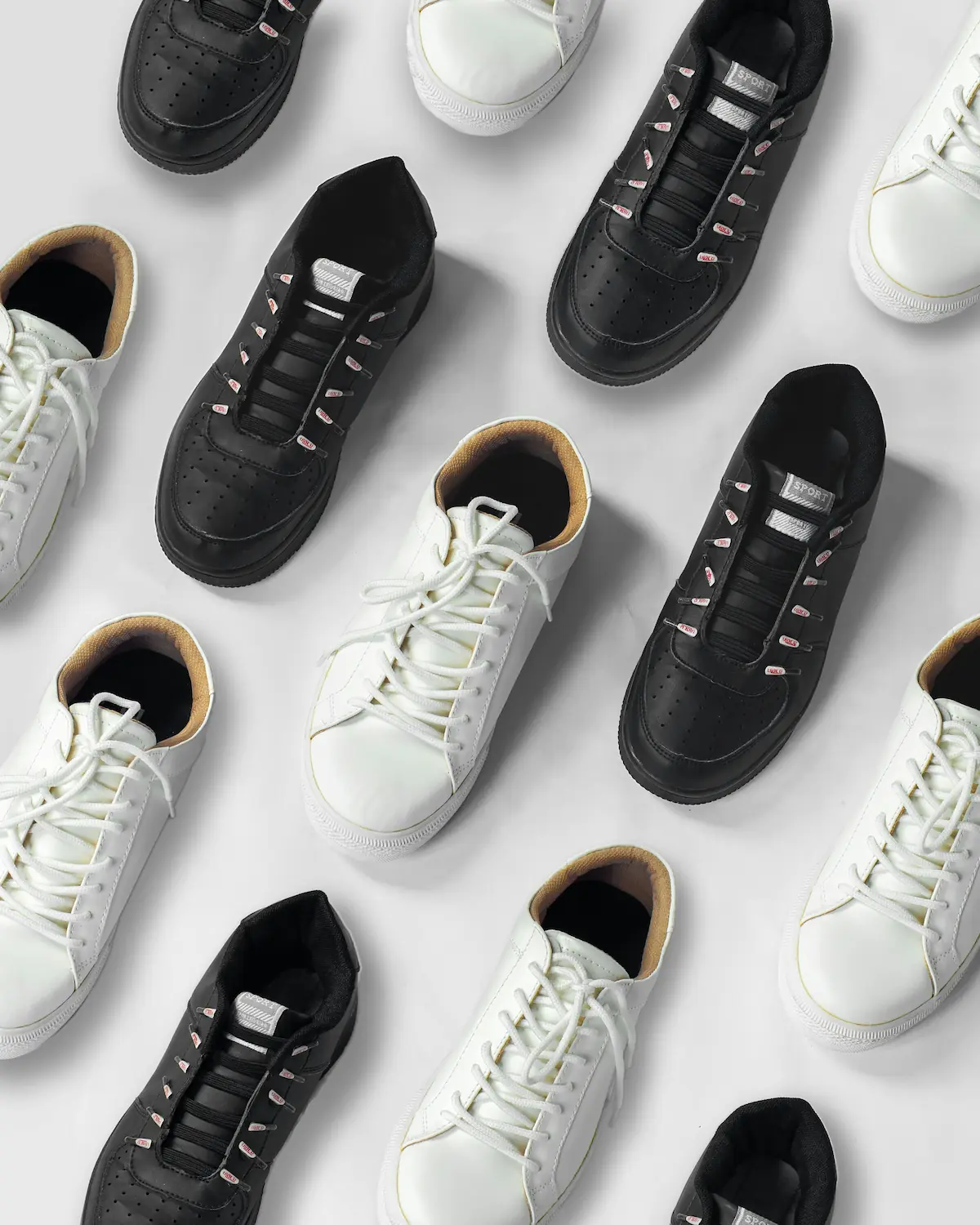
Preserve luxury sneakers by implementing a systematic cleaning routine using a specialized pH-neutral foam and maintaining structural form with cedar shoe trees.
Prevent mid-sole yellowing through "Icy Sole" de-oxidation treatments and store in UV-protected, ventilated acrylic containers. Avoid standard laundry detergents, which contain harsh surfactants that can degrade premium calfskin and technical mesh.
The cost of neglect in luxury sneaker maintenance is often a 60-70% drop in resale value; a single "yellowed" sole or a collapsed toe box can turn a $10,000 investment-grade pair into a "beater."
In the high-stakes collector circles of Tokyo, New York, and London, the term "Deadstock" is the ultimate standard of liquidity.
As atmospheric moisture and ultraviolet radiation threaten the chemical stability of technical rubbers and exotic leathers, the modern "Sneakerhead" must adopt an archival preservation protocol similar to that of a museum curator.
Table of Contents
The Science of Sneaker Decay: Hydrolysis and Oxidation
To protect high-end footwear, one must understand the chemical vulnerability of the Mid-sole. Most luxury trainers utilize Polyurethane (PU) or Ethylene-vinyl Acetate (EVA) for cushioning.
Over time, these polymers undergo Hydrolysis—a process where moisture from the air breaks the chemical bonds of the foam, leading to crumbling soles.
Furthermore, clear rubber outsoles (often called "Icy Soles") suffer from Oxidation. When exposed to oxygen and UV light, the chemical composition of the rubber shifts, resulting in a stubborn yellow tint.
On the upper, premium Full-grain Leather or technical fabrics like Alcantara are prone to "Fiber Fatigue," where constant bending without proper support creates permanent, deep creases that eventually lead to material cracking.
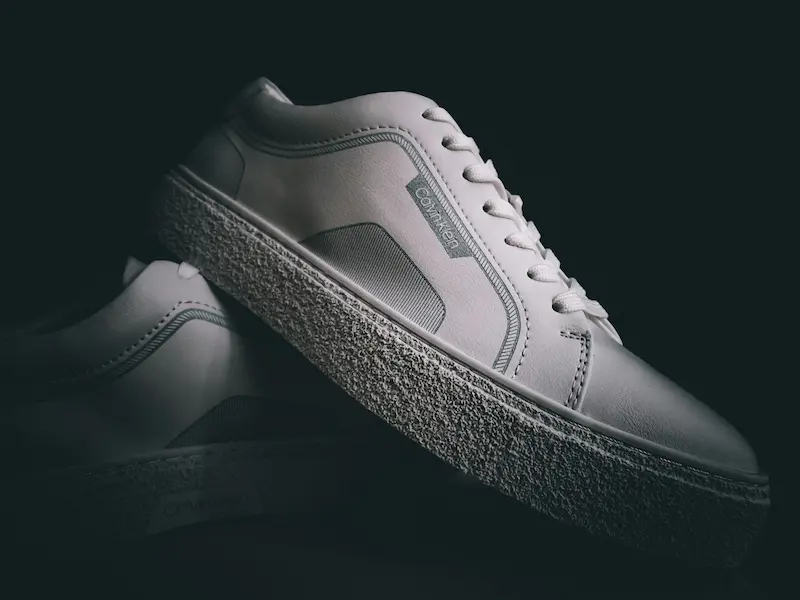
Restoration Protocol: The Deadstock Preservation
Step 1: Pre-Wear Nanotechnology Application
Before the first wear, apply a high-quality Fluorocarbon-free water and stain repellant. This creates an invisible, "breathable" barrier at the molecular level, increasing the Hydrophobicity of the surface.
This prevents liquid-borne dirt from penetrating the leather pores or mesh fibers.
WARNING / RED FLAG
Do not use generic aerosol sprays containing high concentrations of silicone. Silicone can "choke" premium leathers, preventing them from breathing and causing the material to dry out and lose its natural oils over time.
Step 2: Post-Wear Decontamination
After every wear, perform a "Surface Purge." Use a soft-bristled brush to remove dry particulates. For localized stains on technical mesh, use a pH-balanced cleaning foam.
The foam encapsulates the dirt via Micelles, allowing it to be wiped away without saturating the inner foam layers of the shoe.
WARNING / RED FLAG
Never submerge luxury sneakers in water or put them in a washing machine. The mechanical agitation and heat will dissolve the Adhesives holding the sole together and can cause leather panels to bleed color or shrink.
Step 3: Structural Stabilization (The Toe-Box Guard)
To combat "Fiber Fatigue," always insert Aromatic Cedar Shoe Trees immediately after wear. The wood absorbs residual foot moisture and provides the tension necessary to smooth out creases while the leather is still warm and pliable.
WARNING / RED FLAG
Avoid cheap plastic shoe trees for long-term storage. Plastic does not absorb moisture, and the lack of Air Circulation can foster an environment for "Bacterial Proliferation," leading to permanent odors and mold.
Step 4: UV and Humidity-Controlled Staging
Store your collection in UV-protected acrylic boxes. Light is the primary catalyst for the yellowing of white leathers and clear soles. Additionally, include a small Silica Gel packet (not touching the shoe) to maintain a stable humidity level of approximately 40%.
WARNING / RED FLAG
Do not store sneakers in their original cardboard boxes for decades. Cardboard is often acidic and can "off-gas" chemicals that accelerate the Yellowing of the glue and soles. Use archival-safe containers only.
The Conservator's Matrix: Sneaker Care Tools
Method / Product | Cost Efficiency | Risk Level | Use Case | Conservator's Verdict |
pH-Neutral Foam | High | Low | Regular Cleaning | Essential for material longevity. |
Cedar Shoe Trees | Medium | Low | Daily Shape Support | The Gold Standard for crease prevention. |
Sole Shields | Medium | Medium | Wear Protection | Great for keeping outsoles "Deadstock." |
Laundry Machine | Zero | Extreme | NEVER USE | Guaranteed structural damage. |
Curated Maintenance Tools
1. The Gold Standard: Jason Markk Premium Deep Cleaning Solution
A 98.3% natural, biodegradable cleaning solution that is safe on all materials, including delicate suede and "nappy" nubuck.
Why it works: It effectively breaks down Lipids and dirt without the use of harsh abrasives or phosphates.
2. The Smart Value: Reshoevn8r Adjustable Shoe Trees
Offers a customizable fit to ensure the exact amount of tension is applied to the Vamp and Toe-box.
Why it works: It mimics the natural Anatomy of the foot to keep the silhouette sharp.
3. The Specialist Tool: Sole Bright (De-oxidizer)
A chemical cream containing hydrogen peroxide designed to reverse yellowing on clear outsoles through a process of "Solar Activation."
Why it works: It triggers a chemical Reduction that restores the original translucent blue/white tint.
FAQ: Troubleshooting Luxury Footwear
How do I clean "Suede" panels on my luxury trainers?
Never use water on suede. Use a Suede Eraser for spots and a brass-bristled brush to "reset the nap" (the fuzzy texture). Suede is highly Hygroscopic and water will cause it to become stiff and discolored.
Why are my soles crumbling even though I never wore them?
This is the "Hydrolysis" mentioned earlier. Ironically, not wearing your sneakers is worse for PU soles. Occasional wear compresses the foam, squeezing out trapped moisture and keeping the internal Polymer Chains flexible.
Can I fix a "Scuff" on white leather?
Minor scuffs can be hidden with a high-pigment White Leather Touch-up. However, if the grain is torn, it requires a "Leather Filler" and professional sanding to restore the smooth surface.
What is the best way to remove odors?
Use Activated Charcoal pouches. Do not use chemical fragrance sprays, as the oils in the fragrance can stain the interior lining. Charcoal works by Adsorption, pulling the odor molecules out of the fabric.
Is "Sole Shielding" (plastic film) safe?
Yes, but it must be applied and removed with care. It protects the red or clear lacquer of the outsole from direct contact with the ground. Replace the film every 5-10 wears to prevent "Adhesive Bonding."