Louis Vuitton Neverfull Tote: 7 Things Owners Learn Too Late
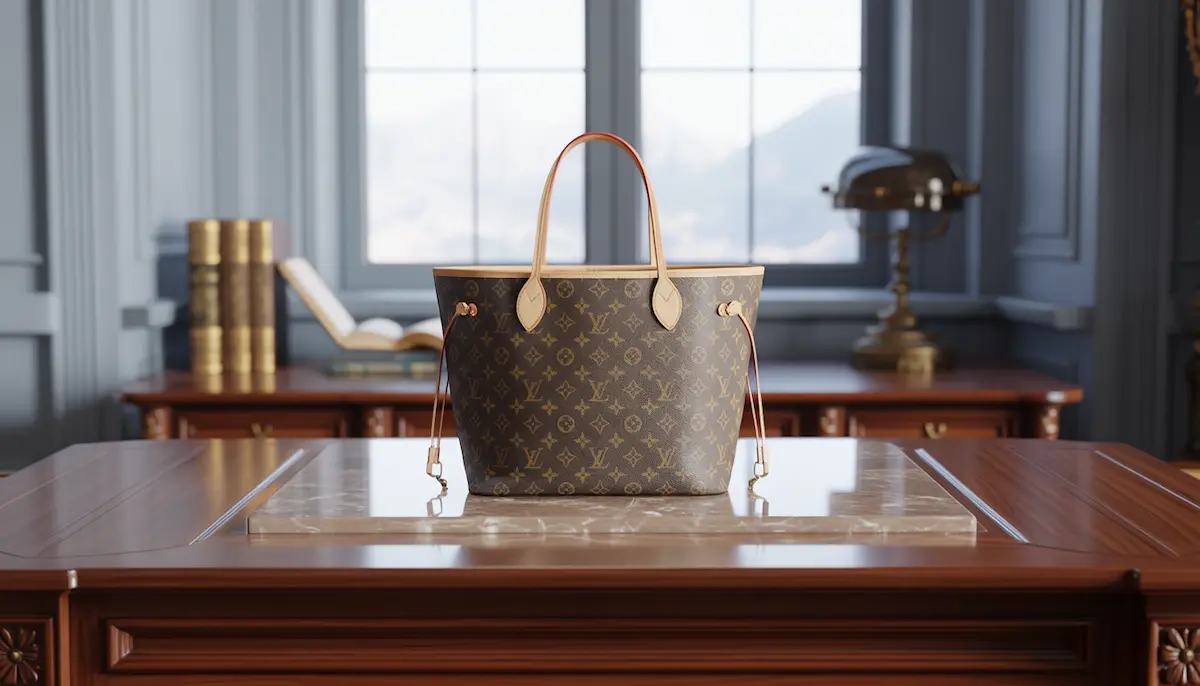
The Louis Vuitton Neverfull is one of the most carried luxury bags in the world. It's also one of the most quietly damaged — by the people who love it most
Understanding this inevitable shift from 'pristine' to 'well-worn' is the first step in deciding if this tote is the right long-term investment for your lifestyle.
The vachetta handles had darkened unevenly — one side noticeably darker than the other from how she naturally gripped it. The base had developed a permanent sag that no amount of reshaping could fix. The canvas at the corners showed the early signs of cracking where the coated surface had been stressed repeatedly by overfilling.
The Louis Vuitton Neverfull tote is arguably the most recognized everyday luxury bag in circulation. Millions have been sold. It appears in every size — PM, MM, GM — in Monogram, Damier Ebene, Damier Azur, and seasonal variations. Its reputation suggests durability. Its price — now approaching $2,030 for the MM Monogram — suggests investment-level quality.
Both of those suggestions are partially true and partially misleading. Here's what owners actually discover after months of real use.
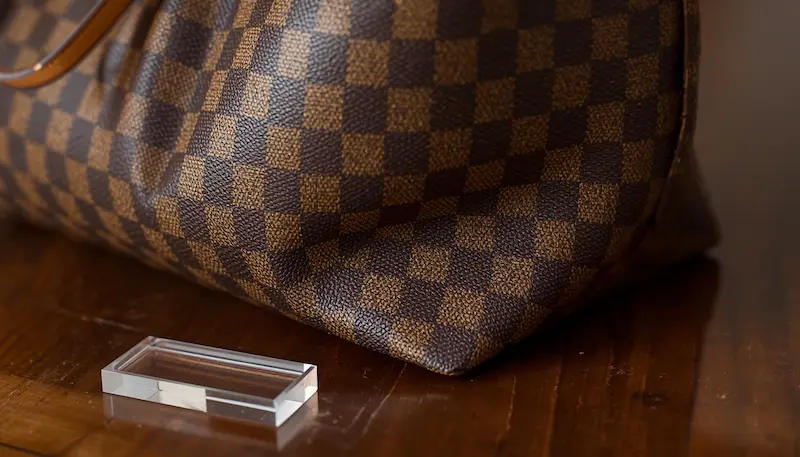
Table of Contents
- Why the Neverfull Deserves More Than a Product Description
- The 7 Things Owners Learn Too Late
- 1. It Sags — And It Happens Faster Than You Expect
- 2. The Vachetta Handles Will Change — The Question Is How
- 3. The Canvas Isn't Indestructible
- 4. The Open-Top Design Is a Feature and a Vulnerability
- 5. The Pochette Is the First Thing to Disappear
- 6. The Neverfull Doesn't Age the Way You'd Expect at $2,000
- 7. Resale Value Has Changed Since the Price Increases
- Neverfull PM vs MM vs GM: Which Size Actually Works?
- How to Prevent (or Slow) the Most Common Damage
- Where to Buy Authentic
- Honest Pros and Cons
- Frequently Asked Questions
- Final Thought
Why the Neverfull Deserves More Than a Product Description
Every Louis Vuitton product page describes the Neverfull the same way: timeless design, heritage details, roomy yet not bulky. All technically accurate. None of it prepares you for the reality of owning one.
The Neverfull occupies a strange position in luxury. It's designed to be used hard — the name literally suggests you can't overfill it. But the materials it's made from have real limitations that become apparent with the kind of heavy daily use the name encourages.
The gap between marketing promise and material reality is where owner frustration lives. Closing that gap before purchase — not after — is the point of this review.
The 7 Things Owners Learn Too Late
1. It Sags — And It Happens Faster Than You Expect
This is the single most discussed issue among Neverfull owners, and the one that surprises people most.
The Neverfull is an open-top tote with a soft, unstructured body. There's no rigid base panel. No internal frame. The bag's shape depends entirely on what's inside it. When it's carrying a moderate, evenly distributed load, it holds a pleasant silhouette. When it's carrying a laptop, a water bottle, a makeup bag, a wallet, keys, and whatever else accumulates in a daily tote — it sags.
The sagging isn't just aesthetic. Over time, the base leather stretches permanently under consistent heavy loads. The canvas along the bottom develops creases that don't flatten out. The bag begins to look tired even when empty.
This is the fundamental tension of the Neverfull: it invites you to fill it, and then it shows you the consequences.
The most effective prevention is a structured base insert — something rigid enough to maintain the bag's bottom geometry while distributing weight across the full base rather than concentrating it at stress points. The Ztujo Felt Purse Organizer Insert (Check on Amazon) is specifically sized for the Neverfull MM and provides the structural support the bag doesn't have on its own. It's a modest investment that addresses the single biggest complaint owners have.
2. The Vachetta Handles Will Change — The Question Is How
Every Neverfull with Monogram or Damier Azur canvas comes with vachetta leather trim — the pale, untreated cowhide that Louis Vuitton uses for handles, edge piping, and decorative details.
Vachetta is intentionally uncoated. It's designed to develop a patina — a gradual darkening and warming of color that Louis Vuitton positions as part of the bag's character. Over years of careful use, a well-maintained vachetta patina can be beautiful.
The problem is that "careful use" and "daily tote" don't always coexist.
Vachetta absorbs everything. Water. Hand oils. Sunscreen. The moisture from a cold drink set on top of the handles in a car. Each absorption event darkens the leather — and unlike coated or treated leather, there's no surface barrier to prevent it. The darkening is permanent and cumulative.
Most owners don't realize how aggressively vachetta responds to hand contact until the handles start showing uneven coloring within the first few months. The hand that grips more tightly, the spot where the handle bends over the shoulder — these areas darken first, creating contrast that's obvious and can't be reversed.
Managing vachetta requires understanding the leather before the first carry, not after the first stain. For anyone with vachetta on their Neverfull — or any Louis Vuitton piece — learning how to clean and maintain vachetta without accelerating the darkening is essential reading before the bag comes out of the dust bag for the first time.
A light application of vachetta-appropriate protectant before first use creates a degree of resistance to water and oils. Apple Brand Leather Care Conditioner (View details) is a mild, widely trusted option for untreated leather — apply sparingly, test on a discreet area first, and allow it to absorb fully before carrying.
This won't prevent patina (nothing will, and you shouldn't want it to), but it slows the uncontrolled darkening that makes vachetta look stained rather than aged.
3. The Canvas Isn't Indestructible
Louis Vuitton's Monogram canvas is coated — a layer of PVC-like material over a textile base. This coating provides meaningful resistance to water, light scratching, and surface contact. It's the reason the Neverfull has a reputation for durability.
But coated canvas has limits that emerge under sustained heavy use.
At stress points — the base corners where the bag meets surfaces, the areas where the drawstring cinches the canvas, the edge where the interior pochette's chain rests against the lining — the coating can crack, separate, or wear through to the fabric beneath.
Heavy loads accelerate this. Overfilling the bag puts constant pressure on the canvas at the base and sides, and the corners bear the brunt of that force every time the bag is set down. Over twelve to eighteen months of aggressive daily use, the corners may show visible coating wear.
Heat accelerates it too. A Neverfull left in a hot car — even for an afternoon — can develop coating changes that weaken the surface. The canvas is heat-sensitive in ways that aren't immediately obvious but become permanent.
For owners concerned about canvas condition specifically, understanding how canvas responds to environmental conditions — including humidity, heat, and storage — helps extend the material's useful life significantly.
4. The Open-Top Design Is a Feature and a Vulnerability
The Neverfull doesn't close. It has side cinch straps that narrow the opening, but nothing seals the top of the bag.
This is by design — the open top is what makes the Neverfull so easy to access and so pleasant to use in daily routines.
It's also what exposes the interior to rain, spills, dust, and anything that falls from above.
Light rain doesn't damage the coated canvas exterior. But water that enters the open top reaches the uncoated textile interior and the vachetta trim simultaneously.
A sudden downpour with the bag open — walking to a car, caught without cover — can create water marks on the interior lining and dark spots on any interior vachetta elements.
Owners who carry the Neverfull as an everyday bag in unpredictable weather should consider the side cinch straps as a rain-response habit, not just a style adjustment. Pulling them tight doesn't seal the bag, but it reduces the opening significantly.
5. The Pochette Is the First Thing to Disappear
Every Neverfull comes with a detachable interior pochette — a small clutch attached to the bag's interior by a D-ring and a chain. It's designed as a bonus: a removable clutch you can use independently or keep inside the main bag for organization.
In practice, the pochette is the component most likely to go missing, get damaged separately, or be sold off independently by owners who don't realize its impact on resale value.
A Neverfull without its pochette sells for noticeably less on the secondary market. The pochette itself — particularly in older, discontinued versions — can sell independently for $200–$400. Owners who detach the pochette for separate use and lose track of it are losing both a functional accessory and meaningful resale value.
6. The Neverfull Doesn't Age the Way You'd Expect at $2,000
This is the uncomfortable truth that sits beneath all the specific issues above.
At its current price point — the Monogram MM now retails at approximately $2,030 in the US — the Neverfull sits in a range where buyers reasonably expect investment-grade durability. The kind of construction where, with reasonable care, the bag looks excellent after five years of regular use.
For some owners, that's exactly what happens. Careful handling, appropriate loads, vachetta management, structured storage — these owners get years of satisfaction from the Neverfull.
For owners who take the name at face value and carry the bag hard without precaution, the visible aging timeline is twelve to eighteen months before the bag looks noticeably used. Sagging, handle darkening, corner wear, canvas stress — these compound.
The distinction isn't quality. It's expectation. The Neverfull is well-made for what it is — a coated canvas tote with untreated leather trim. It's not a structured, reinforced bag designed for heavy daily loads without visible consequence. Understanding that distinction before purchase changes everything about the ownership experience.
7. Resale Value Has Changed Since the Price Increases
Louis Vuitton has raised Neverfull prices aggressively over the past two years. The MM Monogram has increased from approximately $1,500 to over $2,000 — a jump that's changed the resale math significantly.
Previously, a well-maintained Neverfull MM could resell at 60–70% of retail, making it one of the stronger value-retention pieces in accessible luxury. With the recent price increases, the absolute dollar recovery has improved for owners selling — but the percentage recovery has compressed, because the resale market hasn't fully absorbed the new retail pricing.
For buyers purchasing today at $2,030, the realistic expectation for recovery value — assuming excellent condition with pochette — is approximately $1,100–$1,400 on platforms like Fashionphile or Vestiaire Collective. That's a significant loss in absolute terms, even if the percentage is respectable relative to other bags.
Condition remains the strongest variable. A Neverfull with clean vachetta, no base sag, intact pochette, and minimal corner wear sells at the top of the range. One showing visible daily use sells at the bottom. The difference — often $300–$500 — comes down entirely to the care decisions made during ownership.
Neverfull PM vs MM vs GM: Which Size Actually Works?
| Category | PM | MM | GM |
|---|---|---|---|
| Dimensions | 29 x 21 x 12cm | 31 x 28 x 14cm | 39 x 32 x 19cm |
| Best for | Light daily carry | Daily tote, moderate loads | Travel, heavy daily carry |
| Laptop fits? | ❌ No | ✅ 13" (tight) | ✅ 15" comfortably |
| Sagging risk | Lower (smaller base) | Moderate | High (large unsupported base) |
| Resale demand | Lower | Highest | Moderate |
| Weight when full | Light | Moderate | Heavy (shoulder strain) |
The MM is the most popular for a reason — it balances capacity and portability without the extreme sagging risk of the GM. For most daily-use buyers, the MM is the right choice.
The GM is tempting for its capacity, but the larger base sags more dramatically, and the bag becomes genuinely heavy when fully loaded. It's better suited for travel days or specific use cases than true daily carry.
The PM is compact but limited — it functions more like a large shoulder bag than a tote. Buyers who want the Neverfull aesthetic in a smaller package may prefer it, but the capacity limitation means it doesn't serve the "everyday everything" role the Neverfull is known for.
How to Prevent (or Slow) the Most Common Damage
For Sagging:
- Use a structured base insert — this single change prevents the majority of base deformation
- Distribute weight evenly rather than loading one side
- Don't exceed the bag's reasonable capacity (the name is aspirational, not literal)
For Vachetta Darkening:
- Apply a light protective treatment before first use
- Wipe handles after each use with a dry microfiber cloth — this removes oils before they absorb
- Avoid carrying with damp or recently-lotioned hands
- Rotate handle gripping positions
For Canvas Wear:
- Avoid setting the bag down on rough surfaces — concrete, gravel, textured wood
- Don't leave the bag in hot cars or direct sunlight for extended periods
- When stored, keep the bag filled with tissue or an insert to prevent canvas creasing
For Storage:
- Store upright, filled with tissue or a soft insert
- Use the dust bag with a loose closure — never sealed in plastic
- Keep in a climate-controlled space between 40–60% humidity
- Check monthly for any signs of environmental damage
These are the same principles that apply to any fine leather or canvas luxury piece — the materials differ in specifics but respond to the same fundamental care approach.
Where to Buy Authentic
Counterfeit Neverfull totes are among the most common fakes in the luxury market — the bag's popularity makes it a primary target.
Reliable sources:
- Louis Vuitton boutiques and louisvuitton.com — guaranteed authentic, full price
- Authorized department stores (Nordstrom, Saks, Selfridges)
- Vetted resale platforms — Fashionphile, Vestiaire Collective, The RealReal
Sources requiring caution:
- Marketplace listings without authentication guarantees
- Social media sellers without verifiable provenance
- Pricing significantly below market without clear reason
For any secondary market purchase, independent authentication is worth the investment. A dedicated microfiber storage bag like the Misslo Breathable Dust Cover set (See current price) is useful to have ready for transport and storage of any authenticated purchase — particularly if the original dust bag isn't included.
For a broader understanding of how to verify authenticity before any significant luxury purchase, the verification principles are consistent regardless of brand.
Honest Pros and Cons
Pros
- Iconic, recognizable design with genuine heritage
- Large capacity in MM and GM sizes
- Reversible interior — the bag can be worn inside-out for a different look
- Detachable pochette adds functional value
- Canvas exterior handles light weather and daily contact reasonably well
- Strong resale market when condition is maintained
Cons
- Sagging is inevitable without a structured insert
- Vachetta trim requires active management from day one
- Open-top design offers no weather protection for contents
- Current pricing ($2,030+) pushes the value proposition harder than previous years
- Canvas at stress points can crack under sustained heavy use
- The name is misleading — you absolutely can overfill it, and the consequences are visible
Frequently Asked Questions
Is the Louis Vuitton Neverfull tote worth it in 2025?
At its current price of approximately $2,030 for the MM Monogram, the Neverfull remains a well-made everyday tote with strong brand recognition and decent resale value. Whether it's "worth it" depends on your expectations. If you understand its limitations — the sagging, the vachetta management, the canvas stress from heavy use — and are willing to care for it accordingly, it remains one of the most practical luxury totes available. If you expect indestructible performance at that price, you may be disappointed.
Why does my Louis Vuitton Neverfull sag?
The Neverfull has no rigid internal structure — no base panel, no frame. Its shape depends entirely on what's inside it. Heavy or unevenly distributed loads stretch the base canvas and leather over time, creating permanent sagging. A structured base insert is the most effective prevention, and moderating load weight is the most important ongoing habit.
Is Louis Vuitton discontinuing the Neverfull?
Louis Vuitton has not officially confirmed a full discontinuation of the Neverfull. However, certain variants and sizes have been periodically unavailable, fueling ongoing speculation. The brand has been introducing new tote models (like the OnTheGo) that may eventually complement or replace the Neverfull in the lineup. If you want a specific Neverfull configuration, purchasing sooner rather than waiting is the pragmatic approach.
How do I keep my Neverfull vachetta handles from getting dark?
Apply a light leather protectant before first use, wipe handles with a dry microfiber cloth after each carry to remove hand oils, avoid handling with damp or recently-lotioned hands, and rotate gripping positions to distribute contact. Vachetta will darken naturally over time — the goal is even, gradual patina development rather than uncontrolled staining.
Which Neverfull size is best for everyday use?
The MM is the most versatile for daily carry. It holds a standard day's essentials — wallet, phone, small accessories, a light jacket — without the excessive weight and sagging risk of the GM. The PM is too compact for most daily-use needs, and the GM is better suited for travel or specific high-capacity days rather than true everyday carry.
Final Thought
The Louis Vuitton Neverfull tote has earned its place in the luxury landscape — not because it's perfect, but because it does something specific very well: it carries your life in a recognizable, well-made package that holds its value when treated with appropriate care.
The owners who love their Neverfull ten years after purchase are not the ones who treated it as indestructible. They're the ones who understood what the bag actually is — a beautifully designed tote with real material limitations — and adjusted their habits accordingly.
Use a base insert. Manage the vachetta from day one. Respect the capacity. Store it properly. Address problems early rather than waiting for them to compound.
Small details. Consistently maintained. That's what separates a bag that ages beautifully from one that ages badly — at any price point.