Which Hermès Leather Scratches Easily? (What Owners Notice Too Late)
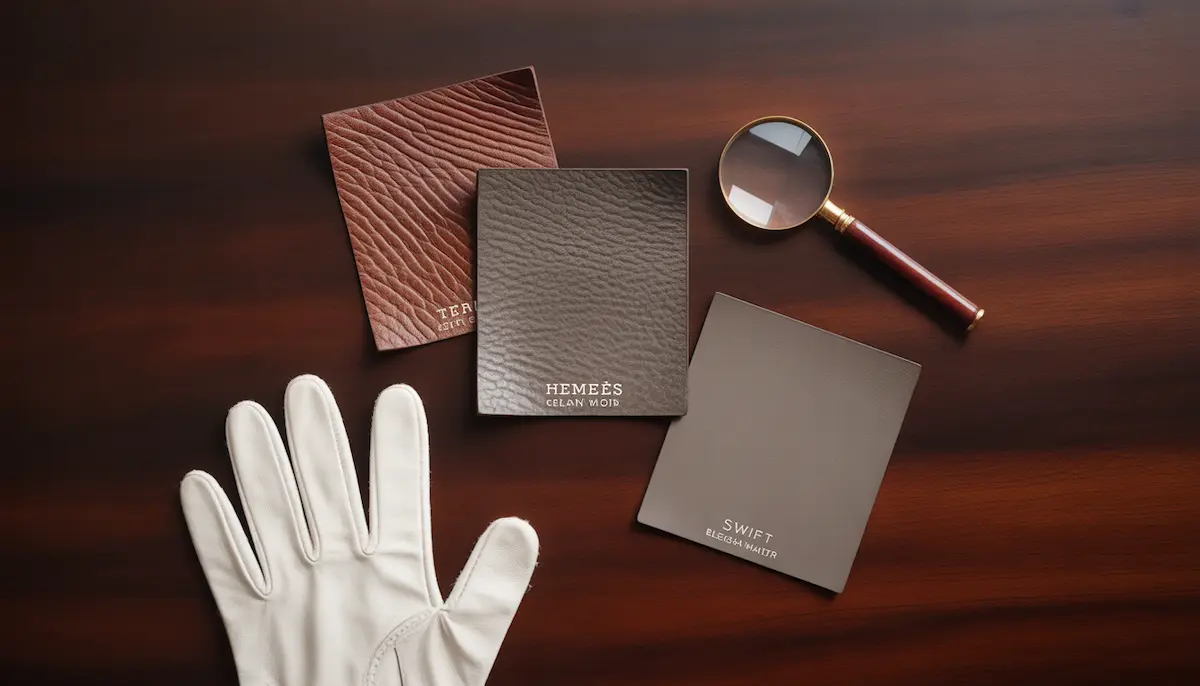
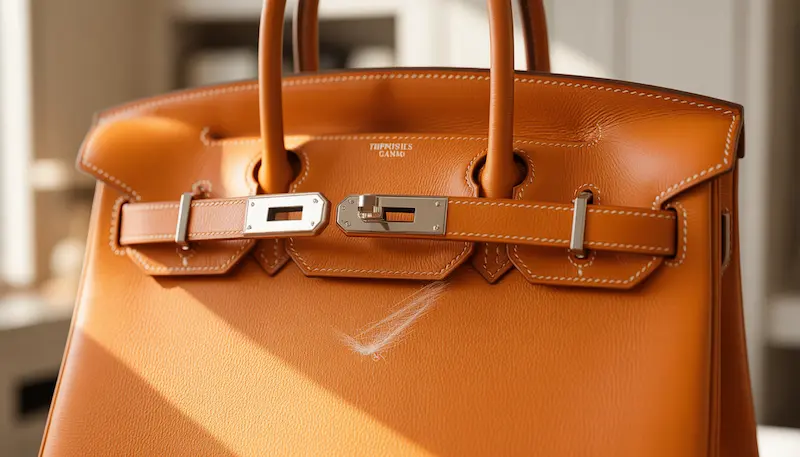
A friend of mine once pulled a brand-new Birkin out of its dust bag at dinner — Swift leather, beautiful saturated color — and within two weeks, the front panel had faint but visible scratches she couldn't explain.
No keys loose in the bag. No rough handling. Just the ordinary rhythm of daily use.
That's the thing about asking which Hermès leather scratches easily: the answer matters before you choose, not after. And most people only start searching once the marks are already there.
I've watched this pattern repeat for years. Someone falls in love with a color, commits to a bag, and only later discovers that the leather they chose is one of the most scratch-prone options in the entire Hermès lineup.
The frustration isn't about the money alone — it's about feeling like you should have known.
This article is what I wish someone had handed me the first time I held a piece of Box calf and thought it was invincible.
Table of Contents
- Why Leather Choice Matters More Than Most Buyers Realize
- The Leathers That Scratch Most Easily
- The Leathers That Hold Up Better
- A Quick Comparison
- What Most People Get Wrong
- How to Protect Scratch-Prone Leathers
- When Scratches Become Part of the Story
- Conditioning: Helpful, But Not What You Think
- Frequently Asked Questions
- Final Thought
Why Leather Choice Matters More Than Most Buyers Realize
Hermès offers more than a dozen leather types across its bags, and each one ages differently. Some develop a rich patina over time. Others show every encounter with a fingernail, a zipper, or the edge of a table.
The cost of getting this wrong isn't always dramatic. It's subtle. A slow accumulation of surface marks that, over months, shift the bag from looking pristine to looking tired. And with bags that hold or appreciate in value — sometimes significantly — the condition of the leather directly affects resale.
A Birkin 25 in Togo with clean surfaces will command a very different price than the same model in Swift with visible scratching across the front panel. We're talking thousands in difference, sometimes more.
The regret I hear most often isn't "I wish I'd bought a different bag." It's "I wish I'd picked a different leather."
The Leathers That Scratch Most Easily
Not all Hermès leathers are created equal when it comes to scratch resistance. Here's where owners tend to get surprised.
Box Calf
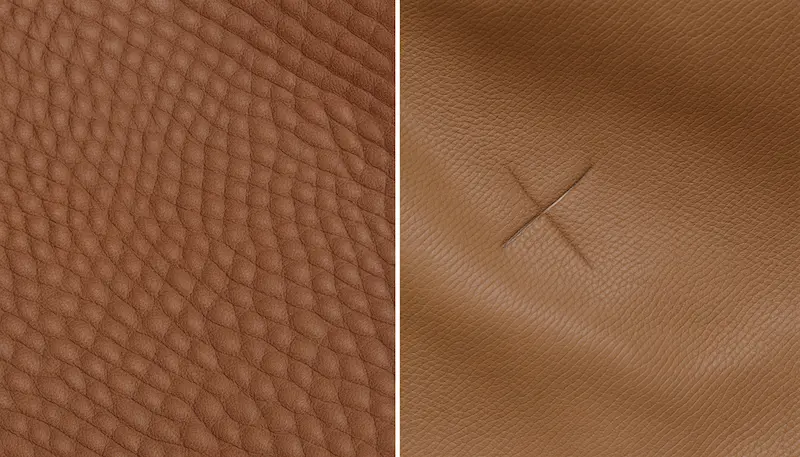
Box calf is one of the oldest and most prestigious leathers Hermès uses. It has a tight grain, a high-gloss finish, and an almost mirror-like surface when new.
It's also one of the most unforgiving.
Every light scratch shows. Every brush against a hard surface leaves evidence. Box calf is stunning in a controlled environment — a shelf, a display, careful occasional use. But for daily carry? Most owners discover the reality quickly.
The upside: minor scratches on Box calf can sometimes be buffed out with gentle rubbing from a soft cloth. The leather has a quality that allows surface marks to blend back with warmth and friction. But deeper scratches? Those stay.
Swift
Swift is smooth, lightweight, and has a matte, buttery texture that feels incredible to the touch. It's the leather people tend to fall in love with instantly.
It's also extremely prone to scratching.
Swift shows marks from fingernails, from setting the bag down on a textured surface, from the clasp resting against the leather during storage. This is something most owners don't notice until it's too late — the scratches accumulate gradually, and by the time they're obvious, the surface tells a story you didn't intend to write.
Swift can develop a soft patina over time, which some collectors embrace. But if your expectation is a clean, unmarked surface, Swift will test your patience.
Evercolor
Evercolor is sometimes described as a more durable alternative to Swift. And while it does have a slightly more resilient surface, it's still a smooth leather with limited texture to hide imperfections.
Light scratches appear easily, though they tend to be less visible than on Swift due to the slightly matte finish. Still, it belongs firmly in the "handle with awareness" category.
Chamonix
Similar to Box calf in its smooth, polished appearance, Chamonix scratches readily. It's less common in current production, but vintage pieces in Chamonix require careful handling. The surface doesn't hide anything.
The Leathers That Hold Up Better
Understanding which leathers resist scratching helps frame the full picture.
Togo
Togo is the most popular Hermès leather for a reason. Its pebbled grain texture naturally conceals minor surface marks. Light scratches tend to disappear into the grain pattern, and the leather maintains its shape and appearance over years of regular use.
For anyone who wants to actually carry their bag without constant worry, Togo is the most practical choice in the Hermès lineup.
Clemence
Clemence shares Togo's grained texture but is slightly softer and heavier. It hides scratches almost as well as Togo, though the softer hand means the bag may slouch more over time. From a scratch-resistance standpoint, Clemence performs well.
Epsom
Epsom is a pressed-grain leather — meaning the texture is stamped into the surface rather than being naturally occurring. It's lightweight, holds structure well, and is highly resistant to scratching.
The trade-off: Epsom doesn't develop the rich patina that natural grain leathers do, and some collectors find it less luxurious to the touch. But for durability and ease of maintenance, it's hard to beat.
A Quick Comparison
| Leather | Scratch Resistance | Patina Over Time | Daily Carry Suitability |
|---|---|---|---|
| Box Calf | Low | Beautiful with age | Limited |
| Swift | Low | Soft, subtle | Requires caution |
| Evercolor | Low–Medium | Moderate | Moderate |
| Togo | High | Rich, natural | Excellent |
| Clemence | High | Rich, natural | Very good |
| Epsom | Very High | Minimal | Excellent |
This isn't about declaring one leather better than another. It's about matching your choice to how you actually live — not how you imagine you'll treat the bag in an ideal scenario.
What Most People Get Wrong
There's a common assumption that all Hermès leathers are equally durable because of the brand's reputation for quality. That's not how it works.
Quality of craftsmanship and resistance to surface damage are two different things. A Swift leather Birkin is made with the same precision and care as a Togo one. But the material itself behaves differently under the same conditions.
I've also seen people assume that leather conditioners can prevent scratching. They can't. Conditioning keeps leather supple and helps prevent drying and cracking, but it doesn't create a scratch-proof barrier. Understanding the difference between long-term leather maintenance and scratch prevention will save you from misplaced confidence.
Another mistake: storing bags without proper support. When a bag collapses against itself during storage, hardware can press into leather panels and leave impressions or scratches that weren't there when you put it away.
A quality storage pillow like the Bag-a-Vie insert (Check on Amazon) keeps the bag's shape intact and prevents internal surfaces from making contact with hardware. It's a small thing. But over months and years, it matters.
How to Protect Scratch-Prone Leathers
If you already own — or are committed to — a scratch-prone Hermès leather, the goal isn't to avoid living with it. It's to minimize unnecessary damage.
Handle with clean, dry hands. Oils, moisture, and even the salt from skin contact can affect smooth leathers over time. This is basic, but most people skip it.
Use a dedicated dust bag during storage. The original Hermès dust bag works well, but any soft, breathable cotton bag will do. Avoid plastic — it traps moisture.
Wipe the surface gently after each use. A soft microfiber cloth like the Magic Fiber set (See current price) removes dust particles that can act as micro-abrasives when the bag shifts or is handled. This sounds excessive until you see what fine grit does to Box calf over six months.
Keep the bag away from other items. Placing a Swift leather bag next to keys, sunglasses, or anything with a hard edge — even inside a closet — invites contact marks.
Be mindful of what you wear. Belt buckles, jacket zippers, and jewelry are common culprits. A bag tucked under the arm or carried close to the body presses against these surfaces constantly.
These details may seem small. That's the point. The leather decision most people make too casually is often the one that determines whether a bag still looks right five years from now — or tells a story of neglect.
When Scratches Become Part of the Story
I want to be honest about something: not all scratches are damage.
Some collectors — experienced ones, mostly — view surface marks on Box calf or Swift as part of the leather's natural evolution.
There's a Japanese concept, wabi-sabi, that finds beauty in imperfection and age. Applied to leather, it means embracing the patina that comes from real use.
A well-loved Kelly in Box calf, with decades of gentle wear showing on its surface, carries a certain warmth that a pristine shelf piece doesn't. There's no right answer here. But it helps to decide in advance where you stand — because that decision should influence which leather you choose.
If you want flawless and permanent, lean toward Epsom or Togo.
If you're comfortable with evolution and character, Swift and Box calf reward patience.
What doesn't work is choosing a scratch-prone leather and then being upset when it scratches. That gap between expectation and reality — that's where regret lives.
Conditioning: Helpful, But Not What You Think
A quality leather conditioner serves a real purpose: it replaces moisture lost through exposure, keeps fibers pliable, and helps prevent cracking. For Hermès leathers, a conditioner specifically formulated for fine calfskin, like Saphir Renovateur, is a reasonable choice that many collectors rely on.
But conditioning does not make leather scratch-resistant. I see this misconception often. The conditioner isn't a sealant. It nourishes — it doesn't armor.
If you're exploring this topic more broadly, these expert answers on Hermès bag care cover the full picture, including conditioning frequency, product selection, and what to avoid entirely.
Frequently Asked Questions
Which Hermès leather is most scratch-resistant?
Epsom and Togo are the most scratch-resistant options. Epsom's pressed grain texture deflects surface marks, while Togo's natural pebbled grain conceals them effectively. Both are well-suited for regular use.
Does Swift leather scratch easily?
Yes. Swift is one of the most scratch-prone leathers Hermès offers. Its smooth, matte surface shows marks from fingernails, light contact with hard surfaces, and even hardware pressing against the leather during storage.
Can you fix scratches on Hermès Box calf leather?
Minor surface scratches on Box calf can sometimes be reduced by gently rubbing the area with a soft cloth or fingertip. The warmth and friction help blend the mark back into the surface. Deeper scratches typically require professional attention from an Hermès craftsman or a trusted leather specialist.
Is Togo or Clemence better for everyday use?
Both handle daily use well. Togo holds its structure better over time, while Clemence is slightly softer and may slouch with regular carry. For scratch resistance, they perform similarly — both are forgiving of normal handling.
Should I condition my Hermès bag to prevent scratches?
Conditioning maintains leather health but does not prevent scratches. Use a high-quality conditioner designed for fine leather to keep the surface supple, but understand that scratch prevention comes from handling habits and storage practices, not from any product applied to the leather.
Final Thought
Choosing a leather is one of the quietest decisions in the Hermès buying experience — and one of the most consequential. The color gets the attention. The leather does the work.
If you take one thing from this: match the leather to your life, not your mood in the boutique. A few minutes of honest reflection about how you carry, store, and live with your bags will save you from the slow realization that your leather was never suited to your reality.
Precision over excess. Consistency over intensity. That's what keeps these pieces worth holding onto.