The Leather Decision Most People Make Too Casually
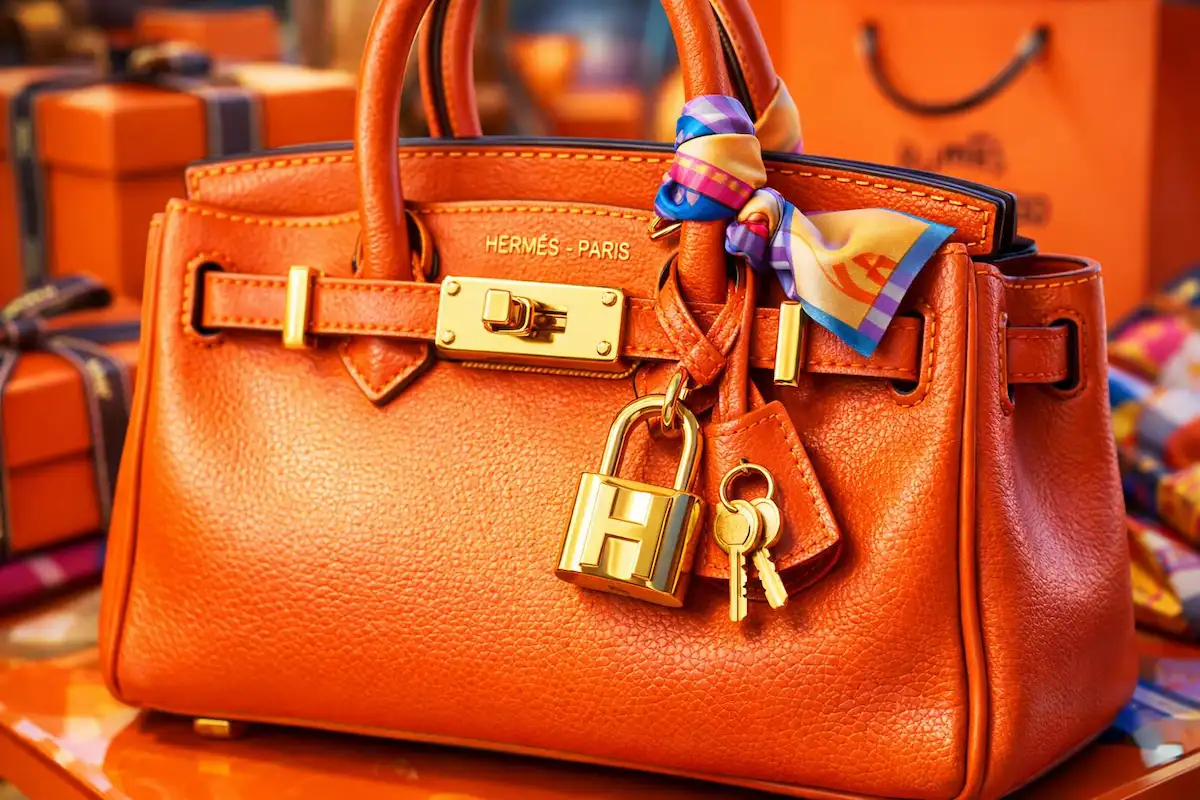
A woman I know — a careful, considered person in most areas of her life — bought a Swift Birkin 30 in Blanc.
She loved the smooth, almost silky surface. She loved how it photographed. She carried it through a Bangkok summer, two transatlantic flights, and a rainy London afternoon.
Six months later, the corners had ghosting scratches she couldn't explain. The surface near the handles had developed a faint sheen from repeated contact.
The bag still looked beautiful in certain light. In other light, it looked like it had been worn by someone who didn't know what Swift leather was.
That's the thing about the Hermès leather types comparison that rarely gets discussed honestly: choosing the wrong leather for your actual life doesn't show up immediately.
It shows up in month three. In year two. When the bag hits the resale market and you find out what condition really means in this world.
Table of Contents
- Why the Leather Conversation Matters More Than the Bag
- Togo: The One That Quietly Earns Its Reputation
- Clemence: The Relaxed One That Hides Its Demands
- Swift: Beautiful, Demanding, and Honest About Both
- The Practical Comparison: What to Carry and When
- What Goes Wrong — and When
- Care Principles Across All Three Leathers
- Frequently Asked Questions
- The Decision Comes Back to Honesty
This guide is about making that decision with your eyes open.
Why the Leather Conversation Matters More Than the Bag
Most people who walk into an Hermès boutique — or wait years for that conversation — spend the majority of their mental energy on color. Hardware. Size. Strap configuration. The leather itself is often treated as a secondary consideration, something the SA mentions briefly before moving on.
That's a mistake with real financial consequences.
A Birkin 30 in Togo and a Birkin 30 in Swift are not the same investment. They don't age the same way. They don't respond to care the same way. They don't hold the same resale value after five years of regular use. The price difference at retail is modest — but the divergence over time is significant, and it almost always catches owners off guard.
The three leathers most people encounter — Togo, Clemence, and Swift — feel different, look different under different lighting conditions, and require meaningfully different care approaches. Understanding those differences before you buy is the kind of knowledge that protects the value of what you own.
If you're deciding quickly:
- Choose Togo → best for daily use, lowest maintenance
- Choose Clemence → best for softness and color depth (needs storage discipline)
- Choose Swift → best for aesthetics, highest maintenance
If you want the full breakdown, keep reading.
Togo: The One That Quietly Earns Its Reputation
What Togo Actually Is
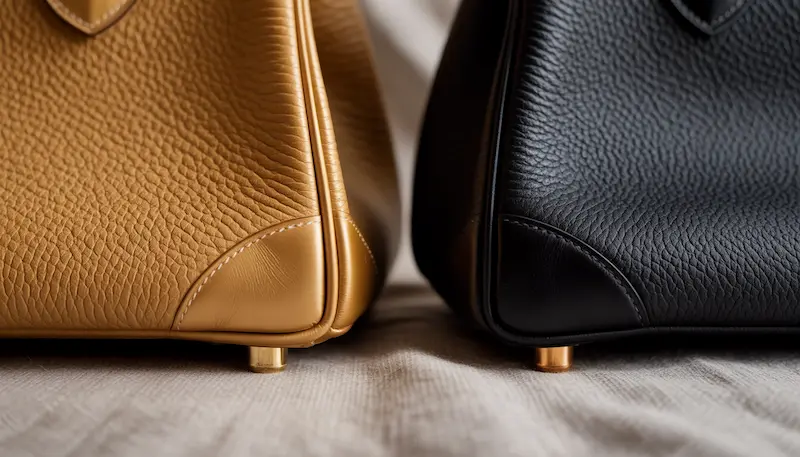
Togo is a fine-grain, pebbled calfskin. The grain is tight and consistent — small, uniform bumps across the entire surface. It's a relatively young leather in Hermès terms, having grown to dominance in the 1990s and maintaining that position ever since.
The grain isn't just aesthetic. It's functional. Those small bumps create a surface that deflects rather than absorbs minor contact. A key grazed against the side of a Togo bag is unlikely to leave a visible mark. The same contact on Swift often does.
How Togo Ages
Togo softens over years of wear. A new Togo bag has a slightly structured feel — not stiff, but with definite body. After two or three years of regular use, it develops a more relaxed character. The shape settles. The leather moves with the bag's contents rather than against them.
This aging process is generally flattering. Most collectors find that well-maintained Togo bags look better at year five than at year one. The grain acquires depth. The leather develops what you might call earned texture — not damage, but the visible evidence of a life being lived.
Togo scratches are often self-healing in minor cases. Rubbing the affected area with a clean fingertip and gentle warmth from friction will frequently diminish surface marks that would be permanent on smoother leather.
The Honest Tradeoffs
Togo is heavier than Clemence or Swift. This matters. A Birkin 35 in Togo weighs noticeably more than the same bag in Swift — and that difference compounds when you're carrying it for six hours. If weight is a meaningful concern in your daily life, this is worth considering carefully rather than dismissing.
Togo also holds its structure well in humid conditions, which makes it a more forgiving choice in tropical climates.
Clemence: The Relaxed One That Hides Its Demands
What Clemence Is
Clemence is a bull calfskin — slightly different from Togo in origin and significantly different in character.
Where Togo's grain is tight and consistent, Clemence has a slightly looser, larger grain pattern. The leather is softer from the moment you touch it.
Many people prefer Clemence for exactly this reason. It feels more supple. More casual. It drapes slightly rather than holding a rigid form. For bags like the Lindy or Evelyne, where slouch is part of the design language, Clemence makes sense.
The Slouch Problem No One Mentions
Here's what most people don't notice until it's too late: Clemence is significantly more susceptible to gravitational deformation than Togo.
A Clemence Birkin carried regularly and stored carelessly will develop a pronounced slouch at the base — a slight forward tilt, a subtle asymmetry — that becomes increasingly difficult to reverse.
This isn't a flaw in the leather. It's the nature of a softer material under constant weight. But it means that Clemence bags require more intentional storage than their casual appearance suggests.
Storing a Clemence bag stuffed with acid-free tissue and sitting upright in its dust bag isn't optional maintenance — it's what prevents the bag from slowly losing the posture that makes it valuable. For a detailed breakdown of long-term maintenance approaches for Hermès leathers, the Hermès leather types maintenance guide covers exactly this kind of slow-burn damage that compounds over time.
Color Depth and Clemence
One area where Clemence genuinely excels is color. The looser grain holds dye differently than Togo — colors appear slightly richer, more saturated. Blues look deeper. Reds look warmer. This is one reason Hermès uses Clemence extensively for colors like Bleu Indigo, Raisin, and certain heritage tones that benefit from that extra depth.
If color vibrancy is a priority in your selection — and for many people it genuinely is — Clemence is worth the additional care commitment.
Swift: Beautiful, Demanding, and Honest About Both
What Makes Swift Different
Swift is a smooth calfskin. No grain. No texture. Just a flat, almost matte surface that reflects light differently depending on the angle. This is the leather that photographs beautifully and feels luxurious in a way that's immediately, viscerally apparent.
It's also the most demanding leather in everyday use.
The absence of grain that makes Swift look so refined is exactly what makes it vulnerable. There's nothing to deflect contact.
A scratch on Swift is a scratch on Swift — it goes directly into the surface with nothing to absorb or distribute the impact. Light scuffs that a Togo bag would self-correct will sit on Swift and stay there.
Who Swift Is Actually For
This isn't an argument against Swift. It's an argument for honesty about lifestyle.
Swift works beautifully for someone who carries a bag carefully, rarely sets it down on uncontrolled surfaces, and approaches their leather goods with genuine attentiveness.
A Swift Constance worn by someone who treats their bags as precious things — placed on clean surfaces, never tossed into cars, never stacked — can age extraordinarily well.
The same bag carried the way most people actually carry bags will show its history in ways Togo or Clemence wouldn't.
A soft, lint-free cloth like the Guardsman Leather Care Kit kept near your storage area helps manage the micro-maintenance that Swift requires — gentle wiping after each wear removes the invisible oils that accumulate and gradually affect the surface.
Swift and Humidity
Swift is more sensitive to moisture than either Togo or Clemence. A light rain on an unprotected Swift bag can leave temporary water marks. These usually fade as the leather dries, but the process is stressful to watch and occasionally leaves a faint ghost mark if the leather dries unevenly.
This doesn't mean Swift can't be worn in variable weather. It means you plan around it rather than ignoring conditions.
The Practical Comparison: What to Carry and When
| Togo | Clemence | Swift | |
|---|---|---|---|
| Scratch resistance | High | Moderate | Low |
| Weight | Heavier | Heaviest | Lightest |
| Structure over time | Holds shape well | Tends to slouch | Holds shape well |
| Color vibrancy | Good | Excellent | Good |
| Humidity resistance | High | High | Moderate |
| Maintenance demand | Low-moderate | Moderate | High |
| Resale after regular use | Strongest | Good | Variable |
The chart tells most of the story, but the nuance lives in the details.
Togo is the safest choice for someone who wants a bag that works across the widest range of conditions with the lowest maintenance overhead.
Clemence is the right choice when color or softness is the priority and storage discipline is genuinely in place. Swift is for someone who carries carefully, values the aesthetic above durability, and is honest with themselves about both.
What Goes Wrong — and When
The First Six Months
This is when the differential starts showing. Togo and Clemence bags tend to look essentially unchanged after moderate use in their first six months. Swift bags carried daily through real conditions will often show corner wear, handle contact marks, or subtle surface changes by month four.
This isn't alarming — it's information. It tells you how the leather is interacting with your life and whether your care routine needs adjustment.
Year Two and Beyond
By year two, the leather choices diverge visibly in resale contexts. Togo bags in good condition have a strong, predictable secondary market.
Clemence bags that have been stored well look nearly new.
Swift bags in truly excellent condition command premium prices — because truly excellent condition in Swift after two years of use is rare.
Understanding how conditioning and cleaning choices affect this trajectory is something most owners only research after they've made a mistake. The resource on the best leather conditioner for Hermès bags breaks down which products actually support long-term leather health without altering the finish — a distinction that matters considerably more on Swift than on textured leathers.
What Most People Get Wrong
The mistake isn't usually choosing the "wrong" leather. The mistake is choosing based on appearance alone without accounting for lifestyle, and then applying a care routine designed for a different leather type.
Someone who conditions a Swift bag the same way they'd condition a Togo bag — more product, more frequently — can oversaturate the smoother surface and alter its finish in ways that are very difficult to reverse.
For a broader approach to Hermès care questions that come up as ownership continues, the Hermès bag care guide covering 15 expert questions addresses the kind of nuanced problems that emerge after the initial excitement fades.
A good quality leather storage pillow or bag shaper [View details on Amazon] placed inside a Clemence bag between uses does more to preserve shape over five years than any conditioning product. It's an unsexy solution, but it's an effective one.
Care Principles Across All Three Leathers
Regardless of which leather you own, certain principles apply:
Clean before conditioning. Conditioning over surface grime locks it in rather than nourishing the leather beneath it. A soft dry cloth first, always.
Less is more with product. All three leathers respond better to infrequent light conditioning than to frequent heavy applications. Every 6-12 months for regular use is a reasonable baseline.
Store with intention. Stuffing, upright storage, and breathable dust bags apply to all three — but the consequences of ignoring this are fastest and most visible on Clemence.
Protect handles separately. The handles of all Hermès bags are the first area to show wear from natural oils and contact. A thin barrier — even just keeping hands clean and dry — extends handle life considerably.
Know your climate. High-humidity environments accelerate the challenges specific to each leather. Togo and Clemence are more forgiving. Swift requires more proactive attention.
A good microfiber cloth such as the Chemical Guys Microfiber Applicator set [See current price on Amazon] is genuinely useful for the light, regular surface care that prevents buildup from becoming embedded grime — without introducing moisture or product when none is needed.
Frequently Asked Questions
Which Hermès leather is the most durable for everyday use?
Togo holds up best under regular, active use. Its pebbled grain provides natural scratch resistance, it holds structure well over time, and it's forgiving in varying weather conditions.
For someone carrying a Birkin or Kelly as a daily bag without obsessive care habits, Togo gives the most consistent results.
Does Clemence leather scratch easily?
Clemence is moderately scratch-resistant due to its grain, though less so than Togo. The larger concern with Clemence is structural — it tends to slouch over time under weight without proper storage support.
Scratches on Clemence are less immediately visible than on Swift, but shape retention requires more active maintenance.
Why is Swift leather more expensive to maintain?
Swift doesn't have the texture to diffuse minor contact, so scratches and marks go directly into the surface with nothing to absorb them. It requires more attentive daily handling, more careful storage, and more precise conditioning — not more frequent, but more careful. The maintenance cost isn't financial so much as attentional.
Can Togo and Clemence look similar? How do I tell them apart?
Yes, they look similar at first glance — both are pebbled, both are common in Birkin and Kelly production. The grain on Togo is tighter and more uniform. Clemence has a slightly larger, slightly more irregular grain pattern. Clemence also feels noticeably softer when you press it lightly. The weight difference becomes obvious side by side — Clemence is heavier.
Does the leather type significantly affect resale value?
Yes, in context. A Togo bag in very good condition after three years of use will typically be more consistent in resale pricing than an equivalent Swift bag — because Swift's condition after use varies more widely. A pristine Swift bag in excellent condition can command premium resale prices. The same bag with surface wear will underperform. Togo is more predictable because it ages more uniformly.
The Decision Comes Back to Honesty
Nobody needs to be talked out of Swift. Nobody needs to be convinced that Togo is the only responsible choice. What they need is an honest accounting of what each leather asks of you — and whether that aligns with how you actually live.
Togo asks very little and delivers consistently. Clemence asks for storage discipline and rewards you with color depth and a relaxed elegance. Swift asks for real attentiveness and, when given it, produces a bag that can look remarkable years into ownership.
The mistake isn't choosing any of these. The mistake is choosing without knowing the terms of the agreement.
Precision over excess. Consistency over intensity. That's what long-term care looks like — regardless of which leather is in front of you.