Epsom Leather Hermès Guide: Pros, Cons, and Why It Holds Its Shape
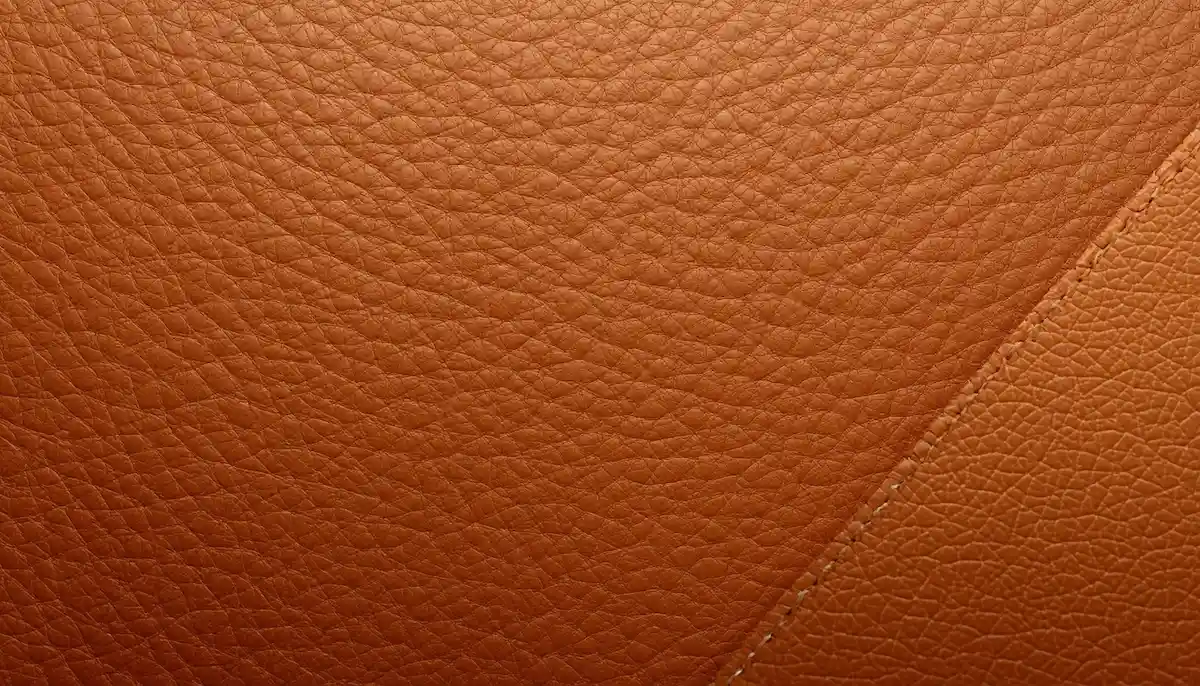
She walked out of the boutique with a Kelly 28 in Epsom. Crisp corners. Sharp grain. Color that looked like it had been painted on — saturated, consistent, almost lacquered.
The bag held its shape perfectly on the shelf, perfectly in the mirror, perfectly in the photos she took that afternoon.
Three years later, she mentioned something I've heard variations of more times than I expected: "It still looks the same. That's actually the problem."
Epsom leather Hermès is one of the most misunderstood materials in the entire lineup. Not because it's bad — it isn't — but because the qualities that make it visually appealing in the short term are exactly the qualities that create frustration over longer ownership.
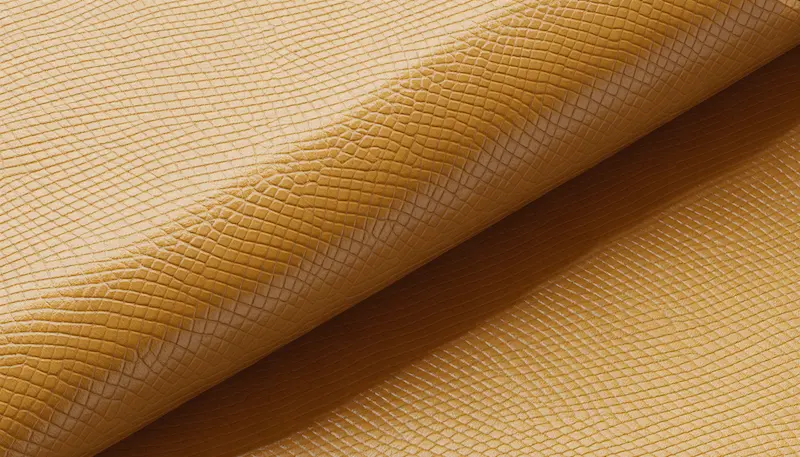
Understanding what Epsom actually is, what it does well, and where it quietly disappoints is the kind of knowledge that changes a purchase decision.
Table of Contents
- What Epsom Leather Actually Is
- The Advantages: Where Epsom Genuinely Delivers
- The Trade-offs: What Epsom Doesn't Tell You
- Practical Epsom Care: What Actually Works
- Who Epsom Is — and Isn't — Right For
- Frequently Asked Questions
- What Epsom Asks of You
What Epsom Leather Actually Is
The Manufacturing Process
Epsom is embossed calfskin. That's the foundation of everything you need to understand about it.
A natural hide is pressed under heat and pressure with a fine cross-hatch pattern — creating that distinctive, tight, almost grid-like grain you see on Constance bags, Kelly wallets, and a significant portion of Hermès's structured bag production.
The embossing process compresses the leather's surface and, in doing so, creates a material that behaves very differently from naturally textured leathers like Togo or Clemence.
It becomes stiffer. Denser. More resistant to environmental influence. The surface feels slightly rigid compared to other Hermès leathers — smooth at a micro level despite its visual texture.
Why It Looks the Way It Does
That consistent, almost graphic grain is entirely intentional. The embossing allows Hermès to achieve a level of surface uniformity that natural pebbling never could. Every centimeter of Epsom looks nearly identical to every other centimeter.
For certain colors — particularly pale ones like Craie, Blanc, and Nata — this means the bag photographs with extraordinary clarity and holds color consistency that untreated leathers can't match.
This is not a criticism. For many buyers and many use cases, these are genuine advantages. The problem comes when they're understood as universally superior qualities rather than specific trade-offs.
The Advantages: Where Epsom Genuinely Delivers
Structure That Doesn't Negotiate
Epsom holds its shape. Not just initially — consistently, over time, under weight, in heat. The stiffness that some owners find restrictive is the same quality that keeps a Kelly's silhouette crisp after five years of regular use.
A Clemence bag left unstuffed in storage will develop a lean. An Epsom bag in the same situation will largely maintain its original posture.
For structured silhouettes — the Kelly, the Constance, the Bolide — this matters. The architecture of those designs depends on the leather doing structural work, and Epsom does that work reliably.
Scratch Resistance That's Real
The compressed, embossed surface is significantly more resistant to surface scratches than smoother Hermès leathers. Contact with keys, rough surfaces, and the general friction of daily life leaves far less visible evidence on Epsom than on Swift or Box Calf.
This is something most owners don't notice until they've owned multiple Hermès leathers and can compare directly. The difference in scratch accumulation after a year of regular use is meaningful.
Color Consistency Over Time
Because the surface is treated and compressed, Epsom holds color without the gradual patina development you see in leathers like Barenia or Box Calf. This is a significant advantage for pale colors specifically.
A Blanc Epsom Kelly three years into ownership looks almost identical in color to the day it came home.
Whether this is an advantage depends on your relationship with patina. Some collectors find it exactly what they want. Others find it the source of that "it still looks the same" feeling — where a bag carries no visible evidence of its history, beautiful or otherwise.
The Trade-offs: What Epsom Doesn't Tell You
It Doesn't Breathe
This is the central limitation of Epsom that rarely gets discussed in the buying conversation.
The embossing and treatment process closes much of the leather's natural porosity. Epsom doesn't absorb conditioner the way Togo or Clemence does. It doesn't breathe. It doesn't develop.
For care purposes, this creates an interesting asymmetry: Epsom needs less conditioning than other leathers — but when that conditioning is applied incorrectly, it has nowhere to go.
Product sits on the surface rather than absorbing. If you're applying the same conditioning routine to your Epsom bag that you'd apply to a Togo bag, you're likely over-conditioning it.
Understanding which products are appropriate for Epsom specifically is something the best leather conditioner for Hermès bags guide addresses directly, with particular attention to how different leathers absorb — and don't absorb — product.
Cracking at Flex Points
This is the trade-off that stings. Because Epsom is stiffer than other calfskins, it doesn't flex gracefully under repeated stress.
At points where the bag bends consistently — handle attachment areas, corners on larger formats, strap connection zones — the leather can develop fine cracking over years of use.
This doesn't happen quickly. It happens at year four or five or six. By then, the bag has been carried through hundreds of daily uses, and the cracking appears slowly enough that many owners don't trace it back to the leather's fundamental properties.
The risk is higher on larger bag formats. A Birkin 40 in Epsom flexes more under weight than a Kelly 28.
The structural demands are different, and Epsom handles them differently than a more supple leather would.
Resale Reality
Epsom bags in excellent condition hold value well — the structure means fewer slouch issues, and the scratch resistance means the surface often looks cleaner than comparable smooth-leather bags.
However, Epsom bags that have developed corner cracking or handle-area stress marks depreciate more significantly than damaged Togo or Clemence bags.
The damage types are different: Togo accumulates surface marks that can sometimes be managed; Epsom develops structural issues that cannot be reversed. A cracked flex point on Epsom is a permanent condition. Buyers and resale platforms treat them accordingly.
If you want to understand the broader patterns of how Hermès bags deteriorate — and which mistakes accelerate that process — the guide on why Hermès bags wear out faster than they should covers the specific habits and conditions that create premature aging across all leather types, including Epsom.
Practical Epsom Care: What Actually Works
Conditioning Less Than You Think
The number one mistake with Epsom is over-conditioning. Because the surface doesn't absorb product the way open-grain leathers do, excess conditioner sits as a film — collecting dust, potentially affecting the surface finish, and accomplishing nothing for the leather beneath.
A light application of conditioner twice a year is sufficient for Epsom in regular use. A fine microfiber cloth like the Meguiar's Supreme Shine Microfiber pack [Check on Amazon] applied with minimal product and light pressure is enough to clean the surface and deliver what conditioning Epsom actually needs — without the risk of surface buildup.
Storage Posture Matters Less — But Still Matters
Epsom holds its shape without assistance better than softer leathers. You won't see the same gravitational slouch that Clemence develops without stuffing.
That said, proper upright storage in a breathable dust bag remains the right approach — not to prevent shape loss, but to prevent surface dust accumulation and to protect the hardware from unnecessary contact.
For travel specifically, a structured bag insert [View details on Amazon] protects Epsom's corners from the compression and friction that are the primary causes of long-term flex-point cracking. The insert keeps the bag's interior organized without creating internal pressure, which matters at corner junction points.
Cleaning the Surface
Epsom cleans more easily than open-grain leathers because its surface doesn't trap particles in the same way.
A dry microfiber cloth after each use removes surface dust effectively. For more stubborn marks, a barely damp cloth followed immediately by a dry pass is usually sufficient.
Never use product directly on Epsom's surface without first testing in a hidden area. The treated surface can react unpredictably to certain solvents, and the visual evidence of a product reaction on Epsom's consistent grain is more obvious than on pebbled leathers where minor variation is natural.
Who Epsom Is — and Isn't — Right For
The right Epsom buyer has a clear-eyed understanding of the trade-offs and has decided they work for their life.
Epsom makes sense when:
- The bag is a structured silhouette (Kelly, Constance, Bolide) where shape is part of the design language
- The priority is scratch resistance over patina development
- Pale or highly saturated colors are the goal and color consistency matters
- The bag will be used carefully rather than as a workhorse daily carry
Epsom requires more consideration when:
- The bag is a larger format (Birkin 35 or 40) that will carry significant weight daily
- The owner prefers leather that develops visible character over time
- The expectation is decades of use without visible structural change
This isn't a hierarchy. Both profiles are legitimate. The issue is when buyers in the second category choose Epsom based on its short-term appearance without accounting for what they're actually asking of the leather over time.
The comparison between Epsom and its most frequent alternative — a genuine breakdown of how they perform across real ownership conditions — is covered in detail in the Togo vs Epsom analysis, which looks at the specific conditions that favor each leather rather than declaring a universal winner.
Frequently Asked Questions
Is Epsom leather good for everyday use?
Epsom works well for everyday use in structured bag formats like the Kelly and Constance, particularly for people who carry relatively light loads. For heavy daily use — bags regularly filled to capacity, carried through variable weather — its stiffness can create flex-point stress over time. Togo or Clemence handle that kind of use with more long-term resilience.
Does Epsom leather crack?
Epsom can develop fine cracking at flex points — handle attachment areas, corners, and strap connections — over years of regular use. This is a consequence of its stiffness rather than poor quality. The risk increases with larger bag formats and heavier loads. It typically doesn't appear until year four or five of regular use.
Can you condition Epsom leather?
Yes, but less frequently than other Hermès leathers and with lighter product application. Epsom's treated surface doesn't absorb conditioner the way open-grain leathers do. Twice yearly with a minimal product application is appropriate for regular use. Over-conditioning creates surface buildup rather than nourishing the leather.
Why does Epsom hold its shape better than other Hermès leathers?
The embossing process compresses the calfskin and creates a stiffer material than naturally textured alternatives. This structural rigidity means less susceptibility to gravitational deformation in storage, and why Epsom bags maintain their silhouette without the stuffing routines that Clemence bags require.
Is Epsom or Togo better for resale value?
Both hold value well in excellent condition. Togo tends to be more consistent across a range of condition grades because its damage profile — surface marks — is more manageable. Epsom in pristine condition commands strong prices, but bags with flex-point cracking depreciate more steeply because the damage is structural and irreversible.
What Epsom Asks of You
Most leather guides end with a recommendation. This one ends with an honest summary of the agreement Epsom offers.
It will hold its shape reliably. It will resist surface scratches that would mark softer leathers. It will maintain color consistency across years of ownership. In return, it asks that you don't flex it too aggressively over time, that you condition it lightly rather than generously, and that you choose a format appropriate to the weight you actually carry.
Those aren't unreasonable terms. They're just terms worth understanding before you sign.
Precision over excess. That applies to care routines, certainly — but it also applies to the buying decision itself. Knowing what a material requires before you own it is the most practical form of luxury care there is.