Luxury Asset Insurance and Documentation: Safeguarding High-Value Collections
Secure luxury asset insurance by maintaining a comprehensive digital provenance file, including high-resolution macro photography, original physical receipts, and biennial professional appraisals.
Ensure policies cover "Mysterious Disappearance" and "Inflation Protection" to account for the rapidly fluctuating market values of Hermès handbags, Rolex timepieces, and rare gemstones.
The cost of neglect in luxury asset insurance and documentation is the total loss of recovery potential following a catastrophic event; without a verified "Paper Trail," insurers may settle claims at a fraction of the current secondary market value.
In the exclusive enclaves of London, Zurich, and New York, a collection is only as secure as its documentation.
As the global demand for "hard assets" drives prices to record highs, the modern collector must treat their wardrobe and safe as a diversified financial portfolio, requiring meticulous Asset Management and archival-grade record-keeping.
Table of Contents
The Science of Valuation and Provenance
In the world of luxury, value is inextricably linked to Provenance—the documented history of an item's ownership and condition. For an insurance underwriter, the value of a Patek Philippe is not merely its existence, but its "Full Set" status: original box, papers, and service records.
Chemically and physically, a luxury item undergoes "Micro-Degradation" over time. Documentation must capture the Baseline Condition of the item. If a claim is made for damage, you must prove the state of the Luster on a diamond or the Stitch Integrity of a Birkin prior to the incident
This involves understanding Market Appreciation vs. Depreciation; while most consumer goods lose value, "Veblen Goods" (luxury items) often require "Agreed Value" policies because their replacement cost far exceeds their original retail price.
Documentation Protocol: The Archivist’s Standard
Step 1: The Macro-Photography Audit
Perform a bi-annual photographic audit using a high-resolution camera. Capture "Identifying Marks," such as the Serial Numbers engraved on watch inner-rings (rehaut) or the Heat Stamps on leather goods. Macro shots of gemstone Inclusions serve as a "fingerprint" that is unique to your specific stone.
Step 2: Digital and Physical Archiving
Maintain a "Dual-Vault" system. Store original paper receipts and Certificates of Authenticity in a fireproof, waterproof safe. Simultaneously, upload high-quality scans to a secure, encrypted Cloud Server. This ensures that even if the physical property is destroyed, the proof of ownership remains accessible.
WARNING / RED FLAG
Never store original warranty papers inside the same box as the watch or bag. In the event of a theft, the thief now has a "Full Set," which significantly increases the resale value of your stolen property and makes it harder to track in the secondary market.
Step 3: Professional Appraisal Cycles
Luxury markets are volatile. A Rolex Daytona or a Hermès Kelly can double in value within 24 months. Schedule professional appraisals every two years by a certified member of a recognized body (e.g., Appraisers Association of America). This ensures your Insurance Coverage reflects "Replacement Value" rather than "Original Purchase Price."
WARNING / RED FLAG
Avoid "In-House" appraisals from the store where you bought the item. Independent, third-party appraisals carry more Legal Weight during a disputed insurance claim or tax audit.
Step 4: Policy Review (The Fine Print)
Ensure your policy includes "Market Value Protection" and "Worldwide Coverage." Many standard homeowners' insurance policies have a "Limit of Liability" for jewelry and watches (often capped at $1,000–$5,000). For high-value collections, a Specialized Inland Marine Policy or "Scheduled Personal Property" floater is required.
WARNING / RED FLAG
Check for "Wear and Tear" exclusions. Most policies do not cover Mechanical Breakdown or gradual deterioration (like mold or dry rot). This reinforces why the physical maintenance protocols taught at PristineVault are essential to the insurance process.
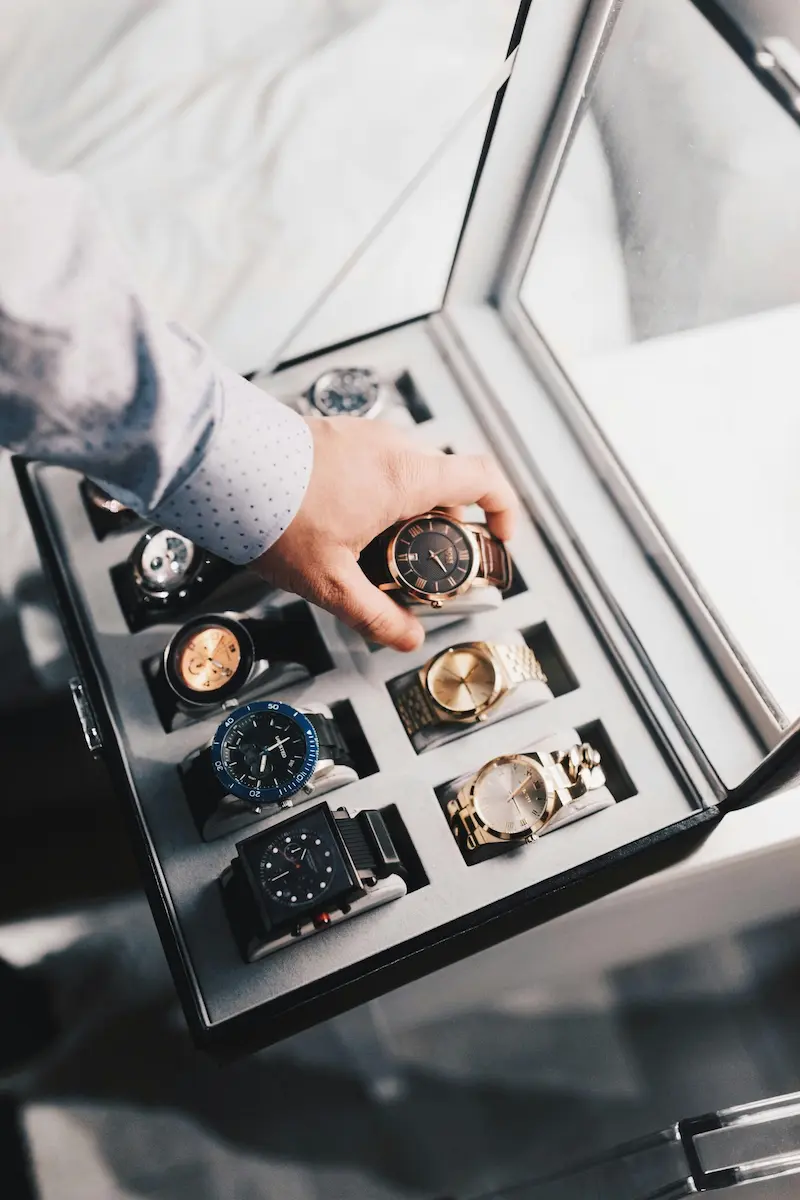
The Conservator's Matrix: Asset Protection
Asset Type | Documentation Priority | Appraisal Frequency | Key Coverage Need | Conservator's Verdict |
Watches | Serial Numbers / Service History | Every 2 Years | Theft & Damage | Essential for "Hype" models. |
Handbags | Blind Stamps / Stitch Detail | Every 3 Years | Market Appreciation | Crucial for Hermès/Chanel. |
Gemstones | GIA Certificates / Macro Shots | Every 5 Years | Loss of Stone | Focus on "Center Stone" value. |
Fine Wine | Cellar Logs / Temp Records | Every 2 Years | Power Outage/Spoilage | Specialized "Cellar" policies needed. |
Curated Documentation Tools
1. The Gold Standard: Collectrium (by Christie’s)
A high-end digital collection management platform that tracks market trends and integrates with insurance providers.
Why it works: It provides Real-Time Valuation based on auction house data.
2. The Smart Value: Fireproof/Waterproof Archival Envelopes
Inexpensive but vital for protecting paper receipts from humidity and "Acid Migration."
Why it works: Prevents the Ink Degradation common in thermal paper receipts.
3. The Specialist Tool: UV Marking Pens (Invisible)
Used to mark inconspicuous areas of luxury items with a unique ID that only shows under Ultraviolet light.
Why it works: Provides a "Hidden Provenance" that can identify your item if it is recovered by law enforcement after a theft.
Effective insurance documentation goes hand-in-hand with professional maintenance.
For instance, if you are insuring high-performance timepieces, your provider will value a history of meticulous care—such as following a conservator’s protocol for Rolex 904L steel
Similarly, for leather goods, proving you have taken steps for protecting Louboutin red lacquered soles or maintaining the integrity of LV Vachetta leather can be a decisive factor in a successful damage claim
FAQ: Troubleshooting Insurance Claims
What is "Agreed Value" vs. "Actual Cash Value"?
"Agreed Value" is the amount you and the insurer agree the item is worth at the start of the policy. "Actual Cash Value" factors in Depreciation, which is disastrous for luxury items that have appreciated in price. Always opt for Agreed Value.
Does my insurance cover me if I lose my ring while traveling?
Only if you have a "Worldwide" floater. Standard policies often have "Geographic Limits." Check your policy for Territorial Limits before taking your collection abroad.
How do I prove authenticity for a vintage item without a receipt?
You will need a Letter of Authenticity from a recognized expert or a specialized authentication service. This serves as "Secondary Provenance" in the absence of a primary bill of sale.
What should I do immediately after a theft?
File a police report and provide your Serial Number database to the "Theft Registry" (e.g., The Watch Register). This flags the item globally, making it nearly impossible for a legitimate dealer to resell it.
Can I insure a collection that is stored in a bank vault?
Yes, and the premiums are significantly lower (often by 50% or more). However, you must notify the insurer when you "Withdraw" the item from the vault for wear, or it will not be covered during that period.
Editorial Notice
This article discusses high-value luxury purchases for informational purposes only. Prices, resale values, and brand availability may change. The Pristine Vault does not provide financial or purchasing advice. Always conduct your own research before making significant purchases.