The Alchemy of Affluence: The Definitive Guide to Investing in Luxury Goods ETFs
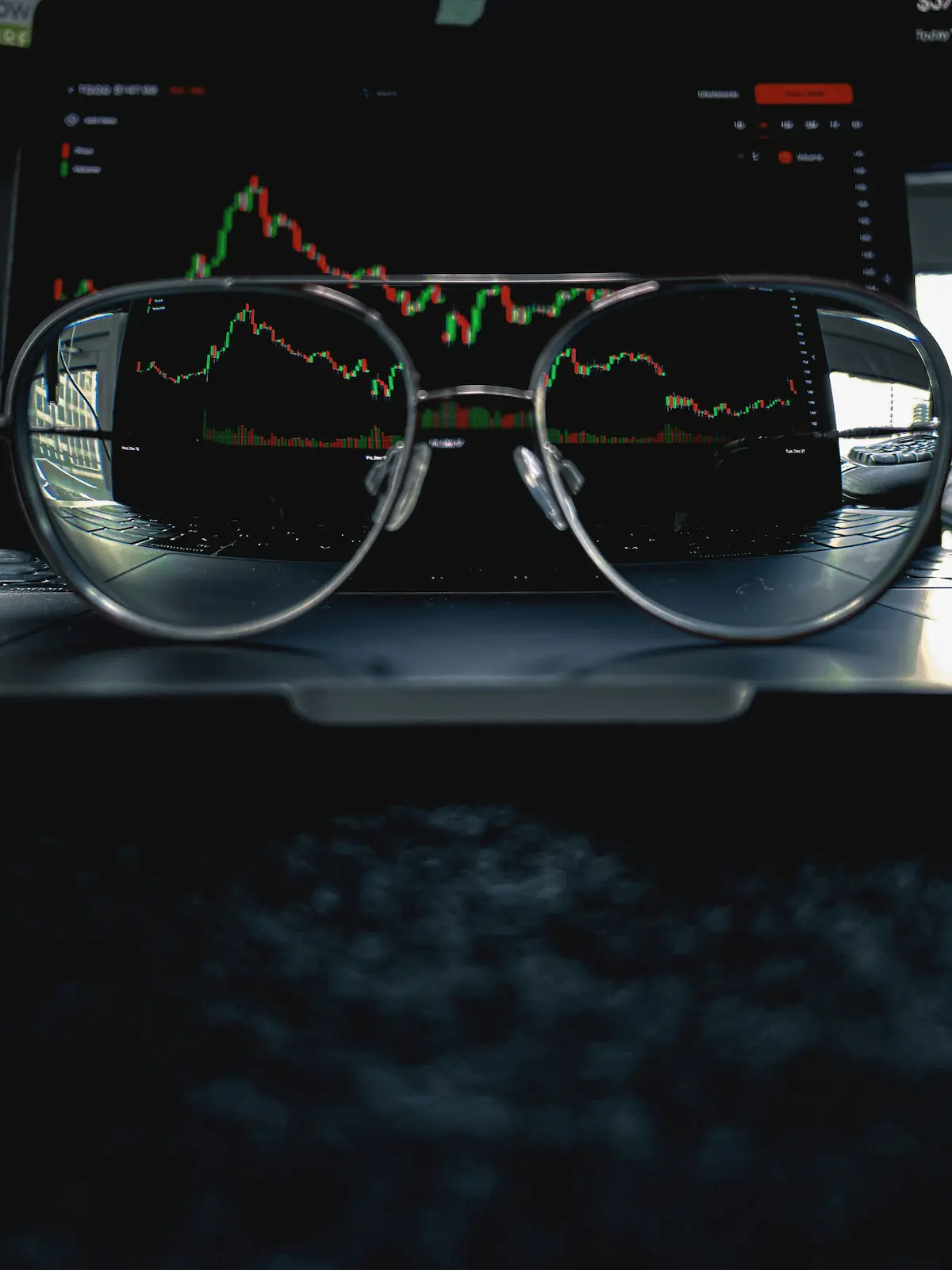
In an era of unprecedented market volatility and inflationary pressures, the global elite have long sought refuge in assets that transcend the whims of the common economy. While the retail sector at large may struggle during fiscal tightening, the pinnacle of the luxury market operates within its own atmospheric pressure.
This is the world of "Veblen goods"—where rarity, heritage, and prestige create a demand curve that defies traditional logic. For the sophisticated investor looking to capture this resilience, the Luxury Goods ETF (Exchange-Traded Fund) represents the ultimate bridge between haute couture and high-finance.
Table of Contents
- 1. Defining the Luxury Moat: Why Luxury is "Recession-Proof"
- 2. What is a Luxury Goods ETF?
- 3. The Pillars of the Portfolio: Analyzing the Key Holdings
- 4. The Strategic Advantages of the ETF Route
- 5. Top Luxury ETFs to Watch in 2026
- 6. ESG and the Future of Luxury Investing
- 7. Risks to Consider: The "China Factor" and Currency Fluctuations
- 8. Conclusion: A Timeless Addition to Your Vault
1. Defining the Luxury Moat: Why Luxury is "Recession-Proof"
To understand the value of a Luxury Goods ETF, one must first understand the structural integrity of the brands within it. Companies like Hermès, LVMH, and Ferrari do not just sell products; they sell "moats." These moats are built on centuries of heritage, unparalleled craftsmanship, and a psychological grip on the concept of status.
Historically, the luxury sector has demonstrated a "first-in, last-out" relationship with economic downturns.
The ultra-high-net-worth (UHNW) demographic, which provides the primary revenue stream for these brands, remains largely insulated from interest rate hikes or fluctuations in the housing market. Consequently, luxury conglomerates possess an extraordinary "pricing power"—the ability to increase prices significantly without a corresponding drop in sales volume.
When inflation rises, a Birkin bag or a Submariner watch simply becomes more expensive, and the demand often grows alongside the price tag.
2. What is a Luxury Goods ETF?
A Luxury Goods ETF is a diversified investment vehicle that tracks an index of companies engaged in the design, production, and distribution of high-end products and services. These funds offer a "basket" approach, allowing investors to gain exposure to the entire luxury ecosystem through a single ticker symbol.
Instead of the high-risk strategy of picking a single fashion house, a Luxury ETF provides a balanced portfolio that includes:
Fashion & Leather Goods: (e.g., LVMH, Kering, Prada)
Hard Luxury (Watches & Jewelry): (e.g., Richemont, Tiffany & Co. via LVMH)
Premium Automotive: (e.g., Ferrari, Porsche, Aston Martin)
High-End Hospitality & Spirits: (e.g., Marriott International’s luxury tier, Diageo, Remy Cointreau)
3. The Pillars of the Portfolio: Analyzing the Key Holdings
A "Pristine" Luxury ETF is typically anchored by several "Titan" stocks. Understanding these companies is crucial for any investor looking to add this asset class to their vault.
LVMH (Louis Vuitton Moët Hennessy)
The undisputed crown jewel of the luxury world. Led by Bernard Arnault, LVMH is a sprawling empire of 75 "Maisons." By investing in an ETF that holds LVMH, you are effectively betting on the continued dominance of names like Dior, Fendi, Givenchy, and Bulgari. Their geographic footprint is massive, with a particularly strong grip on the burgeoning middle-to-upper class in Asia.
Hermès International
If LVMH is the empire, Hermès is the temple. Known for its strict control over supply and its refusal to engage in traditional marketing or celebrity endorsements, Hermès maintains the highest margins in the industry. An ETF’s exposure to Hermès provides a hedge of extreme stability and exclusivity.
However, the valuation of a Birkin is not solely dependent on its rarity, but also on the meticulous preservation of its material. Understanding the nuances between Togo, Epsom, and Clemence is vital for any serious collector, as each hide requires a specific preservation technique to maintain its 'investment-grade' status. For a deeper dive into protecting your assets, explore our comprehensive to ensure your vault remains in pristine condition.
Richemont (Compagnie Financière Richemont SA)
For those interested in "Hard Luxury," Richemont is the essential player. Owners of Cartier and Van Cleef & Arpels, this group dominates the high-end jewelry market—a sector that has historically outperformed traditional fashion during periods of high inflation due to the intrinsic value of precious metals and gemstones.
4. The Strategic Advantages of the ETF Route
Why choose an ETF over individual stocks? For the reader of The Pristine Vault, the answer lies in sophisticated risk management.
Mitigating Creative Risk
In the world of luxury, a brand is often only as good as its Creative Director. If a major house like Gucci (under Kering) undergoes a creative transition that fails to resonate with the market, the stock can suffer. An ETF mitigates this "creative risk" by balancing the underperformance of one house with the explosive growth of another.
Capturing the "Emerging Wealth" Narrative
Luxury Goods ETFs are not just a play on the West. They are a direct investment in the rising wealth of India, Southeast Asia, and the Middle East. As millions of individuals enter the high-income bracket annually, their first discretionary purchases are almost universally tied to the brands held within these ETFs.
5. Top Luxury ETFs to Watch in 2026
When researching for your portfolio, several funds stand out for their liquidity and sector exposure:
GLUX (Amundi S&P Global Luxury ETF): One of the most prominent funds, tracking the S&P Global Luxury Index. It offers broad exposure across 80 of the world’s largest luxury companies.
LUXX (Themes Luxury ETF): A newer entrant that focuses heavily on the "pure-play" luxury brands, excluding many of the mid-tier consumer discretionary stocks that sometimes dilute other funds.
EMRY (Global X S&P 500 Luxury): Often favored by US-based investors looking for a balance between domestic high-end retail and European heritage houses.
6. ESG and the Future of Luxury Investing
The modern luxury investor is increasingly concerned with sustainability. Fortunately, the luxury sector is uniquely positioned to lead in ESG (Environmental, Social, and Governance).
The "Slow Fashion" movement, which emphasizes buying one high-quality item that lasts a lifetime over disposable fast fashion, aligns perfectly with ESG goals. ETFs that filter for companies with high ethical standards in leather sourcing and diamond mining are becoming the gold standard for institutional investors.

7. Risks to Consider: The "China Factor" and Currency Fluctuations
No investment is without its nuances. The luxury sector has a high sensitivity to the Chinese market. Any geopolitical tension or regulatory shifts in China can impact the short-term performance of these ETFs. Additionally, since most major luxury houses are based in Europe (trading in Euros or Swiss Francs), US-based investors must be mindful of currency fluctuations which can affect the fund's net asset value.
8. Conclusion: A Timeless Addition to Your Vault
The allure of luxury is not merely about vanity; it is about the enduring value of excellence. As an investment class, luxury goods have proven to be one of the most resilient sectors in the modern era.
By opting for a Luxury Goods ETF, the investor is not just chasing a trend; they are securing a position in the long-term history of global wealth.
In the pursuit of a pristine portfolio, one must look beyond the noise of the daily ticker and invest in what remains beautiful, rare, and desirable. The luxury market is the ultimate testament to that philosophy.
Don't leave your hard-earned assets vulnerable to theft or unforeseen loss. Discover our comprehensive guide on luxury asset insurance and documentation to ensure your collection is fully protected by law and policy
Investment Disclaimer
The information in this article is provided for educational and informational purposes only and does not constitute financial, investment, or legal advice. Luxury collectibles — including watches, handbags, and alternative assets — carry inherent market risks, and past performance is not indicative of future results. Always consult a qualified financial advisor before making any investment decisions. The Pristine Vault assumes no liability for actions taken based on this content.