Removing Scratches from Rolex 904L Steel: A Conservator’s Protocol
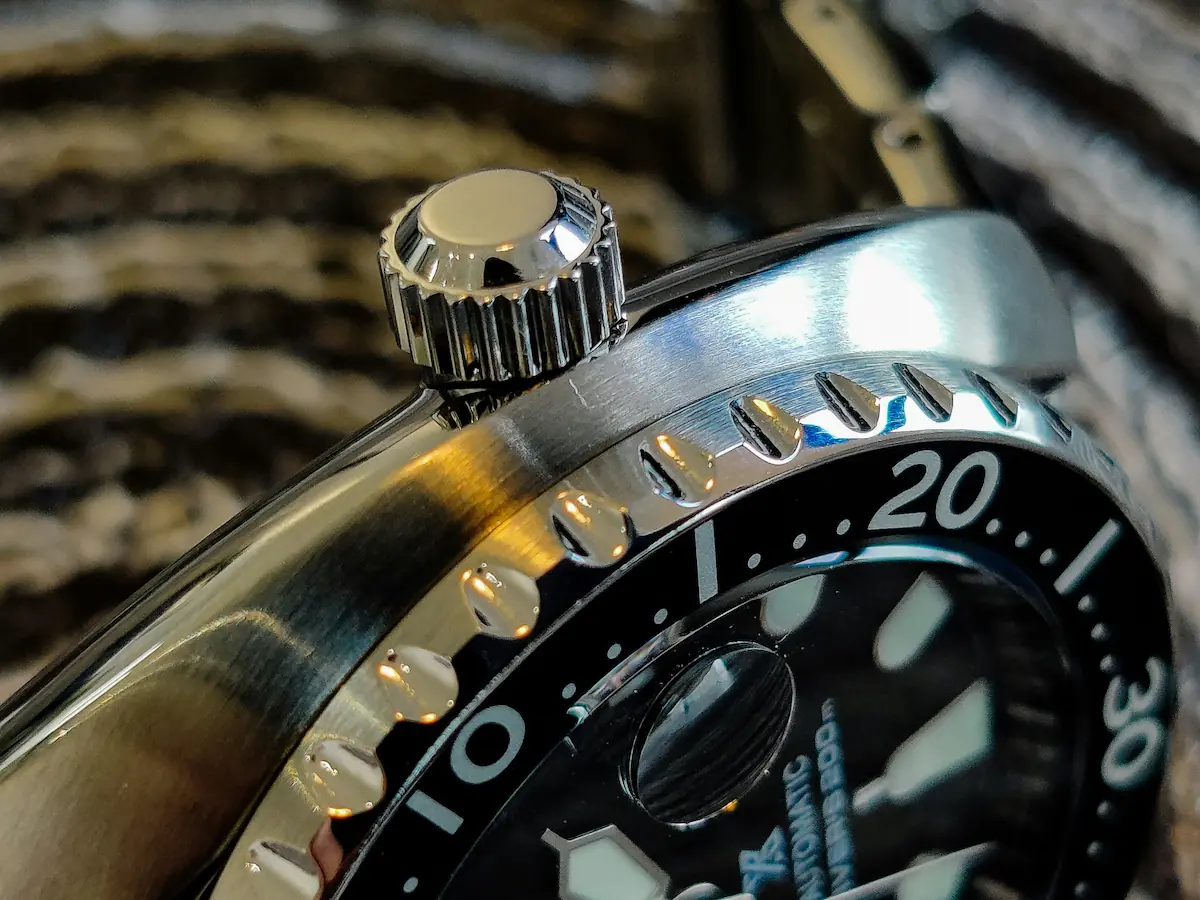
Surface hairline scratches on Rolex 904L stainless steel can be mitigated using a high-grade Cape Cod polishing cloth for mirrored surfaces or a specialized Bergeon satin finishing block for brushed areas. Always mask off contrasting finishes with polyimide tape to prevent cross-contamination of textures.
Professional refinishing is required for deep structural gouges to maintain case geometry. Failing to address surface abrasions on a Rolex Oystersteel bracelet leads to "Scuff Oxidation," a micro-level degradation that dulls the proprietary 904L luster over time.
This principle of material integrity is universal in luxury; much like How to Clean LV Vachetta Leather requires immediate attention to prevent permanent degradation, a battered bezel suggests a lack of attention to detail that transcends horology.
Maintaining the "factory finish" is not vanity—it is capital preservation.
The Science of 904L Oystersteel
To restore a Rolex, one must understand that 904L stainless steel is fundamentally different from the 316L steel used by almost every other watchmaker. 904L contains higher levels of Chromium, Molybdenum, Nickel, and Copper.
Chemically, this increases its Passivity and resistance to Pitting Corrosion, especially in chloride-rich environments (saltwater and perspiration).
However, the trade-off for this superior corrosion resistance is a slightly lower Vickers Hardness compared to some ceramic or hardened steel alternatives.
This makes the surface prone to "desk diving" marks—fine scratches on the clasp and center links caused by friction against laptops or stone countertops.
These marks are disruptions in the Passive Oxide Layer of the steel. Proper restoration isn't about "filling" the scratch; it is about microscopically leveling the surrounding Grain to restore light refraction.
Restoration Protocol: The Home Conservator’s Method
Step 1: Ultrasonic Decontamination
Before any abrasive contact, the watch must be stripped of Sebum, salt crystals, and urban Particulates. If the watch is water-resistant (certified), wash it in lukewarm distilled water with a pH-neutral Surfactant. A single grain of sand trapped under your polishing cloth will act as a rogue abrasive, creating deeper Linear Scratches.
WARNING / RED FLAG: Never attempt to polish a watch that has visible dirt or grime. You will inadvertently "grind" the dirt into the steel pores, causing permanent disfigurement of the finish.
Step 2: Precision Masking
Rolex bracelets often feature a "Two-Tone" texture: brushed outer links and polished center links. Use high-heat polyimide tape (Kapton) to cover the brushed areas when working on polished steel, and vice-versa. This protects the Anisotropy (directional grain) of the finish.
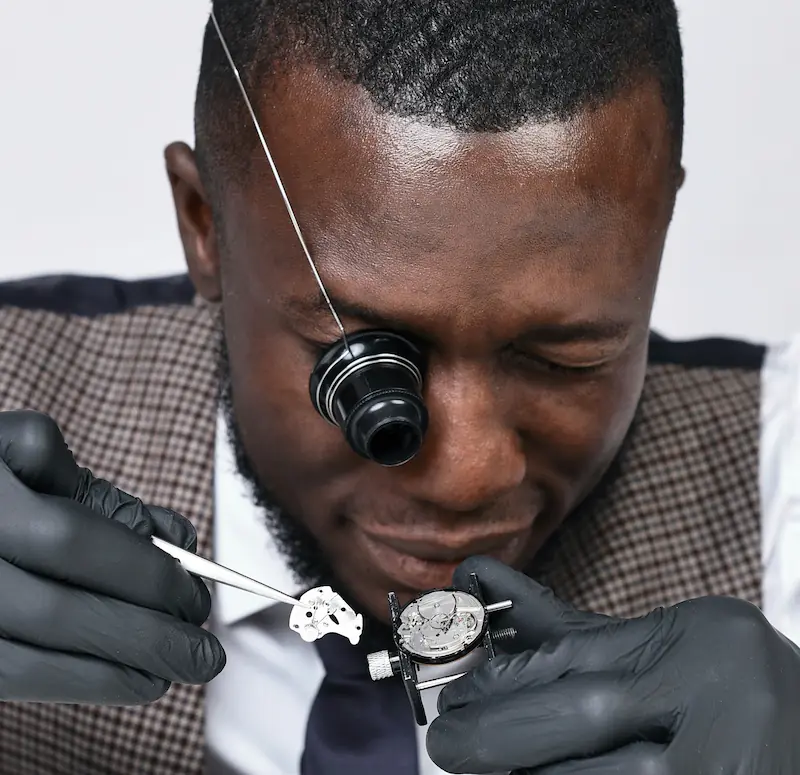
Step 3: Polishing the Mirrored Surfaces
For the high-polish center links and case sides, use a specialized pre-moistened cloth impregnated with ultra-fine Emollients and sub-micron abrasives.
Apply light, consistent pressure in a circular motion. The goal is to induce a minor Thermal Reaction that allows the metal surface to flow and level at a molecular level.
Step 4: Grain Alignment for Brushed Finishes
To restore the "satin" look on the lugs or outer links, use a synthetic abrasive pad (fine grade). You must move the pad in a single, unwavering unidirectional stroke that matches the original factory grain.
Maintaining this signature "dull shine" is as essential to a professional look as keeping your White Leather Tennis Shoes spotless.
The Conservator's Matrix: Polishing Options
Method / Product | Risk Level | Time Required | Conservator's Verdict |
Cape Cod Cloths | Low | 15 Mins | Best for DIY light scratch removal. |
Bergeon Finishing Pen | Medium | 10 Mins | Precise, but requires a steady hand. |
Diamond Paste (.25 micron) | High | 30 Mins | For experienced restorers only. |
Professional Service | Very Low | 4 Weeks | Essential for deep gouges/vintage. |
Curated Restoration Tools
The Gold Standard: Cape Cod Metal Polishing Tin
These cloths are engineered with a specific chemical saturation that is safe for 904L steel. They do not "cut" deep but refine the surface.
The Smart Value: Bergeon 5444-A Satin Finishing Block
A Swiss-made tool used by watchmakers to maintain the brushed texture on luxury bracelets.
The Specialist Tool: Horofix Polyimide Masking Tape
Crucial for protecting the contrasting finishes on a Submariner or Datejust bracelet.
FAQ: Troubleshooting 904L Restoration
What if my Rolex has a "High-Value" vintage patina?
Do not polish it. Collectors value original case thickness. An "unpolished" vintage Rolex is worth significantly more.
Can I use toothpaste to remove scratches?
Absolutely not. Toothpaste contains Silica particles of inconsistent sizes that will leave a "cloudy" finish.
Are the scratches on the sapphire crystal removable?
No. Rolex uses synthetic sapphire (Mohs 9). Scratches on the crystal mean the structure is compromised; it must be replaced.
Secure Your Investment Beyond Maintenance" "While professional cleaning and physical protection are vital, the ultimate safeguard for any high-value collection is a robust insurance policy.
Don't leave your hard-earned assets vulnerable to theft or unforeseen loss. Discover our comprehensive guide on luxury asset insurance and documentation to ensure your collection is fully protected by law and policy.