6 Signs Your Automatic Watch Needs Servicing Before it Breaks
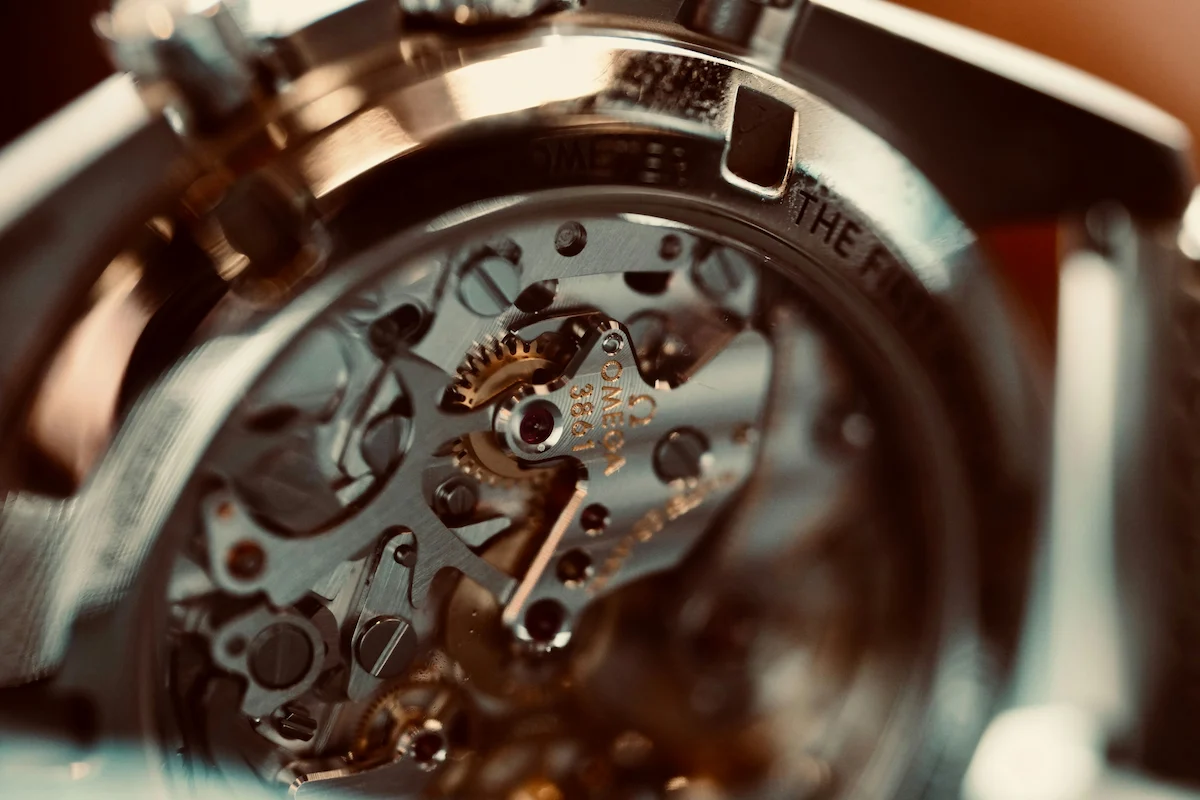
Most owners miss the signs your automatic watch needs servicing until something expensive breaks. A luxury timepiece does not just stop working one day without warning. It whispers first. Subtle changes in timekeeping, odd sounds, or a sluggish second hand are your watch asking for help. The question is whether you are paying close enough attention to hear it.
Your automatic watch is a mechanical marvel. Hundreds of tiny components work together inside that case. Gears, springs, jewels, and lubricants all moving in precise harmony.
But harmony does not last forever without maintenance.
This guide covers the warning signs that tell you service is due. You will learn what happens when you ignore them. You will also learn how to keep your timepiece running accurately for decades.
Whether you own a Rolex Submariner, an Omega Speedmaster, or a Patek Philippe Calatrava, these signals are universal. Recognizing them early is the difference between a routine service and a devastating repair bill.
Table of Contents
Your Watch Is Losing or Gaining Time
This is often the first sign something has shifted inside the movement.
What Is Normal
Every mechanical watch drifts slightly. That is expected. Most COSC-certified chronometers are accurate to within -4/+6 seconds per day. A well-regulated movement from a top-tier manufacturer might hold within +/- 2 seconds daily.
But if your Rolex is suddenly gaining 20 seconds a day, or your Jaeger-LeCoultre loses a full minute over a weekend, something has changed.
Why It Happens
The most common culprit is degraded lubricant. Watch oils dry out or thicken over time. This creates friction between components that should glide past each other effortlessly.
Magnetization is another frequent offender. Bring your phone too close to your watch too often, and the hairspring can become magnetized. This causes the watch to run dramatically fast.
Download a free timegrapher app on your phone to track accuracy over several days. If you consistently see drift beyond the manufacturer's stated tolerance, book a service.
The Second Hand Stutters or Skips
The sweep of an automatic watch should be smooth and consistent.
What Normal Looks Like
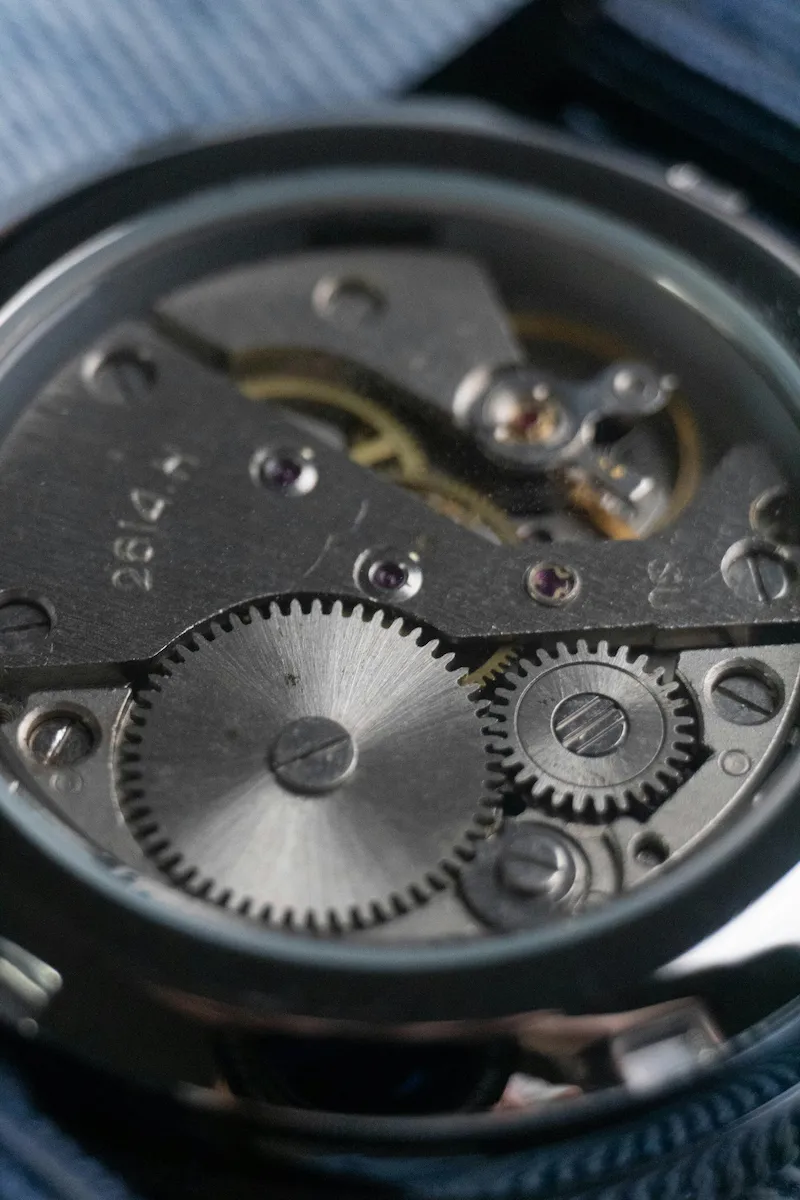
An automatic watch's second hand glides in a sweeping motion. Most movements beat at 6 or 8 times per second. The motion should be fluid and uninterrupted.
If that sweep starts to stutter, hesitate, or skip positions, the movement is struggling.
What Is Going Wrong
Stuttering usually points to a mainspring issue or worn gear teeth. Sometimes a tiny speck of debris gets caught between components. This could be dried lubricant or a microscopic metal shaving disrupting the gear train.
This problem does not fix itself. Left alone, that stutter puts uneven stress on surrounding parts. Wear accelerates across the entire movement.
Moisture Inside the Case
Condensation inside your watch is never cosmetic. It signals a serious problem.
The Warning Sign
If you notice fogging on the inside of your crystal, even briefly, your watch's water resistance has been compromised. Gaskets degrade over time. A single exposure to moisture can corrode movement components within days.
The Damage You Cannot See Yet
Water and steel do not get along. Moisture inside a watch case attacks the delicate finishing on movement plates. It rusts steel components and contaminates lubricants.
By the time you see visible rust, the damage is already extensive.
If you spot condensation, do not wait. Do not try to dry it out with rice or silica packets. Get it to a certified watchmaker immediately.
The Crown Feels Different
Your fingers know how your watch should feel. Trust them.
What To Notice
You wind and set your watch regularly. You know the resistance, the clicks, the smooth pull to the time-setting position. When any of that changes, pay attention.
Specific Warning Signs
Grinding or crunching when winding indicates a worn winding stem or damaged keyless works.
The crown feels loose or wobbles. The crown tube or gasket may be worn.
No resistance at all when winding suggests a potential mainspring issue.
Difficulty pulling the crown out to set the time points to dried lubricant or a bent stem.
A crown that does not screw down properly also compromises water resistance. This puts the entire movement at risk.
Want to keep all these tips in one place? Download our "Luxury Watch Maintenance Mastery" — a complete 9-page checklist system trusted by serious collectors. Get it here
Unusual Sounds From the Movement
When silence breaks, something is wrong.
Normal Sounds
A healthy automatic movement produces a consistent, quiet ticking. You might hear the gentle whir of the rotor spinning when you move your wrist. These are normal.
Abnormal Sounds
Grinding, clicking, rattling, or any sound that was not there before signals trouble.
A loose rotor bearing creates a distinct metallic rattle. Worn gear teeth produce a faint grinding during winding. These sounds mean metal is contacting metal in ways the watchmaker never intended.
Hold your watch to your ear in a quiet room. Slowly rotate it through different positions. Any inconsistency in sound between positions could indicate a positional error. This is a classic sign that service is overdue.
The Power Reserve Has Shortened
Your watch used to last longer between windings. Now it does not.
What To Notice
Most modern automatic movements offer a 40 to 72 hour power reserve when fully wound. If your watch used to run through the weekend on a full wind and now dies Saturday morning, something is wrong.
Common Causes
A worn mainspring loses elasticity after years of coiling and uncoiling.
A dirty or damaged rotor bearing prevents the rotor from spinning freely. It winds the mainspring less efficiently.
Dried lubricants create friction throughout the gear train. Stored energy drains faster.
Track your power reserve over a few cycles. If the pattern holds, seek professional attention.
For a deeper understanding of how power reserve works, see our guide on watches for inflation-proof portfolios.
How to Stay Ahead of Problems
Prevention costs far less than repair. These practices protect your investment.
Follow Manufacturer Service Intervals
Rolex recommends service every 10 years. Omega says 5 to 8 years. Patek Philippe suggests 3 to 5 years.
Do not push past these windows. Lubricants degrade whether you wear the watch or not.
Collectors already know this secret. Luxury watches outperform most traditional investments. See the data here
Keep a Service Log
Record every service date, what was done, and who performed the work. This history adds real value at resale. It also helps future watchmakers understand what they are working with.
Avoid DIY Fixes
Opening a caseback without proper tools risks scratching the case. You might damage the gasket or introduce dust into the movement. Leave internal work to certified professionals.
Store Unworn Watches on a Quality Winder
A good winder keeps lubricants distributed and prevents seals from drying out. A bad one overwears the movement.
Research the correct turns-per-day setting for your specific caliber before using any winder.
Test Water Resistance Annually
Even if you never swim with your watch, gaskets degrade with age. A simple pressure test costs $20 to $40 and takes minutes.
Keep Your Watch Away From Strong Magnets
Speakers, laptop clasps, phone cases with magnetic mounts, and MRI machines can magnetize your movement instantly. Be mindful of where you place your watch.
Frequently Asked Questions
How often does an automatic watch need servicing?
Most manufacturers recommend every 3 to 10 years depending on the brand and movement. Rolex's newer movements can stretch to 10 years. Older or more complicated calibers may need attention every 3 to 5 years.
How much does a full watch service cost?
Expect $300 to $800 for a standard three-hand automatic from a major brand through an authorized service center. Complicated watches like chronographs, perpetual calendars, and minute repeaters can run $1,000 to $5,000 or more.
Can I service my automatic watch myself?
Not advisable unless you are a trained watchmaker. Modern movements require specialized tools, clean-room conditions, and precise calibration equipment. A well-intentioned DIY attempt can cause more damage than it prevents.
Does wearing my watch every day wear it out faster?
Daily wear does increase mechanical wear. However, automatic watches are designed for regular use. Consistent wearing actually keeps lubricants distributed more evenly.
The bigger risk is wearing it in harsh environments. Extreme heat, heavy vibration, or water exposure beyond its rated depth cause more damage than daily wear.
What happens if I skip a recommended service?
Lubricants dry out and turn abrasive. Metal-on-metal friction increases. Components that would have needed simple cleaning now need replacement.
A $500 service becomes a $2,000 overhaul. The math is straightforward.
Is magnetization covered under warranty?
Usually not. Magnetization is considered environmental exposure rather than a defect. However, demagnetization is quick and inexpensive. Most watchmakers charge $20 to $50. Some do it free as a courtesy.
Ready to protect your investment? Our "Luxury Watch Maintenance Mastery" checklist gives you everything in one place
Final Thoughts
Recognizing the signs your automatic watch needs servicing protects your investment. It also prevents catastrophic repair costs.
Time drift. Second-hand stuttering. Moisture intrusion. Crown irregularities. Unusual sounds. Shrinking power reserve. These are all your watch communicating clearly.
Listen to it.
A routine service keeps a fine timepiece running for generations. Neglect turns a simple maintenance visit into a parts-and-labor nightmare.
If any of the symptoms above sound familiar, book a consultation with a certified watchmaker. Do it sooner rather than later.
Your watch and your wallet will thank you.
Don't leave your hard-earned assets vulnerable to theft or unforeseen loss. Discover our comprehensive guide on luxury asset insurance and documentation to ensure your collection is fully protected by law and policy