The Collector’s Guide to Exotic Leathers: Preserving Crocodile and Alligator Masterpieces
In the hierarchy of luxury materials, exotic skins—specifically Crocodilian leathers—sit at the undisputed apex. Whether it is a Hermès Birkin Faubourg, a bespoke Niloticus wallet, or a pair of Porosus crocodile loafers, these items represent more than just wealth; they are biological masterpieces. However, unlike bovine leather, exotic skins are structurally complex and notoriously temperamental.
For the serious collector, "cleaning" is an insufficient concept. One must practice preservation. In this guide, we will dissect the unique requirements of maintaining Crocodile and Alligator assets to ensure they retain their luster, suppleness, and market value for decades.
Table of Contents
- 1. Biological Composition: Why Exotic Skin is Different
- 2. The Golden Rules of Environmental Control
- 3. Maintenance Rituals for Shiny (Lisse) Finishes
- 4. Maintenance Rituals for Matte Finishes
- 5. Structural Preservation: Gravity and Form
- 6. Professional Cleaning: When to Step Back
- 7. Conclusion: The Responsibility of Ownership
1. Biological Composition: Why Exotic Skin is Different
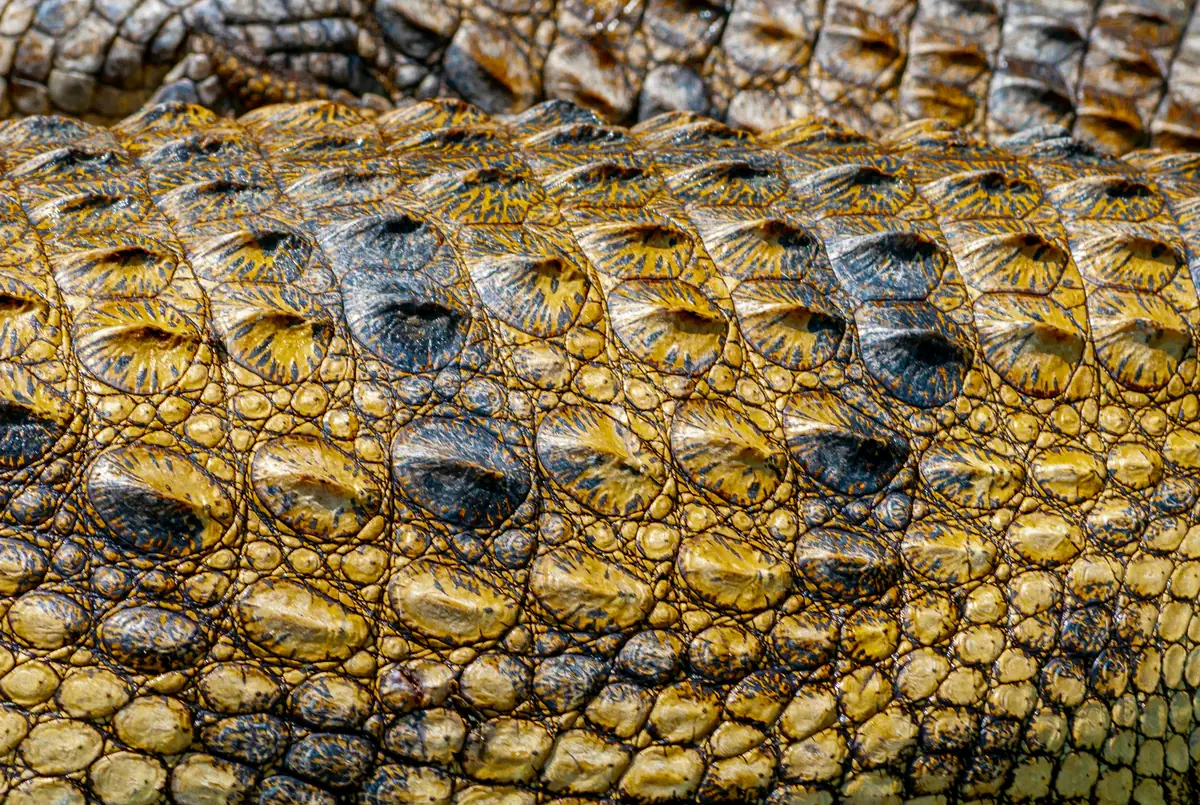
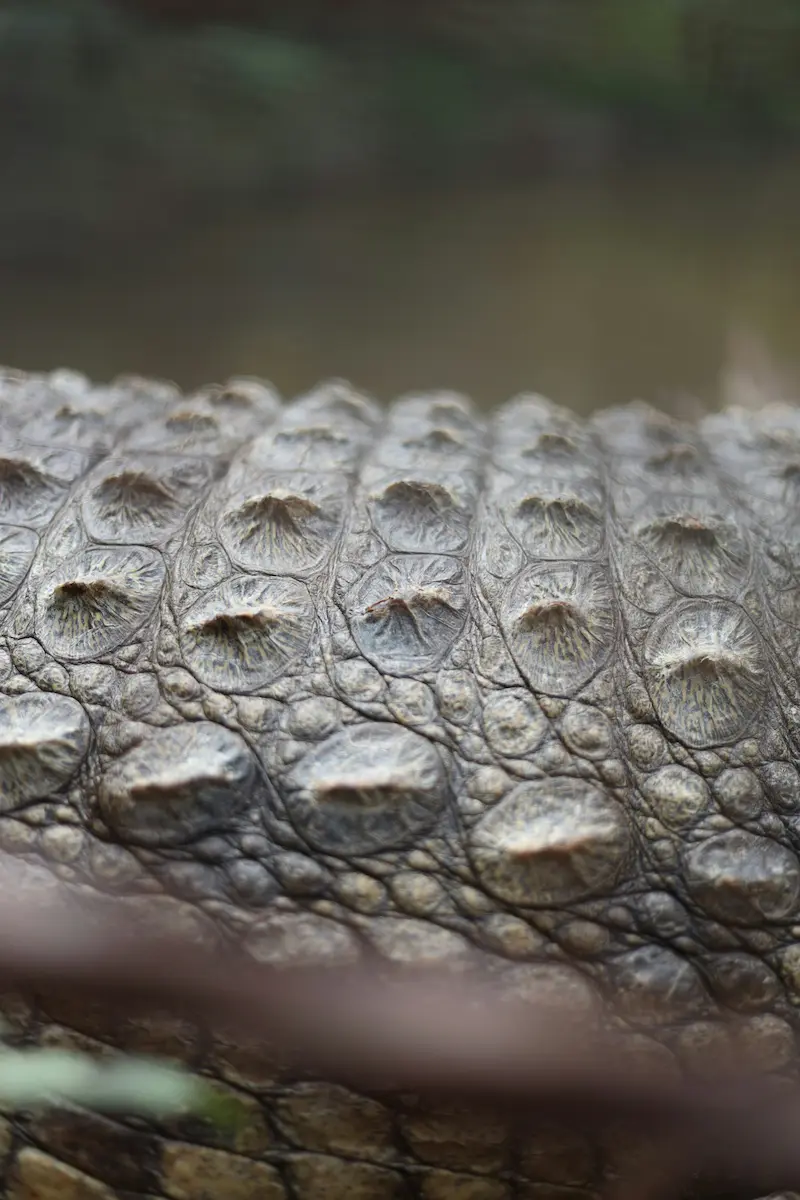
To care for exotic leather, one must understand its anatomy. Crocodile and Alligator skins are composed of scales (scutes) separated by soft membranes (interstitial skin).
The Scale: This part is dense and relatively water-resistant but prone to becoming brittle if the natural oils evaporate.
The Membrane: This is the "joint" that allows the leather to remain flexible. If these membranes dry out, the leather will crack, and unlike calfskin, a crack in an exotic skin is often irreparable.
Furthermore, most luxury exotic goods feature either a Lisse (Shiny) or Matte finish. Each requires a diametrically opposed maintenance strategy.
2. The Golden Rules of Environmental Control
Exotic skins are hyper-sensitive to their surroundings. They are "hygroscopic," meaning they constantly exchange moisture with the air.
Humidity: The 50% Benchmark
Storing a crocodile bag in a room with low humidity (below 40%) will cause the scales to lift and peel. Conversely, high humidity (above 60%) invites fungal growth between the scales. Pristine Vault recommends a dedicated humidor-style cabinet or a room controlled by a high-precision dehumidifier set to a constant 50% RH.
Heat and Light
Direct sunlight is the primary cause of "fading" in dyed exotic skins. UV rays break down the protein bonds in the skin and bleach the pigment. Never store your exotics near a window or under high-intensity LED display lights. Heat from radiators or electronics will also suck the moisture out of the membranes, leading to the dreaded "stiffening" of the bag.
3. Maintenance Rituals for Shiny (Lisse) Finishes
The high-gloss finish found on many luxury crocodile bags is achieved through "agate-stone buffing"—a process of intense heat and pressure. It is not a plastic coating; it is a protein-based shine.
The Soft Wipe: Use only a dry, untreated, high-quality flannel cloth. After every use, gently buff the scales to remove fingerprints and dust.
Water Avoidance: Water is the enemy of a Lisse finish. A single raindrop can leave a permanent "matte spot" because it raises the fibers of the protein finish. If your bag gets wet, dabbing it immediately with a dry cloth is the only recourse.
Storage: Always store shiny exotics with acid-free tissue paper between the handles and the body to prevent "sticking" or pressure marks.
4. Maintenance Rituals for Matte Finishes
Matte crocodile leather is prized for its velvety feel and its ability to develop a natural patina over time. However, it is much more porous than its shiny counterpart.
Oil Sensitivity: Matte skins absorb skin oils and hand creams instantly. This leads to darkening in specific areas (like handles). We recommend using a silk scarf—similar to the techniques mentioned in our guide on Storing Hermès Silk Scarves—to wrap handles and prevent direct skin contact.
Conditioning: Use only specialized exotic leather conditioners (such as Saphir Reptan). Never use standard leather creams, as they contain waxes that will clog the scales and ruin the matte aesthetic.
5. Structural Preservation: Gravity and Form
The weight of a crocodile skin bag is significant. Because the skin is made of plates (scales), it does not "stretch" evenly like calfskin; instead, it "folds."
The Internal Support: Use custom-made silk pillows. Avoid over-stuffing, which can put pressure on the stitching between scales.
Hardware Care: The weight of the scales often puts stress on the hardware attachments. Ensure that when stored, the bag is not leaning to one side. This is a principle of structural integrity we also emphasize in our analysis of The Ultimate Chanel Handbag Preservation.
6. Professional Cleaning: When to Step Back
Unlike our tutorial on How to Clean LV Vachetta Leather, where mild home intervention is possible, exotic skins often require professional spa treatments.
If you notice:
Lifting Scales: Where the edges of the scales start to turn upward.
Clouding: When a shiny finish loses its transparency.
Membrane Cracking: Small white lines appearing between scales.
Stop all home care and consult a specialist. Attempting to "re-shine" a crocodile bag with home products will often result in a permanent, sticky residue that destroys the item's resale value.
The Professional Maintenance Protocol: Step-by-Step
To ensure your exotic assets remain in gallery-grade condition, follow this bi-annual maintenance routine. Using the right products is not just a preference; it is a requirement to prevent chemical reactions that can ruin the skin.
Step 1: The Dry Dusting Before applying any treatment, use a premium horsehair brush or a clean flannel cloth to gently remove dust from the interstitial membranes (the gaps between scales). Dust acts as a microscopic abrasive; if you apply cream over dust, you risk scratching the finish.
Step 2: Hydration with Specialized Formulas Exotic skins lack the natural oils of living animals. We recommend applying Saphir Reptan, a specialized conditioner formulated specifically for crocodilians.
Instruction: Apply a pea-sized amount to a soft cloth, not directly to the leather. Massage it in the direction of the scales—never against them—to prevent lifting.
Step 3: The Buffing Process After allowing the conditioner to dry for 10–15 minutes, use a fresh, dry cloth to buff the surface. For a Lisse (Shiny) finish, use rapid, light strokes to reactivate the protein glow. For Matte finishes, a very light circular motion is sufficient to restore the velvety texture without adding artificial shine.
Step 4: Monitoring the Environment Preservation is a 24/7 task. We highly recommend placing a WiFi-enabled Digital Hygrometer inside your storage vault. This allows you to monitor humidity levels (ideal at 50%) directly from your smartphone, ensuring your collection is never exposed to the drying effects of malfunctioning air conditioning.
7. Conclusion: The Responsibility of Ownership
Owning a piece of exotic leather is a journey of stewardship. These materials are a legacy of nature and human craftsmanship. By maintaining the delicate balance of humidity, light protection, and proper physical support, you are ensuring that your investment remains a pristine example of luxury.
At Pristine Vault, we understand that the value of an exotic asset is directly proportional to the discipline of its owner. Treat your crocodile and alligator pieces with the reverence they deserve, and they will remain timeless icons in your collection.
Don't leave your hard-earned assets vulnerable to theft or unforeseen loss. Discover our comprehensive guide on luxury asset insurance and documentation to ensure your collection is fully protected by law and policy