Birkin vs. S&P 500: The Blue-Chip Handbag That Beats the Market
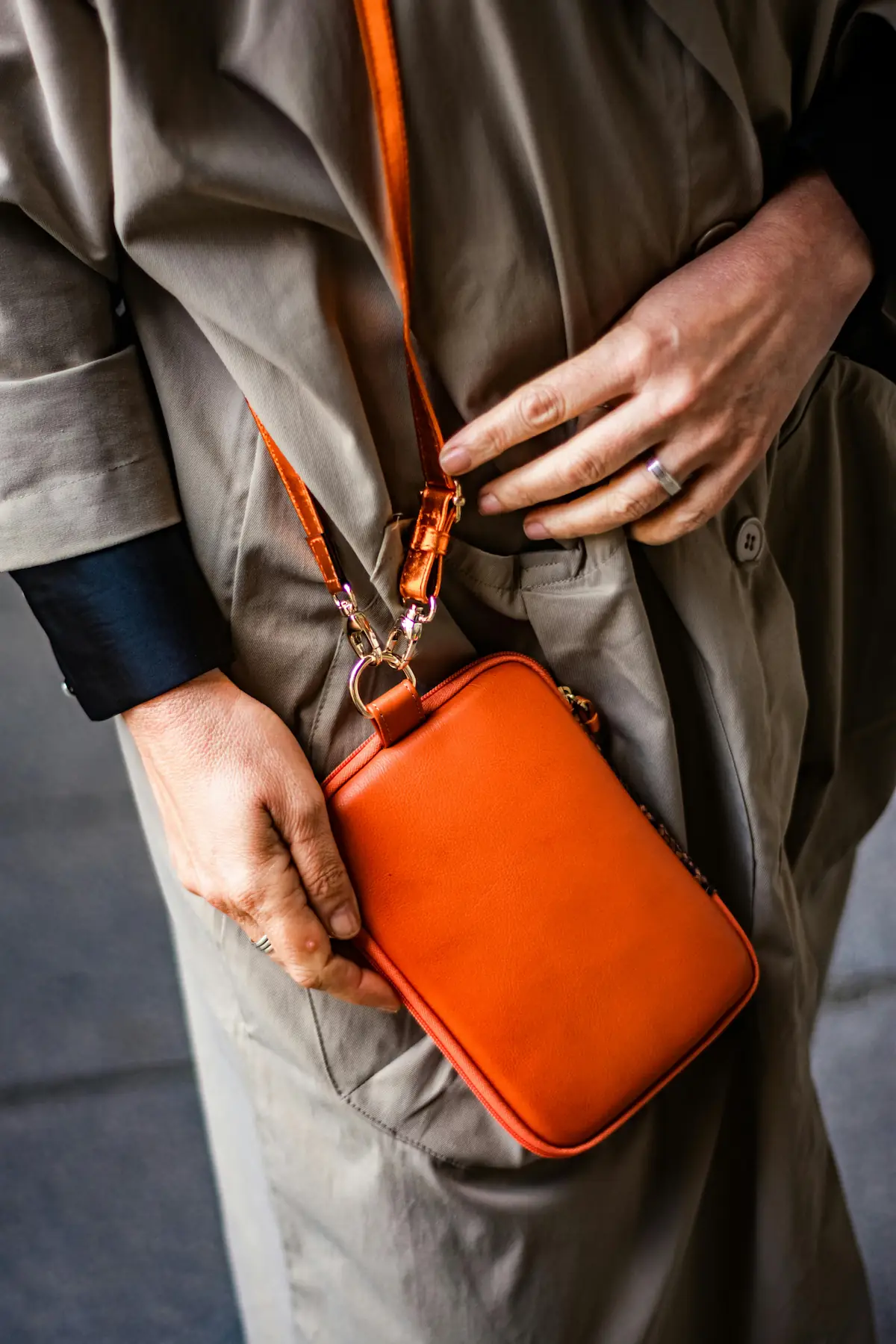
The blue-chip handbag isn't a metaphor. It's real money. Over the past twenty years, Hermès Birkin bags have quietly beaten the S&P 500. We're talking annualized returns that would make any fund manager uncomfortable. If you own one, you're not just carrying a handbag. You're carrying an asset class.
Yeah. A handbag beat the stock market.
You've probably heard someone compare a Birkin to a stock investment before. Maybe you laughed it off. But the resale numbers are wild. And they keep climbing.
This article breaks down why the Birkin became a legitimate alternative investment. What drives its value. And most importantly, how the way you store and care for your bag determines whether it goes up or down. If you own luxury handbags or you're thinking about your first serious purchase, keep reading.
Table of Contents
The Numbers Are Wild: Birkin Returns vs. the Stock Market
A 2023 study from Art Market Research tracked Hermès Birkin prices over twenty years. The result? Roughly 500% appreciation. During the same period, the S&P 500 returned about 300%.
A $10,000 Birkin from 2003 could sell for $50,000 today. Maybe more if it's in perfect shape. That same $10,000 in an index fund? Around $30,000.
The Birkin doesn't pay dividends. You can't sell it with one tap on your phone during lunch. But it also doesn't crash 30% in a single quarter because some bank collapsed.
Here's how they compare:
Birkin Bag: 20-Year Return approximately 500%. Annual Appreciation around 9-14%. Low volatility. Moderate liquidity. Requires maintenance. High emotional enjoyment.
S&P 500: 20-Year Return approximately 300%. Annual Appreciation around 7-10%. High volatility. High liquidity. No maintenance. Minimal emotional enjoyment.
What Makes a Handbag Blue-Chip
Not every luxury bag qualifies. The term belongs to a small group. Primarily the Birkin and Kelly from Hermès. Some Chanel flap bags make the cut too. These hold value or increase over time regardless of what the economy does.
What separates them from whatever designer bag is trending on Instagram this week?
Three things. Heritage. Scarcity. And demand that always exceeds supply.
During the 2008 financial crisis, stocks crashed. Birkin resale prices barely moved. In 2020, they actually went up during lockdowns. Collectors turned to tangible luxury assets when everything else felt uncertain.
This resilience earns the blue-chip label. The same term Wall Street uses for its most stable performers.
How Hermès Engineers Desire
Hermès doesn't just sell handbags. They manufacture exclusivity.
You can't walk into a boutique and buy a Birkin. No waitlist exists. Officially. You need purchase history. A relationship with your sales associate. Sometimes years of patience.
This friction is the point.
Every Birkin is handcrafted by a single artisan. It takes 18 to 25 hours per bag. Annual production sits around 70,000 to 80,000 units across all styles and sizes. Compare that to millions of bags from other luxury brands. The supply-demand gap becomes obvious.
Then there's the stratosphere. Himalaya Birkins. Crocodile skins. Diamond hardware.
A matte white Himalaya Niloticus Crocodile Birkin 30 with 18K white gold and diamond hardware sold at Christie's for $379,261 in 2022. These pieces function more like fine art than accessories. They trade accordingly.
This Is Where Most Owners Mess Up
A Birkin in excellent condition can appreciate 10-15% annually. The same bag with corner wear, a stained interior, or tarnished hardware? It might sell at retail price. Or below.
The gap between pristine and good condition at auction runs $5,000 to $15,000. Sometimes more. That's real money lost because a bag wasn't stored properly.
Resale buyers inspect everything. Corner and edge condition shows wear first. Hardware scratches catch the light at auction previews. Interior stains from lipstick, pens, or perfume kill value instantly. Dried-out leather signals neglect. Missing original packaging raises red flags.
No dust bag? That costs you. No box? More money gone. Missing the lock, keys, or clochette? Buyers walk away.

How to Protect Your Investment
Think of your Birkin like a vintage car. Value depends entirely on maintenance.
Storing It Right
Stuff the interior with acid-free tissue paper. This maintains shape. Store the bag upright. Never on its side. Never stacked under other bags.
Use the original dust bag. Lost it? Get a breathable cotton alternative. Never plastic. Plastic traps moisture and promotes mold.
Keep the bag in a climate-controlled space. Heat, humidity, and direct sunlight destroy leather. Period.
Handling Hardware
Wrap the lock and keys in soft cloth when not in use. Don't touch hardware with lotion or sanitizer still wet on your hands. Palladium holds up better than gold plating. But both show wear over time.
Rotating Your Collection
Don't carry the same Birkin every day. Rotation reduces cumulative wear. It gives leather time to rest and breathe. Serious collectors designate certain bags as shelf pieces. Carried rarely. Sometimes never.
Keep a simple log of when you use each bag. Sounds excessive. But documented minimal use adds credibility during resale.
Documenting Everything
Photograph your bag from every angle when you receive it. Keep all receipts. All certificates. The same archival documentation methods used for gemstone jewelry work perfectly for luxury handbags—proper records protect value long-term.
Knowing When to Get Help
Small scratches on Togo or Clemence leather can sometimes be buffed at home. Anything beyond that should go to a specialist. Color transfer. Deep scuffs. Water damage. DIY cleaning with the wrong product can permanently damage leather and destroy resale value overnight.
Mistakes That Kill Resale Value
Avoid these if you want appreciation instead of depreciation.
Spraying perfume while wearing the bag. Fragrance chemicals break down leather over time. They leave irreversible stains on lighter colors.
Storing in plastic. Plastic traps moisture. Mold grows. Use breathable fabric only.
Ignoring minor damage. A small scratch today becomes a crack next year. Address issues early.
Losing original accessories. Buyers want the complete package. Lock. Keys. Clochette. Dust bag. Box. Rain cover. Guard all of them.
Overcleaning. Wiping your bag after every use with chemical cleaners strips the leather's natural oils. A soft dry cloth is usually enough.
Frequently Asked Questions
Do all Birkin bags appreciate in value?
Most do. But appreciation depends on color, leather type, hardware, size, and condition. Neutral colors in classic leathers like Togo, Epsom, and Clemence hold value most reliably.
Is a Birkin actually better than stocks?
In pure return terms over twenty years, data suggests yes. But stocks offer liquidity, dividends, and diversification. A single handbag can't provide those. Smart approach? Treat a Birkin as one asset within a broader portfolio. Not a replacement for one.
How much does condition affect resale price?
Enormously. The difference between pristine and very good at auction can run $5,000 to $20,000 depending on the model. Corner wear, hardware tarnish, and missing accessories hurt the most.
What's the best Birkin to buy as an investment?
Birkin 25 and 30 in neutral colors. Gold. Etoupe. Black. Etain. Gold hardware tends to deliver strong, consistent returns. Exotic skins offer higher ceilings but carry more risk and need specialized care.
Should I use my Birkin or keep it sealed?
Personal decision. Unused bags in original packaging command highest premiums. But a well-maintained, lightly used Birkin still appreciates significantly. Proper care between uses is what matters.
How do I authenticate my Birkin for resale?
Use reputable services like Entrupy or Real Authentication. Auction houses like Christie's and Sotheby's authenticate in-house. Never rely solely on a seller's word. And don't expect buyers to rely on yours.
The Bottom Line
The blue-chip handbag isn't a trend. It's a documented asset class. The Birkin sits at the top.
But unlike stocks sitting in a brokerage account, your bag's value depends on daily decisions. How you store it. How you handle it. Whether you document everything. Whether you get help when something goes wrong.
Your Birkin was built to last generations. Whether it appreciates across those generations? That's up to you.
Don't leave your hard-earned assets vulnerable to theft or unforeseen loss. Discover our comprehensive guide on luxury asset insurance and documentation to ensure your collection is fully protected by law and policy
Investment Disclaimer
The information in this article is provided for educational and informational purposes only and does not constitute financial, investment, or legal advice. Luxury collectibles — including watches, handbags, and alternative assets — carry inherent market risks, and past performance is not indicative of future results. Always consult a qualified financial advisor before making any investment decisions. The Pristine Vault assumes no liability for actions taken based on this content.