How to Clean a Leather Purse Naturally
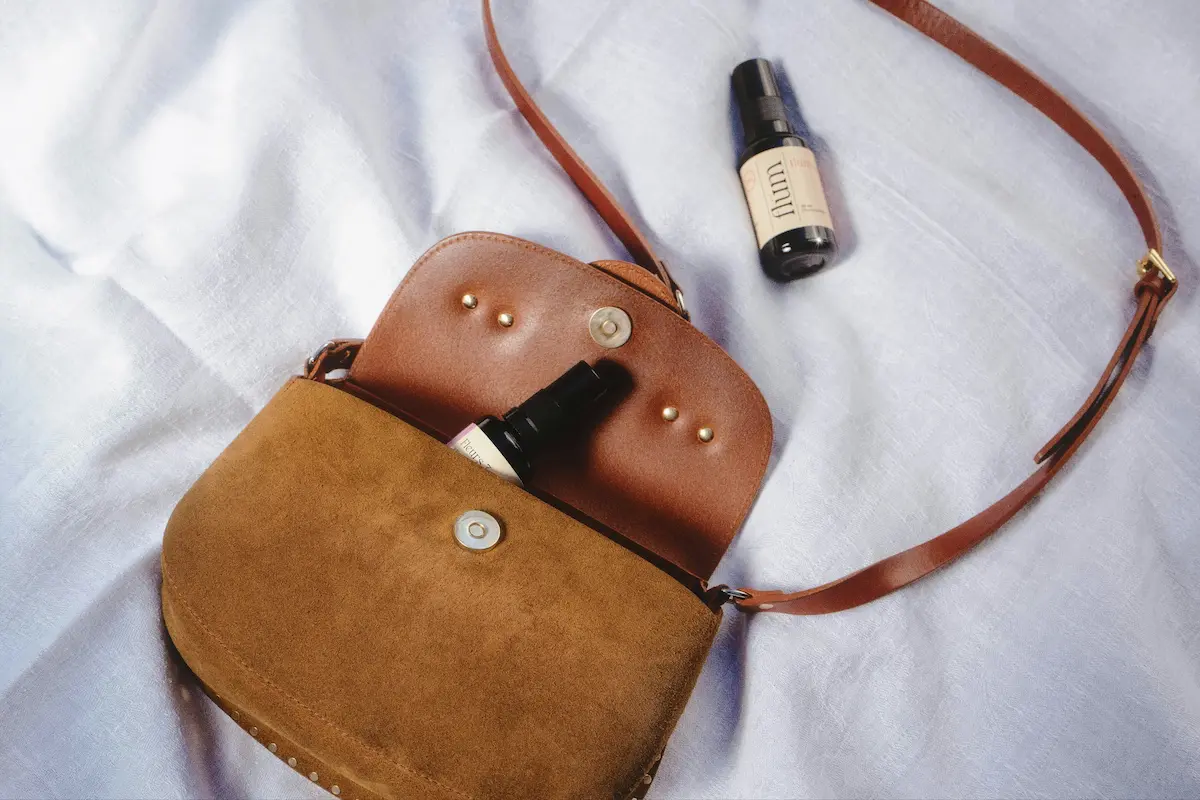
You don't need harsh chemicals to clean a leather purse. Some of the safest and most effective cleaning methods use ingredients you already have at home. But "natural" doesn't mean "risk-free" — the wrong DIY recipe can stain, dry out, or permanently damage luxury leather in minutes.
Every leather purse collects dirt, body oils, and grime over time. The handles darken. The surface dulls. Stains appear from daily use. Your first instinct might be to grab a household cleaner — but that's exactly how expensive bags get ruined.
Learning how to clean a leather purse naturally means understanding which gentle methods actually work, which so-called "natural" ingredients are secretly destructive, and how to clean without stripping the leather's finish or moisture. This guide covers all of it — method by method, leather type by leather type.
Why Clean Your Leather Purse Naturally?
Table of Contents
- Why Clean Your Leather Purse Naturally?
- What You Need Before You Start
- Method 1: Castile Soap Solution (Best All-Around Method)
- Method 2: Distilled Water Only (For Light Surface Dirt)
- Method 3: Beeswax-Based Cleaning (For Dry, Dull Leather)
- How to Clean Specific Problem Areas
- Natural Ingredients That Actually DAMAGE Leather
- Cleaning Schedule: How Often Is Enough?
- What to Do After Cleaning
- Frequently Asked Questions
- Clean Gently, Clean Smart
Chemical Cleaners Do More Harm Than Good
Most commercial cleaning sprays contain alcohol, ammonia, or synthetic solvents. These strip the natural oils from leather, leaving it dry, brittle, and prone to cracking.
On luxury bags — Hermès, Chanel, Louis Vuitton, Prada — chemical damage is often irreversible. The leather's finish changes permanently. Colors fade. The surface becomes rough and chalky.
Natural Methods Are Gentler on Premium Leather
A natural cleaning approach preserves the leather's oils, finish, and patina. You control exactly what touches your bag. No mystery ingredients, no harsh reactions.
However, "natural" has limits. Some popular DIY recommendations — like vinegar, lemon juice, and coconut oil — are actually harmful to leather. We'll cover those too so you know what to avoid.
What You Need Before You Start
Gather these supplies first. Most are items you already own.
Safe Natural Cleaning Supplies
- Mild, unscented castile soap (like Dr. Bronner's)
- Distilled water (tap water contains minerals that can leave marks)
- Two soft microfiber cloths
- A small bowl
- A dry cotton towel
- Acid-free tissue paper for stuffing while drying
For Conditioning After Cleaning
Cleaning removes dirt — but it also removes some natural oils. You should always condition after a thorough cleaning.
- Saphir Renovateur — best for luxury leather
- OR Collonil 1909 Supreme Crème — best for light colors
- OR Cadillac Select Premium — solid budget choice
For a full breakdown of which conditioner works best for your leather type, read our [complete guide to the best leather conditioners for luxury bags].
Method 1: Castile Soap Solution (Best All-Around Method)
This is the safest and most effective natural cleaning method for most leather purses. Castile soap is plant-based, pH-gentle, and free of synthetic detergents.
How to Make the Solution
Mix 2-3 drops of unscented castile soap into one cup of distilled water. Stir gently. The water should be barely sudsy — not foamy. More soap is not better. Too much soap leaves residue that's difficult to remove.
Step by Step
Dip a microfiber cloth into the solution. Wring it out thoroughly — the cloth should be damp, not wet. Excess water causes water stains on leather.
Wipe the leather surface gently using straight, even strokes. Work one section at a time — front panel, back panel, sides, then handles.
Pay extra attention to handles and corners. These areas collect the most body oil and dirt.
Rinse the cloth in clean distilled water (no soap) and wring it out again. Wipe the entire bag once more to remove any soap residue.
Dry immediately with a clean cotton towel. Pat gently — don't rub.
Stuff the purse with acid-free tissue paper to maintain shape.
Let air dry at room temperature for 12-24 hours. Keep away from sunlight, heaters, and hair dryers.
Once fully dry, apply a thin coat of leather conditioner to replenish moisture.
Pro Tip: Always test this method on a hidden area first — the bottom of the bag, inside a pocket, or under a flap. Wait 15 minutes and check for any color change before proceeding with the full bag.
Method 2: Distilled Water Only (For Light Surface Dirt)
Sometimes your purse doesn't need soap at all. If the leather is lightly dusty or has minor surface grime, distilled water alone does the job.
Step by Step
Dampen a microfiber cloth with distilled water. Wring it out until barely moist.
Wipe the entire surface in one direction — top to bottom, not circular.
Dry immediately with a soft cotton towel.
Let air dry completely before using or storing.
This method is ideal for weekly maintenance — a quick wipe-down that prevents dirt from building up and eliminates the need for deeper cleaning later.
Method 3: Beeswax-Based Cleaning (For Dry, Dull Leather)
If your leather purse looks dry, faded, or lifeless, a beeswax-based treatment cleans and nourishes simultaneously. Saphir Renovateur contains natural beeswax, mink oil, and lanolin — making it both a gentle cleaner and a conditioner in one step.
Step by Step
Apply a pea-sized amount of Saphir Renovateur to a soft cloth.
Work into the leather using gentle circular motions, one panel at a time.
Let absorb for 15-20 minutes.
Buff lightly with a fresh, dry cloth.
The natural turpentine in Saphir's formula acts as a mild solvent that lifts surface grime while the beeswax and lanolin restore moisture. It's the method most luxury leather specialists recommend for bags that need both cleaning and conditioning.
How to Clean Specific Problem Areas
Dirty Handles
Handles absorb the most body oil, hand cream, and sweat. They're usually the first part of a purse to show grime.
- Mix the castile soap solution (Method 1).
- Wrap the damp cloth around the handle.
- Gently slide the cloth along the handle from end to end.
- Repeat with a clean, water-dampened cloth to remove soap.
- Dry immediately and condition.
For handles that are severely darkened, you may need multiple cleaning sessions over several days. One aggressive session risks damaging the leather. Patience gives better results.
Interior Lining
The inside of your purse collects crumbs, makeup residue, pen marks, and loose debris.
- Turn the bag upside down and shake gently to remove loose debris.
- Use a lint roller to pick up remaining particles.
- For fabric linings, dampen a cloth with distilled water and gently wipe.
- For leather linings, use the castile soap method with an even lighter touch.
- Leave the bag open and upside down to air dry completely.
Metal Hardware
Zippers, clasps, and studs need attention too — but not with the same products you use on leather.
- Wipe hardware with a dry, soft cloth only
- For tarnished hardware, use a cotton swab lightly dampened with distilled water
- Never let soap, conditioner, or cleaning solution sit on metal — it causes tarnishing and residue buildup
- Dry hardware completely after any contact with moisture
Natural Ingredients That Actually DAMAGE Leather
This is the section most DIY guides get wrong. These ingredients are "natural" but harmful to leather.
The Danger List
❌ White vinegar — Acidic. Strips leather finish, dries out fibers, and can cause discoloration on dyed leather.
❌ Lemon juice — Highly acidic. Bleaches leather unevenly and breaks down the surface coating.
❌ Coconut oil — Clogs leather pores, darkens unevenly, and goes rancid inside leather fibers over time. Attracts bacteria and causes odor.
❌ Olive oil — Same problems as coconut oil. Also attracts dust and leaves a permanent greasy feel.
❌ Baking soda paste — Abrasive. Scratches leather surfaces and can leave white residue in textured grain.
❌ Essential oils — Many contain compounds that react with leather dyes. Tea tree oil, in particular, can bleach colored leather.
❌ Rubbing alcohol — Dissolves dyes instantly. One wipe can remove color from leather permanently.
The rule is simple: If you wouldn't put it on your face without patch-testing first, don't put it on your leather. Both are skin. Both react badly to harsh substances.
Cleaning Schedule: How Often Is Enough?
Over-cleaning is almost as damaging as neglecting your purse. Leather doesn't need weekly deep cleaning. Here's a realistic schedule.
| Task | Frequency | Method |
|---|---|---|
| Quick wipe-down with dry cloth | After every use | Dry microfiber cloth |
| Damp cloth surface clean | Every 2-4 weeks | Method 2 (distilled water) |
| Full castile soap cleaning | Every 3-6 months | Method 1 |
| Conditioning after cleaning | After every deep clean | Saphir, Collonil, or Cadillac |
| Professional spa service | Once a year (if needed) | Brand boutique or specialist |
If your purse is used daily in a hot, humid climate, lean toward the more frequent end. If it's a special occasion bag carried a few times a month, the less frequent end is fine.
What to Do After Cleaning
Cleaning is only half the job. What you do afterward determines whether your leather stays healthy or dries out.
Always Condition
Every cleaning — even a gentle one — removes some natural oil from the leather. Conditioning replaces what was lost.
Apply a thin layer of conditioner after every deep clean. Not before. Conditioning over dirt traps grime inside the leather.
For specific conditioner recommendations based on your leather type, see our [guide to leather conditioner for Hermès bags] — the advice applies to most luxury leathers, not just Hermès.
Store Properly
After cleaning and conditioning, stuff your purse with acid-free tissue paper, place it in a breathable dust bag, and store upright in a cool, dry space. Never store in plastic — leather needs airflow.
If your bag has been exposed to moisture during cleaning, make sure it's completely dry before storing. Moisture trapped inside a dust bag leads to mold growth.
Worried about mold? Read our [guide to safely cleaning mold from Louis Vuitton canvas] — the prevention tips apply to all luxury bags.
Frequently Asked Questions
Can I clean a leather purse with just water?
Yes, for light surface dirt. Dampen a microfiber cloth with distilled water, wipe gently, and dry immediately. This works for routine maintenance but won't remove deep grime or body oil buildup.
Is castile soap safe for all leather types?
Castile soap is safe for most smooth, finished leathers. However, avoid using it on suede, nubuck, or untreated leather like Vachetta. These leathers require specialized care methods. Always test in a hidden area first.
How do I remove dark stains from leather handles?
Use the castile soap method with gentle, repeated sessions over several days. One aggressive cleaning risks damaging the leather. If handles are severely darkened, a professional leather cleaning service may be needed.
Will natural cleaning methods remove ink stains?
Unfortunately, ink stains require targeted treatment beyond general cleaning. Castile soap alone usually won't remove ink. For small ink marks, a cotton swab lightly dampened with rubbing alcohol can work — but this carries risk of color removal. Test in a hidden spot first, and consider professional help for visible areas.
Can I use baby soap instead of castile soap?
Unscented, dye-free baby soap is an acceptable alternative. However, many baby soaps contain moisturizing additives that can leave residue on leather. Pure castile soap is the cleaner option.
Should I clean my leather purse before or after conditioning?
Always clean first, then condition. Conditioning over dirt seals grime into the leather's pores. Clean the surface, let it dry, then apply conditioner to nourish the freshly cleaned leather.
Clean Gently, Clean Smart
Learning how to clean a leather purse naturally comes down to three principles: use gentle ingredients, work with a light hand, and always condition afterward. Castile soap and distilled water handle 90% of cleaning needs safely. Saphir Renovateur covers the rest while conditioning simultaneously.
Skip the vinegar. Skip the coconut oil. Skip every Pinterest hack that sounds too clever. Your leather purse deserves proven methods — not experiments.
Clean it gently, dry it fully, condition it properly, and store it well. That's the entire routine. Simple, safe, and effective.