How to Remove Color Transfer from a Leather Bag Fast
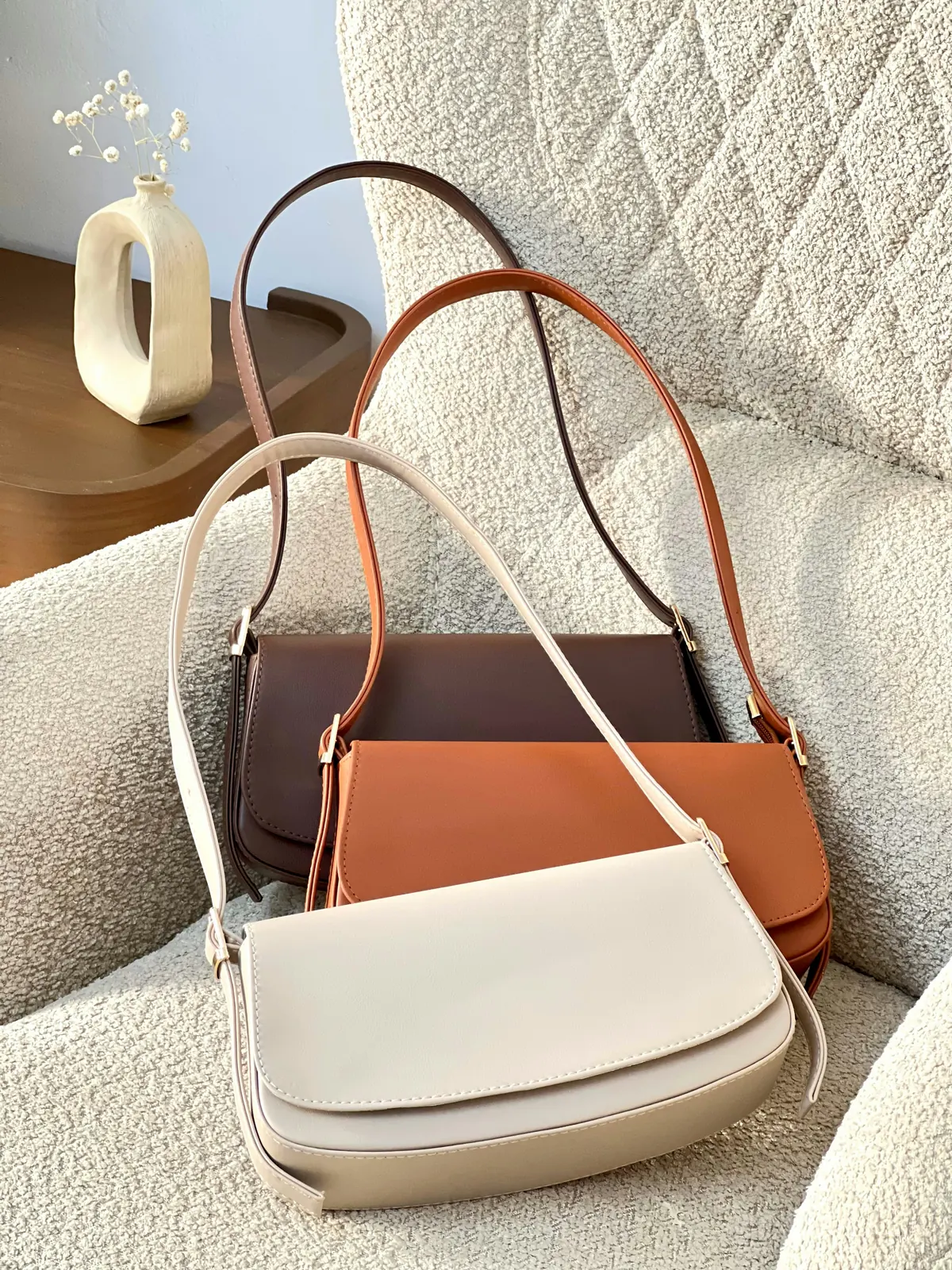
Knowing how to remove color transfer from a leather bag correctly is the difference
between a five-minute fix and permanent, irreversible damage.
You reach into your favorite designer bag after a long day and notice it — a faint blue streak running along the side. Denim transfer. Few things are more alarming for a leather bag owner, particularly when that bag represents a significant financial and emotional investment.
Here is what most people get wrong: they panic, grab the nearest cleaning product, and make the damage significantly worse within minutes.
This guide walks you through what actually works — the methods used by professional leather conservators, the products worth trusting, and the mistakes that turn a recoverable stain into a permanent one.
Table of Contents
- What Is Color Transfer, and Why Is Leather So Vulnerable to It?
- What You Need Before You Begin
- How to Remove Color Transfer from a Leather Bag: Step by Step
- Color Transfer by Leather Type: What Works and What to Avoid
- When to Stop and Call a Professional
- Five Practical Ways to Prevent Color Transfer
- Frequently Asked Questions
- Can I use nail polish remover on leather to remove color transfer?
- Will a Magic Eraser remove color transfer from a leather bag?
- How long before color transfer becomes permanent on leather?
- Does leather conditioner remove color transfer?
- Is color transfer covered by luxury brand warranties?
- What is the best product specifically designed for leather color transfer?
- The Bottom Line
What Is Color Transfer, and Why Is Leather So Vulnerable to It?
Color transfer happens when dye migrates from one surface onto another through friction, pressure, or moisture. Leather is porous by nature, which makes it particularly susceptible to absorbing pigment from dyed fabrics.
The most common sources of color transfer on designer bags:
- Dark denim — the single most frequent offender, particularly raw or unwashed denim
- New clothing — garments that haven't been washed yet often have unstable, surface-level dye
- Colored scarves and fabric linings — especially in warmer, more humid conditions
- Other leather goods — darker leather items can transfer onto lighter ones through sustained contact
The critical factor is time. Fresh dye sits on the surface of the leather. After 48 to 72 hours, it begins bonding with the leather fibers at a deeper level — and becomes exponentially harder to remove. If you notice a transfer stain, address it the same day.
What You Need Before You Begin
The wrong cleaning product will not simply fail to remove the stain. It can strip the leather's protective finish, accelerate drying and cracking, or drive the dye deeper into the grain — turning a surface-level problem into a permanent one.
These are the supplies worth having on hand:
- pH-balanced leather cleaner
- Isopropyl alcohol (70% concentration — not higher)
- White microfiber cloths or clean cotton towels
- Quality leather conditioner
- Soft-bristle brush (for textured leathers only)
- Micellar water (for light, fresh stains)
- Leather protection spray
Before applying anything to the stained area: test on a concealed part of the bag — the underside of a strap, behind a pocket flap, or inside a seam. Wait five minutes. If there is no discoloration or finish change, proceed.
How to Remove Color Transfer from a Leather Bag: Step by Step
Step 1 — Blot Immediately, Never Rub
The moment you notice the stain, take a dry white cloth and blot — do not rub. Rubbing forces the dye further into the grain and widens the affected area. Remove as much surface pigment as possible before introducing any liquid.
Step 2 — Micellar Water for Light or Fresh Stains
For stains less than 24 hours old on smooth finished leather, micellar water is often sufficient and carries very little risk of damage.
Dampen a cotton pad and dab the stained area in small, controlled circular motions. Wipe away with a clean dry cloth. Repeat two to three times if needed. This approach works particularly well on saffiano and smooth calfskin.
Step 3 — Isopropyl Alcohol for Stubborn Stains
For older or darker transfer stains, 70% isopropyl alcohol breaks down dye pigment without destroying the leather surface — provided it is used with restraint.
Apply a small amount to a cotton swab or the corner of a cloth. Work directly on the stain only, using light dabbing strokes. Avoid spreading onto the surrounding leather. Follow immediately with a leather conditioner, as alcohol draws moisture from the leather.
Do not soak the leather. A small amount applied precisely is far more effective — and far safer — than a heavy application across a wider area.
Step 4 — pH-Balanced Leather Cleaner
If the stain remains after the above steps, move to a dedicated leather cleaner. Apply a small amount to a microfiber cloth — never directly onto the leather — and work in gentle circular motions over the affected area.
Recommended products available on Amazon:
- Leather Master Dye Transfer Cleaning Bundle— Includes the Dye Transfer Cleaner, Soft Cleaner, and Leather Barrier. The most comprehensive option for serious stain removal and ongoing protection.
- Leather Honey — A trusted all-purpose cleaner that works well across most finished leathers without stripping natural oils.
After cleaning, wipe the area with a separate damp cloth and allow the leather to air dry naturally. Never use a hair dryer or direct heat.
Step 5 — Condition and Protect
Cleaning — even gentle cleaning — removes moisture from leather. After any cleaning session, apply a quality leather conditioner to restore suppleness and prevent the surface from drying or cracking.
Once fully dry, apply a leather protection spray to create a barrier against future staining. This step is particularly important for light-colored bags that are more susceptible to transfer.
Color Transfer by Leather Type: What Works and What to Avoid
Different leathers require different approaches. Using the wrong method on the wrong leather type is one of the most common — and most damaging — mistakes.
| Leather Type | Best Method | What to Avoid |
|---|---|---|
| Smooth / Finished | Micellar water, isopropyl alcohol, leather cleaner | Harsh solvents, acetone |
| Saffiano (textured) | Leather cleaner with soft brush | Excess moisture |
| Suede / Nubuck | Suede eraser, dry brush only | Any liquid solution |
| Patent Leather | Micellar water only | Alcohol — can cloud or craze the finish |
| Vachetta (uncoated) | Professional cleaning only | All DIY liquid treatments |
| Exotic leathers | Professional cleaning only | All DIY treatments |
Suede, nubuck, and vachetta leather should never be treated with liquid cleaners at home. These materials require dry methods or specialist intervention. Applying liquid to vachetta — the natural, untreated leather used on Louis Vuitton straps and trims — will cause dark water marks that are permanent.
When to Stop and Call a Professional
There are situations where DIY treatment will cause more harm than good. Recognise these and act accordingly.
Seek a certified leather restoration specialist when:
- The stain has been present for more than a week
- The leather is exotic — python, ostrich, alligator, or stingray
- The bag is a high-value piece from Hermès, Chanel, or Louis Vuitton
- Previous cleaning attempts have left marks or changed the finish
- You notice color loss in the leather surrounding the stain
This is especially true for Hermès Birkin owners — a bag that has consistently outperformed the S&P 500 as a long-term investment. Understanding its value makes
professional care a straightforward decision, not a luxury. Read more on why the Birkin is considered a blue-chip asset in our guide
Professional conservators have access to compounds and color-matching techniques that are not available to consumers. The cost of professional restoration is almost always justified when weighed against the value — monetary and sentimental — of the bag.
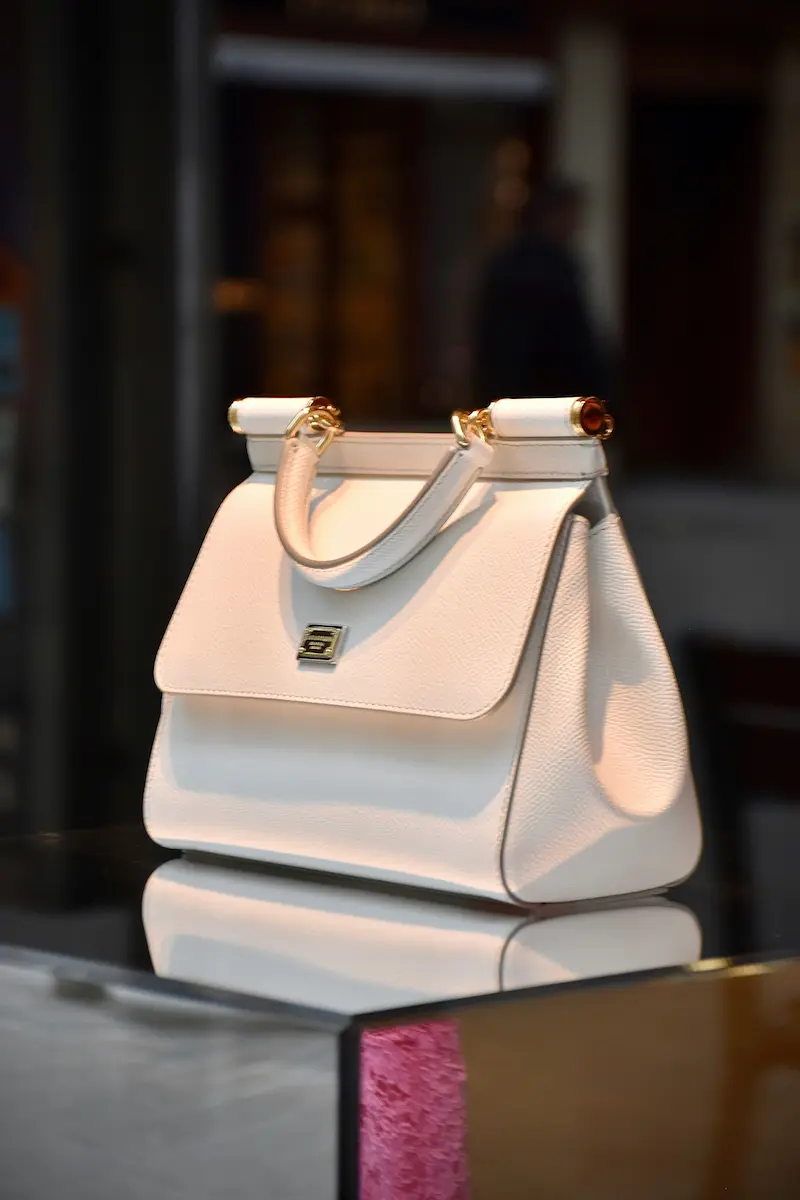
Five Practical Ways to Prevent Color Transfer
1. Apply a leather protector before the first use Spray any new bag with a quality leather protection spray before carrying it. Reapply every three to four months. This single habit prevents the majority of transfer incidents.
If you are still building your collection and considering which leather bags are worth the investment and the care they require, our guide to quiet luxury bag brands is a good place to start: The Definitive Guide to Quiet Luxury Bag Brands.
2. Be cautious with raw denim Unwashed dark denim is the most aggressive source of leather color transfer. Allow new denim to go through several wash cycles before wearing it alongside a light-colored bag.
3. Store bags in their dust bags When not in use, keep leather bags in the dust bags they came with. Direct contact with dyed fabric over extended periods — even in a wardrobe — can cause gradual transfer.
4. Dry wet leather promptly Moisture significantly increases leather's absorption of dye. If your bag gets wet, dry it immediately with a clean cloth and allow it to air dry fully before contact with any fabric.
5. Rotate your bags regularly Sustained, repeated contact between the same bag and the same clothing increases the likelihood of transfer over time. Rotation reduces cumulative exposure.
Frequently Asked Questions
Can I use nail polish remover on leather to remove color transfer?
No. Most nail polish removers contain acetone, which is far too aggressive for leather. It will strip the protective finish and cause discoloration that cannot be reversed. Isopropyl alcohol at 70% concentration is the strongest solvent appropriate for home use on leather.
Will a Magic Eraser remove color transfer from a leather bag?
Magic Erasers are micro-abrasive and will damage the surface finish of most quality leathers, particularly smooth and coated styles. They are not appropriate for use on designer handbags.
How long before color transfer becomes permanent on leather?
Dye begins bonding with leather fibers within hours of contact. Stains left for more than 48 to 72 hours are significantly harder to remove and often require professional intervention. Act on the same day whenever possible.
Does leather conditioner remove color transfer?
No. Conditioner replenishes moisture and protects the leather, but it does not break down dye pigment. Always address the stain first, then condition afterward.
Is color transfer covered by luxury brand warranties?
In most cases, no. Brands including Louis Vuitton and Gucci classify color transfer as wear-related damage rather than a manufacturing defect. Their in-house repair services can often treat it, but typically at additional cost.
What is the best product specifically designed for leather color transfer?
Leather Master Dye Transfer Cleaner is the most widely trusted specialist product for this purpose. It is formulated specifically for dye transfer on aniline and protected leather and is used by professional detailers and leather care specialists.
The Bottom Line
Color transfer on a leather bag is alarming — but with the right approach, it is rarely permanent. Speed matters more than anything else. A stain addressed within hours is a very different problem from one left for a week.
Stay calm. Use the correct product for your leather type. Never reach for household chemicals. And after cleaning, always condition — cleaning without conditioning leaves the leather more vulnerable than it was before.
Your bag is an investment. The ten minutes spent addressing a stain correctly today can preserve years of wear, protect its resale value, and save you a costly professional restoration further down the line.