How to Spot Fake Luxury Eyeglasses: 8 Signs to Check Before You Buy
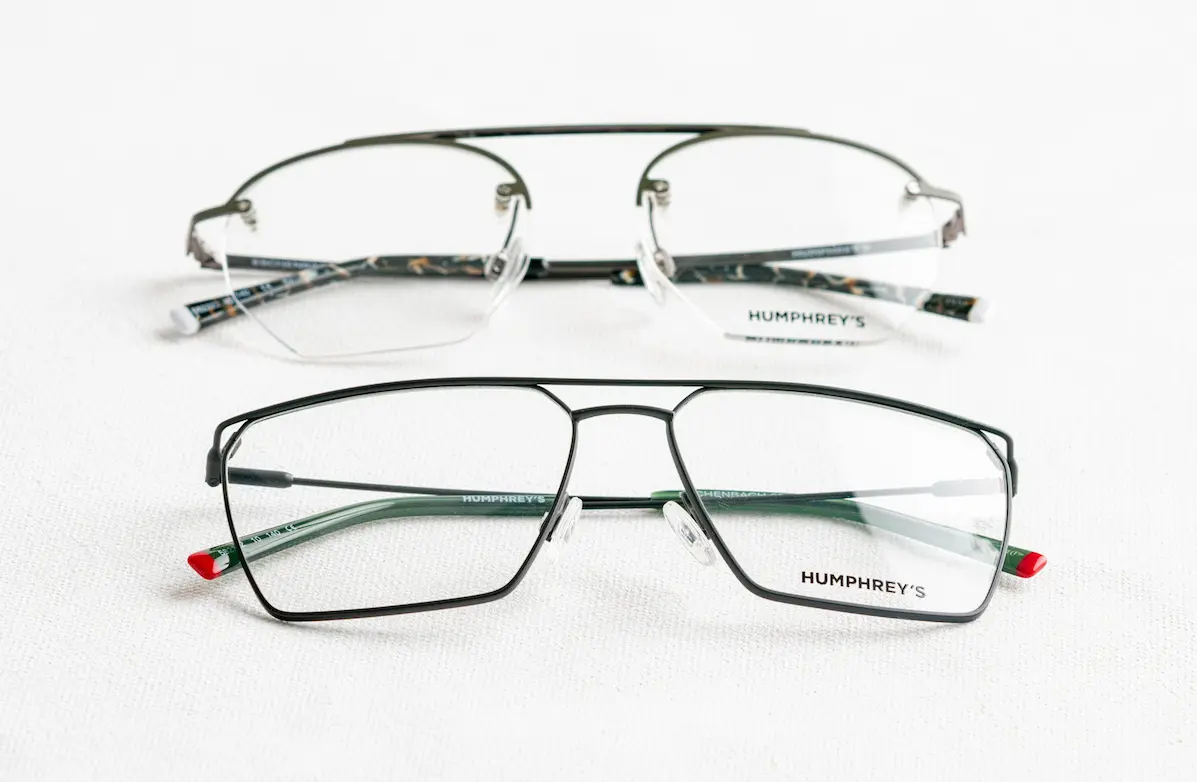
Knowing how to spot fake luxury eyeglasses became a genuinely useful skill for a colleague of mine after she nearly bought what looked like a pristine pair of Gucci frames from a resale marketplace, only backing out after noticing the hinge screws were slightly different sizes on each side, something a legitimate manufacturer simply wouldn't ship.
She'd already transferred a deposit before catching it, and got her money back only because she'd paid through a platform with buyer protection. Not everyone is that careful, or that lucky.
If you're shopping resale, a marketplace, or even an unfamiliar retailer, this guide walks through exactly what separates authentic luxury eyewear from a convincing counterfeit.
Table of Contents
- How to Spot Fake Luxury Eyeglasses: Start With the Logo Placement and Engraving
- How to Spot Fake Luxury Eyeglasses: Check the Hinges and Screws
- How to Spot Fake Luxury Eyeglasses: Examine the Lens Etching
- How to Spot Fake Luxury Eyeglasses: Verify the Serial Number
- How to Spot Fake Luxury Eyeglasses: Assess Material Weight and Feel
- How to Spot Fake Luxury Eyeglasses: Check the Case, Cloth, and Packaging Quality
- How to Spot Fake Luxury Eyeglasses: Compare the Price Against Genuine Retail
- How to Spot Fake Luxury Eyeglasses: Know Where You're Buying From
- What to Do If You Suspect a Pair Is Fake
- Frequently Asked Questions
- The Bottom Line
How to Spot Fake Luxury Eyeglasses: Start With the Logo Placement and Engraving
This is the first thing worth examining, and often the fastest way to rule out an obvious fake. Authentic luxury eyewear brands engrave or print logos with precise, consistent placement and depth, typically on the temple arm, and sometimes additionally on the lens itself for sunglasses.
Look specifically for uneven engraving depth, blurry or slightly misaligned lettering, or a logo font that doesn't quite match the brand's official styling (a quick comparison against the brand's official website product photos catches most discrepancies here).
Genuine pieces have crisp, consistent branding, counterfeits frequently show subtle inconsistencies specifically in this detail, because reproducing precise engraving equipment is one of the harder aspects to fake convincingly.
How to Spot Fake Luxury Eyeglasses: Check the Hinges and Screws
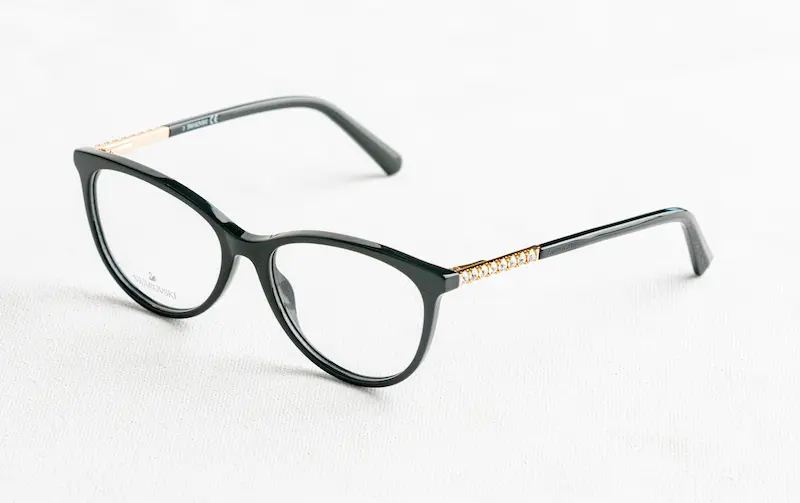
This is the detail that tipped off my colleague, and it's a genuinely reliable indicator once you know to look for it. Authentic luxury frames use matched, precisely sized screws and smooth, tightly fitted hinge mechanisms, quality control that counterfeiters frequently cut corners on, either through inconsistent screw sizing, visible gaps in the hinge assembly, or a hinge action that feels loose, gritty, or uneven when opened and closed compared to how a genuine pair from the same brand feels in person.
If you're able to examine the piece closely, a jeweler's loupe reveals inconsistencies that aren't visible to the naked eye, particularly useful for checking screw uniformity and engraving quality together.
→ Check a jeweler's loupe magnifier on Amazon [Check on Amazon]
How to Spot Fake Luxury Eyeglasses: Examine the Lens Etching
Most authentic luxury eyewear brands include a small, subtle etched logo directly on one of the lenses, typically in a corner, visible when the lens catches light at a specific angle rather than immediately obvious from a straight-on view.
Counterfeits either omit this entirely, place it incorrectly, or render it with noticeably lower precision than a genuine etching.
A small UV flashlight can help reveal this etching more clearly in some cases, since certain lens coatings and etchings show up more distinctly under UV light than under normal room lighting.
→ Check a small UV flashlight on Amazon [Check on Amazon]
How to Spot Fake Luxury Eyeglasses: Verify the Serial Number
Most authentic luxury eyewear includes a serial number, typically printed or engraved on the inside of one temple arm, that corresponds to a specific model and production batch. Many brands allow you to verify this number either through their official customer service or, for some brands, an online verification tool.
A missing serial number entirely, or one that doesn't match any known format for the brand in question, is one of the more definitive red flags available, since this is a detail counterfeiters frequently either omit or fake using clearly inconsistent formatting.
How to Spot Fake Luxury Eyeglasses: Assess Material Weight and Feel
This requires some familiarity with genuine pieces to judge accurately, but it's worth mentioning because it's often the first thing that feels "off" to an experienced eye even before any specific detail is consciously identified.
Authentic acetate frames have a distinct weight and slightly warm feel to the material, genuine metal components feel substantial rather than hollow or unusually light. Counterfeits frequently use lower-grade materials that feel noticeably lighter, more plastic-feeling, or oddly cold and rigid compared to genuine acetate or properly finished metal.
How to Spot Fake Luxury Eyeglasses: Check the Case, Cloth, and Packaging Quality
Counterfeiters focused primarily on replicating the glasses themselves frequently pay less attention to the accompanying case, cleaning cloth, and packaging, details that are, ironically, often easier to authenticate than the glasses themselves.
Genuine luxury eyewear typically ships with a well-constructed, branded hard case (not flimsy or poorly finished), a proper microfiber cloth with correct branding, and packaging that matches the quality standard of the brand generally. A visibly cheap case paired with supposedly luxury glasses is a meaningful inconsistency worth questioning.
How to Spot Fake Luxury Eyeglasses: Compare the Price Against Genuine Retail
This sounds obvious, but it's worth stating directly: a price significantly below genuine retail, particularly for a supposedly new or barely-used pair, is the single most common warning sign across nearly every counterfeit case we're aware of.
Legitimate resale platforms and authorized retailers rarely price genuine luxury eyewear at a fraction of retail value without a clear, verifiable reason (a documented flaw, an older discontinued model being cleared out, or a verified authorized liquidation sale).
If a deal feels too good relative to known retail pricing, treating that gap itself as a red flag, rather than assuming good fortune, protects against the majority of counterfeit purchases before any physical inspection is even needed.
How to Spot Fake Luxury Eyeglasses: Know Where You're Buying From
Beyond the physical item itself, the platform and seller matter enormously. Authorized retailers and the brand's own official channels carry essentially zero counterfeit risk. Reputable resale platforms with authentication services (checking items before they ship to buyers) meaningfully reduce risk compared to unmoderated marketplaces or social media sales, where counterfeit rates are considerably higher and buyer protection is often minimal or nonexistent.
If you're building out a broader eyewear collection, our guide to luxury women's eyeglasses frame brands worth owning covers reputable options worth considering, and our review of Gucci eyeglasses through LensCrafters walks through what buying through an established, reputable retailer actually looks like in practice.
What to Do If You Suspect a Pair Is Fake
If you've already purchased a pair and suspect it may not be authentic, most reputable resale platforms and payment processors offer buyer protection specifically for exactly this situation, worth pursuing promptly rather than after significant time has passed, since protection windows are often time-limited.
For pieces purchased directly from an individual seller without platform protection, contacting the brand directly with photos and the serial number (if present) is worth attempting, though brands vary in how much verification assistance they'll provide for pieces not purchased through authorized channels.
Frequently Asked Questions
Can opticians tell if eyeglasses are authentic?
Many experienced opticians, particularly those who regularly handle luxury brands, can spot obvious counterfeits through the details covered above, though this isn't a guaranteed service and varies by individual expertise and the specific optician's familiarity with the brand in question.
Is it illegal to knowingly buy counterfeit eyeglasses?
Laws vary by location, but purchasing counterfeit goods, even unknowingly, generally isn't treated as seriously as manufacturing or knowingly selling them.
That said, beyond any legal consideration, counterfeit eyewear frequently uses substandard, unregulated lens materials that may not provide proper UV protection or optical accuracy, a genuine practical concern beyond the authenticity question alone.
Do fake luxury eyeglasses ever have real prescription lenses?
This varies. Some counterfeit frames are sold empty of any actual prescription, intended for buyers to have lenses fitted separately, while others include lenses of unknown, unregulated quality, which is a meaningful concern if the glasses are intended for actual vision correction rather than purely as an accessory.
Are all luxury eyewear brands equally counterfeited?
No, counterfeiting rates track closely with brand recognition and demand, more universally recognized logos and silhouettes tend to see significantly higher counterfeit volume than less mainstream luxury eyewear brands, worth factoring into how much extra diligence a specific purchase warrants.
Is buying from an authorized retailer always safer than resale?
Generally yes, for guaranteed authenticity specifically. That said, resale can still be a legitimate, safe option when using platforms with genuine authentication services, worth weighing against the typically higher pricing of buying new through authorized channels.
The Bottom Line
My colleague's near-miss came down to a detail most people would never think to check, mismatched hinge screws, small enough to overlook entirely without knowing it mattered.
Learning how to spot fake luxury eyeglasses isn't about becoming a forensic expert before every purchase, it's about knowing the handful of specific details that reliably separate genuine craftsmanship from a convincing imitation, and being willing to walk away when something doesn't quite add up.
Disclosure: This article may contain affiliate links. As an Amazon Associate, we earn from qualifying purchases at no extra cost to you.