How to Store and Care for Luxury Sunglasses (So They Don't Warp, Scratch, or Discolor)
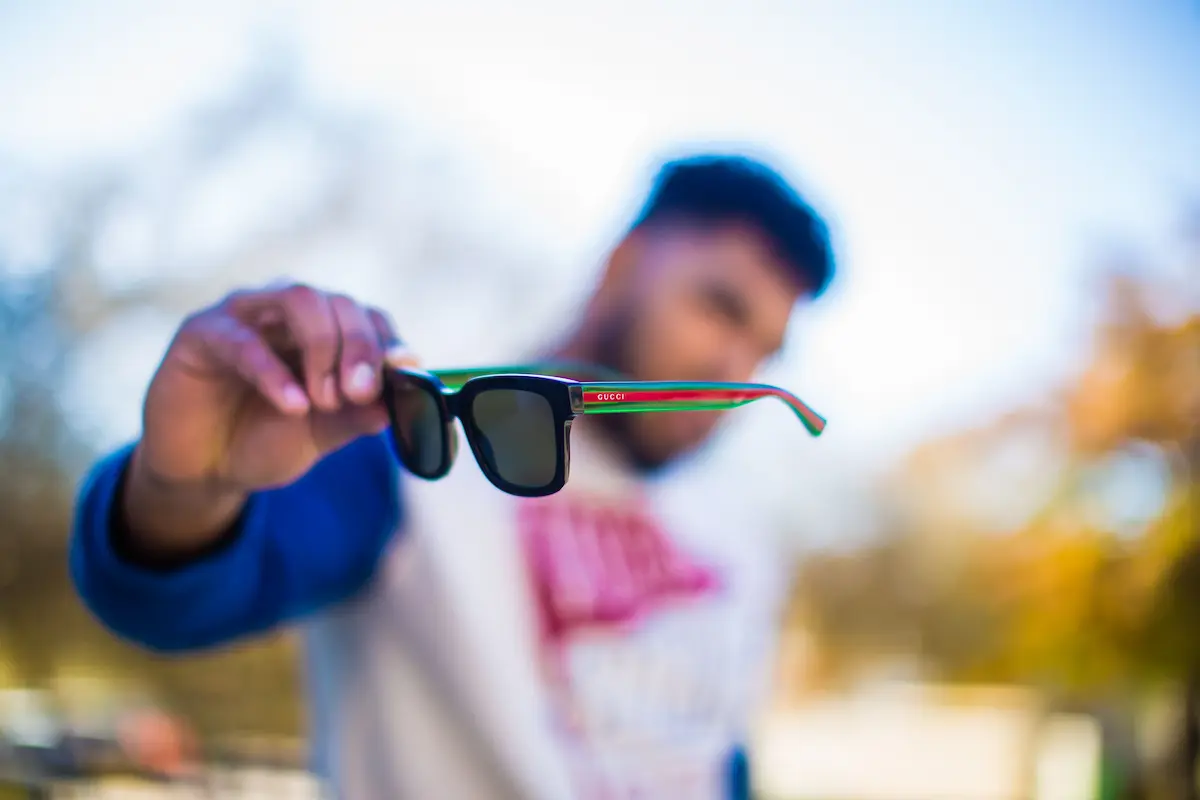
A pair of vintage Cartier sunglasses sat in a friend's glove compartment for three summers before she brought them to me, confused about why the frames had gone slightly warped and the lenses had developed a faint yellowish cast that no amount of cleaning would remove.
Nothing dramatic had happened to them, no accident, no obvious damage. They'd simply been stored the way almost everyone stores sunglasses, and that turned out to be the entire problem.
Luxury sunglasses get treated, almost universally, as a casual accessory rather than the precisely engineered object they actually are, acetate or metal frames, optically ground lenses, hinges machined to tight tolerances. That casual treatment is exactly what shortens their lifespan.
Table of Contents
- Why Sunglasses Degrade Faster Than People Expect
- The Glove Compartment Problem
- Proper Daily Storage
- Cleaning Lenses Without Scratching Them
- Caring for Acetate Frames Specifically
- Caring for Metal Frames and Hinges
- Long-Term and Seasonal Storage
- Signs of Damage Worth Addressing Early
- Frequently Asked Questions
- The Bottom Line
Why Sunglasses Degrade Faster Than People Expect
Two specific factors drive most of the damage we see in otherwise well-loved luxury sunglasses: heat and improper contact pressure.
Acetate, the material used in most high-end frames, is a plastic derived from natural cellulose, genuinely more durable and better-feeling than injection-molded plastic, but also more sensitive to heat than people assume.

Prolonged exposure to high temperatures (a hot car interior easily exceeds 150°F) can cause acetate to soften slightly and warp permanently, along with the yellowing my friend's Cartier frames developed, a chemical reaction accelerated specifically by heat and UV exposure combined.
Contact pressure matters too, sunglasses tossed loosely into a bag, pressed against keys or a phone, accumulate scratches and stress on the hinges from repeated, uneven pressure that a proper case entirely prevents.
The Glove Compartment Problem
This deserves specific attention because it's genuinely the most common storage mistake we see, and one of the most damaging.
A car's interior, particularly a glove compartment or dashboard area, regularly reaches temperatures well beyond what acetate or even most metal frames are designed to tolerate, especially during summer months in direct sun.
If sunglasses live in your car regularly, the single highest-impact change you can make is simply removing them when the car will sit in heat for extended periods, or investing in a genuinely insulated case rather than the thin fabric pouch many sunglasses ship with, which offers minimal actual heat protection.
Proper Daily Storage
Between wears, sunglasses should live in a rigid, protective case, not a pocket, bag bottom, or draped on top of your head (a habit that, incidentally, is one of the more common causes of frame stretching and misalignment over time, as it applies consistent outward pressure to the temple arms).
→ Check a hard-shell protective sunglasses case on Amazon [Check on Amazon]
A case with a soft interior lining prevents micro-scratches during storage, while the rigid exterior protects against the kind of crushing damage that happens when sunglasses end up at the bottom of a bag under heavier items.
Cleaning Lenses Without Scratching Them
This is where we see genuinely expensive lenses damaged by well-intentioned but incorrect cleaning habits.
Never use your shirt or a paper towel. Both introduce fine scratches over repeated use, shirts carry oils and small particles, and paper products are abrasive at a microscopic level that isn't visible until the damage has already accumulated.
Rinse before wiping, whenever possible. Dust and grit on a dry lens act like sandpaper the moment pressure is applied during wiping. A quick rinse under water dislodges loose particles before you touch the surface at all.
Use a genuine microfiber cloth, and keep it clean itself. A microfiber cloth that's accumulated dust and grime from your bag or pocket does more harm than good, essentially becoming its own source of scratching material.
→ Check a proper microfiber lens cleaning cloth on Amazon [Check on Amazon]
A dedicated lens cleaning solution, not household glass cleaner. Many household cleaners contain ammonia or alcohol concentrations that can damage certain lens coatings, particularly anti-reflective and polarized coatings common on higher-end sunglasses.
→ Check an optical-safe lens cleaning solution on Amazon [Check on Amazon]

Caring for Acetate Frames Specifically
Beyond heat avoidance, acetate benefits from occasional light conditioning, similar in principle to leather care covered elsewhere on this site (our guide on why storing luxury bags in plastic damages them covers a related principle about materials needing to breathe rather than being sealed away).
Avoid storing acetate frames in airtight plastic bags for extended periods, the material benefits from stable, moderate humidity rather than either extreme dryness or trapped moisture, both of which can affect its structural integrity and color stability over years of storage.
Caring for Metal Frames and Hinges
Metal-framed sunglasses face a different set of risks, primarily corrosion from sweat and skin oils at contact points, and loosening at the hinges from repeated opening and closing without maintenance.
Wiping down the nose bridge and temple contact points after wear, particularly in humid climates or after exercise, prevents the gradual corrosion that dulls plating finishes over time. If hinges begin feeling loose, a jeweler or optical shop can typically tighten the small screws involved, a five-minute fix that prevents the more serious misalignment that follows from ignoring early looseness.
Long-Term and Seasonal Storage
If you're storing sunglasses for an extended period, off-season or simply not currently in rotation, a few principles matter beyond daily case storage.
Keep the case somewhere with stable temperature and humidity, not an attic, basement, or car, all of which see far more temperature and humidity swings than a bedroom closet or dresser drawer.
Store the sunglasses closed but not under any weight or pressure from other stored items. And periodically, every few months, check on long-term stored pieces rather than leaving them completely undisturbed for years, catching early issues like loosening hinges or lens film degradation before they become harder to correct.
Signs of Damage Worth Addressing Early
Slight frame warping, often first visible as uneven sitting on your face or asymmetrical temple arm angles, is usually addressable by a professional optician if caught early, before the acetate has permanently set into the warped shape.
Hinge looseness progresses from a minor annoyance to a real risk of the temple arm separating entirely if ignored long enough, worth addressing at the first sign rather than waiting.
Lens coating degradation, often appearing as a hazy or slightly rainbow-tinted film, particularly on polarized or anti-reflective lenses, typically indicates the coating has been compromised, usually by improper cleaning products, and unfortunately isn't reversible once it's occurred, making prevention through proper cleaning genuinely the only real solution.
Frequently Asked Questions
Can warped acetate frames actually be fixed?
Often yes, if caught before the warping is severe. An optician can gently reheat and reshape acetate frames in many cases, though this isn't guaranteed to fully restore severely warped pieces, making prevention considerably more reliable than correction.
Is it safe to store sunglasses with the lenses facing down?
Generally, storing them in their case is what matters most, orientation within a well-designed case matters less than ensuring they're not resting directly on a hard surface without any protective case at all.
Do polarized lenses need different care than regular tinted lenses?
The core cleaning principles are the same, though polarized lenses often include additional coatings that are more sensitive to harsh chemicals, making a dedicated optical-safe cleaning solution particularly worth using rather than substituting household products.
How often should I have hinges professionally checked?
For sunglasses worn regularly, an annual check at any optical shop, often free or very low-cost, catches loosening before it becomes a functional problem, similar in spirit to the periodic watch servicing checks we cover in our horology guides.
Is it worth repairing an older pair, or should I just replace them?
This depends on the specific damage and how much the piece means to you, both practically and sentimentally. Minor issues, loose hinges, small scratches on non-optical frame surfaces, are usually straightforward and inexpensive to repair. Warped acetate or damaged lens coatings represent a more meaningful decision point worth weighing against replacement cost.

The Bottom Line
My friend's Cartier frames were, ultimately, salvageable, a proper reshaping corrected most of the warping, though the yellowing in the acetate proved permanent, a visible reminder of three summers in a hot glove compartment.
The fix going forward wasn't complicated: a proper case, kept out of heat, cleaned with the right materials.
Luxury sunglasses reward exactly the same principle as everything else covered on this site, they're precision objects disguised as casual accessories, and treating them accordingly is almost always simpler than people expect.
Disclosure: This article may contain affiliate links. As an Amazon Associate, we earn from qualifying purchases at no extra cost to you