Storing Hermès Silk Scarves: The Conservator’s Guide to Crease Prevention
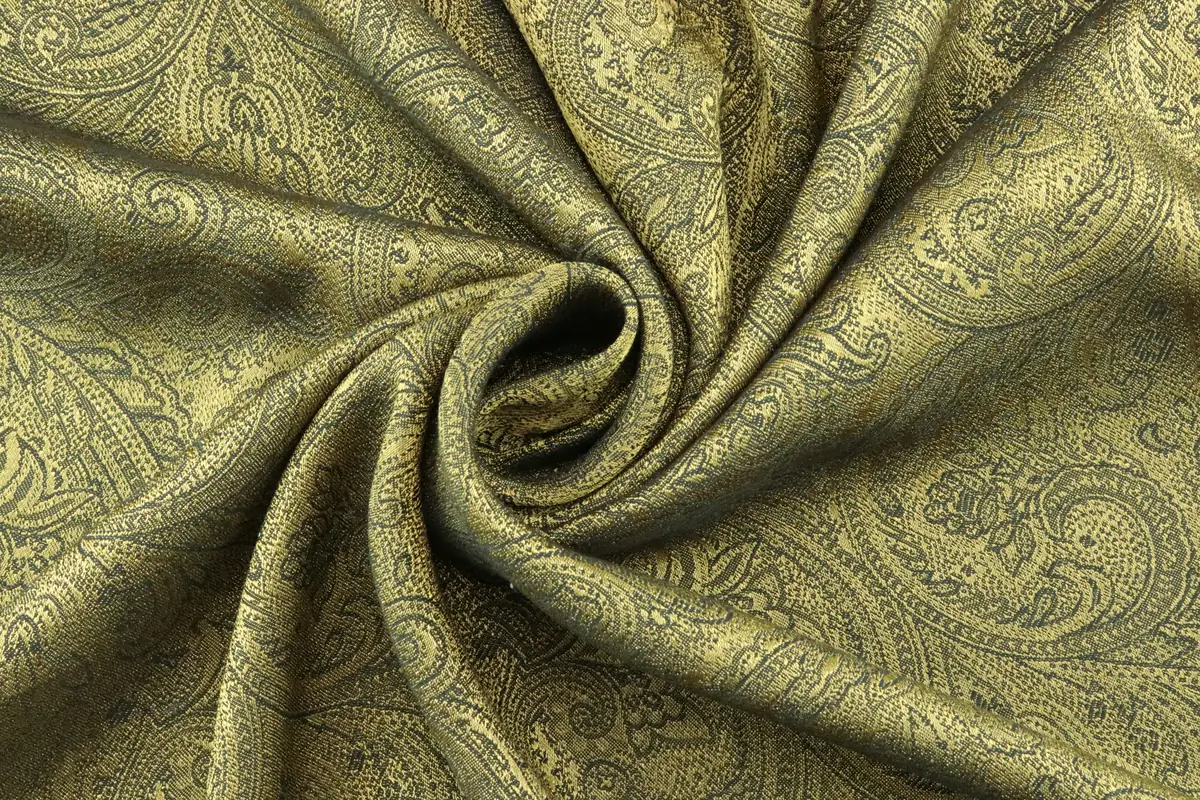
Store Hermès silk scarves by loosely folding them with acid-free tissue paper or rolling them around a pH-neutral cardboard core. Avoid airtight plastic containers which trap moisture and induce mold.
Maintain a stable environment of 50% humidity and 70°F to preserve the natural fibroin proteins and prevent permanent structural creasing.
The cost of neglect regarding Hermès silk—specifically the iconic 12-momme twill—is steep; improper storage leads to permanent molecular deformation of the fibers, effectively devaluing a vintage Carré by 50% in a single season.
In the pressurized environments of Manhattan brownstones or London townhouses, where central heating fluctuates and urban pollutants permeate storage zones, the structural integrity of silk is under constant assault. Permanent creases are not merely aesthetic nuisances; they are fractures in the silk’s protein chain that eventually lead to fiber breakage and irreversible "shattering".
Table of Contents
The Science of Silk Degradation
Understanding the preservation of a Carré requires an analysis of its biological origin. Hermès silk is composed of Fibroin, a natural protein filament bound by Sericin. While remarkably resilient, these protein chains are semi-hygroscopic, meaning they constantly exchange moisture with the ambient air.
Permanent creasing occurs through a process called "Glass Transition." When silk is folded tightly under weight, the hydrogen bonds between the Polymer chains are forced into a new position.
If left in this state in a low-humidity New York winter, the fibers lose their Elasticity and lock into that folded shape.
Furthermore, urban pollutants and residual skin Lipids left on the scarf can undergo Oxidation, leading to yellowing that becomes chemically bonded to the fiber when pressed under the weight of other garments.
Restoration and Storage Protocol
Step 1: Pre-Storage Decontamination
Before any silk enters long-term stasis, it must be free of volatile organic compounds and skin oils. Use a clean, dry microfiber cloth to gently wick away any surface particulates. If the scarf has been exposed to heavy perfume or perspiration, it requires professional dry cleaning to remove Acids that will eat the fiber over time.
WARNING / RED FLAG
Never store a scarf that feels slightly damp or has just been worn. Residual body heat and moisture trapped in a box will trigger Hydrolysis, weakening the silk bonds and inviting fungal growth.
Step 2: The Acid-Free Buffer
If you choose the traditional folding method, you must negate the "crush factor." Place sheets of unbuffered, acid-free tissue paper between each fold. This creates a cushion that prevents the silk from pressing against itself, maintaining a radius that is too wide for the protein chains to "snap" into a permanent crease.
WARNING / RED FLAG
Avoid standard gift-wrap tissue paper. Most commercial papers are acidic and will cause "acid migration," leading to brittle fibers and brown spotting (foxing) on your Hermès print.
Step 3: The Rolling Technique
For the highest level of preservation, rolling is superior to folding. Use a pH-neutral textile tube. Lay the scarf flat on a clean surface, cover it with a layer of acid-free tissue, and roll it loosely. This eliminates all angular pressure points, ensuring the Twist of the silk yarn remains uniform.
WARNING / RED FLAG
Do not roll too tightly. Excessive tension can cause the Satin weave or Twill ridges to shift, resulting in a distorted "moiré" effect that is difficult to steam out.
Step 4: Environmental Stabilization
Place the boxed or rolled scarves in a dark, cool location. Light—specifically UV radiation—acts as a catalyst for Photodegradation, which breaks down the silk's amino acids and fades the vibrant vegetable dyes used by Hermès.
WARNING / RED FLAG
Avoid cedar chests or mothballs. The volatile oils in cedar can stain silk, and the chemicals in mothballs can react with the silk's Dyes, causing irreversible color shifting.
The Conservator's Matrix
Method | Cost Efficiency | Risk Level | Time Required | Conservator's Verdict |
Original Orange Box | High | Medium | 5 Mins | Good, but requires acid-free tissue liners. |
Hanging (Padded) | Medium | High | 2 Mins | Avoid; causes gravitational strain on fibers. |
Acid-Free Archival Box | Low | Low | 10 Mins | The Gold Standard for heirloom pieces. |
Plastic Vacuum Bags | High | Extreme | 5 Mins | Forbidden; causes suffocation and mold risk. |
Curated Maintenance Tools
1. The Gold Standard (Professional): Archival Heritage Storage Box
These boxes are constructed from heavy-duty, pH-neutral board. They provide a micro-climate that buffers against rapid temperature changes and filters out gaseous pollutants.
Why it works: The alkaline buffer in the board neutralizes atmospheric acids before they reach the silk Dermis.
2. The Smart Value: Unbuffered Acid-Free Tissue Paper
A fundamental requirement for any collector. It acts as a mechanical barrier and a moisture regulator.
Why it works: The lack of lignin prevents the paper from breaking down into acidic byproducts over decades.
3. The Specialist Tool: Digital Hygrometer
A small device placed inside your wardrobe to monitor the Relative Humidity and temperature.
Why it works: Allows the collector to intervene if humidity drops below 40% (risk of brittleness) or rises above 65% (risk of mildew).
FAQ: Troubleshooting Your Collection
What if I find a crease that has been there for years?
Do not use a traditional iron directly on the silk. Use a professional-grade steamer from a distance of 6 inches, allowing the Water vapor to gently swell the fibers. Once the fiber is relaxed, lay it flat on a silk-friendly surface to dry.
Can I store multiple scarves in one box?
Yes, but limit it to three per box. The weight of the top scarves will eventually compress the bottom ones, defeating the purpose of the acid-free tissue cushioning.
Is it safe to use silica gel packets in the storage box?
Only if you live in an extremely high-humidity environment (above 70%). Otherwise, silica can over-dry the silk, removing the essential Internal moisture required to keep the protein filaments supple.
How often should I "air out" my collection?
Every six months, remove the scarves from their boxes. Refold them along different lines or re-roll them. This prevents "memory" from forming in the fiber structure.
Should I keep the original Hermès tags on during storage?
If the tag is attached with a plastic barb, remove it. The plastic can degrade and leave a sticky residue or a permanent indentation on the Twill weave.
Secure Your Investment Beyond Maintenance" "While professional cleaning and physical protection are vital, the ultimate safeguard for any high-value collection is a robust insurance policy.
Don't leave your hard-earned assets vulnerable to theft or unforeseen loss. Discover our comprehensive guide on luxury asset insurance and documentation to ensure your collection is fully protected by law and policy.