Why Metal Perfume Atomizers Outlast Plastic Ones
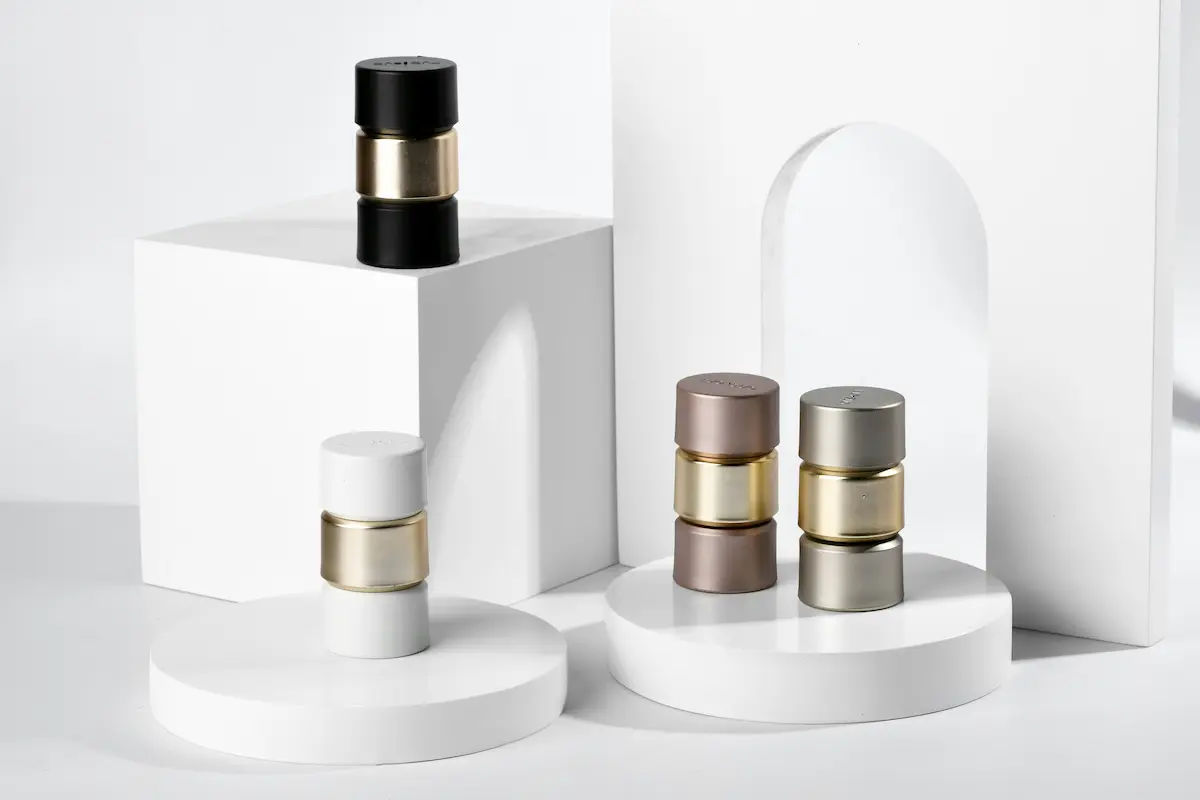
A decant I bought years ago came in a cheap plastic travel atomizer that stopped spraying evenly within about four months, sputtering and misfiring no matter how I cleaned it.
A metal atomizer I've had for well over a decade, refilled dozens of times, still sprays exactly like it did the day I bought it. Neither one was treated with any particular care or neglect. The difference was entirely in what each one was actually made from.
Table of Contents
- What an Atomizer Pump Is Actually Doing
- Why Plastic Deforms Under Repeated Mechanical Stress
- Chemical Compatibility Is a Separate, Additional Problem for Plastic
- Why the Spring Matters as Much as the Piston
- Does This Mean All Plastic Atomizers Are Bad?
- What This Means for How You Actually Use Fragrance Atomizers
- Signs Your Atomizer Is Starting to Fail
- Why I've Started Being More Deliberate About This
What an Atomizer Pump Is Actually Doing
Every spray you get from a perfume bottle comes from a small mechanical pump mechanism, a spring-loaded piston that draws liquid up through a tube and forces it through a tiny nozzle opening to create that fine mist. This is a genuinely precise little machine, and its performance depends heavily on how well the pump chamber maintains a consistent, tight seal around the piston as it moves.
That seal is where metal and plastic construction start to diverge meaningfully, and it's not really about which material looks or feels more premium, it's about which one actually holds dimensional precision better over repeated use.
Why Plastic Deforms Under Repeated Mechanical Stress
Plastic components in a pump mechanism, the piston itself or the chamber it moves within, experience the same repeated compression and release cycle every single spray. Over hundreds or thousands of presses, plastic tends to develop what's essentially microscopic fatigue deformation, a gradual loosening of tolerances that were originally quite tight when the atomizer was new.
This isn't really a manufacturing defect so much as an inherent property of most plastics under repeated cyclical stress. The material slowly loses some of its original rigidity and dimensional precision, and once that seal between piston and chamber loosens even slightly, spray consistency starts to suffer, sometimes showing up as weaker mist, uneven spray patterns, or air getting drawn into the mechanism alongside the liquid, causing that sputtering effect that eventually becomes hard to ignore.
Metal components, by contrast, generally hold their original dimensional tolerances far longer under the same repeated mechanical stress, since metal's fatigue behavior under this kind of low-force, high-repetition cycling is considerably more favorable than most consumer-grade plastics used in atomizer construction.
Chemical Compatibility Is a Separate, Additional Problem for Plastic
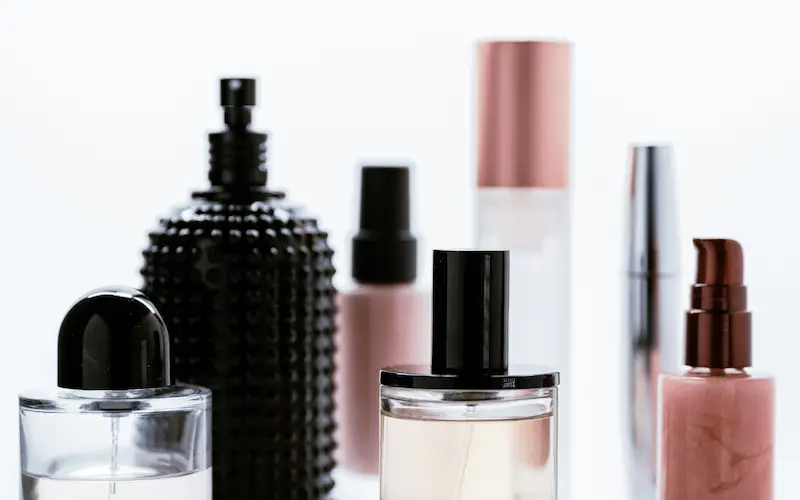
Beyond pure mechanical wear, there's a second issue specific to plastic that metal doesn't really share: fragrance formulations, particularly ones with higher alcohol concentrations or certain aromatic compounds, can slowly interact with some plastic polymers over extended contact, causing subtle swelling, softening, or even minor chemical breakdown of the plastic itself at a molecular level.
This kind of chemical interaction varies significantly by the specific plastic formulation and the specific fragrance's chemical composition, which is part of why some cheap plastic atomizers fail relatively quickly while others last longer, but it's an entirely separate failure mechanism from the purely mechanical fatigue described above, and it's one that metal components essentially don't experience in the same way at all, since metal doesn't have the same kind of reactive polymer structure that alcohol and aromatic compounds can gradually degrade.
Why the Spring Matters as Much as the Piston
The spring providing the actual pumping force is another component where material quality diverges significantly. Cheaper atomizers sometimes use lighter-gauge or lower-quality springs that lose tension gradually with repeated compression cycles, the same basic fatigue mechanism that affects a watch bezel's click spring over years of use, producing progressively weaker spray pressure over time even if the rest of the mechanism is still functioning reasonably well.
Better atomizers, metal or otherwise, tend to use more robust springs specifically engineered to maintain consistent tension over a genuinely high number of use cycles, which is part of why atomizer quality isn't purely a metal-versus-plastic question, though metal construction does correlate reasonably well with better overall component quality throughout the mechanism, likely because manufacturers investing in metal construction tend to invest similarly in the other components as well.
Does This Mean All Plastic Atomizers Are Bad?
Not necessarily, and this is worth being fair about. Higher-quality plastic atomizers, using more robust polymer formulations specifically engineered for repeated mechanical cycling and better chemical resistance to fragrance compounds, can perform quite well and last a genuinely reasonable amount of time.
The real distinction isn't plastic versus metal in some absolute sense, it's more about component quality and engineering investment generally, with metal construction simply correlating more reliably with that higher quality tier in most commercially available atomizers, particularly inexpensive travel or decant atomizers where cost-cutting tends to show up first in cheaper plastic components.
Cheap plastic atomizers, the kind commonly bundled free with decant purchases or sold in bulk for a few dollars, are where this failure pattern shows up most consistently and most quickly, since these are exactly the products where manufacturers are cutting costs most aggressively on every component, plastic construction simply being the most visible marker of that broader cost reduction.
What This Means for How You Actually Use Fragrance Atomizers
If you're decanting fragrance into a travel atomizer for regular use, spending a bit more on a quality metal atomizer, even a simple one, genuinely pays off in consistent performance over years rather than months, particularly if you're refilling and reusing the same atomizer repeatedly rather than treating it as disposable.
For less frequently used atomizers, ones that mostly sit unused between occasional trips, the mechanical fatigue issue matters less since it's driven primarily by repeated use cycles rather than time alone, though the chemical compatibility concern with plastic components can still develop even during periods of non-use if fragrance remains in contact with plastic parts for extended stretches.
Signs Your Atomizer Is Starting to Fail
A once-fine, consistent mist that starts producing larger droplets, an uneven or sputtering spray pattern, or noticeably reduced spray pressure compared to when the atomizer was new are all reasonably reliable signs that either the pump seal has loosened from mechanical fatigue, the spring has weakened, or in plastic atomizers specifically, some degree of chemical interaction with the fragrance itself may be affecting component performance.
None of these failure modes are typically dangerous or harmful to the fragrance itself in any meaningful sense, they just mean the atomizer's mechanical performance has genuinely declined, and at that point, replacement rather than attempted repair is usually the practical choice, since these small pump mechanisms aren't generally designed to be serviced or rebuilt the way a watch movement is.
Why I've Started Being More Deliberate About This
I used to think atomizer choice was purely an aesthetic decision, brushed metal looking nicer than plastic on a shelf, without considering the actual mechanical performance difference underneath that surface appearance.
Once I'd gone through enough cheap plastic atomizers failing within months while a decade-old metal one kept performing consistently, the pattern became hard to ignore, and now I genuinely default to metal construction for anything I plan on using and refilling regularly, treating the modest extra cost as a reasonable trade for years of consistent performance rather than replacing a failed plastic sprayer every few months.