Why the Stitching Fails Before the Leather Does on Expensive Bags
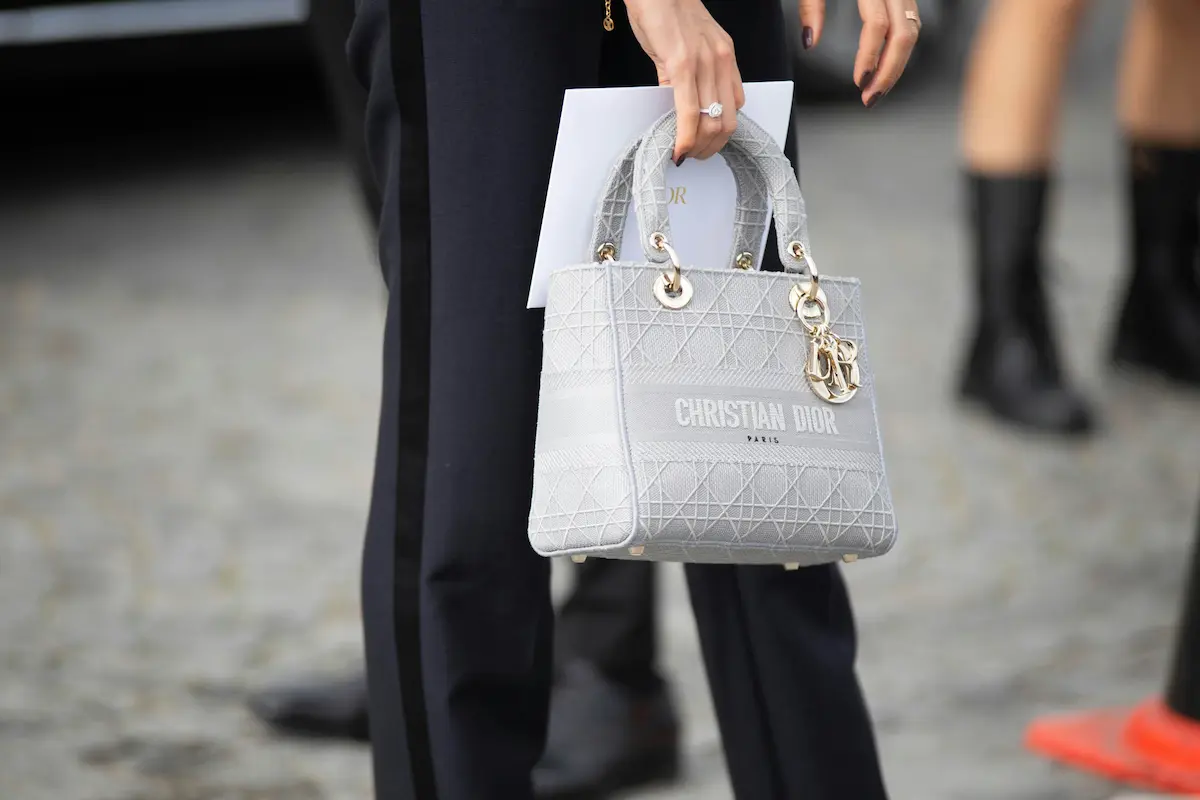
A friend brought me a bag she'd owned for close to fifteen years, genuinely worried the whole thing was falling apart. Looking closer, the leather itself was in remarkably good shape, supple, evenly worn, no cracking anywhere.
What had actually failed was a single seam along the base, where the thread had simply given out after years of the bag being set down, picked up, and shifted around on that exact stress point thousands of times.
This is a pattern that shows up constantly with well-made leather goods, and once you understand why, it changes how you think about both buying and maintaining them.
Table of Contents
- Thread and Leather Are Playing Completely Different Games
- Why Stress Concentrates So Heavily at Seams
- UV Exposure and Thread Degradation Nobody Talks About
- Why Higher Thread Counts Don't Always Mean Better Durability
- The Saddle Stitch Advantage, and Why It Actually Matters Here
- Why This Actually Changes How You Should Think About Repair
- What Actually Slows Down Stitching-Related Failure
- Why This Isn't a Sign of Poor Quality
Thread and Leather Are Playing Completely Different Games
Quality leather, properly tanned and cared for, is a remarkably durable material capable of lasting decades, sometimes generations, especially full-grain leather that develops the kind of patina that actually improves its appearance over long-term use.
Thread, even good thread, is a fundamentally different material facing a fundamentally different set of stresses, and it rarely gets discussed with anything like the same attention that leather quality receives in most buying guides.
Most stitching thread, whether waxed linen, nylon, or polyester depending on the maker, is considerably thinner and less robust than the leather it's holding together, which makes sense from a construction standpoint since thread needs to pass through small needle holes without tearing the leather around them.
But that same thinness means thread bears concentrated stress at specific points, the exact opposite of how leather itself handles stress, distributed broadly across a much larger surface area.
Why Stress Concentrates So Heavily at Seams
Every time a bag is picked up, set down, or shifted, the load isn't distributed evenly across the entire piece. It concentrates specifically at structural points, handle attachments, base seams, and corners, exactly where stitching does its actual load-bearing work holding pieces of leather together.
The leather panels themselves are mostly just along for the ride in terms of direct structural stress; it's the thread connecting them that's actually doing the mechanical work of holding the bag's shape and weight together at these connection points.
Over years of repeated loading and unloading, that concentrated stress at seams adds up in a way that diffuse wear across a flat leather panel simply doesn't experience in the same concentrated form.
This is really just basic material science: distributed stress across a large, flexible surface causes gradual, even wear, while concentrated stress at small connection points causes localized fatigue failure, and thread is considerably more susceptible to that kind of localized fatigue than the leather it's stitched through.
To ensure your luxury pieces retain their high resale value over the years, proper protection should start from day one. Read our full guide on How to Protect Your Luxury Investments
UV Exposure and Thread Degradation Nobody Talks About
Leather gets plenty of attention regarding sun damage, drying out, fading, cracking, but thread experiences its own separate degradation from UV exposure that rarely gets the same consideration.
Many common stitching threads, particularly older nylon formulations, break down chemically under prolonged UV exposure in ways that visibly weaken the thread's tensile strength well before any comparable damage shows up on the surrounding leather.
This is part of why a bag stored or displayed in a sunny spot for years might show perfectly healthy leather while its stitching has quietly become significantly weaker than it appears, since thread degradation from UV exposure isn't always visually obvious in the way sun-damaged leather typically is, with its more recognizable fading and stiffening.
Why Higher Thread Counts Don't Always Mean Better Durability
There's a reasonable assumption that denser stitching, more stitches per inch, means a stronger seam, and to a point this is true.
But beyond a certain density, tightly packed stitching can actually perforate the leather with enough small holes close together that it weakens the leather's structural integrity right along that seam line, creating a kind of pre-scored tear line rather than a genuinely stronger connection.
This is part of why experienced leatherworkers often talk about appropriate stitch density for a given leather thickness and application rather than simply maximizing stitches per inch as a universal marker of quality.
A seam that's technically higher in stitch count isn't automatically the more durable choice if that density compromises the leather's own structural integrity along the stitch line in exchange for marginal thread-related strength gains.
The Saddle Stitch Advantage, and Why It Actually Matters Here
This connects directly to why saddle stitching, the traditional hand-stitching technique using two needles working in opposite directions through the same hole, is specifically valued in higher-end leather goods beyond just aesthetic or tradition-based reasons.
In a saddle stitch, if a single thread breaks at some point along the seam, the stitching immediately adjacent to that break generally holds because each stitch is independently locked rather than relying on continuous thread tension running the entire seam length.
Machine lock stitching, the more common industrial method, ties top and bottom thread together at each stitch point too, but the specific mechanical redundancy of hand saddle stitching is part of why it's genuinely favored for high-stress seams in premium leather goods, not purely as a heritage marketing point but because of a real, demonstrable difference in how failure propagates along the seam when something eventually does go wrong.
Many collectors make simple, avoidable mistakes when handling their collections, which can cause permanent damage. Avoid these costly errors by reading our Luxury Maintenance Mistakes to Avoid
Why This Actually Changes How You Should Think About Repair
Understanding that stitching, not leather, is usually the first genuine failure point changes the calculus around repair versus replacement in a meaningful way. A bag with failing stitching but genuinely healthy leather underneath is an excellent, often quite affordable repair candidate, since re-stitching a seam is a comparatively simple, well-understood repair for any competent leatherworker, while the expensive, hard-to-replace part, the leather itself, remains fully intact and undamaged.
This is worth knowing before assuming a bag with a broken seam is beyond saving. In most cases, it's actually one of the more straightforward and cost-effective repairs available for leather goods, precisely because the thing that failed is designed to be replaceable in a way the leather itself generally isn't.
What Actually Slows Down Stitching-Related Failure
Since the mechanisms here, concentrated stress and UV degradation, are reasonably well understood, a few habits genuinely help extend stitching lifespan. Rotating how a bag is carried, alternating shoulder straps or handle grips rather than always stressing the exact same attachment point, distributes cumulative load across more of the bag's structural seams rather than concentrating wear on one specific area over years of identical handling habits.
Storing bags away from prolonged direct sunlight protects thread from the cumulative UV degradation discussed earlier, in the same way it protects leather from fading and drying, just through a somewhat different underlying mechanism specific to how thread fibers respond to UV exposure compared to how leather does.
Periodically checking high-stress seams, handle attachments and base corners specifically, for any loosening or fraying before a thread actually snaps completely, catches developing stitching failure early, when a simple reinforcement or partial re-stitch is a far smaller job than fully replacing a seam that's already failed entirely and potentially stressed the surrounding leather in the process.
Why This Isn't a Sign of Poor Quality
A bag needing re-stitching after many years of genuine, regular use isn't really evidence of inferior craftsmanship, it's closer to an expected maintenance item for a well-made piece that's actually been used the way it was designed to be used, the same way resoling a genuinely good pair of leather shoes after years of wear reflects normal component lifecycle rather than a manufacturing failure.
Once you understand that thread and leather are fundamentally different materials facing fundamentally different stresses, a failed seam on an otherwise beautifully aged bag stops looking like a disappointing flaw and starts looking like exactly what it is: the expected, replaceable part finally needing attention, while the harder-to-replace material it was holding together has held up exactly as well as it should have all along.