Why Collectibles Can Lose Value Even When You've Done Everything Right

Someone I know spent years babying a watch, service records perfectly kept, stored properly, worn carefully, condition essentially mint.
When he went to sell it, the offer came in noticeably below what he'd paid, despite the piece being in genuinely better condition than most comparable examples on the market. He'd done everything the care guides suggest. The market simply didn't care as much as he expected it to.
This is a harder lesson than most collecting advice wants to admit, mostly because "take good care of your things and they'll hold value" is a comforting, mostly true idea that doesn't actually hold up as a universal rule.
Table of Contents
- Condition Is a Multiplier, Not the Whole Equation
- Why Demand Shifts Independent of Anything You Control
- Supply Changes Matter More Than Most Owners Realize
- Authentication and Documentation Standards Change Over Time
- Why Broader Economic Conditions Override Individual Preservation Entirely
- The Difference Between Preserving Value and Creating It
- Why This Doesn't Mean Care Is Pointless
- What Buying With Investment in Mind Actually Requires
Condition Is a Multiplier, Not the Whole Equation
Perfect condition genuinely matters, but it functions more like a multiplier applied to an underlying value that's determined by other factors entirely, rather than being the primary driver of value itself. A pristine example of something nobody wants still isn't worth much, since flawless condition on a fundamentally undesirable item just means you have the best-preserved example of something the market has limited interest in.
This distinction gets lost easily because so much collecting advice focuses entirely on preservation techniques, storage, cleaning, avoiding damage, without spending equal attention on the demand side of the equation, which ultimately matters just as much, if not more, for actual resale value.
For a deeper dive into preserving the structural integrity and aesthetic appeal of your collection, don't miss our expert-approved advice. Explore more on our Expert Care Tips Hub
Why Demand Shifts Independent of Anything You Control
Taste and trend cycles move for reasons that have nothing to do with any individual owner's care habits.
A style, model, or category that was highly sought after when you acquired it can simply fall out of favor over years, sometimes for reasons as arbitrary as changing fashion sensibilities, shifting generational preferences, or a broader category simply becoming less culturally relevant than it once was.
This happened repeatedly across numerous collecting categories over recent decades, certain watch complications, particular jewelry styles, specific fashion-adjacent accessories, all experiencing periods of strong demand followed by extended periods of relative disinterest, entirely independent of how well any individual example happened to be preserved during that shift. Condition didn't cause the decline in demand, and pristine condition doesn't reverse it either.
Supply Changes Matter More Than Most Owners Realize
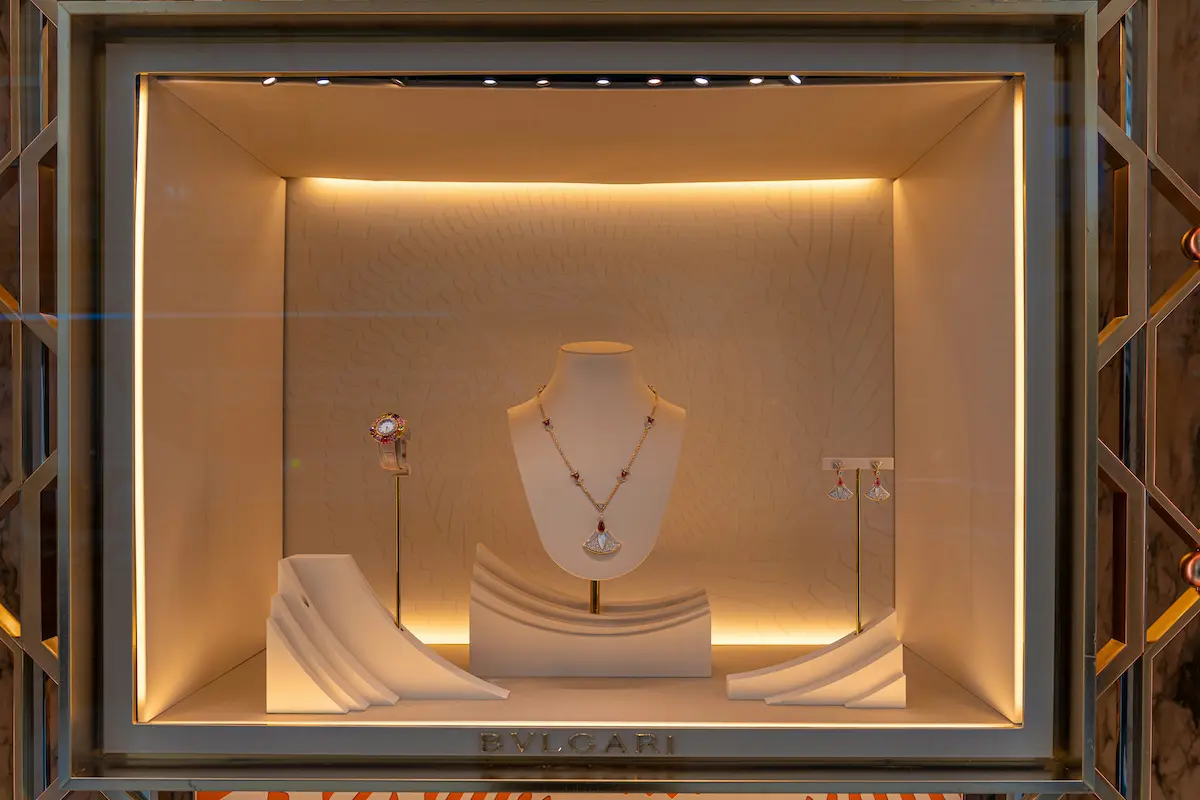
If a manufacturer reissues a similar design, releases a modern equivalent, or simply produces significantly more units of something that was once genuinely scarce, the original piece's relative rarity, and therefore its value premium tied to that scarcity, can erode regardless of the specific example's condition. Scarcity is a moving target based on total market supply, not a fixed property of any individual item you happen to own.
This is particularly relevant for anything where a brand or manufacturer has some influence over how much of a given design ultimately exists in the world. A limited run that stays limited tends to hold its scarcity premium; one that gets quietly expanded or effectively replicated through later production runs loses exactly the rarity-driven portion of its value, sometimes substantially, with condition of any individual example remaining completely unchanged throughout that process.
Authentication and Documentation Standards Change Over Time
Something that seemed adequately documented or verified at the time of purchase can become insufficient by later market standards, as authentication expectations tighten over time in many collecting categories.
An item lacking certain paperwork, original packaging, or specific verification documentation that wasn't considered particularly important years ago might face real resale friction now, simply because buyer expectations and market standards evolved in ways the original purchase didn't anticipate.
This isn't something perfect physical care can fix retroactively, since the issue isn't the item's condition but rather what can or can't be proven about its history and authenticity relative to current market expectations, which is a completely separate concern from how well it's been physically preserved.
Why Broader Economic Conditions Override Individual Preservation Entirely
Luxury and collectible markets generally move with broader economic cycles, and during periods of economic uncertainty or contraction, discretionary luxury spending contracts meaningfully across nearly every collecting category simultaneously, regardless of how well any individual seller has maintained their specific items.
A recession doesn't check whether your watch has been serviced on schedule before suppressing what buyers are willing and able to pay for it.
This is genuinely humbling for anyone who's invested real effort into preservation, since it means external economic forces entirely outside personal control can suppress value more significantly than years of careful maintenance can protect against, at least in the short to medium term during any given economic downturn.
The Difference Between Preserving Value and Creating It
Proper care and maintenance is really about preserving whatever value an item's underlying desirability and market position already commands, not about creating additional value beyond what that underlying demand actually supports.
This is a meaningful distinction that gets blurred in a lot of collecting culture, where the emotional and financial investment in caring for something can create an expectation that the market owes a return proportional to that effort, which simply isn't how value works in any market driven primarily by other people's collective willingness to pay.
Understanding this distinction changes what "doing everything right" actually means for a collector focused on financial outcomes rather than pure enjoyment.
It means proper care remains genuinely worth doing, since neglecting maintenance certainly won't help and can actively damage value further, but it also means accepting that even flawless execution on the preservation side doesn't guarantee value retention if the demand side of the equation shifts unfavorably for reasons entirely outside anyone's control.
Preventing damage is always much cheaper and easier than trying to restore a ruined luxury item later on. Find the complete preventive steps in our Damage Prevention Blueprint
Why This Doesn't Mean Care Is Pointless
None of this is an argument against proper maintenance, storage, or care, which remain genuinely worthwhile regardless of market conditions, both because well-preserved items are more pleasant to actually own and use, and because condition still functions as a real, meaningful multiplier on whatever value the market does support at any given time.
A poorly maintained example of something in strong demand will sell for meaningfully less than a well-preserved one; the point isn't that care doesn't matter, it's that care alone was never the whole story to begin with, and treating it as such sets up exactly the kind of disappointment my friend experienced when his genuinely excellent care didn't translate into the return he'd reasonably expected.
What Buying With Investment in Mind Actually Requires
If value retention genuinely matters to your collecting decisions, alongside enjoyment and personal interest, understanding demand fundamentals, genuine scarcity versus manufactured scarcity, broader category trend direction, documentation and authentication standards likely to matter down the line, matters at least as much as, and arguably more than, learning proper storage and maintenance techniques.
Both skill sets matter for different reasons, but conflating them, assuming excellent care alone protects financial value, is a genuinely common and understandable mistake that even careful, well-informed collectors make.
I think about my friend's watch experience often now, mostly because it recalibrated my own expectations in a useful way. Care protects what the market already values. It was never going to create value the underlying demand simply didn't support in the first place.