How to Protect a New Suede Designer Bag: The Ultimate Preservation Guide
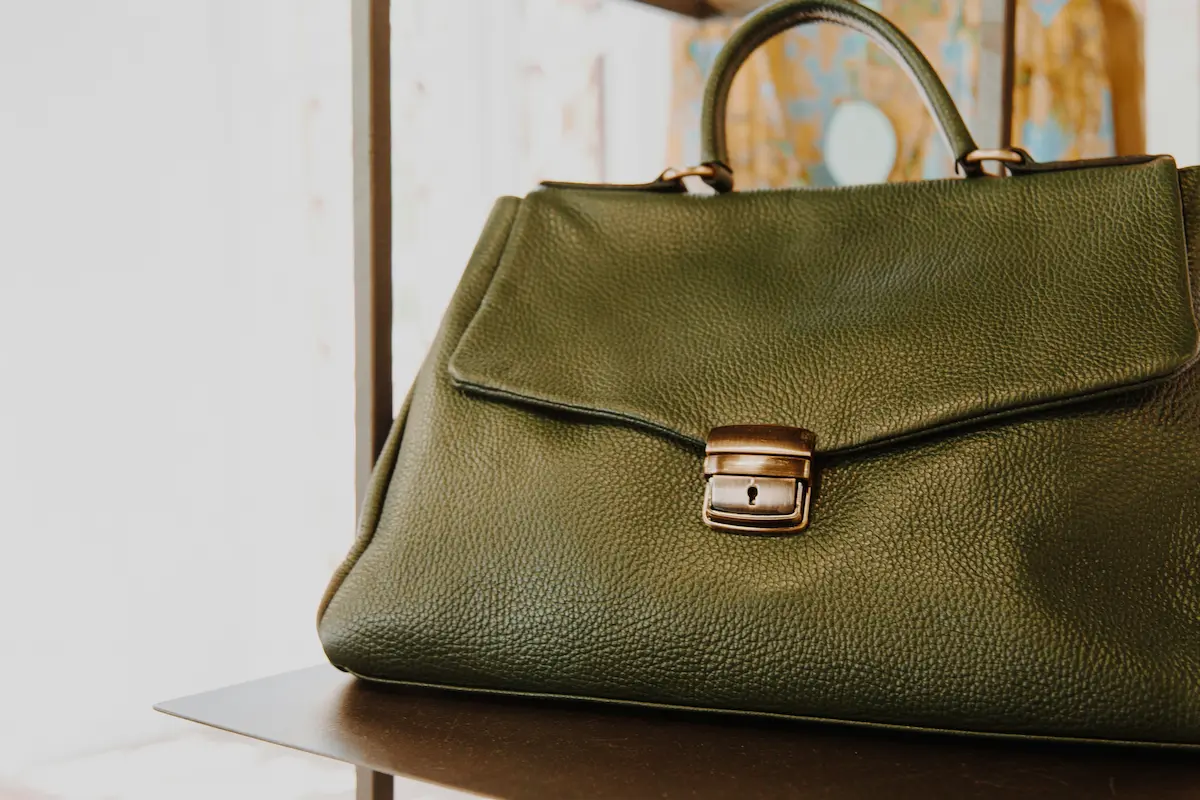
Acquiring a luxury suede handbag is an exhilarating milestone for any fashion enthusiast. The velvety texture, the rich depth of color, and the sophisticated slouch of premium suede—whether it is a Saint Laurent Kate, a Celine 16, or a vintage Gucci—instantly elevate any wardrobe. However, that initial rush of pride is often quickly followed by a wave of anxiety.
Unlike robust pebbled calfskin or coated canvas, suede is notorious for its vulnerability. It is highly porous, lacks a natural protective grain, and behaves like a sponge when exposed to moisture, oils, and dirt. A single unexpected rain shower or a spilled latte can instantly transform a prized asset into a costly restoration nightmare.
If you are wondering how to protect a new suede designer bag before taking it out for its first spin, you have come to the right place. You do not need to be a professional leather restorer to keep your bag looking flawless. By establishing a proactive defense system and adopting the right maintenance habits, you can enjoy your luxury investment for years without fear. Here is your definitive, step-by-step expert guide to safeguarding your new suede treasure.
Table of Contents
Understanding the Vulnerability of Premium Suede
Before diving into the protective measures, it is crucial to understand what makes suede so uniquely delicate. Suede is crafted from the underside of the animal hide. The tanning process splits the leather, exposing the soft, fibrous inner layer. This creates the signature "nap"—the tiny, raised fibers that give suede its distinctive fuzzy texture and matte appearance.
Because these fibers are completely exposed, they lack the water-resistant topcoats found on smooth leathers. The nap easily traps microscopic dust particles, absorbs liquid instantly, and is highly prone to abrasion. When suede gets wet, the water binds with the natural oils inherent in the leather. As the water evaporates, it draws those essential oils out, leaving the fibers stiff, brittle, and prone to cracking. Knowing this structural vulnerability highlights why immediate, pre-wear protection is absolutely mandatory.
To ensure your luxury pieces retain their high resale value over the years, proper protection should start from day one. Read our full guide on How to Protect Your Luxury Investments
The Pre-Wear Shield: Step-by-Step Protection
The absolute best time to protect a suede bag is the exact moment you unbox it. Do not wait until your third or fourth outing; apply a protective shield before the bag ever encounters the outside world.
Step 1: Inspect and Prepare the Nap
Even a brand-new bag straight from the boutique can gather minor dust or flat spots during transit. Before applying any chemical protectant, you need to ensure the nap is clean and lifted.
Take a clean, dry, soft-bristled suede brush.
Gently brush the entire surface of the bag using short, light strokes in one single direction.
Avoid aggressive scrubbing or circular motions, as this can weaken the fibers or create permanent bald patches. Brushing wakes up the nap, ensuring that your protective spray coats every single fiber evenly.
Step 2: Choose the Right Suede Protector
Selecting the correct protectant formula is the most critical decision you will make. Cheap, heavy-duty silicone sprays designed for outdoor hiking boots should never touch a luxury designer handbag. Silicone can alter the color of delicate dyes, create a sticky residue, and suffocate the leather, destroying its soft texture.
Look for a premium, nano-technology water and stain repellent specifically formulated for luxury fashion accessories (such as Collonil Carbon Pro, Cadillac Shield, or Saphir Médaille d'Or Super Invulner).
These advanced formulas create an invisible, breathable barrier that allows the leather to retain its texture while repelling water drops and oil stains.
Step 3: Conduct a Patch Test
No matter how reputable the brand of spray is, always perform a spot check. Every batch of designer dye can react slightly differently.
Locate a discreet, hidden area on the bag, such as the inside of a pocket lip, the underside of a strap, or the very bottom corner.
Spray a tiny amount of the protectant onto that area and let it dry completely for at least one hour.
Check for any permanent darkening, color bleeding, or texture changes. If the area dries perfectly clear and retains its softness, you are safe to proceed.
Step 4: Apply the Spray Flawlessly
Proper application technique prevents spotting and ensures maximum coverage.
Work in a well-ventilated space, preferably outdoors or near an open window.
Hold the spray can approximately 20 to 30 centimeters (8 to 12 inches) away from the bag. Holding it too close will saturate the leather, causing uneven dark spots.
Mist the bag using continuous, sweeping motions. Aim for a light, even coat rather than soaking the material. The bag should look slightly damp, not wet.
Do not forget to spray the straps, the base, and the seams.
Step 5: Let It Cure and Repeat
Patience is key to curing the protective barrier.
Allow the bag to dry naturally in a cool, shaded room for at least 30 to 60 minutes. Keep it far away from direct sunlight, radiators, or hair dryers, as artificial heat will shrink and ruin the leather.
Once dry, use your suede brush to gently restore the nap.
For optimal defense, apply a second light coat following the exact same procedure. Let the bag cure completely for 24 hours before taking it outside.
Daily Defense: Essential Rules for Wearing Suede
Applying a protectant spray does not make your bag completely invincible; it merely buys you time to wipe away spills before they soak in. To maintain its pristine condition, you must practice smart daily habits.
Avoid the Dreaded "Color Transfer"
Suede acts like sandpaper against other fabrics, easily absorbing loose dyes.
The Golden Rule: Never wear a light-colored suede bag against dark, unwashed raw denim or deeply dyed clothing. The indigo dye from jeans will rub off onto the suede, resulting in dark stains that are incredibly difficult to remove without professional intervention.
Conversely, vibrant or dark suede bags can sometimes bleed color onto light silk or white linen tops. Match your wardrobe carefully to avoid cross-contamination.
Monitor the Weather Forecast
This might sound obvious, but prevention is your best weapon. Check the weather app before stepping out. If there is a high chance of rain, heavy humidity, or snow, leave your suede bag safely at home in its dust bag. If you do get caught in a sudden downpour, immediately shield the bag under an umbrella or tuck it inside a clean canvas tote bag.
Be Mindful of Where You Rest Your Bag
Never place your luxury suede bag on the floor of a restaurant, taxi, or movie theater. The bottom of the bag will instantly absorb oils, dirt, and sticky residues. Always use a portable handbag hook, place it on the chair behind your back, or keep it securely on your lap.
Proper Storage: Preservation When Not in Use
How you treat your bag at home is just as vital as how you treat it outside. Improper storage can cause structural collapse, fading, or mold growth.
Use Breathable Dust Bags
When your bag is resting, store it inside a 100% breathable cotton dust bag. Never store a suede bag in a plastic container or airtight box. Suede is a natural material that needs to breathe. Trapping it in plastic seals in ambient moisture, creating a perfect breeding ground for destructive mold and mildew.
Maintain the Bag's Architecture
Suede is naturally soft and can lose its shape quickly if left empty. To prevent creasing, sagging, or collapsing:
Stuff the interior of the bag with acid-free tissue paper or a custom-fit purse pillow insert.
Do not use old newspapers or colored tissue paper, as the ink can bleed into the interior lining.
Ensure you do not overstuff the bag, as this can stretch the seams and permanently warp the leather.
Optimize Your Closet Climate
Store your luxury collection in a dark, temperature-controlled environment. Direct exposure to sunlight will bleach vibrant suede dyes, causing uneven fading within a few months. Avoid damp closets or basements. The ideal storage atmosphere is cool, dry, and well-ventilated, keeping the leather fibers stable.
The Safe DIY Maintenance Kit
Every luxury bag owner should own a dedicated, minimal care kit to handle minor issues before they become permanent stains. You do not need expensive machines—just a few simple, correct tools.
The Tools You Need:
Suede Brush (Soft Bristle): For daily dust removal and lifting the nap.
Suede Eraser: A specialized crumbly block used to gently rub away dry scuffs, light dirt, and shiny spots caused by friction.
Microfiber Cloths: Clean, white, lint-free cloths used strictly for blotting purposes.
How to Handle a Dry Scuff:
If you notice a minor scuff mark on your bag after a day out, do not panic. Take your suede eraser and rub the area gently with minimal pressure. The eraser will crumble, lifting the dirt out of the fibers. Once the scuff is gone, use your suede brush to sweep away the crumbs and fluff the nap back to uniform perfection.
How to Handle a Sudden Liquid Spill:
If a drop of water or coffee lands on your protected bag, act fast:
Grab a clean, dry white microfiber cloth or paper towel.
Blot the spill gently. Never rub, scrub, or wipe side-to-side. Rubbing pushes the liquid deeper into the inner fibers and spreads the stain wider.
Allow the damp spot to dry completely at room temperature. Once dry, brush the area to blend the nap back in.
Conclusion
Protecting a new suede designer bag does not require professional training, but it does demand consistency, patience, and the right techniques. By taking the time to apply a high-quality luxury protectant spray before your first wear, keeping it away from raw denim, and storing it inside a breathable cotton dust bag, you can actively prevent 90% of common damage. Treat your suede with care, respect its natural limitations, and it will remain a stunning, high-value centerpiece of your collection for many years to come.
To ensure your luxury pieces retain their high resale value over the years, proper protection should start from day one. Read our full guide on How to Protect Your Luxury Investments
Frequently Asked Questions (FAQ)
Can I use a normal leather conditioner on a suede bag?
Absolutely not. You must never apply traditional leather creams, lotions, conditioners, or oils to suede. These products are formulated for smooth leathers; applying them to suede will instantly flatten the nap, glue the delicate fibers together, and leave heavy, greasy, permanent dark stains. Only use products explicitly labeled for suede care.
How often should I reapply the protective spray?
For a bag you wear frequently (two to three times a week), it is best to reapply a light layer of protective spray every two to three months. For occasional evening bags that only come out a few times a year, reapplying once every six months or right before an outing is more than enough to keep the barrier active.
What should I do if my suede bag gets completely soaked in the rain?
If your bag gets caught in a heavy downpour, do not panic and do not try to dry it fast with a hair dryer. First, blot as much excess water as possible using a clean white towel. Next, stuff the inside of the bag firmly with acid-free tissue paper to help it maintain its shape and absorb internal moisture. Let the bag dry naturally in a well-ventilated room away from heat sources. Once it is 100% dry, use a suede brush to loosen up the stiffened fibers and restore the soft texture.
How do I remove oil or grease stains at home?
Oil stains (like food grease or body oils from handles) are highly challenging. The moment you spot an oil stain, dust a generous layer of cornstarch or talcum powder directly over the spot. Let it sit overnight (12 to 24 hours). The powder will naturally draw the oil out of the porous fibers. The next day, gently sweep the powder away using your suede brush. If the stain remains, it is time to take the bag to a professional luxury leather cleaner.
Does protective spray alter the color of the suede permanently?
High-quality premium nano-protectants are designed to dry completely clear and will not change the color of your bag permanently. However, during application, the wet spray will make the bag look darker temporarily. This is completely normal. Once the mist evaporates and dries thoroughly, the bag will return to its original shade. Always perform a patch test on a hidden area first just to be absolutely certain.