Automatic vs Manual Watch: Care Differences Explained
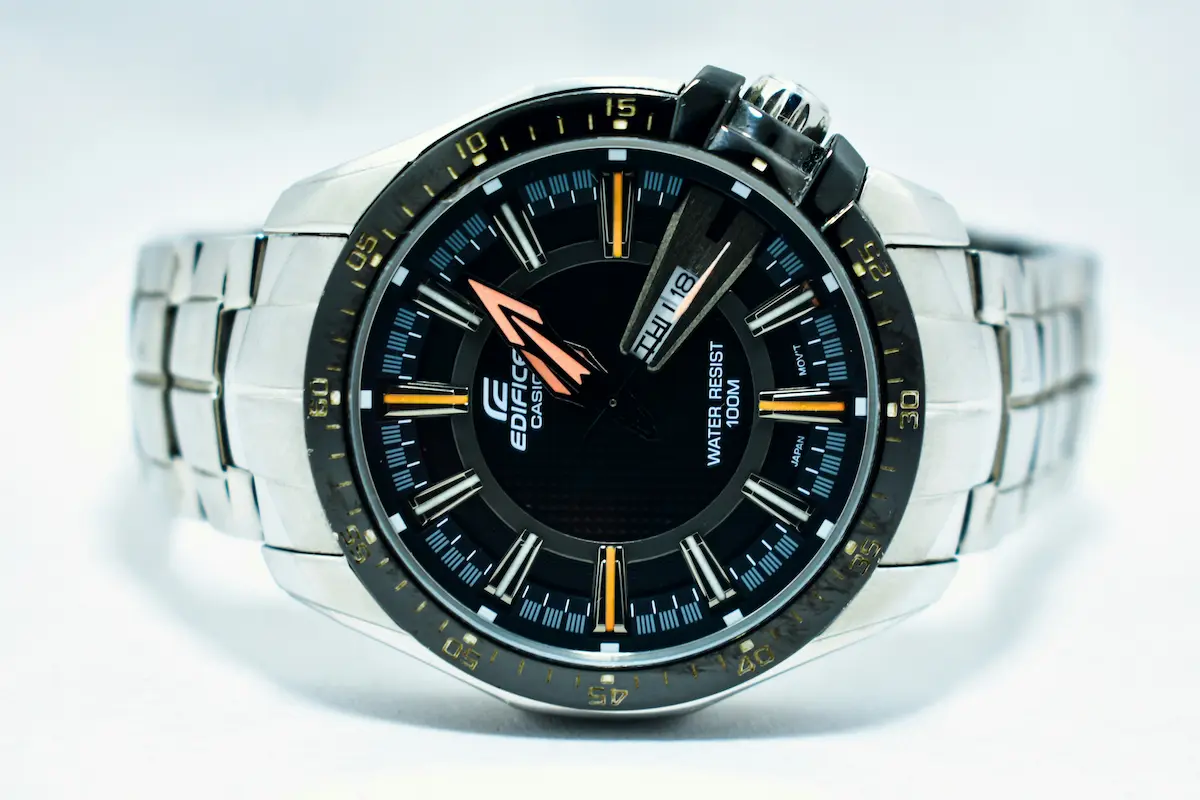
Someone once handed me their grandfather's watch and asked why it kept stopping every night. It was a manual movement, and nobody in the family had wound it in years — they'd assumed, like a lot of people do, that "mechanical" just meant it took care of itself.
That mix-up is more common than you'd think, and it's worth untangling, because the two types genuinely need different habits, not just different terminology.
Table of Contents

The Actual Mechanical Difference
Both automatic and manual watches store energy in a coiled mainspring and release it gradually to drive the gear train. The difference is entirely in how that spring gets wound in the first place.
A manual movement only winds when you turn the crown yourself. There's no other mechanism feeding it energy — no motion sensor, no automatic system. If you don't wind it, it runs down and stops, typically within 40 hours or so depending on the watch's power reserve.
An automatic movement adds a rotor — a semicircular weight that swings freely inside the case as your wrist moves. That swinging motion winds the mainspring through a small gear system, which is why an automatic watch can, in theory, run indefinitely as long as it's being worn regularly.
Neither is "better" in some absolute sense. They're just different systems solving the same problem — keeping the mainspring wound — in different ways.
Why This Changes How You Actually Use Each One
A manual watch is a daily commitment by design. Skip winding it for a day or two and it simply stops; there's no ambiguity about maintenance schedule because the watch tells you immediately when it needs attention. Some collectors actually prefer this — there's something to be said for a watch that requires deliberate daily interaction rather than running on autopilot.
An automatic watch is more forgiving day-to-day but creates a different kind of question: how much wrist motion is "enough"? A sedentary day at a desk provides far less rotor movement than an active one, and some automatic watches with less efficient winding systems can actually run down even while being worn, if the wearer's arm movement is minimal.
This is part of why watch winders exist for automatics and don't really make sense for manual watches — a winder simulates the wrist motion an automatic needs, but a manual watch has no mechanism that responds to motion at all. Putting a manual watch in a winder does nothing.
Maintenance Differences Worth Knowing
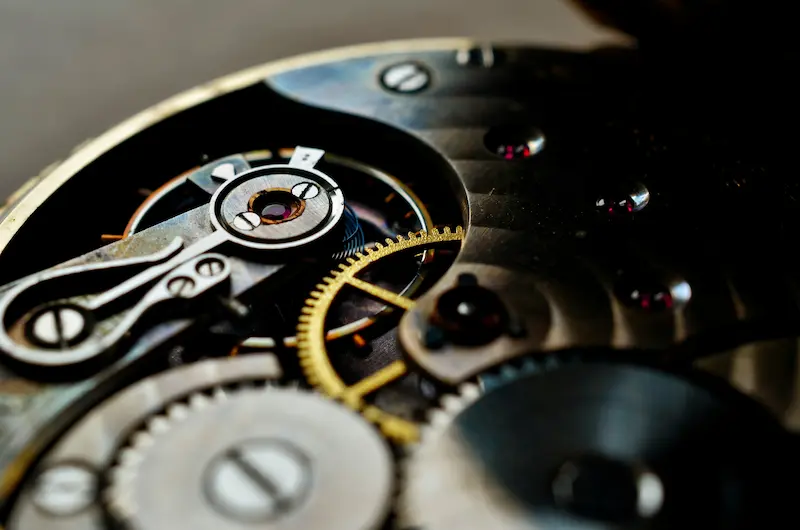
The winding mechanism itself is one of the more failure-prone parts of any mechanical watch, and the two types wear differently at that point.
Manual watches put direct, repeated stress on the crown and stem every time you wind them by hand. Over years of daily winding, this is one of the more common service items — not a defect, just normal wear from the one moving part you're interacting with constantly.
Automatic watches distribute that stress differently. The rotor bearing and automatic winding gear train take on wear instead of the crown, since you're not manually winding it every day (though you should still occasionally hand-wind an automatic if it's been sitting, to get it started rather than relying purely on wrist motion to restart a fully stopped watch).
Neither wear pattern is worse — they're just different components taking the brunt of regular use, which matters when you're talking to a watchmaker about what to actually check during a service.
A Common Misconception Worth Clearing Up
A lot of people assume automatic watches are inherently more accurate or higher quality than manual ones because they're often priced higher or marketed as more "advanced." Mechanically, that's not really true. Accuracy comes down to the quality of the movement's regulation and components, not whether it's wound by a rotor or a crown. Some of the most respected manual movements in watchmaking outperform mass-produced automatics on accuracy alone.
The automatic mechanism exists for convenience, not superior timekeeping.
To ensure your luxury pieces retain their high resale value over the years, proper protection should start from day one. Read our full guide on How to Protect Your Luxury Investments
Conclusion
Understanding which type you own changes very little about day-to-day enjoyment, but it changes a lot about what "normal" looks like — when it's fine for a watch to stop, when winding by hand actually helps, and what a watchmaker should be checking during a routine service.
FAQ
Can you wind an automatic watch by hand?
Yes, and it's often a good idea if the watch has fully stopped — manually winding it a bit before wearing it gets the mainspring to a working level rather than waiting for wrist motion alone to build up enough power.
Do manual watches need to be wound every day?
Most do, since typical power reserves run 36-48 hours. Some higher-end manual movements have extended power reserves lasting several days, but checking your specific watch's spec sheet is the only reliable way to know.
Is an automatic watch better for someone who travels a lot?
It depends on activity level more than travel itself. If you're moving around and wearing it regularly, an automatic will likely stay wound fine. If it's sitting in a hotel safe for days at a time, it'll stop just like any watch would.
Why does my automatic watch run fast or slow throughout the day?
This is normal to some extent — mechanical movements aren't as precise as quartz, and position (how the watch is oriented while worn or stored) can affect rate slightly. Consistent, large deviations are worth having checked by a watchmaker.
Does winding a manual watch too much damage it?
Modern manual movements have a slipping clutch mechanism that prevents actual over winding damage — you'll feel resistance increase near full wind, which is your cue to stop, not a sign something's broken.