Why Two Identical Items From the Same Brand Sell for Wildly Different Prices
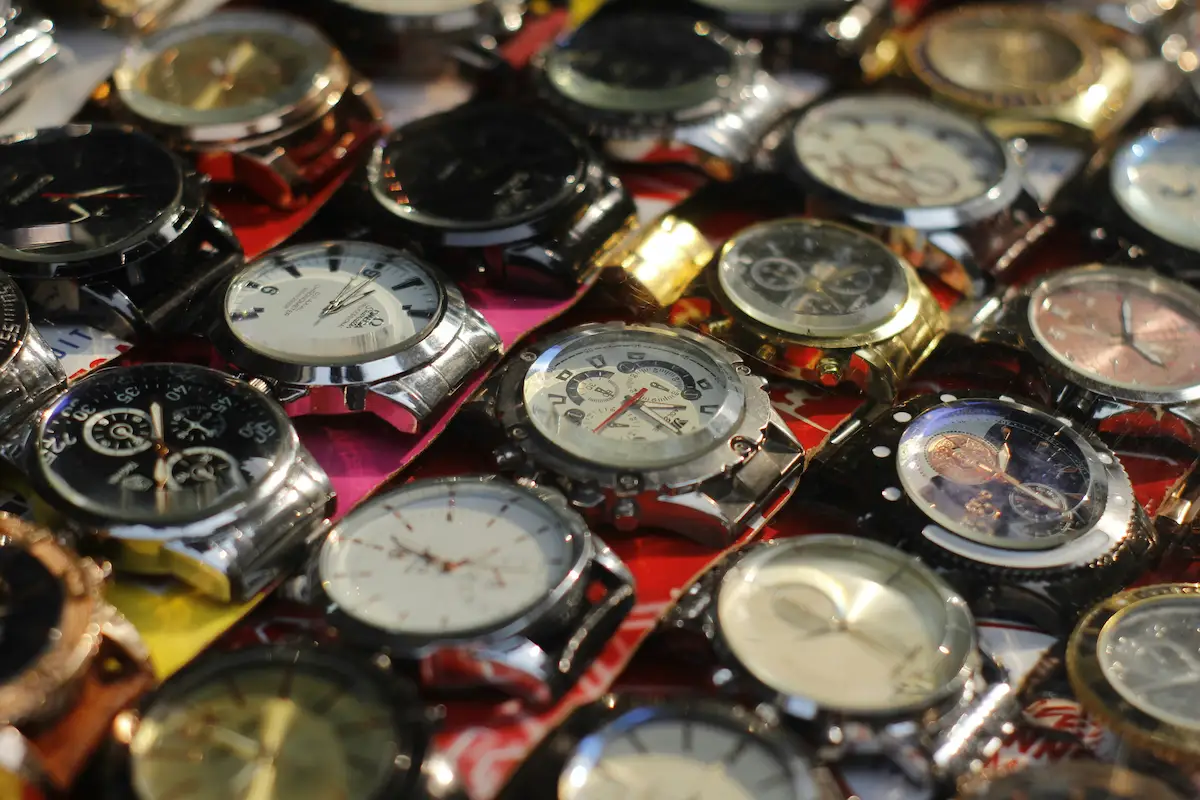
Two watches, same reference number, same year of production, same condition grade by any reasonable visual assessment. One sold at auction for roughly double the other. Nothing about the physical object itself explained the gap.
What explained it was everything that happened to each watch before it reached that auction room, none of which had anything to do with how the piece actually looks or functions today.
This is one of the more counterintuitive aspects of collectible value, and it consistently confuses people who assume two objectively identical items should command roughly identical prices.
Table of Contents
- Provenance Is Doing More Work Than Most Buyers Realize
- Why Original Documentation Matters More Than It Used To
- The Specific Value of an Unbroken Ownership Chain
- Why Notable Prior Ownership Creates Genuinely Different Value Tiers
- Auction House Records as a Specific Form of Provenance
- Why This Matters for How You Actually Handle Your Own Items
- Why Two Buyers Can Reasonably Disagree About How Much This Matters
- What This Means Going Forward
Provenance Is Doing More Work Than Most Buyers Realize
Provenance, essentially an item's documented history and chain of ownership, has become an increasingly significant value driver across many collecting categories, sometimes rivaling or exceeding the value impact of condition itself.
An item with a well-documented, verifiable history, particularly one connecting it to a notable prior owner, a specific historical moment, or simply an unbroken, well-recorded chain of custody from original purchase forward, carries a premium that has nothing to do with how the physical object performs or looks.
No matter how durable the material is, implementing a regular maintenance routine is the only way to keep your prized possessions in mint condition. Learn more in our Comprehensive Care Guide
This isn't purely sentimental or irrational market behavior, even though it can seem that way at first glance. Verified provenance meaningfully reduces buyer risk around authenticity and unreported modification, which matters enormously in markets where counterfeits, undisclosed repairs, and parts replacement are genuine ongoing concerns. An item with clear, verifiable history is functionally a lower-risk purchase than an identical-looking item with an unclear or undocumented past, and buyers reasonably pay a premium for that reduced risk.
Why Original Documentation Matters More Than It Used To
Original purchase receipts, warranty cards, boxes, and manufacturer paperwork were often treated as disposable at the time of purchase decades ago, since nobody anticipated these items becoming significant collector pieces with substantial resale value down the line. This creates a genuinely uneven playing field today between items whose original owners happened to preserve this paperwork, sometimes purely by accident or habit, and functionally identical items where that same paperwork was discarded or lost over the years.
This gap has only widened as authentication standards have tightened across most collecting categories, meaning documentation that might once have been considered a nice-to-have extra is now sometimes the deciding factor between an item selling easily at a strong price and the same item facing genuine buyer hesitation and a correspondingly lower offer, entirely independent of the object's actual physical condition.
The Specific Value of an Unbroken Ownership Chain
Beyond original paperwork, a documented, traceable ownership history from original sale through every subsequent transfer carries its own distinct value, largely because it closes off the possibility of undisclosed gaps where authentication concerns, undisclosed damage, or component swaps could theoretically have occurred without detection. An item that's passed through several unknown, undocumented hands over decades carries an inherent, if often unstated, discount reflecting that uncertainty, even if there's no specific reason to suspect anything problematic actually happened during those gaps.
This connects to something worth understanding about how professional appraisers and serious buyers actually evaluate items in practice: the absence of negative information isn't the same as the presence of positive, verifiable information, and the market consistently prices that distinction into what buyers are actually willing to pay.
To ensure your luxury pieces retain their high resale value over the years, proper protection should start from day one. Read our full guide on How to Protect Your Luxury Investments
Why Notable Prior Ownership Creates Genuinely Different Value Tiers
An item's connection to a specific notable prior owner, when properly verified rather than merely claimed, can create an entirely separate value category from an otherwise identical example lacking that connection. This goes beyond simple provenance-as-risk-reduction into something closer to the object becoming a physical artifact connected to a specific narrative or historical moment that buyers are willing to pay a genuine premium to own a piece of.
This particular value driver is worth approaching cautiously as a buyer, since claimed celebrity or notable ownership without genuine, verifiable documentation is an area where fraud and unsubstantiated claims are common enough that skepticism is warranted, and the value premium here depends entirely on the claim actually being properly verifiable rather than simply asserted by a seller.
Auction House Records as a Specific Form of Provenance
An item that's previously sold through a reputable, established auction house carries a specific, verifiable form of provenance that private sales generally can't replicate. The auction record itself becomes part of the item's documented history, creating a traceable point of reference that future buyers and appraisers can independently verify, which is part of why items with genuine auction history, even from a sale years or decades earlier, often command a premium over comparable items lacking that same documented sale history.
This is somewhat separate from the earlier discussion of ownership chains, since an auction record doesn't necessarily reveal who owned the item before or after that specific sale, but it does provide an independently verifiable data point about the item's authenticity and condition at that specific moment, which has real value to a subsequent buyer trying to assess risk.
Why This Matters for How You Actually Handle Your Own Items
If you're holding onto items with potential long-term value, keeping original documentation, purchase receipts, warranty cards, boxes, and any service records genuinely matters for eventual resale value, arguably as much as physical condition itself in many collecting categories. This is worth treating as seriously as the physical care and storage habits most collecting advice already emphasizes heavily.
Beyond documentation you already have, maintaining detailed records of your own ownership period, purchase details, any service history, dates of any professional authentication, creates exactly the kind of verifiable chain that future buyers will value, effectively continuing the provenance record forward rather than leaving a gap that a future owner further down the line would otherwise have to work around or simply accept as an unavoidable unknown in the item's history.
Why Two Buyers Can Reasonably Disagree About How Much This Matters
Not every buyer weighs provenance equally, and this is a genuinely reasonable area of disagreement rather than one party simply being wrong. Someone buying primarily for personal enjoyment and use might reasonably care far less about documentation completeness than someone buying specifically as a long-term investment vehicle where eventual resale value and liquidity matter considerably more to their overall decision.
Understanding which type of buyer you actually are, or which type of buyer you're eventually selling to, helps explain why the exact same object can be priced quite differently depending on which market segment is actually doing the valuing at any given moment, which is really the underlying reason two seemingly identical items can command such different prices without either valuation being objectively incorrect.
What This Means Going Forward
None of this changes the actual physical object in any way, which is exactly what makes provenance such an interesting value driver to understand. The next time you come across two seemingly identical items commanding meaningfully different prices, the physical condition explanation, while real and worth checking, is often only part of the story.
The rest of that gap frequently lives entirely in paperwork, documented history, and verifiable chain of ownership, none of which shows up in a photograph or a casual physical inspection, but all of which the market has learned to price in fairly consistently once you know to look for it.