5 Best Electronic Dry Cabinets for Leica and Luxury Camera Systems in 2026
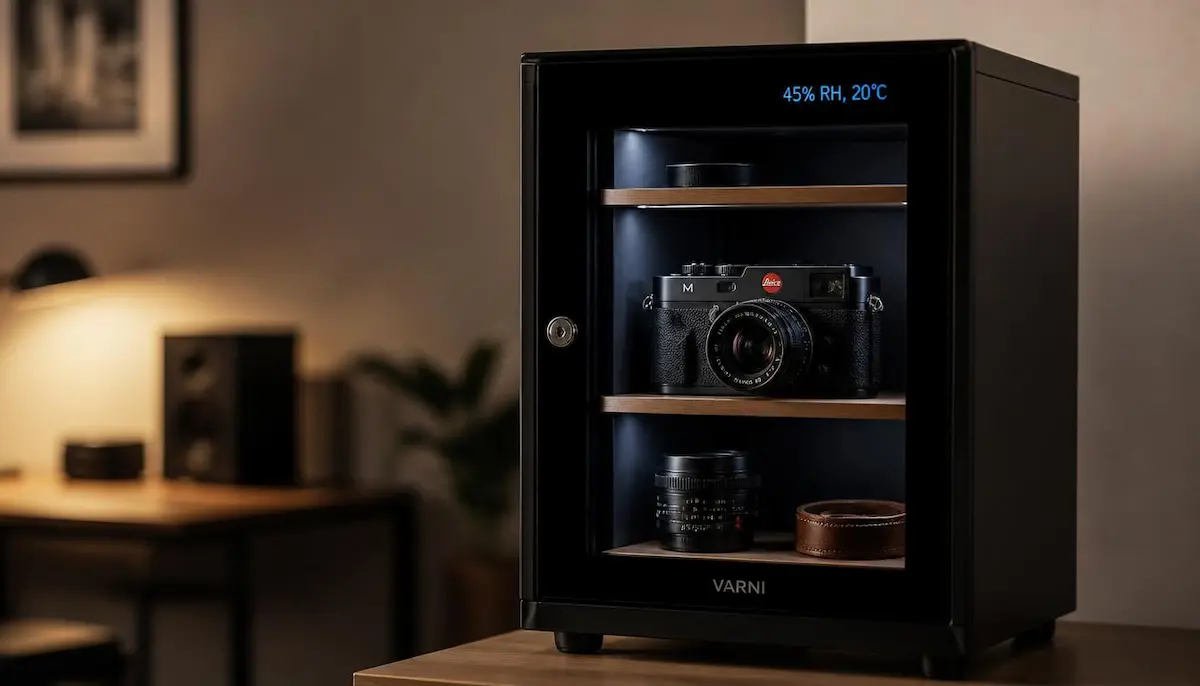
The best electronic dry cabinets for Leica and luxury camera systems aren't optional—they're insurance against invisible damage.
A colleague once stored his Leica M11 and three Summilux lenses in what he thought was a "dry enough" closet. Six months later, he discovered early-stage fungus between lens elements. The repair cost exceeded $2,400. The frustration? Permanent.
I've been collecting optical equipment for three decades. I've seen what happens when precision instruments meet humidity, dust, and time. The damage doesn't announce itself. It accumulates quietly, reducing resale value and optical performance before you notice anything wrong.
Leica, Hasselblad, Phase One—these aren't just cameras. They're investments that appreciate or depreciate based entirely on how you store them. The right dry cabinet maintains that value. The wrong approach destroys it slowly, expensively, irreversibly.
Table of Contents
- Why Luxury Camera Systems Demand Precision Storage
- What Separates Professional Dry Cabinets from Consumer Models
- Top 5 Electronic Dry Cabinets for Leica and Luxury Camera Systems
- Comparison Table: Key Features of the Best Electronic Dry Cabinets
- How to Set Up and Maintain Your Electronic Dry Cabinet
- Common Mistakes That Compromise Dry Cabinet Effectiveness
- When to Upgrade or Add Cabinet Capacity
- Additional Considerations for Multi-System Collectors
- Protecting Value Beyond Equipment: Documentation and Insurance
- Frequently Asked Questions
- What humidity level is best for storing Leica cameras and lenses?
- How long do electronic dry cabinets last before needing replacement?
- Can I store other luxury items with my cameras in a dry cabinet?
- Do I need to remove camera batteries before cabinet storage?
- How do I know if my dry cabinet is actually working?
- Final Thoughts: Storage as Long-Term Value Preservation
Transparency Note: This article may contain affiliate links. As an Amazon Associate, we earn from qualifying purchases at no extra cost to you.
Why Luxury Camera Systems Demand Precision Storage
Standard camera bags don't control humidity. Closet shelves can't prevent dust infiltration. Room temperature fluctuates. Air carries moisture that condenses on cold glass surfaces overnight.
Leica lenses, with their complex optical formulas and tight tolerances, are particularly vulnerable. A single spore of fungal growth between lens elements renders a $4,000 Sum micron nearly worthless. Cleaning requires complete disassembly—if it's even possible without damaging coatings.
I learned this the expensive way in my early collecting years. A Leica R lens I'd stored "carefully" in a padded case developed haze I didn't notice until I shot film with it. The negatives showed reduced contrast and flare I couldn't explain. By the time I inspected the lens closely, the damage was done.
Electronic dry cabinets solve this by maintaining consistent humidity between 35-45% RH. That range prevents fungal growth, minimizes dust adhesion, and keeps lubricants stable. It's not about creating a museum environment—it's about creating conditions where precision optics don't degrade.
The same principles that apply to preventing camera lens fungus through consistent environmental control apply to storing complete camera systems. Temperature matters less than stability. Humidity matters more than most collectors realize.
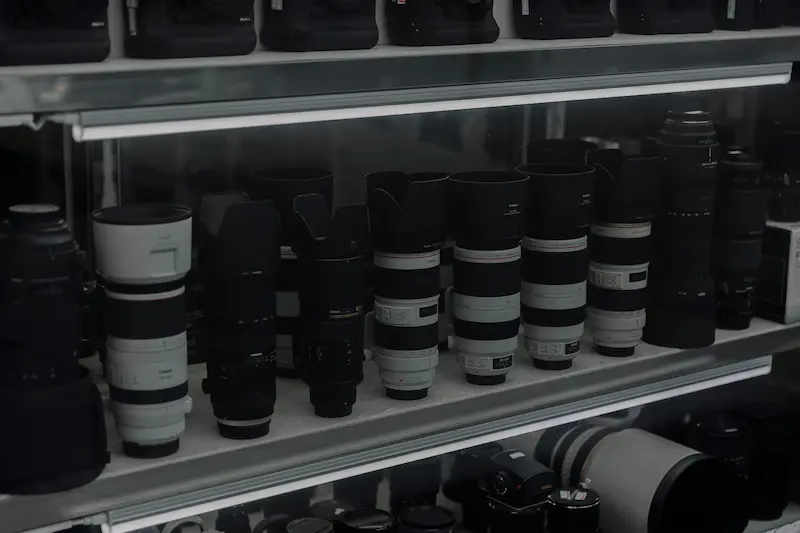
What Separates Professional Dry Cabinets from Consumer Models
Humidity Regulation Technology
Cheap cabinets use basic desiccant beads that require manual replacement. They work initially, then fail gradually as the silica saturates. You won't know it's saturated until condensation appears or fungus develops.
Professional electronic dry cabinets use Peltier dehumidification or moisture-absorbing modules that regenerate automatically. Humidity stays consistent without intervention. You set it once, then monitor occasionally.
The difference shows up months later when your lenses still look factory-fresh instead of showing the first signs of coating degradation.
Temperature Stability
Electronic components generate heat. Poor cabinet design lets that heat build up, creating temperature differentials that promote condensation when you open the door.
Quality cabinets dissipate heat evenly and recover quickly after door openings. The interior returns to set humidity within 10-15 minutes instead of hours. That recovery speed matters if you access equipment daily.
Build Quality and Sealing
Cabinet doors seal with magnetic strips or rubber gaskets. Cheap models develop gaps within a year as hinges settle and materials compress. Air leaks defeat the entire purpose of controlled storage.
Look for metal construction, reinforced hinges, and replaceable gaskets. The cabinet should feel solid when you close the door—not hollow or lightweight. Weight indicates material thickness and structural integrity.
Top 5 Electronic Dry Cabinets for Leica and Luxury Camera Systems
1. Eureka AD-166G Auto Dry Box (165L)
Capacity for two Leica M bodies, eight lenses, and accessories with room for organized storage. The AD-166G uses automatic humidity control with digital display accurate to ±3% RH.
Three adjustable shelves let you configure storage based on your collection. The interior LED doesn't generate meaningful heat, and the magnetic door seal maintains consistent conditions even in humid climates.
I've used a similar Eureka model for five years. The humidity reading has stayed within target range without adjustment or maintenance beyond occasional exterior cleaning.
Build quality justifies the price. Metal construction, tempered glass door, and a dehumidifying module rated for 10+ years of continuous operation. This isn't a starter cabinet—it's the last one you'll need to buy.
Best for: Serious collectors with multiple camera systems and lens collections.
2. Ruggard Electronic Dry Cabinet (250L)
Larger capacity suitable for photographers who collect both digital and film systems. The 250L interior accommodates medium format cameras, cinema lenses, and archival storage of film stocks.
Automatic dehumidification maintains 30-50% RH without manual intervention. The digital control panel lets you set precise targets, and an audible alarm alerts you if humidity drifts outside parameters.
The depth accommodates longer telephoto lenses stored horizontally. Five adjustable shelves provide flexibility as your collection evolves. Door locks prevent accidental opening and unauthorized access.
One detail I appreciate: the interior coating resists scratching from equipment edges. Cheaper cabinets show metal wear quickly when you slide heavy camera bodies across shelves.
A quality hygrometer like the ThermoPro TP50 [Check on Amazon] placed inside provides independent humidity verification, especially useful during the first few months of cabinet operation.
Best for: Professionals storing equipment worth $30,000+.
3. Andbon AD-080S Compact Dry Cabinet (80L)
Smaller footprint suitable for apartment storage or dedicated desk placement. The 80L capacity handles two camera bodies and five lenses comfortably without feeling cramped.
The AD-080S uses passive dehumidification with moisture-absorbing beads that regenerate through low-temperature heating cycles. Energy consumption stays minimal—roughly equivalent to a nightlight running continuously.
Two shelves provide basic organization. The glass door lets you view equipment without opening the cabinet, reducing humidity fluctuations from frequent access.
This cabinet works well as secondary storage for actively used equipment while a larger cabinet houses your complete collection. The compact size fits on reinforced shelving or credenzas without requiring floor space.
Best for: Minimalist collectors or photographers storing everyday carry equipment.
4. Wonderful AD-129CH Auto Dry Cabinet (120L)
Mid-range capacity with premium features. The AD-129CH includes microprocessor-controlled humidity adjustment that responds to ambient changes automatically.
Four shelves accommodate varied equipment sizes. The interior height handles professional DSLR bodies with battery grips attached. Cable pass-through ports let you charge equipment inside the cabinet without opening the door.
The dehumidifying technology uses renewable absorption materials—no replacement cartridges or consumables required. Set humidity between 25-60% RH with 1% increments. Digital display shows current conditions and system status.
Cabinet dimensions fit standard furniture depths, making it easier to integrate into existing storage arrangements. The exterior finish resists fingerprints and doesn't show dust as obviously as glossy black models.
Best for: Growing collections transitioning from casual to serious.
5. HOKUTO HNC-80 Camera Dry Cabinet (80L)
Japanese engineering focused specifically on optical storage. The HNC-80 maintains tighter humidity tolerances than multi-purpose cabinets—critical for high-value Leica optics.
Three glass shelves support equipment weight while allowing humidity circulation. The dehumidifying system operates silently, making it suitable for home office or bedroom placement.
Magnetic door closure provides positive sealing without slam risk. Slow-close hinges prevent accidental damage to equipment positioned near the door edge.
The price reflects specialized design rather than consumer-grade construction. HOKUTO cabinets appear frequently in professional camera rental facilities and museum storage applications—environments where failure isn't acceptable.
Much like the precision required in storing luxury watches to maintain their value, camera optics benefit from purpose-built storage solutions rather than adapted furniture.
Best for: Leica collectors prioritizing optical preservation above all else.
Comparison Table: Key Features of the Best Electronic Dry Cabinets
| Model | Capacity | Humidity Range | Shelves | Technology | Price Range | Best For |
|---|---|---|---|---|---|---|
| Eureka AD-166G | 165L | 25-60% RH | 3 | Auto dehumidifying | $$$ | Complete collections |
| Ruggard 250L | 250L | 30-50% RH | 5 | Auto + alarm | $$$$ | Professional systems |
| Andbon AD-080S | 80L | 35-55% RH | 2 | Passive + regen | $$ | Compact/secondary storage |
| Wonderful AD-129CH | 120L | 25-60% RH | 4 | Microprocessor control | $$$ | Growing collections |
| HOKUTO HNC-80 | 80L | 30-50% RH | 3 | Precision dehumidify | $$$$ | Optical specialists |
Price ranges: $$ = $200–$400, $$$ = $400–$700, $$$$ = $700+
How to Set Up and Maintain Your Electronic Dry Cabinet
Initial Setup and Calibration
Place the cabinet in a temperature-stable location away from direct sunlight and heating vents. Plug it in and let it run empty for 24 hours to stabilize internal conditions.
Set humidity to 40% RH initially—the middle of the safe range for optical equipment. Monitor readings for three days before adding equipment. This reveals whether the cabinet maintains settings consistently or drifts.
An independent hygrometer validates the cabinet's built-in sensor. The Govee H5075 [View details] provides Bluetooth monitoring and historical data tracking, useful for identifying environmental patterns.
Equipment Placement Strategy
Store heavier bodies on lower shelves. Position lenses with rear elements facing inward to prevent accidental contact when retrieving adjacent items.
Leave small gaps between equipment for air circulation. Packed storage creates dead zones where humidity can differ from cabinet averages.
Remove lens caps during storage—they trap moisture against glass surfaces. Use rear caps to prevent dust entry, but leave front elements exposed to cabinet air.
Leather cases and fabric straps attract moisture. Store them separately from optical elements, or remove them entirely and store cameras body-only.
Monthly Maintenance Routine
Inspect door seals for compression or damage. Clean gaskets with a dry microfiber cloth to remove dust that prevents complete closure.
Verify humidity readings match your hygrometer. If readings drift more than 5% RH, recalibrate the cabinet's sensor according to manufacturer instructions.
Wipe interior surfaces with a dry cloth to remove accumulated dust. Avoid liquid cleaners—they introduce moisture you're trying to eliminate.
Check that shelf supports remain secure. Equipment weight can loosen adjustable brackets gradually.
The Giottos Rocket Air Blower [See current price] handles interior dust removal without physical contact, reducing scratch risk on glass shelves and equipment surfaces.
Common Mistakes That Compromise Dry Cabinet Effectiveness
Opening the Door Too Frequently
Every door opening exchanges humid room air with controlled cabinet air. The dehumidifying system needs 10-30 minutes to recover depending on ambient conditions.
If you access equipment daily, consider two cabinets: one for active gear, another for archive storage. The archive cabinet stays sealed for weeks, maintaining stable conditions. The active cabinet handles regular access with faster humidity fluctuations.
Storing Mixed Materials
Leather develops mold at different humidity levels than optical glass. Fabric straps absorb moisture that then releases slowly, creating localized high-humidity zones.
Store cameras without cases. Keep straps, bags, and leather accessories in separate controlled storage or with appropriate desiccant packets.
Ignoring Temperature Placement
Cabinets placed near exterior walls in cold climates experience temperature differentials that promote internal condensation. The cabinet may show correct humidity, but cold spots on the back panel can still collect moisture.
Position cabinets on interior walls with stable temperatures. Avoid basements prone to seasonal temperature swings unless climate-controlled.
Overcrowding Interior Space
Cramming equipment into every cubic inch prevents air circulation. The dehumidifying system works by moving air across moisture-absorbing materials. Blocked airflow creates humidity gradients.
If you're running out of space, upgrade to a larger cabinet rather than forcing items into an overcrowded one. The investment protects existing equipment better than compromised storage.
This is something most owners don't notice until they discover fungus on a lens stored in the back corner where air couldn't circulate.
When to Upgrade or Add Cabinet Capacity
Your Collection Exceeds Comfortable Shelf Space
If you're stacking lenses or storing cameras without adequate spacing, conditions become inconsistent. Equipment contact points trap moisture. Stacked items create pressure marks on seals and mounts.
Calculate your total collection volume, then choose a cabinet with 25-30% excess capacity. That headroom accommodates future acquisitions without forcing reorganization.
You Notice Humidity Drift
Older cabinets lose effectiveness as dehumidifying materials saturate or electronic components age. If your cabinet can't maintain set points anymore, repair or replacement becomes necessary.
Some systems allow module replacement without buying a complete new cabinet. Check whether your model supports component upgrades before replacing the entire unit.
You're Storing Items Worth More Than the Cabinet Cost
A $300 cabinet protecting $15,000 in Leica equipment makes sense. That same cabinet protecting $50,000 in rare lenses doesn't. At higher collection values, invest in cabinets with better technology, tighter tolerances, and commercial-grade reliability.
The same logic applies to luxury timepieces—just as professional Rolex servicing protects long-term value, premium storage infrastructure protects optical investments.
Additional Considerations for Multi-System Collectors
Separate Storage for Digital and Film Equipment
Film cameras tolerate slightly higher humidity than modern digital sensors. Storing both together requires finding a middle ground that may not be optimal for either.
If you collect both extensively, consider dedicated cabinets optimized for each type. Digital sensors and modern coatings prefer 35-40% RH. Older film cameras with mechanical components handle 40-45% RH better.
Archive Storage for Discontinued Lenses
Rare or discontinued Leica lenses appreciate in value when maintained in perfect condition. These deserve priority placement in the most stable section of your cabinet—typically the middle shelf, center position, away from door edges.
Document condition with photos when you first store them. Periodic comparison reveals any degradation early enough to address before it becomes permanent.
Climate-Specific Adjustments
Tropical climates require lower target humidity (35-38% RH) to prevent fungal growth during power outages or system failures. Arid climates tolerate higher settings (42-45% RH) without risk.
Set your cabinet based on your local ambient conditions, not generic recommendations. A cabinet fighting 80% ambient humidity works harder and may need more frequent monitoring than one in a 50% environment.
Protecting Value Beyond Equipment: Documentation and Insurance
Store purchase receipts, authenticity certificates, and service records in acid-free sleeves inside the cabinet. These documents prove provenance and justify insurance valuations.
Many collectors focus entirely on equipment preservation while neglecting the paperwork that establishes value. A Leica M3 with complete original documentation sells for 15-20% more than an identical body without papers.
Photograph your collection quarterly. Date-stamped images document condition for insurance claims and track any developing issues. The TOUGS EVA Hard Case [Check on Amazon] protects backup hard drives storing this documentation inside the same controlled environment.
Update insurance appraisals every 2-3 years. Vintage Leica values fluctuate with collector market trends. Your 2020 appraisal may significantly undervalue 2026 replacement costs.
Frequently Asked Questions
What humidity level is best for storing Leica cameras and lenses?
40% RH provides the optimal balance between preventing fungal growth (which starts above 60% RH) and avoiding lubricant hardening (which can occur below 30% RH). Most electronic dry cabinets designed for camera storage target 35-45% RH range.
How long do electronic dry cabinets last before needing replacement?
Quality cabinets with Peltier or renewable dehumidification systems last 10-15 years with minimal maintenance. The electronic components typically outlast the physical cabinet structure. Door seals and hinges may need replacement after 7-10 years of regular use.
Can I store other luxury items with my cameras in a dry cabinet?
Yes, but consider material compatibility. Watches, high-end eyewear like luxury Gucci frames, and other optical instruments thrive at similar humidity levels. Avoid storing items that off-gas (leather, certain plastics) or require different humidity ranges.
Do I need to remove camera batteries before cabinet storage?
For long-term storage exceeding 3 months, remove batteries to prevent potential leakage damage. For equipment accessed monthly or more frequently, leaving batteries installed is acceptable. Modern lithium batteries are more stable than older NiMH or alkaline types.
How do I know if my dry cabinet is actually working?
Place an independent hygrometer inside and compare readings to the cabinet's built-in sensor. Readings should match within 3-5% RH. Check monthly for the first six months, then quarterly. If readings drift significantly or the cabinet can't reach set points, service or replacement may be necessary.
Final Thoughts: Storage as Long-Term Value Preservation
The best electronic dry cabinets for Leica and luxury camera systems disappear into your routine. You stop thinking about humidity. You stop worrying about fungus. You open the cabinet months later and find equipment exactly as you left it—optically perfect, mechanically sound, ready to shoot.
That peace of mind costs less than a single lens repair.
I've watched collectors spend $8,000 on a Leica Noctilux, then store it in a closet with a $15 desiccant bag. Six months later they're searching for repair quotes that exceed $1,500. The cabinet they should have bought initially would have cost $500.
Precision storage isn't about obsession. It's about understanding that luxury optical equipment demands conditions that prevent degradation. The same care you'd apply to storing cashmere garments from moth damage applies to preserving optical coatings from environmental damage.
Small details—stable humidity, dust-free storage, consistent monitoring—preserve value over decades. Intensity doesn't matter. Consistency does.
Choose equipment that matches your collection value and growth trajectory. Set it up correctly. Monitor occasionally. Trust the process.
Your lenses will thank you by remaining optically perfect long after lesser-cared-for equipment has degraded into expensive paperweights.
Disclaimer :
As an Amazon Associate, The Pristine Vault earns from qualifying purchases. This means we may receive a small commission if you buy a product through our links, at no extra cost to you. We only recommend professional-grade tools we trust.