How to Prevent Camera Lens Fungus: 5 Essential Rules
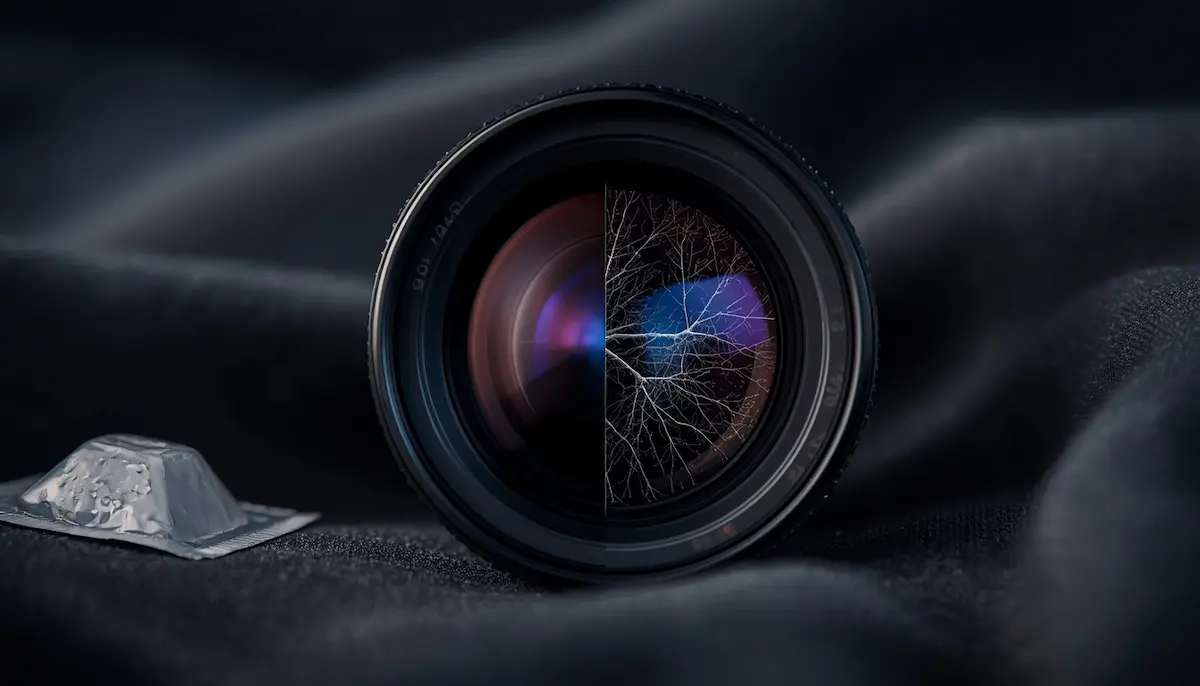
How to prevent camera lens fungus is a critical question every photographer must answer before an invisible, silent destroyer ruins their expensive glass. A camera lens is a masterpiece of optical engineering, designed to capture pristine light and razor-sharp details.
But behind that flawless glass lies a fragile ecosystem. If you live or travel in a humid climate, your high-end equipment is constantly under attack. Many photographers realize the danger far too late, pulling a prized lens out of a camera bag only to find a faint, spiderweb-like pattern etched inside the element that will permanently destroy its resale value.
Table of Contents
Transparency Note: This article may contain affiliate links. As an Amazon Associate, we earn from qualifying purchases at no extra cost to you.
Many photographers realize the danger far too late. They pull a prized lens out of a camera bag after a few months of storage, only to find a faint, spiderweb-like pattern etched inside the element. That isn't dust. It is a living organism actively eating the anti-reflective chemical coatings of your lens. Once fungus permanently etches the glass, the damage is irreversible.
Preventing this optical disaster requires moving away from cheap, reactive fixes and upgrading to professional, preventative containment. To keep your gear safe, you must establish an absolute moisture barrier using a high-end containment setup like the Ruggard Electronic Dry Cabinet - 80L Premium Black, which provides the gold standard in precise relative humidity control.
For photographers on the move, securing your gear inside a heavy-duty airtight protector like the Pelican 1510 Camera Case with Foam ensures ambient moisture never penetrates your glass during transit. Combined with portable moisture management tools like the Rechargeable Silica Gel Dehumidifier Packs, you can maintain a flawless microclimate whether you are at home or on an international assignment.
Just like deferring maintenance on a luxury timepiece—which we detailed in our analysis of how much to service a Rolex in 2026—ignoring lens storage conditions is a financial gamble that always ends with an expensive repair bill. Cheap storage has a terribly long, destructive afterlife.
Why Camera Lens Fungus Thrives in Premium Glass
Fungus spores are everywhere in the air, completely invisible to the naked eye. They only need three specific catalysts to awaken, grow, and multiply:
High Humidity: Anything above 60% Relative Humidity (RH) is an open invitation for fungal growth.
Darkness: Sealed camera bags, dark closets, and dark drawers act as perfect incubators.
A Food Source: Ironically, the expensive anti-reflective organic coatings applied to premium lenses are the exact nutrients fungal spores feed on.
When these factors align, the spores germinate. They sprout microscopic threads called hyphae that spread across the internal glass surfaces. At first, it looks like a tiny speck of lint. Soon, it degrades your image contrast, creates severe flaring, and completely destroys the resale value of your equipment.
The Costly Mistakes of DIY Lens Moisture Prevention
When amateurs notice humidity building up in their gear, they often resort to dangerous household myths. The most common mistake is throwing expensive lenses into a plastic kitchen container filled with cheap, loose silica gel packs or, even worse, raw rice.
This creates a dangerous contrast in care. Loose, unmonitored silica packs can completely strip the ambient air of all moisture, dropping the humidity down to 10% RH. While this sounds safe, it is actually highly destructive. Extreme dryness shrinks and cracks the internal rubber weather-sealing gaskets of your camera body and dries out the specialized lubricants inside the lens barrel, making the manual focus ring stiff and gritty.
Just as using harsh household detergents will permanently strip the delicate fibers of luxury garments—as explained in our how to wash cashmere complete guide 2026—using uncalibrated, cheap DIY dehydration methods will quietly ruin a mechanical asset from the inside out. True luxury preservation is never about pushing environments to cheap extremes; it is about absolute, calibrated stability.
5 Essential Rules for Camera Lens Fungus Prevention
To protect a high-end camera collection, serious photographers avoid improvised solutions and invest in professional-grade environment controllers. Here are the five essential rules to follow:
1. Maintain the Absolute Humidity Sweet Spot (40% to 50% RH)
The most critical rule of lens preservation is maintaining a steady relative humidity level between 40% and 50% RH. Fungal spores cannot grow below 60% RH, while internal lens lubricants remain perfectly fluid above 35% RH. To safely automate this environment at home, serious collectors trust an electronic dehumidifier cabinet like the Automatic Electronic Dry Cabinet - 30L. This cabinet uses an active thermoelectric cooling wafer to quietly draw moisture out of the air without producing heat, keeping your delicate optical sensors perfectly stabilized.
2. Ditch Fabric Camera Bags for Long-Term Storage
Never store your lenses inside nylon or canvas camera backpacks for extended periods. Fabric bags are highly porous; they absorb moisture from ambient air during outdoor shoots and lock that dampness inside the dark padded compartments. If you must travel through humid regions, always deploy a professional monitoring setup by placing a highly accurate digital sensor like the Govee WiFi Digital Hygrometer Thermometer inside your hard case. This allows you to monitor internal humidity levels in real-time right from your smartphone, ensuring your gear never sits in stagnant, damp air.
3. Never Pack Away Damp Gear After a Shoot
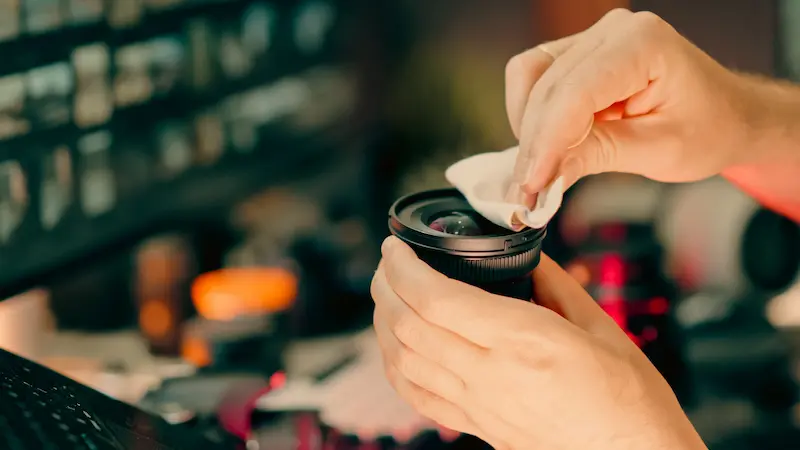
If you shoot in the rain, near waterfalls, or in foggy conditions, your gear accumulates micro-condensation. Packing a cold, damp lens directly into a dark case is the fastest way to sprout a fungal colony. Always wipe down the exterior barrel with a clean microfiber cloth and let the gear air out in a well-ventilated, well-lit room for a few hours before sealing it back into its storage vault.
4. Separate Infected Glass Instantly
Fungus spreads via airborne spores. If you discover that one of your secondary lenses or a vintage backup lens has developed an active fungal infection, quarantine it immediately. Keeping an infected lens in the same cabinet as your pristine glass is an invitation for the spores to migrate and colonize your entire collection.
5. Expose Your Gear to Ambient Light and Movement
Fungus despises movement and light. Lenses that sit completely forgotten at the bottom of a dark wardrobe for years are always the first to rot. Regularly pull your gear out, rotate the focus and zoom rings to keep the internal lubricants evenly distributed, and expose the glass elements to safe ambient light.
Conclusion: True Value Requires Restraint and Precision
A premium camera collection is an investment meant to last for decades, maintaining both its structural integrity and historical resale value. Much like realizing that a luxury handbag requires specialized structural care—which owners often learn too late, as noted in our breakdown of the Louis Vuitton Neverfull tote—preserving elite glass demands a commitment to professional equipment.
Do not wait for a faint spiderweb pattern to appear under your lens element before taking action. Avoid the trap of cheap DIY fixes, invest in calibrated electronic dry storage, and give your optical engineering the exact microclimate it deserves to stay mathematically perfect.
Frequently Asked Questions
Can camera lens fungus be completely cleaned or repaired?
If the fungus is caught early and is only resting on the surface, a professional technician can disassemble the lens and clean it using specialized chemical solutions. However, if the active fungus has already eaten into the chemical anti-reflective coatings of the glass, it will leave permanent etchings that ruin image sharpness, requiring a total element replacement.
Is it safe to use UV light to kill camera lens fungus?
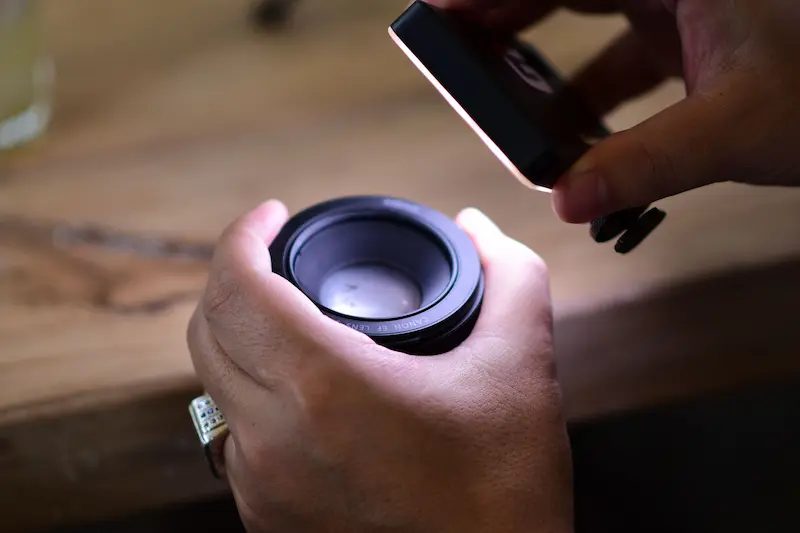
While direct UV-C light can kill active fungal spores, it is highly dangerous to attempt this at home without industrial safety gear. Furthermore, ordinary UV light cannot penetrate deep into the complex, multi-layered internal elements of a modern telephoto or zoom lens where the fungus usually thrives. Prevention via active humidity control remains the only reliable solution.
What is the ideal humidity level to stop lens fungus growth?
The absolute ideal safety zone is between 40% and 50% Relative Humidity (RH). Dropping below 35% RH risks drying out the specialized internal mechanical greases, while climbing above 60% RH creates the exact damp, stagnant environment that fungal spores need to germinate.
Disclaimer :
The Pristine Vault is a participant in the Amazon Services LLC Associates Program, an affiliate advertising program designed to provide a means for sites to earn advertising fees by advertising and linking to Amazon.com.