How to Wash Cashmere - Complete Guide 2026
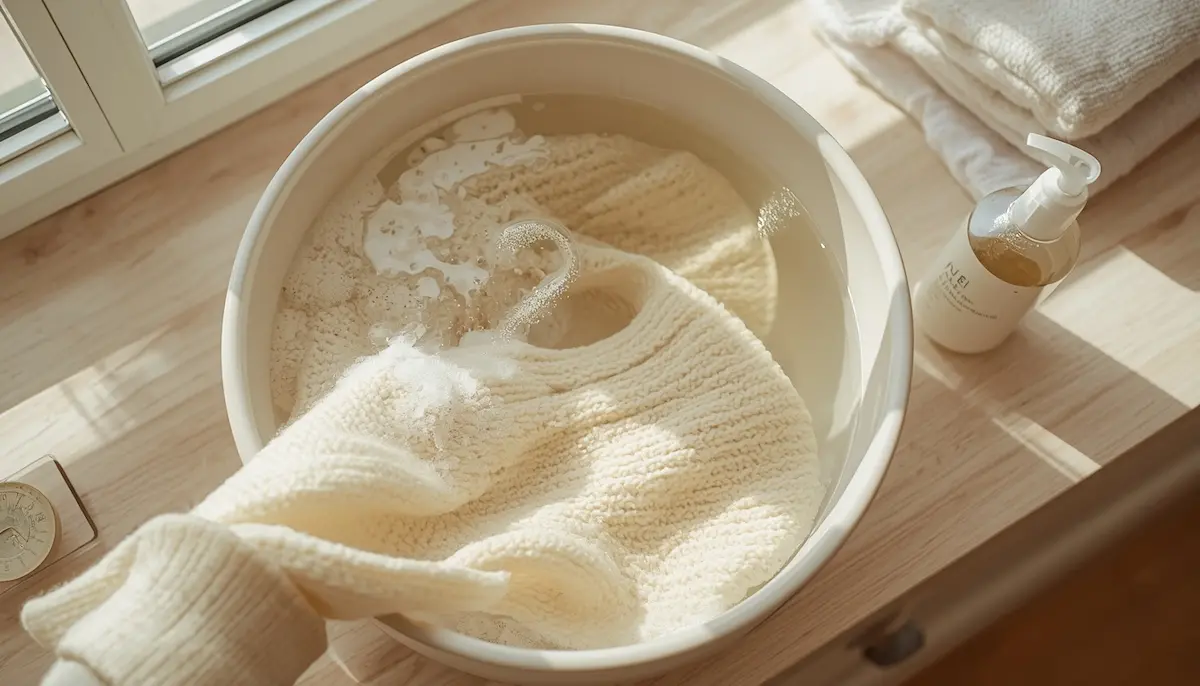
Dry cleaning cashmere every season sounds responsible. But professional cleaners use chemicals that slowly break down the fiber. Here's the safer method most people don't know.
Once a season.
Always.
No exceptions.
That was the rule.
For cashmere especially, dry cleaning felt like the safest path — and for many luxury garment owners, it still does.
But something has quietly changed in 2026.
More cashmere owners are discovering that washing cashmere at home is not only possible — it is often better for the fibers than repeated dry cleaning. Done correctly, hand washing or even gentle machine washing can extend the life of a cashmere sweater significantly.
Done incorrectly, however, the damage can be permanent.
Shrunken sleeves.
Felted texture.
Stretched necklines.
Permanent waterlines.
This guide is for anyone who has ever stood in front of a beautiful cashmere sweater and wondered:
"Can I really wash this without ruining it?"
The answer, based on extensive research from textile care experts, garment manufacturers, and decades of luxury care community guidance, is yes.
You absolutely can.
You just need to know exactly how.
Table of Contents
- Why People Hesitate to Wash Cashmere at Home
- What Cashmere Actually Is (And Why It's So Delicate)
- Hand Washing Cashmere: The Safest Method
- Can You Machine Wash Cashmere?
- How to Wash a Cashmere Sweater Step by Step
- How to Wash a Cashmere Jumper (UK & AU Style)
- How to Wash a Cashmere Scarf Properly
- How to Wash Cashmere Wool Blends
- The Drying Process: Where Most People Go Wrong
- Common Cashmere Washing Mistakes to Avoid
- Long-Term Care Habits That Extend Cashmere Life
- Final Thoughts on Caring for Cashmere
- Frequently Asked Questions
Transparency Note: This article may contain affiliate links. As an Amazon Associate, we earn from qualifying purchases at no extra cost to you.
Why People Hesitate to Wash Cashmere at Home
Cashmere has a reputation that intimidates most people.
It feels precious.
It feels fragile.
It feels like one wrong move could ruin it forever.
For many cashmere owners, that fear is completely justified.
Cashmere is more sensitive than wool.
More sensitive than cotton.
More sensitive than almost any fabric in the average wardrobe.
The horror stories are real. A favorite sweater shrinks two sizes after one wash. A delicate scarf becomes stiff and felted. A luxury jumper develops uneven texture that no amount of brushing can fix.
These mistakes happen because most people apply standard laundry habits to a fabric that requires entirely different rules.
Hot water that works for cotton ruins cashmere.
Detergents that work for everyday clothes strip cashmere fibers.
Spinning cycles that work for synthetics destroy cashmere structure.
Once you understand why these mistakes happen, the entire process becomes clearer.
Cashmere is not difficult to wash.
It is just different.
If you want a deeper look at why cashmere develops pilling — one of the most common cashmere problems — this guide breaks it down clearly:
→ 7 Proven Ways to Stop Cashmere from Pilling: The Expert Guide
What Cashmere Actually Is (And Why It's So Delicate)
Cashmere comes from the soft undercoat of cashmere goats.
Each goat produces only about 150 grams of usable cashmere per year. That single fact explains both the price and the delicacy of the fabric.
Cashmere fibers are:
- Extremely fine (much thinner than human hair)
- Hollow at the core, which traps warmth
- Naturally soft and lightweight
- Highly sensitive to heat, friction, and harsh chemicals
Compare this to wool fibers, which are thicker, more elastic, and more forgiving. Wool can handle a wider range of washing conditions. Cashmere cannot.
This is why temperature, agitation, and detergent matter so much.
The wrong combination causes cashmere fibers to:
- Tangle (which becomes felting)
- Compress (which becomes shrinking)
- Break (which becomes thinning)
- Lose shape (which becomes stretching)
Once any of these happen, the damage is usually irreversible.
Knowing this, washing cashmere becomes less about following random instructions — and more about respecting what the fabric actually is.
Hand Washing Cashmere: The Safest Method
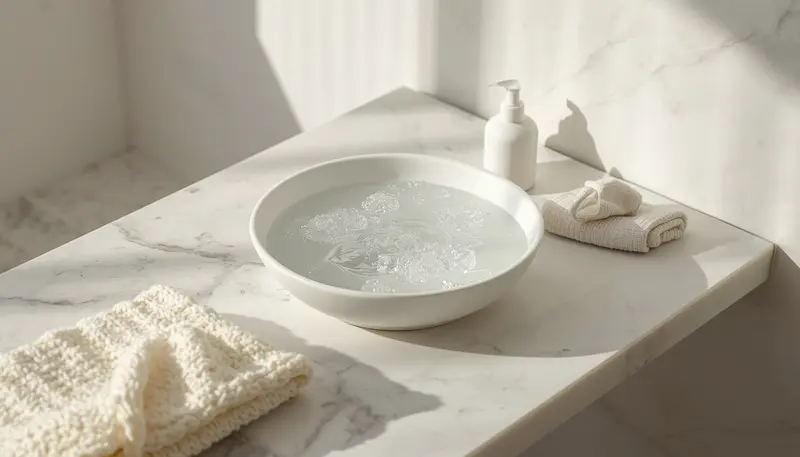
For most cashmere owners, hand washing remains the safest and most reliable cleaning method.
It gives you full control.
It minimizes friction.
It avoids the unpredictable agitation of even the gentlest machine cycle.
The basic process is simple. You only need three things: cool water, a gentle wool-safe detergent, and a soft surface for drying.
A specialized wool and cashmere detergent makes a significant difference. Regular laundry detergents — even "gentle" ones — often contain enzymes or alkaline ingredients that damage delicate animal fibers over time.
For cashmere owners who want a trusted detergent specifically formulated for delicate animal fibers, a quality wool wash is one of the most worthwhile small investments:
The gentler the detergent, the longer your cashmere lasts.
It is that simple.
Can You Machine Wash Cashmere?
This is one of the most common questions cashmere owners ask in 2026.
The honest answer is: sometimes.
Many modern cashmere garments now carry "machine washable" labels, especially from brands like Everlane, Quince, and Naadam. These pieces have been specifically processed to handle gentle machine washing.
But even with these garments, three rules apply:
1. Always use the wool or delicate cycle.
Standard cycles agitate too aggressively for cashmere fibers.
2. Always use cold water.
Heat is one of cashmere's worst enemies. Cold water prevents shrinkage and felting.
3. Always use a mesh laundry bag.
The bag protects the garment from snagging on other clothes or the machine drum.
Without all three of these conditions, machine washing cashmere becomes risky — even for "machine washable" labels.
For older or higher-end cashmere from brands like Loro Piana, Brunello Cucinelli, or Pringle of Scotland, hand washing remains the safer choice.
A high-quality mesh laundry bag designed specifically for delicate garments dramatically reduces the risk of damage during any machine cycle:
When in doubt, hand wash.
You will rarely regret being more careful than necessary.
How to Wash a Cashmere Sweater Step by Step
This is the most asked question — and one of the easiest to answer once you understand the principles.
Here is the proven step-by-step process.
Step 1: Check the care label.
If the label says "dry clean only," follow that instruction or proceed at your own discretion. Most modern cashmere can be hand washed even when labels suggest otherwise — but the choice is yours.
Step 2: Prepare cool water.
Fill a clean basin or sink with lukewarm to cool water. Never hot. Aim for temperatures around 20-25°C (68-77°F).
Step 3: Add gentle detergent.
Use a small amount of wool-specific detergent. Mix gently into the water until dissolved.
Step 4: Submerge the sweater.
Place the cashmere sweater fully into the water. Press it down gently. Do not rub, twist, or scrub.
Step 5: Soak for 5-10 minutes.
Allow the soap to gently lift dirt and oils from the fibers. Avoid leaving it soaking for hours.
Step 6: Rinse with cool water.
Drain the soapy water and refill with clean cool water. Press the sweater gently to release detergent. Repeat until the water runs clear.
Step 7: Press out water gently.
Never wring or twist. Instead, press the sweater against the side of the basin to remove excess water.
Step 8: Roll in a clean towel.
Lay the sweater flat on a clean dry towel. Roll it up like a sushi roll. Press gently to absorb water.
Step 9: Lay flat to dry.
Reshape the sweater carefully and lay it flat on a fresh dry towel or mesh drying rack. Avoid hanging — wet cashmere stretches under its own weight.
That is the entire process.
It takes about 15 minutes of active time. The drying takes 24-48 hours.
The result is a clean, soft, beautifully preserved cashmere sweater that often feels better than when you sent it to the dry cleaner.
How to Wash a Cashmere Jumper (UK & AU Style)
For readers in the UK, Australia, and Canada, "jumper" simply means sweater.
The process for washing a cashmere jumper is identical to the steps above.
There is no difference in technique — only terminology.
That said, jumpers in colder climates (Canada, Northern UK, Tasmania) often face more frequent wear and benefit from washing once every 4-6 wears, rather than weekly. Cashmere is naturally odor-resistant, which means it does not require the same washing frequency as cotton or synthetic clothing.
For Australian readers in particular, where humid coastal climates can affect natural fibers, proper storage between wearing becomes just as important as washing technique.
Speaking of storage — protecting your cashmere from moths is one of the most overlooked aspects of long-term care, especially in seasonal climates:
→ How to Store Cashmere Sweaters from Moths: 5 Essential Steps
A clean cashmere jumper that is stored poorly is just as much at risk as one that was washed incorrectly.
How to Wash a Cashmere Scarf Properly
Cashmere scarves require slightly different handling than sweaters.
They are typically larger, lighter, and more prone to stretching.
The basic principles remain the same — cool water, gentle detergent, no agitation — but a few small adjustments help.
Use a smaller basin.
Scarves do not need as much water as a sweater. A small bathroom sink works well.
Soak for less time.
Five minutes is usually enough. Scarves are thinner and absorb cleaning agents quickly.
Be extra careful when removing water.
Cashmere scarves stretch easily when wet. Always press water out gently. Never lift the scarf vertically while soaked.
Dry flat with extra care.
Reshape the scarf carefully on a flat surface. The edges and tassels (if present) should be smoothed out gently.
A well-cared-for cashmere scarf can last decades. Many of the finest scarves from brands like Burberry, Loro Piana, and Johnstons of Elgin are family heirlooms passed down through generations — precisely because they were washed properly.
How to Wash Cashmere Wool Blends
Cashmere is sometimes blended with merino wool, silk, or even cotton to create specific textures and price points.
For these blended fabrics, washing rules become slightly more flexible — but only slightly.
Cashmere-merino blends:
Treat exactly like pure cashmere. Cool water, gentle detergent, hand wash preferred.
Cashmere-silk blends:
Even more delicate. Always hand wash. Use silk-safe detergent.
Cashmere-cotton blends:
Slightly more forgiving. Can sometimes handle gentle machine cycles. Still avoid hot water.
Cashmere-synthetic blends:
Most forgiving. Often machine washable on delicate cycle.
The general principle remains: when blended, always treat the fabric as if it were the most delicate component.
If a sweater is 70% cashmere and 30% silk, treat it like silk.
That single rule prevents most blended-fabric disasters.
The Drying Process: Where Most People Go Wrong
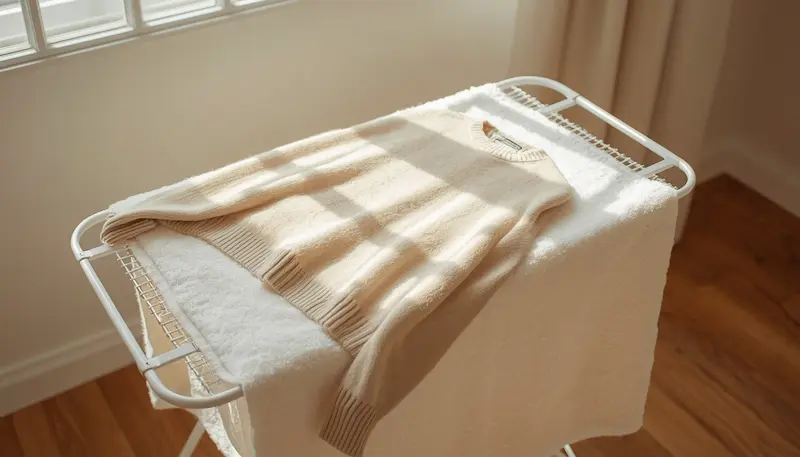
Most cashmere damage does not happen during washing.
It happens during drying.
This is where careful washing efforts get undone in minutes.
The most common drying mistakes include:
Hanging cashmere to dry.
Wet cashmere is heavy. Hanging it stretches the shoulders, neckline, and overall shape — sometimes permanently.
Using a clothes dryer.
Heat causes immediate shrinkage. Even "low heat" or "air dry" cycles often produce too much friction and warmth.
Drying near direct heat sources.
Radiators, heaters, and direct sunlight can cause uneven drying, fading, and brittleness.
Wringing out water.
Twisting or wringing distorts cashmere fibers and ruins the garment's shape.
The correct drying process is simple but slow.
- Roll in a clean towel to remove excess water
- Lay flat on a fresh dry towel or mesh rack
- Reshape carefully while still damp
- Allow to dry naturally in a cool, well-ventilated space
- Flip over halfway through to ensure even drying
- Allow 24-48 hours for full drying
Patience is the key.
Cashmere does not need to be ready to wear in a few hours.
It needs to be preserved for years.
Common Cashmere Washing Mistakes to Avoid
After researching the most common cashmere care issues across owner forums, customer reviews, and textile care guides, certain mistakes appear over and over again.
Avoiding them prevents most damage.
Mistake 1: Using regular laundry detergent.
Standard detergents are too harsh. Always use wool or cashmere-specific detergent.
Mistake 2: Washing too frequently.
Cashmere is naturally odor-resistant. Wash only when necessary — typically every 4-6 wears.
Mistake 3: Using hot water.
Heat causes shrinkage and felting. Always use cool or lukewarm water.
Mistake 4: Rubbing or scrubbing.
Friction damages fibers. Always use gentle pressing motions only.
Mistake 5: Hanging to dry.
Gravity stretches wet cashmere. Always lay flat.
Mistake 6: Skipping the towel-roll step.
This step removes water without distorting fibers. Skipping it extends drying time and increases damage risk.
Mistake 7: Storing while damp.
Even slightly damp cashmere can develop mildew or odors. Always ensure full dryness before folding or storing.
For cashmere owners who deal with lint or fuzz buildup over time, addressing it properly is just as important as washing technique:
→ How to Get Lint Out of Clothes: 9 Safe Ways to Restore Luxury Sweaters
Long-Term Care Habits That Extend Cashmere Life
Washing is only one part of cashmere care.
The way you treat your cashmere between washes matters just as much.
Rest your sweater between wears.
Cashmere fibers benefit from 24-48 hours of rest after each wear to recover their shape.
Store folded, never hung.
Hanging cashmere stretches the shoulders permanently. Always fold and store flat.
Use cedar or lavender sachets.
Natural moth deterrents protect cashmere during storage without harsh chemicals.
Brush your cashmere occasionally.
A soft cashmere brush removes surface fuzz before it becomes pilling.
A quality cashmere comb or brush is one of those small tools that quietly makes a major difference over time, particularly for people who wear their cashmere frequently:
Avoid overstuffing drawers.
Folded cashmere needs room to breathe. Compressed storage causes creasing and texture loss.
Spot clean small stains immediately.
A damp cloth with a tiny amount of mild soap can address small spills before they require full washing.
Rotate your cashmere wardrobe.
Wearing the same sweater repeatedly accelerates wear. Rotating between several pieces extends each garment's life.
These habits, combined with proper washing technique, can extend the life of a cashmere garment from 5 years to 20 or more.
Final Thoughts on Caring for Cashmere
Caring for cashmere is not about being precious with your clothing.
It is about respecting what the fabric actually is.
A garment made from one of the rarest natural fibers in the world deserves the small extra care it asks for.
In return, it offers warmth, softness, and quiet luxury that synthetic fabrics simply cannot replicate.
The cashmere owners who get the most value from their pieces are not the ones with the most expensive collections.
They are the ones who learned the small habits early.
Cool water.
Gentle detergent.
Patient drying.
Careful storage.
These five habits, repeated consistently over the years, are what separate cashmere that ages beautifully from cashmere that becomes unwearable after a few seasons.
If there is one principle worth remembering, it is this:
The cost of careful washing is always smaller than the cost of replacement.
A favorite cashmere sweater, properly cared for, can last a lifetime.
That is what makes the small effort worth it.
For those who also own luxury leather goods, the same principle applies — treating delicate materials with proper care preserves their beauty for decades. This thoughtful guide explains why the leather decisions you make matter more than most people realize:
→ The Leather Decision Most People Make Too Casually
And if your luxury collection includes Hermes pieces, this guide reveals which leathers require the most care attention from day one:
→ Which Hermes Leather Scratches Easily: What Owners Notice Too Late
Treating your luxury items well is not about perfection.
It is about awareness.
And awareness, applied consistently, is what protects everything you love about quality items.
Frequently Asked Questions
Can you wash cashmere in a washing machine?
Sometimes. Modern cashmere with "machine washable" labels can handle gentle cycles using cold water and a mesh bag. For older or higher-end cashmere, hand washing remains the safer choice.
How often should you wash cashmere?
Cashmere is naturally odor-resistant and only needs washing every 4-6 wears, or when visibly soiled. Over-washing causes faster fiber degradation.
What detergent is best for cashmere?
A wool or cashmere-specific detergent is best. Regular detergents — even "gentle" ones — often contain enzymes or alkaline ingredients that damage delicate animal fibers over time.
Can you wash a cashmere sweater in cold water?
Yes. Cold or lukewarm water (20-25°C / 68-77°F) is ideal. Hot water causes shrinking and felting.
How do you wash a cashmere scarf without ruining it?
Hand wash gently in cool water with wool-safe detergent. Press water out without wringing. Lay flat to dry on a clean towel.
Does cashmere shrink when washed?
Cashmere shrinks when exposed to heat, friction, or harsh detergents. Cool water and gentle handling prevent shrinkage.
Can you machine wash cashmere wool blends?
Many cashmere-cotton or cashmere-synthetic blends tolerate gentle machine cycles. For pure cashmere or cashmere-silk blends, hand washing remains the safest approach.