How to Get Lint Out of Clothes: 9 Safe Ways to Restore Luxury Sweaters
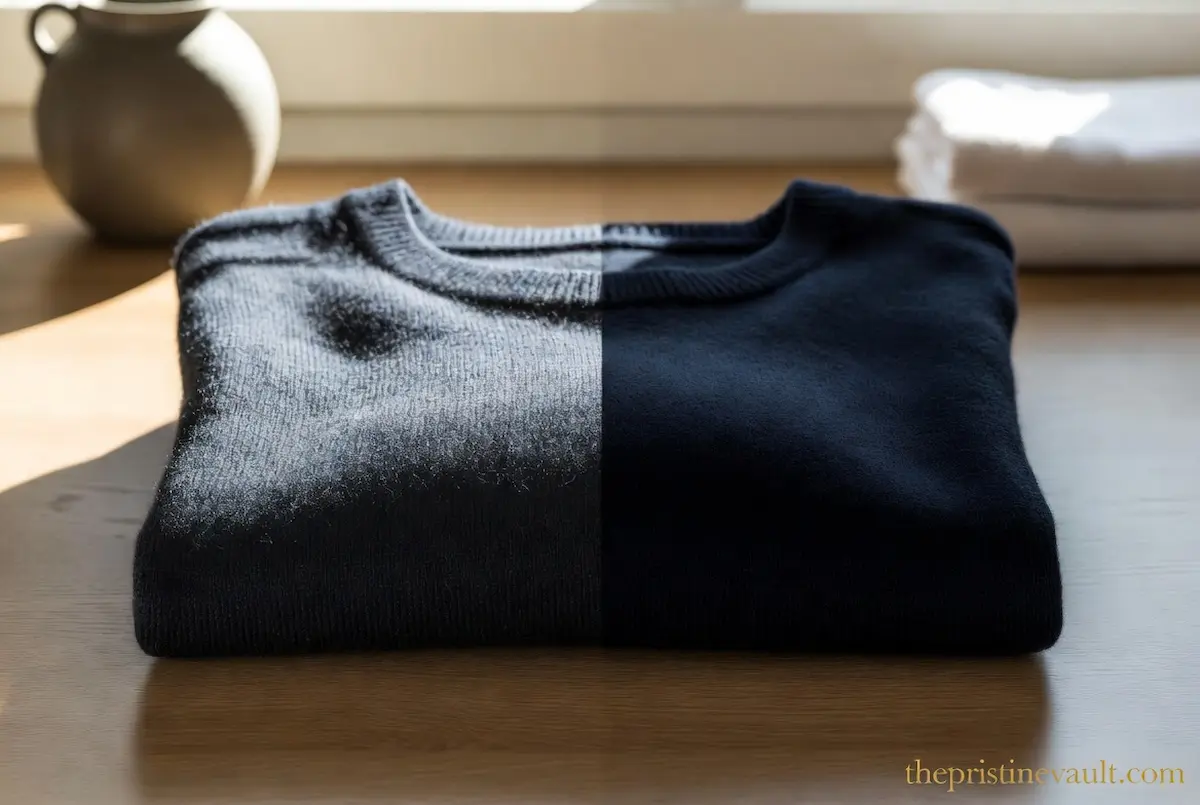
"Knowing how to get lint out of clothes properly — especially luxury knitwear — is what separates owners who extend the life of their investment pieces from those who accidentally destroy them trying to clean them."
Your $900 cashmere turtleneck is covered in lint after a wash. You grab the nearest sticky roller and press hard across the surface, over and over.
The lint disappears. But so do dozens of fine cashmere surface fibers — pulled free by the roller's aggressive adhesive. Two months later, the sweater pills extensively in the same areas where you rolled most aggressively. The turtleneck now looks a year old rather than the month-old piece it is.
The problem wasn't the lint. The problem was the removal method.
This guide covers nine safe, effective methods for getting lint out of clothes — specifically the luxury knitwear, cashmere, wool, and silk pieces worth protecting carefully.
Here's everything you need to know.
Table of Contents
- How to Get Lint Out of Clothes: 9 Safe Ways to Restore Luxury Sweaters
- Editor's Picks: Best Lint Removal Tools for Luxury Clothes
- Why Lint Removal Method Matters for Luxury Fabrics
- The 9 Safe Methods for Getting Lint Out of Clothes
- Method 1: Fabric Shaver (Best for Pills and Embedded Lint)
- Method 2: Cashmere Comb (Best for Light Surface Lint)
- Method 3: Reusable Lint Rollers (Best for Quick Surface Lint)
- Method 4: Clothes Brush (Best for Structured Wool Garments)
- Method 5: Masking Tape or Painter's Tape (Gentle Alternative to Lint Rollers)
- Method 6: Damp Rubber Glove (Underrated Home Method)
- Method 7: Steam Treatment (Loosens Embedded Lint)
- Method 8: Re-Washing with Proper Separation (For Lint from Laundry)
- Method 9: Professional Dry Cleaning (Last Resort for Stubborn Cases)
- Preventing Lint Transfer — Why Separation Matters
- 7 Quick Tips for Lint-Free Luxury Clothes (Most Owners Skip These)
- Mistakes That Make Lint Damage Worse
- Frequently Asked Questions
- What's the safest way to get lint off cashmere?
- Why does my cashmere attract so much lint?
- Can I put lint-covered clothes in the dryer to remove lint?
- What removes lint from black clothes without leaving residue?
- How do I get lint off a wool coat?
- Is there a way to prevent lint from transferring in the washing machine?
- Can dry cleaning remove lint that washing didn't?
- Conclusion
This post contains affiliate links. We may earn a small commission at no extra cost to you.
Editor's Picks: Best Lint Removal Tools for Luxury Clothes
Before we dive in, here are the top-rated products most luxury garment owners trust:
- Electrolux Fabric Saver — Professional-grade pill and lint removal without fiber damage → Check on Amazon
- Evercare Magic Lint Pic-Up Roller — Reusable, gentle adhesive safe for fine fabrics → Check on Amazon
- Cashmere Comb (Fine Tooth) — Traditional tool for lifting lint from woven knitwear → Check on Amazon
(More recommendations throughout the article)
Why Lint Removal Method Matters for Luxury Fabrics
Standard lint removal tools are designed for cotton shirts and synthetic fabrics. Apply them to cashmere, merino wool, or silk and you create damage that accumulates invisibly — until suddenly your expensive garment looks worn out.
What Different Fabrics Can Tolerate
Cashmere and fine merino: Extremely delicate. Fine, microscopic fiber scales interlock easily when disturbed. Aggressive lint removal tools pull these fibers free from the fabric base, creating the conditions for pilling.
Standard wool: More resilient than cashmere but still vulnerable to aggressive adhesive rollers and rough brushes. The same principle applies — gentler removal methods protect the fiber surface.
Silk: Surface fibers catch on any rough texture. Even medium-adhesion lint rollers can snag and pull silk threads, creating visible pulls and damage.
Cotton and synthetics: Far more tolerant of aggressive lint removal. Standard commercial tools designed for these fabrics are fine.
The problem arises when people use cotton-and-synthetic-appropriate tools on luxury natural fibers. That mismatch causes most of the garment damage incorrectly attributed to "poor quality."
For preventing the pilling that lint removal attempts often accelerate, understanding fiber care fundamentals is essential. Our comprehensive guide on how to stop cashmere from pilling covers the complete prevention approach.
The next section covers the mistake most people make at this stage.
The 9 Safe Methods for Getting Lint Out of Clothes
Method 1: Fabric Shaver (Best for Pills and Embedded Lint)
A quality fabric shaver is the most effective tool for removing lint that has become tangled into fabric rather than sitting loosely on the surface.
How it works: A rotating blade cuts pills and lint flush with the fabric surface. The protective guard prevents the blade from touching the underlying fabric. Done correctly, fabric shaving removes lint and pills without pulling additional fibers.
How to use correctly:
- Lay the garment flat on a smooth surface — never use on a worn or draped garment
- Stretch the fabric slightly with one hand to create a taut surface
- Move the shaver in slow, straight passes in one direction
- Use light pressure — let the tool do the work, not force
- Empty the collection container regularly during use
For luxury fabrics: Use the highest guard setting (greatest distance between blade and fabric) to minimize any contact with underlying fibers.
👉 Get Steamery Pilo Fabric Shaver on Amazon
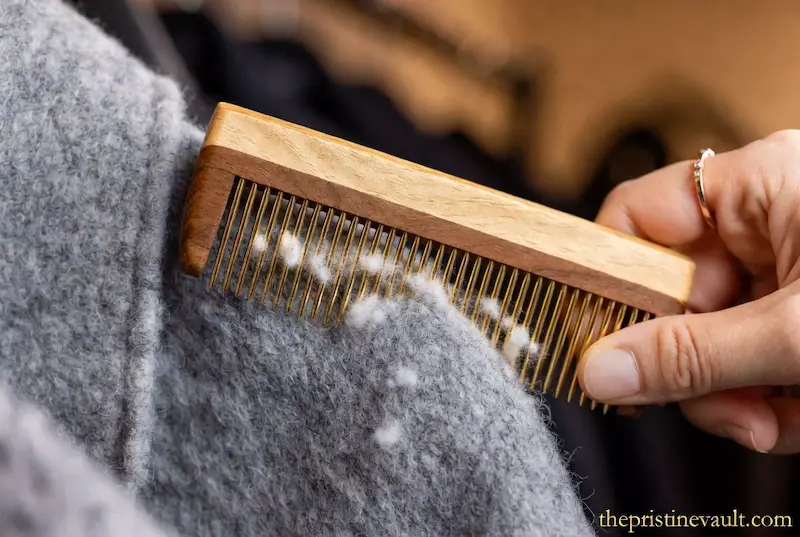
Method 2: Cashmere Comb (Best for Light Surface Lint)
A fine-toothed cashmere comb gently lifts surface lint and loose fibers without the aggressive adhesive action that damages fine fabrics.
How to use:
- Lay the garment flat
- Hold fabric taut with one hand
- Comb in the direction of the knit, using light strokes
- Collect lint as it accumulates on the comb teeth
- Work section by section rather than across the entire garment at once
The cashmere comb requires more time than other methods but provides the most control over how much fiber you're removing. For delicate vintage cashmere or particularly fine pieces, this is the safest option.
Method 3: Reusable Lint Rollers (Best for Quick Surface Lint)
Not all lint rollers are equal. Disposable tape rollers use aggressive adhesive that pulls fine fibers. Reusable rollers use gentler silicone or rubber surfaces that lift loose lint through contact without the aggressive pull of tape adhesive.
How to identify gentle reusable rollers:
- Made from silicone or natural rubber rather than tape
- The surface feels slightly tacky but not aggressively sticky
- Designed for pet hair and lint on all fabric types
How to use on luxury fabrics:
Roll in one direction only — not back and forth. Back-and-forth motion increases fiber disturbance. Single-direction rolling lifts surface lint with minimal friction.
Clean the roller surface between passes by rinsing under water (silicone rollers clean easily). A clean surface picks up lint more effectively and requires less pressure.
Method 4: Clothes Brush (Best for Structured Wool Garments)
A natural bristle clothes brush lifts surface lint from structured wool garments — blazers, coats, dress trousers — without disturbing the fabric's surface fibers.
What to look for:
- Natural bristles (boar hair or horsehair) rather than synthetic
- Medium bristle density — too dense creates friction, too sparse doesn't lift lint effectively
How to use:
Brush downward along the fabric's natural grain direction. For structured wool pieces, the grain runs vertically down the garment. Brushing across the grain catches on surface fibers and creates friction damage.
A boar bristle clothes brush should be part of every luxury wardrobe toolkit — it maintains garments between washes by removing surface lint, dust, and debris before they work deeper into the fabric.
For maintaining complete luxury collections including handbags alongside clothing, understanding proper care tools matters across all categories. Our guide on best leather conditioners for luxury handbags demonstrates how the right tool makes the critical difference.
Method 5: Masking Tape or Painter's Tape (Gentle Alternative to Lint Rollers)
When no dedicated lint removal tool is available, masking tape or painter's tape provides a gentler adhesive alternative to packing tape or standard tape.
Why this works:
Masking tape adhesive is designed to be removable without surface damage — the same property that makes it safe for walls makes it safer for luxury fabrics than standard tape.
How to use:
Wrap a length of tape around your hand, adhesive side out. Pat — don't rub — across the fabric surface. Patting lifts surface lint through contact. Rubbing creates the friction that damages fine fibers.
Replace tape frequently as adhesive fills with lint. Lint-covered tape requires more pressure to be effective, increasing friction damage risk.
Not recommended for: Silk or extremely fine cashmere. The tape adhesive, while gentler than standard tape, is still stronger than optimal for the finest fabrics.
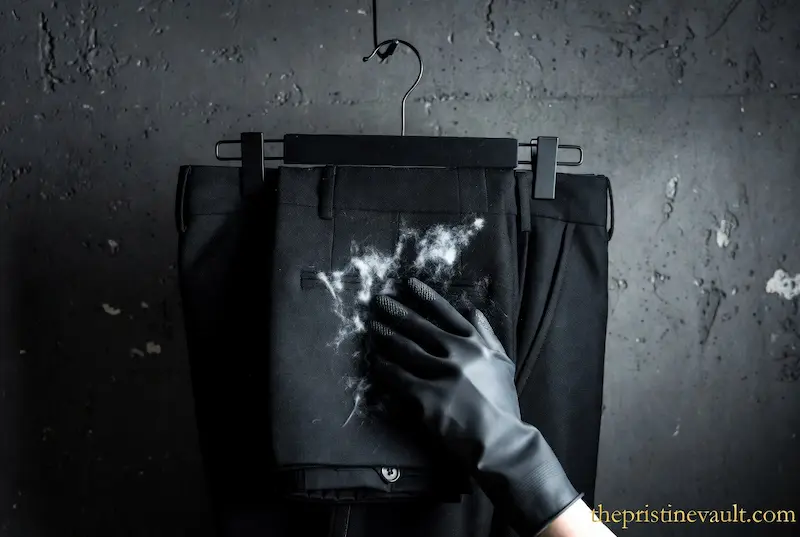
Method 6: Damp Rubber Glove (Underrated Home Method)
A damp rubber glove creates gentle static and surface tension that lifts lint without any adhesive or mechanical action.
How to use:
Put on a rubber glove (standard kitchen or cleaning glove). Dampen the surface slightly under running water. Run the gloved hand across the fabric surface in slow, even strokes in one direction.
The rubber surface lifts loose fibers and lint through static action and surface tension. The slight dampness prevents excessive static that could disturb fine fabrics.
This method works best for light surface lint on cashmere, wool, and similar fabrics. It's particularly useful for removing lint transferred during storage — lighter lint that hasn't tangled into the fabric yet.
Method 7: Steam Treatment (Loosens Embedded Lint)
Steaming doesn't remove lint directly — but it loosens embedded lint by relaxing fiber tension, making subsequent removal with a brush or comb significantly more effective.
How to use:
Hold the steamer approximately 4-6 inches from the fabric surface. Move the steamer slowly across the garment without touching the fabric directly.
After steaming, allow the fabric to cool for 2-3 minutes. The cooled, relaxed fibers release surface lint more easily than warm fibers under tension.
Follow steaming with a cashmere comb or natural bristle brush while the fabric is still slightly warm.
For understanding how luxury piece maintenance connects to overall collection preservation, our Hermès leather care guide demonstrates the consistent principle: proper tools and techniques prevent damage that restoration cannot reverse.
👉 Get Cashmere Comb Fine Tooth on Amazon
Up next: two methods specifically for removing lint that transferred from other garments during washing.
Method 8: Re-Washing with Proper Separation (For Lint from Laundry)
When lint appears because garments were washed together — fleece with cashmere, towels with silk — the most effective removal for fine surface lint is often a gentle re-wash in proper conditions.
How this works:
Lint sitting on fabric surface rather than embedded in fibers often comes free during gentle hand washing as water carries it away. This works best within 24-48 hours of the original washing incident before lint has had time to become more thoroughly embedded.
Re-wash protocol:
- Hand wash in cool water with cashmere shampoo (no agitation)
- Rinse thoroughly — multiple rinse cycles help carry surface lint away
- Press water out gently without wringing
- Lay flat to dry
What doesn't work: Re-washing in a machine. Machine agitation tangles surface lint further into the fabric. Hand washing is the only appropriate re-wash method for luxury knitwear.
Method 9: Professional Dry Cleaning (Last Resort for Stubborn Cases)
For extensive lint transfer that home methods haven't fully addressed, professional dry cleaning provides the most thorough lint removal available.
When to use professional dry cleaning:
- Lint is extensively embedded throughout the garment
- Home methods have partially worked but significant lint remains
- The garment is extremely valuable (vintage cashmere, significant investment pieces)
- Lint has caused tangling and surface disruption requiring professional attention
Important: Inform the dry cleaner specifically that the garment has lint transfer damage. Professional lint removal is a specific service — they use techniques and equipment unavailable to home cleaning. Simply dropping off the garment without explaining the issue may result in standard cleaning that doesn't address the embedded lint.
For comprehensive guidance on maintaining luxury textile investments alongside handbags, our quiet luxury bag brands guide covers the complete quiet luxury ownership philosophy.
But choosing the right removal method is only part of the equation — here's what prevents lint transfer from happening again.
Preventing Lint Transfer — Why Separation Matters
The Most Common Source of Lint on Luxury Clothes
Most lint on luxury knitwear doesn't come from the garment itself — it transfers from other garments during washing or storage.
Major lint sources:
- Fleece: The worst offender. Fleece sheds synthetic fibers continuously. Even brief contact with fleece in a washing machine coats surrounding garments in shed fibers.
- Towels: Terry cloth towels shed cotton fibers in every wash cycle. Never wash cashmere or fine wool with towels.
- New garments: New cotton garments shed significantly more than washed-in pieces. Wash new cotton items separately for the first several washes.
- Damaged synthetic fabrics: Worn synthetic garments shed more fibers than newer pieces.
Laundry Separation Protocol for Luxury Garments
Always wash separately:
- Cashmere and fine merino
- Silk
- Structured wool (blazers, coats)
Wash together if necessary:
- Different colors of similar weight cotton
- Synthetic athletic wear
- Towels (separate from everything else)
Never mix:
- Fleece with any fine natural fiber
- Towels with knitwear
- New cotton with luxury fabrics
For luxury handbag care that parallels this separation principle — keeping materials appropriate for each other — our Chanel handbag preservation guide demonstrates how mixing incompatible materials causes preventable damage.
7 Quick Tips for Lint-Free Luxury Clothes (Most Owners Skip These)
Turn knitwear inside out before washing. The exterior surface is most vulnerable to lint transfer. Inside-out orientation keeps the premium outer surface away from other garments during washing.
Use fine mesh laundry bags for every knitwear wash. Mesh bags create a physical barrier that prevents lint transfer from other garments and reduces fiber contact with the machine drum.
Clean your washing machine drum between fabric types. Run a brief empty cycle after washing fleece or towels before washing luxury knitwear. This removes shed fibers from the drum before they contact your cashmere.
Store luxury knitwear in breathable garment bags. Separate storage prevents contact between different fabric types. Breathable cotton garment bags allow air circulation while preventing lint transfer from adjacent items.
Never store new purchases directly with established wardrobe pieces. New garments shed significantly more than washed-in pieces. Wash new items once before integrating into general storage.
Use a clean roller on storage bags before opening. Roll across the exterior of garment bags before opening — this removes dust and external lint before you introduce it to the stored garment.
Handle lint-covered garments over a sink rather than your wardrobe. Lint removed from one garment falls onto whatever is below. Treating garments over a sink prevents lint redistribution to other pieces.
⚠️ Pro Tip: Build a dedicated "lint removal station" — a flat surface covered with a clean sheet where you treat garments. Treating garments in this controlled environment prevents lint from one piece transferring to another during removal. The extra 30 seconds of setup prevents the frustrating cycle of cleaning one garment while contaminating another.
👉 Get Evercare Magic Lint Roller on Amazon
Mistakes That Make Lint Damage Worse
These errors compound the original problem:
Using packing tape or scotch tape for lint removal. These adhesives are far too aggressive for natural fibers. They remove lint effectively — along with dozens of surface fibers per pass. The immediate result looks good. The cumulative damage creates extensive pilling within weeks.
Rubbing fabric together to remove lint. The friction of rubbing fabric against itself tangles fibers further, embedding loose lint deeper into the fabric structure. Surface lint becomes embedded lint. Embedded lint becomes pilling.
Using the fabric shaver on wet or damp fabric. Wet fibers are significantly more vulnerable to mechanical damage than dry fibers. Always allow garments to dry completely before fabric shaving. Even slightly damp cashmere can be damaged by a fabric shaver that would be completely safe on dry fabric.
Brushing against the grain of the fabric. Every woven or knitted fabric has a grain direction. Brushing against this direction disturbs fibers systematically across the entire garment, creating widespread surface damage rather than lifting lint.
Ignoring the source of lint and repeating the same laundry practices. Removing lint from a garment and then washing it again under the same conditions that caused the lint transfer simply recreates the problem. Always identify and address the source before the next wash.
Frequently Asked Questions
What's the safest way to get lint off cashmere?
A fine-toothed cashmere comb used gently in the direction of the knit is the safest method for delicate cashmere. Fabric shavers set to the highest guard level are safe for moderate lint. Avoid standard tape lint rollers — their aggressive adhesive pulls surface fibers free from cashmere. For preventing the pilling that often accompanies lint damage, see our cashmere care guide.
Why does my cashmere attract so much lint?
Cashmere's microscopic fiber scales create a slightly textured surface that catches and holds lint electrostatically. The same property that makes cashmere feel luxuriously soft makes it a lint magnet. Additionally, cashmere stored near or washed with synthetic fabrics picks up synthetic fiber shedding readily.
Can I put lint-covered clothes in the dryer to remove lint?
No — for luxury fabrics. Dryer heat and tumbling agitation tangle lint further into fabric fibers and cause fiber shrinkage and damage to cashmere, wool, and silk. The dryer's lint trap catches fiber shed during tumbling, not existing lint. For robust cotton garments, the dryer may help via tumbling action, but always use a lint brush immediately after.
What removes lint from black clothes without leaving residue?
A damp rubber glove or damp natural sponge works well on black garments — it lifts lint without leaving tape residue or leaving fibers from lint roller sheets. Reusable silicone lint rollers (rinseable) are also effective on dark fabrics without residue concerns. Avoid any tape-based rollers on dark fabrics as they can leave adhesive residue visible on dark colors.
How do I get lint off a wool coat?
A natural bristle clothes brush is the appropriate tool for structured wool coats. Brush downward in the direction of the wool grain using long, even strokes. For stubborn lint, follow with steaming (which relaxes the fibers) and then brush again while the wool is still warm. Tape rollers are too aggressive for fine wool coats — the adhesive disrupts the surface texture that gives quality wool its distinctive appearance.
Is there a way to prevent lint from transferring in the washing machine?
Yes — always wash luxury knitwear separately in fine mesh laundry bags, never mixed with lint-shedding fabrics like fleece or towels. Run an empty rinse cycle after washing lint-shedding fabrics before washing knitwear.
Use cold water, which causes less fiber shedding than warm or hot water across all fabric types.
Can dry cleaning remove lint that washing didn't?
Yes, for stubborn embedded lint. Professional dry cleaners have equipment specifically designed for lint removal — including specialized brushes and lint removal machines unavailable for home use.
Always specify that lint removal is needed, not just general cleaning. This allows them to apply the appropriate technique rather than standard dry cleaning procedures.
Conclusion
Knowing how to get lint out of clothes safely comes down to three principles: match the removal tool to the fabric's delicacy, work with the fabric's grain rather than against it, and prevent future lint transfer through proper separation during washing and storage.
Nine safe methods exist — from fabric shavers for embedded lint to cashmere combs for delicate surface lint to professional cleaning for stubborn cases. The right choice depends on the fabric, the severity, and how quickly you need results.
Every luxury garment in your wardrobe deserves the same careful consideration you'd give a designer bag or fine jewelry. The investment in proper care tools and techniques pays back in garments that last decades rather than seasons.
👉 Get Steamery Pilo Fabric Shaver on Amazon
Now it's your turn — assess your current lint removal tools and replace any aggressive tape rollers with fabric-appropriate alternatives this week. Your luxury sweater collection will thank you for it.