Best Shoe Trees for Allen Edmonds: Protect Your $400 Investment
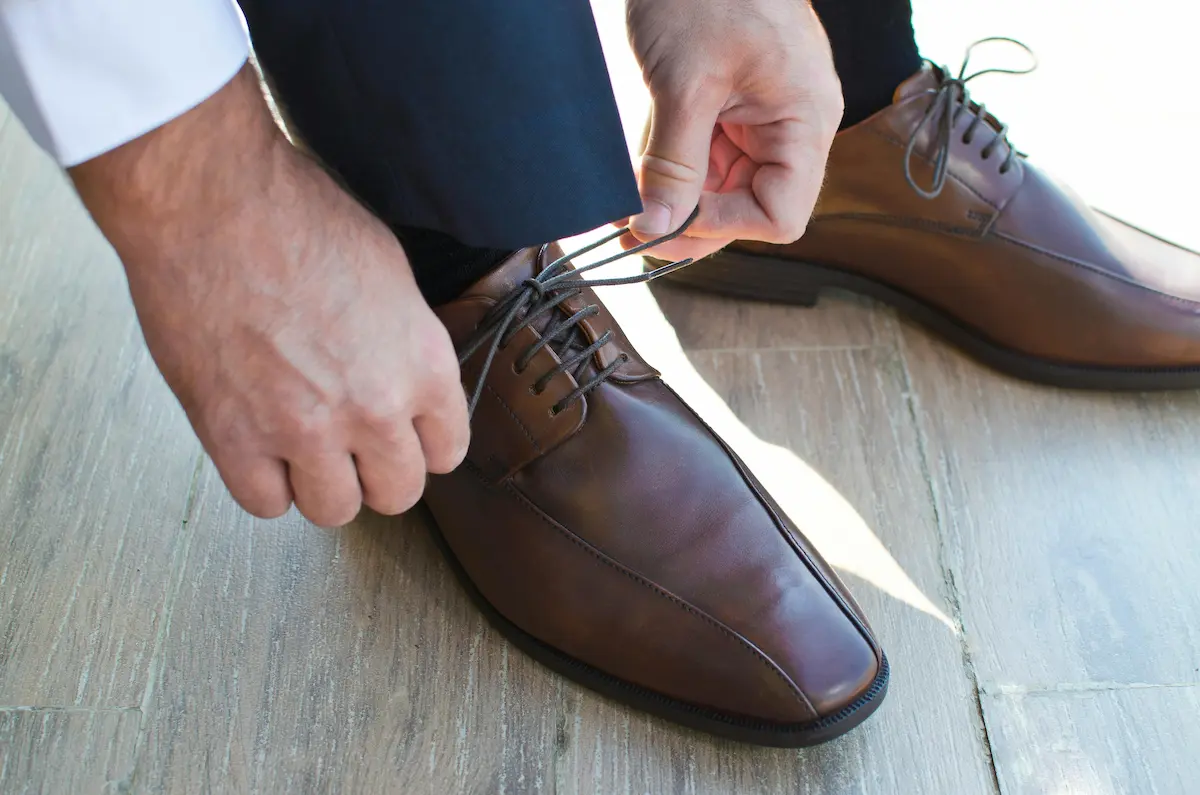
Finding the right shoe trees for Allen Edmonds is not about accessories. It is about protecting a $400 investment. Without proper shoe trees, moisture warps the leather, creases deepen permanently, and that beautiful shape you paid for gradually disappears. Cedar shoe trees are the difference between Allen Edmonds that last five years and Allen Edmonds that last twenty-five.
You spent $400 or more on a pair of Allen Edmonds. You wear them to work. You rotate them properly. Maybe you even polish them on Sundays.
But if you toss them into the closet without shoe trees afterward, you are watching your investment slowly collapse. Literally.
This guide covers everything you need to know about shoe trees for Allen Edmonds. Which trees actually fit Allen Edmonds lasts. What materials matter. How to use them correctly. And the mistakes that quietly ruin even the best-maintained dress shoes.
Why Allen Edmonds Specifically Need Shoe Trees
Allen Edmonds shoes require more care than average footwear. The construction method and materials demand proper maintenance.
Table of Contents
The Goodyear Welt Factor
Allen Edmonds shoes are built on Goodyear welt construction. The upper leather is stitched to a welt strip that runs around the sole. This construction allows resoling and gives the shoe incredible longevity.
But only if the upper leather holds its shape.
Without shoe trees, leather dries unevenly after a day of wear. Your foot produces roughly half a pint of moisture daily. That sweat soaks into the leather lining and upper. As it evaporates, the leather contracts unpredictably.
Creases set in. The toe box collapses. The heel counter softens.
Why Shape Matters More Than You Think
A misshapen Allen Edmonds shoe does not just look bad. It fits differently.
Once the toe box caves in or the vamp develops deep permanent creases, the shoe starts pressing against your foot in ways it was never designed to. Comfort drops. The leather cracks faster along those crease lines.
Resoling a shoe with a warped upper is like putting new tires on a bent frame. Pointless.
Shoe trees prevent all of this. They hold the shoe in its original form. They pull creases taut while the leather dries. They absorb the moisture that causes long-term damage.
Allen Edmonds Branded Trees vs Third-Party Options
You have two paths. The official Allen Edmonds tree or quality third-party alternatives.
The Allen Edmonds Cedar Shoe Tree
Allen Edmonds sells their own branded cedar shoe trees. They are built to match the brand's most popular lasts.
The fit tends to be accurate for models like the Park Avenue, Strand, and Fifth Avenue. All three use the 65 last. The shoe tree was designed with these proportions in mind.
They are made from aromatic red cedar. They feature a split-toe design. They come with a solid heel block. Retail price typically runs $30 to $45 per pair.
Third-Party Alternatives
Several third-party shoe trees fit Allen Edmonds well and cost less.
Woodlore Epic Twin-Tube is a popular budget option. Woodlore actually manufactures the Allen Edmonds branded trees. The Epic model runs around $20 to $30.
Jos. A. Bank cedar shoe trees offer similar split-toe design. They frequently go on sale for $12 to $15 per pair during promotions.
Rochester Shoe Tree Company provides higher-end options. They offer fully lasted trees that closely match specific shoe shapes. More expensive at $40 to $75. But the fit is exceptional.
If you own multiple pairs of Allen Edmonds on the same last, you can save money with third-party trees. Just verify the toe shape and width before purchasing.
The Allen Edmonds branded tree is the safest bet if you only want to buy once and forget about it.
Cedar vs Other Materials
Not all shoe tree materials work equally well. Cedar dominates for good reason.
Why Cedar Works Best
Aromatic red cedar is not just tradition. It is function.
Cedar absorbs moisture faster than most other woods. This is exactly what your shoes need after eight hours on your feet. It also releases a natural scent that helps neutralize odor-causing bacteria.
Cedar resists mildew and fungal growth. Plastic shoe trees cannot do any of this. They hold shape barely. But they trap moisture inside the shoe rather than drawing it out.
Material Comparison
Aromatic Red Cedar offers excellent moisture absorption, excellent odor control, and very good shape retention. Price range runs $15 to $45. Best for daily use and all-around performance.
Unfinished Beechwood provides good moisture absorption, moderate odor control, and excellent shape retention. Price range runs $30 to $80. Preferred in Europe for premium shoes.
Plastic Spring-Loaded trees offer no moisture absorption, no odor control, and poor to fair shape retention. Price range runs $5 to $15. Acceptable for travel only.
Avoid Varnished Trees
Avoid cedar shoe trees with heavy lacquer or varnish finish. The coating seals the wood pores and kills its ability to absorb moisture.
If your cedar trees look shiny and feel smooth, they are cosmetically nice but functionally compromised. You want raw, unfinished cedar. The rougher and more fragrant, the better.
When the scent fades after a year or two, lightly sand the surface with fine-grit sandpaper. This reopens the pores and restores the cedar absorptive qualities instantly.
How to Choose the Right Size
Sizing shoe trees requires attention to both length and width.
Sizing Guidelines
Shoe tree sizing does not follow the same scale as shoe sizing. Most shoe trees come in size ranges like Small, Medium, Large, or bracketed like 8-9, 10-11.
The goal is a tree that fills the shoe firmly without stretching it.
For Allen Edmonds, use these general guidelines:
US 7 to 8.5: Small or Medium depending on width
US 9 to 10.5: Medium or Large
US 11 to 12: Large or XL
US 13 and above: XL or XXL
Width Matters as Much as Length
Allen Edmonds offers multiple widths. This affects shoe tree fit significantly.
If you wear narrow B width, a standard medium tree might be too wide and stretch the shoe laterally. If you wear EEE, a standard tree might not fill the shoe adequately.
The Allen Edmonds branded tree handles this reasonably well because its split-toe design accommodates moderate width variation. For extreme widths, consider Rochester combination-lasted trees which offer more tailored options.
The Fit Test
A properly sized shoe tree should:
Slide in with slight resistance. Not forced. Not loose.
Fill the toe box without pushing the leather outward.
Sit snugly in the heel without compressing the heel counter.
Pull creases on the vamp gently taut. Not drum-tight.
If you have to wrestle it in, it is too big. If it rattles around inside the shoe, it is too small. Either extreme causes more harm than good.
How to Insert and Use Shoe Trees Properly
Proper technique matters as much as proper selection.
When to Insert Them
Insert shoe trees within 15 to 30 minutes of taking your shoes off. This gives the initial burst of moisture a chance to start evaporating naturally. Then the cedar takes over and continues the drying process.
Some people insert them immediately. That works too. If the alternative is forgetting entirely, put them in right away.
Insertion Technique
Compress the split toe by squeezing gently.
Slide the toe section into the shoe angling it slightly downward.
Let the spring mechanism seat the heel into place.
Confirm the tree sits flush. No bunching of the leather. No visible pressure points.
Never force a shoe tree in. If it does not slide in smoothly, you have a sizing mismatch.
How Long to Leave Them In
Leave shoe trees in until you wear the shoes again. There is no such thing as too long with cedar.
If you rotate between multiple pairs, which you should, the trees stay in full-time when the shoes are not on your feet.
For longer-term storage like seasonal dress shoes you will not touch for months, keep the shoe trees in and store the shoes in breathable flannel bags. Never use plastic bags or airtight containers. Leather needs to breathe even in storage.
For complete guidance on luxury footwear storage, see our guide on how to store Louboutin shoes.
Best Shoe Trees for Allen Edmonds: Top Picks
These four options cover every budget and need.
1. Allen Edmonds Cedar Shoe Tree
Price: $30-45
Material: Aromatic red cedar, unfinished
Design: Split-toe with spring mechanism
Best for: Owners who want guaranteed fit on AE lasts
The safe choice. Not the cheapest. But designed for the shoes you already own. The fit works perfectly on the popular 65 last used in Park Avenue, Strand, and Fifth Avenue models.
2. Woodlore Epic Twin Tube
Price: $45-50
Material: Aromatic red cedar
Design: Twin-tube with split toe
Best for: Budget-conscious buyers with multiple pairs
Excellent value. Fits most Allen Edmonds models on the 65 last well. Slightly narrower profile than the branded option. Same manufacturer as the official Allen Edmonds trees.
3. Rochester Full-Lasted Cedar Tree
Price: $30-50
Material: Premium cedar
Design: Fully shaped, no spring mechanism
Best for: Collectors and serious enthusiasts
The gold standard for shoe preservation. Custom-like fit. Worth the investment for your most expensive pairs. These trees match shoe shapes more precisely than spring-loaded alternatives.
4. Cobbler's choice cedar tree
Price: $45-55 on sale
Material: Cedar
Best for: Stocking up during sales
Perfectly adequate for daily duty. Buy in bulk when they hit clearance pricing. Solid construction at budget price. Watch for frequent promotions.
Long-Term Care Tips
Shoe trees are part of a complete care system. Follow these practices for maximum shoe longevity.
Dedicate Trees to Each Pair
Own at least as many pairs of shoe trees as you own dress shoes. Every pair of Allen Edmonds should have dedicated trees. Sharing trees between shoes defeats the purpose.
Rotate Your Shoes
Never wear the same pair two days in a row. Give leather 24 to 48 hours to dry completely between wears. Shoe trees accelerate this process but cannot replace rest time.
Refresh Your Cedar Annually
A quick pass with 220-grit sandpaper refreshes the wood absorption and scent. Takes 30 seconds per tree. Do this once a year to maintain effectiveness.
Handle Wet Shoes Correctly
Do not use shoe trees in wet shoes. If your Allen Edmonds got caught in rain, stuff them loosely with newspaper first to pull out heavy moisture. Switch to shoe trees after a few hours once the worst of the water is gone.
Store Shoes Properly
Store shoes on a shelf, not the floor. Floor-level storage exposes shoes to more dust, humidity fluctuations, and accidental damage. A dedicated shoe shelf or cabinet keeps them protected and accessible.
Condition the Leather Regularly
Trees handle shape and moisture. You still need to condition the leather every 15 to 25 wears with quality cream or wax to keep it supple and protected.
Frequently Asked Questions
Do I really need shoe trees for every pair of Allen Edmonds?
Yes. Every pair. If you spent $395 or more on quality footwear, a $20 to $35 shoe tree is the cheapest insurance against premature aging, cracking, and loss of shape.
Can I use the same shoe tree in different shoes?
You can, but you should not if possible. Alternating trees means one pair is always sitting without support. Dedicated trees for each pair ensures continuous protection.
Are spring-loaded shoe trees bad for shoes?
Not if they are properly sized. The spring tension in a well-fitted tree is gentle enough to hold shape without stretching. Problems only arise when the tree is too large and the spring forces the shoe beyond its natural dimensions.
How long do cedar shoe trees last?
Decades with minimal maintenance. Sand them lightly once a year to refresh the surface. They will outlast most of the shoes they protect.
Should I use shoe trees in boots too?
Absolutely. Allen Edmonds makes several boot models. They benefit from trees just as much as oxfords. Look for boot-specific trees with a taller shaft. Or use standard trees for the foot portion at minimum.
Final Thoughts
Shoe trees for Allen Edmonds are not optional equipment. They are the foundation of proper shoe care.
Cedar trees absorb moisture. They fight odor. They prevent creasing. They maintain the shape that makes these shoes worth their price.
Whether you choose the Allen Edmonds branded tree, a budget-friendly Woodlore, or a premium Rochester option, the best shoe tree is the one actually inside your shoe right now.
A $400 pair of Allen Edmonds deserves a $25 shoe tree. The math is simple. The protection is priceless.
Your shoes take care of you. Take care of them.