Cashmere Care Guide: How to Care for Cashmere Sweaters
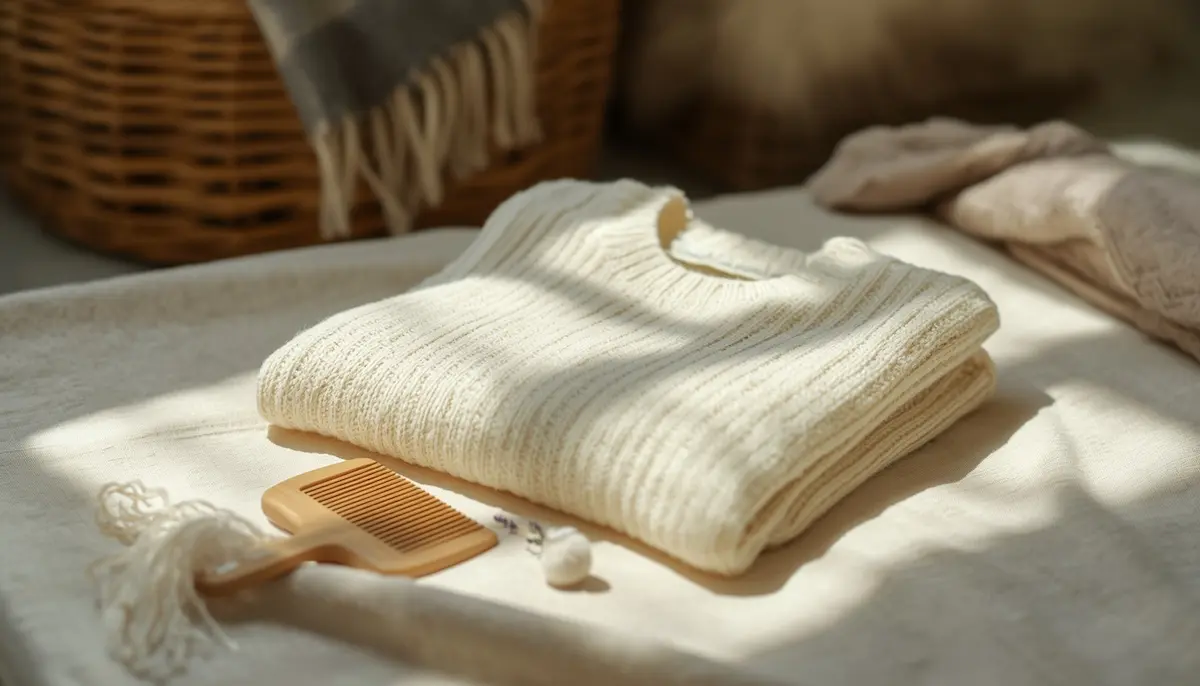
Most cashmere damage doesn't happen in the wash. It happens in the drawer — from storage mistakes most owners never think about.
A milestone purchase.
A serious investment.
Something you treated with care because you knew exactly how much it cost — and how long you wanted it to last.
For many cashmere owners, that mindset still holds true today.
A well-made cashmere sweater is not just clothing. It is a quiet luxury that ages beautifully when respected — and falls apart quickly when neglected.
In 2026, cashmere care has become more important than ever.
Cashmere prices have risen significantly. Production standards vary widely between brands. And the small mistakes that ruin cashmere sweaters happen most often to people who simply did not know better.
This complete cashmere care guide is for anyone who wants their cashmere to last.
Not for a season.
Not for a few years.
For decades.
The good news is that proper cashmere care is far simpler than most people assume. It only requires understanding a few key principles — and applying them consistently over time.
Based on extensive research from textile experts, garment manufacturers, and decades of luxury care community guidance, here is everything you need to know to take care of your cashmere sweaters the right way.
Table of Contents
- Why Cashmere Requires Special Care
- Understanding Your Cashmere Quality
- Daily Care Habits That Make a Difference
- How to Wear Cashmere Properly
- The Right Way to Clean Cashmere
- How to Dry Cashmere Without Damage
- How to Store Cashmere Correctly
- Protecting Cashmere from Pilling
- Protecting Cashmere from Moths
- Seasonal Cashmere Care Calendar
- Common Cashmere Care Mistakes
- When to Repair vs Replace Cashmere
- Final Thoughts on Cashmere Care
- Frequently Asked Questions
Transparency Note: This article may contain affiliate links. As an Amazon Associate, we earn from qualifying purchases at no extra cost to you.
Why Cashmere Requires Special Care
Cashmere is one of the most luxurious natural fibers in the world.
It is also one of the most delicate.
Each cashmere fiber is finer than human hair. The hollow structure that makes cashmere so warm and lightweight also makes it vulnerable to friction, heat, moisture, and harsh chemicals.
Unlike regular wool, which is forgiving and resilient, cashmere demands gentleness at every stage of care.
A few key facts about cashmere:
- A single cashmere goat produces only about 150 grams of usable fiber per year
- It takes the fleece of 4-6 goats to make one sweater
- Cashmere fibers are 6-8 microns thick (very fine)
- Cashmere is naturally odor-resistant and rarely needs frequent washing
- Quality varies enormously based on fiber length, ply, and production methods
Knowing these facts changes how you treat cashmere.
It is not just a sweater.
It is a slowly produced, naturally rare material that deserves the small extra effort it requires.
Understanding Your Cashmere Quality
Not all cashmere is created equal.
Before learning care techniques, it helps to understand what you actually own.
Grade A cashmere uses the longest, finest fibers (15-19 microns). These produce the softest, most durable sweaters that pill less and last longer.
Grade B cashmere uses medium-length fibers. Still high quality but slightly more prone to pilling and wear.
Grade C cashmere uses shorter fibers. Often softer initially but pills quickly and loses shape faster.
Ply refers to how many strands are twisted together to make the yarn.
- 1-ply: thin and lightweight (like a t-shirt)
- 2-ply: most common, balanced warmth and weight
- 4-ply or higher: thick, warm, and most durable
Higher ply usually means longer lifespan with proper care.
If you own cashmere from brands like Loro Piana, Brunello Cucinelli, Pringle of Scotland, or Johnstons of Elgin — you likely have Grade A, 2-ply or higher cashmere. These pieces are designed to last decades when cared for properly.
If you own cashmere from contemporary brands like Quince, Naadam, or Everlane — you likely have good quality cashmere designed to last 5-10 years with proper care.
Both deserve careful handling.
The difference is mostly in longevity potential.
Daily Care Habits That Make a Difference
Most cashmere damage does not happen during washing.
It happens during everyday wear.
Small daily habits, repeated over years, are what separate cashmere that ages beautifully from cashmere that becomes unwearable after a few seasons.
Habit 1: Rest your cashmere between wears.
Cashmere fibers benefit from 24-48 hours of rest after each wear. This allows the fibers to recover their natural shape.
Habit 2: Avoid wearing cashmere two days in a row.
Even premium cashmere stretches and weakens when worn continuously without rest.
Habit 3: Be careful with bags and seatbelts.
Friction from shoulder bags, seatbelts, and backpacks causes premature pilling and worn spots.
Habit 4: Keep cashmere away from rough surfaces.
Velcro, rough wool coats, and unfinished wood surfaces can snag delicate fibers instantly.
Habit 5: Apply perfume and lotion before dressing.
Direct contact between cashmere and beauty products causes staining and fiber damage that is often impossible to reverse.
Habit 6: Use a soft lint roller instead of harsh tape.
Aggressive tape removes loose fibers but also weakens the fabric over time.
These habits cost nothing.
They take seconds to implement.
But over years, they make the difference between a cashmere sweater you love for ten years versus one you regret after one season.
How to Wear Cashmere Properly
Few people think about how they wear cashmere.
But the way you put it on, take it off, and layer it matters more than most owners realize.
When putting on cashmere:
Open the neck wide before pulling it over your head. Avoid forcing it past hair clips, earrings, or jewelry. Damaged stitching at the neckline is one of the most common cashmere repairs needed.
When taking off cashmere:
Remove it slowly. Avoid yanking the sleeves. Lay it flat immediately rather than tossing it on a chair where it can stretch.
When layering cashmere:
Always wear something smooth underneath — a cotton t-shirt, silk camisole, or fine merino base layer. Avoid wearing cashmere directly over rough textures or sharp jewelry.
When sitting in cashmere:
Be mindful of leather chairs, rough fabric upholstery, and seat belts. These create friction zones that develop into worn patches over time.
When traveling in cashmere:
Roll, never fold tightly. Pack with tissue paper between layers. Allow it to rest flat after unpacking before wearing.
These small considerations are not about being precious with your clothing.
They are about respecting the realities of how delicate fibers behave in everyday life.
The Right Way to Clean Cashmere
Cashmere does not need frequent washing.
In fact, over-washing is one of the most common causes of cashmere damage.
Most cashmere sweaters only need washing every 4-6 wears, or when visibly soiled. Spot cleaning small marks immediately can extend the time between full washes significantly.
When the time comes for a full wash, two methods work well:
Hand washing is the safest method for any cashmere garment, especially higher-end pieces.
Machine washing works for modern cashmere with "machine washable" labels, using only the wool or delicate cycle, cold water, and a mesh laundry bag.
The detergent you use matters enormously. Regular laundry detergents — even ones labeled "gentle" — often contain enzymes or alkaline ingredients that strip cashmere of its natural oils and accelerate fiber breakdown.
A wool and cashmere-specific detergent makes a measurable difference in how long your cashmere lasts. Many luxury garment owners consider it one of the best small investments they make for their wardrobe:
For the complete step-by-step washing process — including water temperature, detergent amounts, and rinse techniques — this detailed guide covers everything you need to know:
→ How to Wash Cashmere: Complete Guide 2026
The principle is simple: gentle handling, cool water, no friction.
Apply this consistently and your cashmere will reward you for years.
How to Dry Cashmere Without Damage
Most cashmere damage during cleaning does not happen during washing.
It happens during drying.
A properly washed cashmere sweater can still be ruined in minutes by improper drying. The good news is that the right drying technique is simple and free.
Step 1: Press out water gently.
Never wring or twist. Press the sweater against the side of the basin to release excess water.
Step 2: Roll in a clean dry towel.
Lay the sweater flat on a clean towel, then roll it up like a sushi roll. Press gently to absorb water.
Step 3: Lay flat on a fresh towel or mesh rack.
Reshape carefully. Smooth the shoulders. Straighten the sleeves. Square the body.
Step 4: Dry away from direct heat.
Avoid radiators, heaters, and direct sunlight. These cause uneven drying and fiber brittleness.
Step 5: Flip halfway through.
Turn the sweater over after 12-24 hours to ensure even drying.
Step 6: Allow full drying time.
Cashmere typically takes 24-48 hours to dry completely. Patience is essential.
A quality mesh drying rack designed for delicate sweaters allows air to circulate underneath and prevents the bottom of the garment from staying damp longer than the top:
Never hang wet cashmere.
Never use a dryer.
These two rules alone prevent the majority of cashmere drying disasters.
How to Store Cashmere Correctly

Storage is where many cashmere owners unknowingly destroy garments they love.
A cashmere sweater that survives years of wear and proper washing can still be ruined by a single season of incorrect storage.
The principles of cashmere storage are simple but specific.
Always fold, never hang.
Hanging cashmere stretches the shoulders permanently. Always fold.
Store in a cool, dry place.
Heat and humidity damage cashmere fibers and attract moths.
Avoid plastic containers.
Plastic traps moisture and lacks airflow. Cotton or linen storage bags are far better.
Use natural moth deterrents.
Cedar blocks, lavender sachets, and natural moth repellents protect cashmere without harsh chemicals.
Keep storage areas clean.
Vacuum and dust storage areas regularly. Moths and pests love undisturbed corners.
Store washed, never worn.
Always wash cashmere before long-term storage. Body oils and food particles attract pests.
Allow space between items.
Compressed cashmere develops creases that become permanent over time.
For long-term storage between seasons, a breathable cotton storage bag with cedar blocks provides the ideal environment:
For a deeper guide on protecting cashmere from one of its most destructive enemies — moths — this detailed walkthrough covers every essential step:
→ How to Store Cashmere Sweaters from Moths: 5 Essential Steps
Storage is not just about putting cashmere away.
It is about creating an environment where cashmere can rest safely until it is needed again.
Protecting Cashmere from Pilling
Pilling is one of the most frustrating aspects of owning cashmere.
It happens when cashmere fibers rub together — through wear, friction, and movement — creating small balls of tangled fibers on the surface of the garment.
Pilling does not mean your cashmere is poor quality.
In fact, all cashmere pills to some degree.
What matters is how much, how quickly, and how you manage it.
Why cashmere pills:
- Friction from bags, seatbelts, and arm movement
- Wearing cashmere two days in a row without rest
- Layering with rough fabrics
- Aggressive washing or drying
How to reduce pilling:
- Rest cashmere between wears
- Avoid wearing it under coats or bags
- Wash gently and infrequently
- Address small pills before they become large ones
How to remove pilling safely:
A quality cashmere comb or sweater stone is the safest tool for removing pills. Avoid using razors or sharp tools, which can damage the underlying fabric and shorten the sweater's lifespan.
A proper cashmere comb gently lifts and cuts pills without damaging healthy fibers — a small tool that quietly extends the life of every cashmere piece you own:
For a comprehensive guide on stopping pilling at its source — and addressing it when it happens — this expert guide covers proven methods used by luxury garment care specialists:
→ 7 Proven Ways to Stop Cashmere from Pilling: The Expert Guide
Pilling is manageable.
Ignored, it becomes overwhelming.
Addressed early, it becomes a small routine task.
Protecting Cashmere from Moths
Moths are the silent destroyer of cashmere wardrobes.
A single moth infestation can ruin an entire collection in weeks.
The damage often goes unnoticed until the next season — when previously beautiful sweaters are pulled out of storage with small holes scattered throughout.
Prevention is far easier than cure.
Where moths thrive:
- Dark, undisturbed closets
- Soiled or unwashed cashmere
- Storage areas with poor airflow
- Spaces with food crumbs or organic debris
How to prevent moths:
- Always wash cashmere before storage
- Use cedar blocks or cedar planks in storage
- Add lavender sachets near cashmere
- Vacuum storage areas monthly during off-season
- Inspect cashmere periodically during storage
- Avoid storing in humid basements or attics
Natural moth deterrents that work:
- Cedar wood (lasts 6-12 months, refresh with cedar oil)
- Lavender (refresh every 3-4 months)
- Cloves and rosemary (less effective but pleasant scent)
- Diatomaceous earth (for severe prevention)
Chemical moth balls work but are toxic and leave a lingering smell. Natural alternatives are safer for both your cashmere and your home environment.
A quality set of cedar blocks for closets and drawers provides long-lasting moth protection without chemical exposure:
Moths cost nothing to prevent.
They cost everything to recover from.
Seasonal Cashmere Care Calendar
Cashmere care is not a one-time activity.
It follows a natural rhythm tied to seasons of wear and storage.
Here is a year-round calendar to help maintain your cashmere collection.
Early Fall (September-October):
- Pull cashmere from summer storage
- Inspect for any damage or moth activity
- Air out for 24-48 hours
- Brush gently with a cashmere brush
- Spot clean if needed before first wear
Mid Fall to Winter (November-February):
- Active wear season
- Rest each piece 24-48 hours between wears
- De-pill weekly with cashmere comb
- Spot clean small marks immediately
- Wash only when truly needed
Early Spring (March-April):
- Begin transition to lighter wear
- Wash all cashmere thoroughly before storage
- Allow full drying (48 hours minimum)
- Inspect for repairs needed
Late Spring to Summer (May-August):
- Long-term storage period
- Store in breathable cotton bags
- Add cedar blocks and lavender sachets
- Check storage every 4-6 weeks for moth signs
- Refresh cedar oil monthly if needed
This calendar ensures cashmere never sits in problematic conditions for long.
It also creates predictable maintenance moments rather than reactive emergencies.
Common Cashmere Care Mistakes

After years of researching cashmere care across owner communities and luxury garment forums, certain mistakes appear over and over again.
Avoiding them prevents most damage.
Mistake 1: Hanging cashmere in the closet.
Always fold. Hanging stretches shoulders permanently.
Mistake 2: Using regular laundry detergent.
Standard detergents damage delicate cashmere fibers.
Mistake 3: Washing cashmere too often.
Cashmere is naturally odor-resistant. Wash only when needed.
Mistake 4: Storing without cleaning first.
Body oils and food particles attract moths.
Mistake 5: Using moth balls without ventilation.
Toxic chemicals leave residues that damage cashmere over time.
Mistake 6: Storing in plastic bins.
Plastic traps moisture and prevents airflow.
Mistake 7: Ignoring small pills.
Small pills become large patches if not addressed early.
Mistake 8: Wearing cashmere two days in a row.
Fibers need rest between wears to maintain shape.
Mistake 9: Using sharp tools to remove pills.
Razors damage healthy fibers along with the pills.
Mistake 10: Leaving lint and fuzz to accumulate.
Regular gentle removal prevents long-term fiber tangling.
For dealing with lint and fuzz buildup safely on luxury sweaters, this thoughtful guide explains nine effective methods that protect cashmere fibers:
→ How to Get Lint Out of Clothes: 9 Safe Ways to Restore Luxury Sweaters
Awareness of these mistakes is half the prevention.
The other half is consistency.
When to Repair vs Replace Cashmere
Even with the best care, cashmere eventually shows signs of wear.
Knowing when to repair versus when to replace saves money and preserves favorite pieces.
Repair when you see:
- Small holes (under 1 cm)
- Loose stitching at hems or cuffs
- Pilling that responds to careful de-pilling
- Slight stretching at the neckline
- Localized stains that respond to spot cleaning
Consider replacing when you see:
- Multiple large holes (over 2 cm)
- Significant stretching that distorts the entire shape
- Deep felting or shrinkage from washing accidents
- Severe yellowing from age or storage damage
- Widespread thinning from years of wear
Many luxury cashmere brands offer repair services for their own products. Loro Piana, Brunello Cucinelli, and Burberry all have repair programs that can extend the life of their cashmere by years or even decades.
For other brands, local tailors who specialize in knitwear can perform invisible repairs at a fraction of replacement cost.
A favorite cashmere sweater is often worth the repair investment.
A neglected cashmere sweater is rarely worth saving.
Final Thoughts on Cashmere Care
Cashmere care is not about being precious with your clothing.
It is about respecting what cashmere actually is.
A garment made from one of the rarest natural fibers in the world deserves the small extra attention it asks for. In return, it offers warmth, softness, and quiet luxury that synthetic alternatives simply cannot replicate.
The cashmere owners who get the most value from their pieces are not the ones with the largest collections.
They are the ones who learned the small habits early.
Gentle washing.
Patient drying.
Careful folding.
Smart storage.
Regular de-pilling.
Seasonal rotation.
These habits, repeated consistently over years, are what separate cashmere that ages beautifully from cashmere that becomes unwearable after a few seasons.
A favorite cashmere sweater, properly cared for, can outlast trends, fashion cycles, and even generations.
Some of the finest cashmere pieces from brands like Loro Piana and Johnstons of Elgin are family heirlooms passed down through three or four generations — precisely because they were cared for properly from day one.
That is what makes the small effort worthwhile.
Cashmere care is not a chore.
It is a quiet relationship between you and a beautiful natural material — one that rewards patience, attention, and consistency with decades of comfortable wear.
The cost of careful cashmere care is always smaller than the cost of replacement.
That truth, applied consistently, is what protects everything you love about cashmere.
Frequently Asked Questions
How often should you wash a cashmere sweater?
Cashmere is naturally odor-resistant and only needs washing every 4-6 wears, or when visibly soiled. Over-washing causes faster fiber breakdown.
Can you hang cashmere sweaters in the closet?
No. Always fold cashmere. Hanging stretches the shoulders and distorts the shape permanently.
How do you keep cashmere from pilling?
Rest cashmere 24-48 hours between wears, avoid friction from bags and coats, wash gently, and use a cashmere comb to remove pills early before they spread.
What is the best way to store cashmere?
Fold cashmere and store in breathable cotton bags with cedar blocks and lavender sachets. Keep in a cool, dry place away from direct sunlight.
Can cashmere sweaters last for decades?
Yes. Properly cared for cashmere from quality brands can last 20-30 years or more. Many luxury cashmere pieces become family heirlooms.
How do you protect cashmere from moths?
Always wash cashmere before storage, use cedar blocks and lavender, store in breathable bags, vacuum storage areas regularly, and inspect periodically.
Is it worth investing in expensive cashmere?
Higher quality cashmere typically lasts longer and ages better than budget options. With proper care, premium cashmere often costs less per wear over its lifetime than cheaper alternatives.