How to Clean LV Vachetta Leather: The Professional Conservator’s Guide
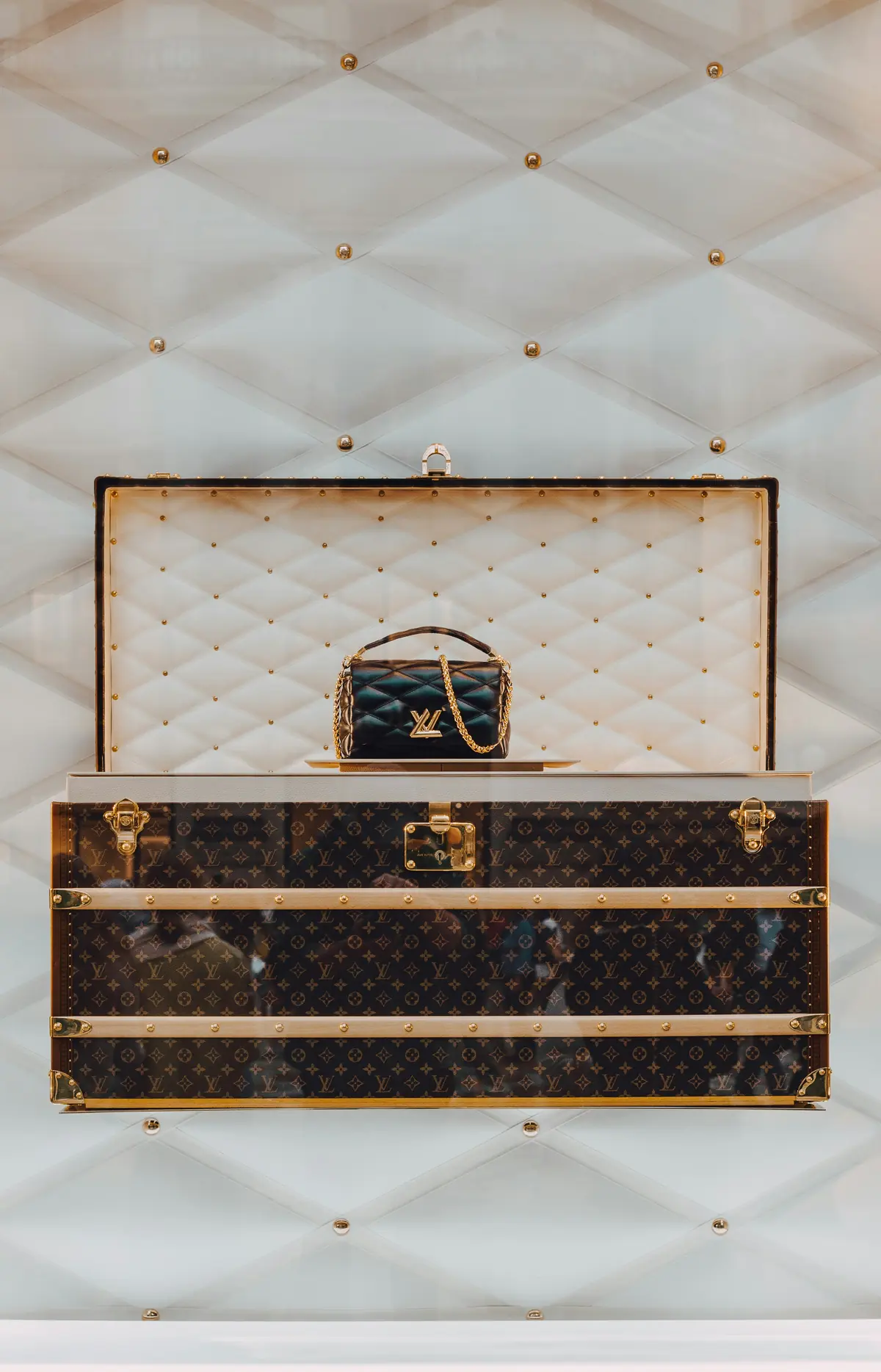
Master how to clean LV Vachetta leather by utilizing a pH-balanced, non-darkening cleanser to eliminate surface pollutants effectively.
Follow with a high-grade lipid replenisher to restore the leather’s internal fibrous structure.
Apply a silicone-free hydrophobic barrier to prevent future water-spotting and oxidation, securing the long-term value of your heritage pieces.
Allowing dermal oils and urban pollutants to saturate untreated vegetable-tanned cowhide—commonly known as Vachetta—initiates a chemical degradation that devalues a heritage piece by approximately 30% to 50% within the first two years.
In the acidic microclimates of London or the high-humidity summers of New York City, this "naked" leather acts as a biological sponge. It absorbs nitrogen dioxide and sulfur dioxide from the air, which bond with the leather’s natural tannins to cause irreversible fiber embrittlement.
A pristine handle or piping that has turned a muddy, greyish-black is not "patina"; it is a record of structural neglect. For the discerning collector, preservation is not about cosmetic vanity; it is about maintaining the mechanical properties of the corium and the financial solvency of the asset.
Table of Contents
The Material Science of Untreated Cowhide
Vachetta is a premium grade of vegetable-tanned leather that remains unfinished.
Unlike "protected" or pigmented leathers found in mass-market goods, Vachetta lacks a synthetic topcoat. Under a microscope, the surface reveals an open-pore structure consisting of a dense network of collagen fibers.
During the tanning process, chromium salts are avoided in favor of plant-based tannic acids derived from chestnut or oak bark.
The aesthetic appeal of this leather is its ability to undergo oxidation—the process where UV radiation and oxygen react with the tannins to create a warm, golden hue known as patina.
However, this porosity is a double-edged sword. Capillary action allows liquid contaminants (rain, sweat, coffee) to penetrate deep into the dermis. Once inside, these substances oxidize and become permanent "tattoos" within the fiber matrix.
Furthermore, as the leather ages, it loses its natural lipids. Without these essential fats, the collagen fibers rub against one another, causing internal friction that manifests as surface cracking.
The Restoration Protocol: A Conservator’s Methodology
Step 1: Mechanical Debridement (Dry Cleaning)
Before introducing any moisture, one must remove abrasive particulates. Dust and microscopic grit act like sandpaper when wet, scratching the delicate grain of the leather.
Use a medium-stiffness horsehair brush to sweep the surface in short, unidirectional strokes.
WARNING / RED FLAG: Never use a plastic-bristled brush. Synthetic fibers are too hard for the Mohs scale of Vachetta and will create permanent micro-striations that trap dirt.
Step 2: Surface Soil Erasure
For localized scuffs or darkening on handles, a physical mechanical lift is required. Use a white polymer eraser—not a pink one, which contains dyes that can migrate into the leather.
Gently rub the darkened area. The polymer bonds with surface-level grime and lifts it away without altering the leather's pH.
WARNING / RED FLAG: Avoid "magic" melamine sponges. Their abrasive nature is equivalent to extremely fine sandpaper and will strip the top grain, leaving the leather fuzzy and susceptible to rapid rot.
Step 3: Chemical Cleansing and pH Correction
If the leather requires a full-surface clean, use a surfactant-based cleanser specifically formulated for vegetable-tanned hides.
The cleanser must be pH-neutral (around 4.5 to 5.5) to match the leather’s natural acidity. Apply the foam to a white lint-free microfiber cloth, never directly to the leather.
Wipe the entire Vachetta section from seam to seam. This prevents "water rings" or localized tidelines. The goal is to lower the surface tension of the oils so they can be blotted away.
WARNING / RED FLAG: Do not use baby wipes or household detergents. These often contain alkaline agents and alcohol which strip lipids and cause the leather to turn "bone white" and brittle.
Step 4: Lipid Replenishment (Conditioning)
Once the leather is clean and slightly damp, it is ready to receive emollients. Use a conditioner rich in lanolin or neatsfoot oil, but free of petroleum distillates.
These natural fats penetrate the interfibrillar spaces, coating the collagen fibers to ensure they glide smoothly. This restores the leather's suppleness and prevents "dry-rot."
Apply a pea-sized amount and massage it into the grain. Allow it to sit for 20 minutes, then buff with a clean cloth.
WARNING / RED FLAG: Avoid heavy waxes or oils containing mink oil if you wish to prevent rapid darkening. Mink oil is highly effective but will accelerate the patina process significantly.
Step 5: Hydrophobic Protection
In environments like Manhattan or Westminster, environmental moisture is inevitable. Apply a nano-protector spray that provides hydrophobicity without clogging the pores.
A high-quality protector creates a "lotus effect," where water beads on the surface rather than soaking in.
WARNING / RED FLAG: Verify the product is silicone-free. Silicone creates a plastic-like seal that prevents the leather from "breathing," eventually causing the internal moisture to ferment and rot the core fibers.
The Conservator's Matrix: Maintenance Options
Method/Product | Cost Efficiency | Risk Level | Time Required | Conservator's Verdict |
Saddle Soap & Water | High | High | 30 Mins | Not Recommended. Too alkaline; causes darkening and stiffening. |
White Polymer Eraser | Very High | Low | 5 Mins | Essential. Best for regular handle maintenance and scuff removal. |
Professional Restoration | Low | Very Low | 2-4 Weeks | Recommended for vintage pieces with structural dry-rot or heavy mold. |
Dedicated Luxury Kit | Medium | Low | 60 Mins | The Gold Standard for at-home preservation and value retention. |
Curated Procurement: Chemical Standards
For those maintaining a collection of significance, only three classes of products are acceptable within a professional archive.
1. The Gold Standard (Professional): Saphir Médaille d'Or Renovateur
Why it works: This formula uses a base of mink oil and macadamia oil. It avoids all synthetic resins.
The high concentration of lipids ensures deep penetration into the dermis without leaving a sticky residue that attracts London soot.
2. The Smart Value: Apple Brand Leather Care Kit
Why it works: This is a lighter, water-based emulsion. It is specifically designed not to darken Vachetta significantly, making it ideal for brand-new bags that require a protective barrier before their first outing in NYC humidity.
3. The Specialist Tool: Staedtler Mars Plastic Eraser (White)
Why it works: Pure polymer construction. It uses mechanical friction to lift sebum (skin oils) and carbon pollutants from the handle grain without the use of solvents.
Troubleshooting & FAQ
What if I get caught in a London downpour?
Immediately blot (do not rub) the moisture with a dry, white cloth. Once you return home, wipe the entire Vachetta surface with a slightly damp cloth to equalize the moisture levels.
This prevents localized water spots. Let it air dry away from direct heat sources.
How do I tell the difference between "Good Patina" and "Dirt"?
Good patina is translucent; you can still see the grain of the leather beneath a golden glow. Dirt and oil accumulation look opaque, muddy, and feel "tacky" or sticky to the touch.
If the handle feels greasy, it requires a surfactant-based clean immediately.
Can I use a hair dryer to speed up the drying process?
Never. Forced thermal energy causes the leather fibers to shrink rapidly, leading to warping and cracking of the grain. Always opt for ambient air drying in a room with controlled humidity.
Secure Your Investment Beyond Maintenance" "While professional cleaning and physical protection are vital, the ultimate safeguard for any high-value collection is a robust insurance policy.
Don't leave your hard-earned assets vulnerable to theft or unforeseen loss. Discover our comprehensive guide on luxury asset insurance and documentation to ensure your collection is fully protected by law and policy.