How to Store Watches Without a Watch Box (Done Right)

"A luxury watch left on a nightstand isn't resting — it's at risk. Knowing how to store watches without a watch box is the first line of defence for any serious collector." — The Pristine Vault
You just moved. Your watch box got damaged in transit. Or you simply have more watches than storage. Whatever the reason, you're looking at a Rolex, an Omega, or a Patek sitting on the dresser with nowhere proper to go — and that feeling of unease is entirely justified.
Improper storage is one of the leading causes of scratches, moisture damage, and mechanical failure in luxury watches. The good news is that solving this problem does not require an expensive purpose-built case. It requires the right approach.
Table of Contents
Why Watch Storage Matters More Than Most People Realise
A watch left on a hard surface overnight is not simply inconvenient — it is exposed to dust, humidity fluctuations, temperature swings, and accidental contact with keys, coins, and other objects that leave permanent marks.
For mechanical and automatic watches, storage conditions affect more than appearance. They affect accuracy, movement longevity, and ultimately, resale value.
The specific risks of careless storage:
- Scratches from contact with hard surfaces and nearby objects
- Moisture entering the movement through worn seals
- Magnetisation from proximity to speakers, laptops, or phone chargers
- Dust accumulating inside crowns and pushers
- Leather and rubber straps degrading from heat and compression
Every solution in this guide addresses these risks — regardless of your budget.
7 Smart Ways to Store Watches Without a Watch Box
1. Watch Rolls — The Most Practical Alternative
A watch roll is the closest functional equivalent to a watch box, at a fraction of the price. Individual padded slots keep each watch cushioned and separated. The roll closes tightly, blocking dust and light. Most quality rolls fit neatly in a drawer or travel bag.
What to look for:
- Genuine leather or suede lining
- Individual closure per slot
- Capacity of three to eight watches
Brands such as Wolf, Stackers, and Rapport London offer well-made rolls across a range of price points.
2. Watch Pillows in a Lined Drawer
Watch pillows — small T-bar or cylindrical cushioned forms — hold a watch upright by supporting the bracelet or strap. They are one of the simplest storage ideas available and cost very little.
Line them in a soft-lined drawer, organised by brand or wearing frequency, and you have a functional solution that also protects each piece from surface contact.
Important: Place silica gel packets in the drawer to manage humidity. One or two small packets is sufficient for a standard drawer.
3. Repurposed Jewellery Trays
A sectioned jewellery tray with a velvet or suede lining works well for watches, particularly dress watches and thinner-cased pieces. Look for compartments deep enough to accommodate the crown without applying pressure to it.
This is one of the most accessible home storage solutions — velvet-lined trays are available at most home goods retailers. The IKEA SKUBB organisers and velvet ring trays from The Container Store are practical and affordable options.
4. Original Pouches and Microfiber Bags
Every watch purchase includes a dust pouch or soft bag for a reason. When a watch box is unavailable, returning the watch to its original pouch is one of the safest short-term approaches.
No original pouch? Microfiber bags designed for camera lenses or eyeglasses provide equivalent protection and cost very little.
Note: Never stack watches inside pouches. The crown of one watch pressing against the crystal of another is a reliable way to cause permanent damage.
5. A DIY Watch Stand or Display Rack
For collectors who prefer a desk or dresser display, a simple DIY stand keeps watches visible, accessible, and off hard surfaces.
Practical options:
- A horizontal wooden dowel mounted between two wood blocks
- A foam jewellery display head
- A 3D-printed multi-watch rack
Line any surface that contacts the watch with craft felt or suede to prevent metal-on-wood scratching. This approach works particularly well for bracelet-style watches worn frequently.
6. A Watch Winder for Automatic Watches
If the watch in question is an automatic — a Rolex Submariner, an Omega Seamaster, a Jaeger-LeCoultre Reverso — a watch winder serves two purposes simultaneously. It keeps the movement wound and stores the watch safely.
Quality winders from Orbita, Wolf, and Boxy maintain the correct turns-per-day setting for specific references and protect the watch from dust and contact damage.
This is the most appropriate long-term storage solution for automatic watches worn infrequently. For watches worn daily, a roll or pouch is sufficient.
For a detailed comparison of watch winders and static storage options, read our guide: Watch Winder vs. Watch Safe: Which Is Better for Luxury Watches?
7. A Clean, Lined Box
It is not elegant, but a sturdy box lined with velvet or cut foam provides legitimate protection when nothing else is available. Separate each watch with folded microfiber cloths and ensure the box closes fully.
This is a valid temporary solution during a move, a renovation, or while waiting for a proper storage solution to arrive. The key requirements are simple: each watch must be cushioned, separated, and enclosed.
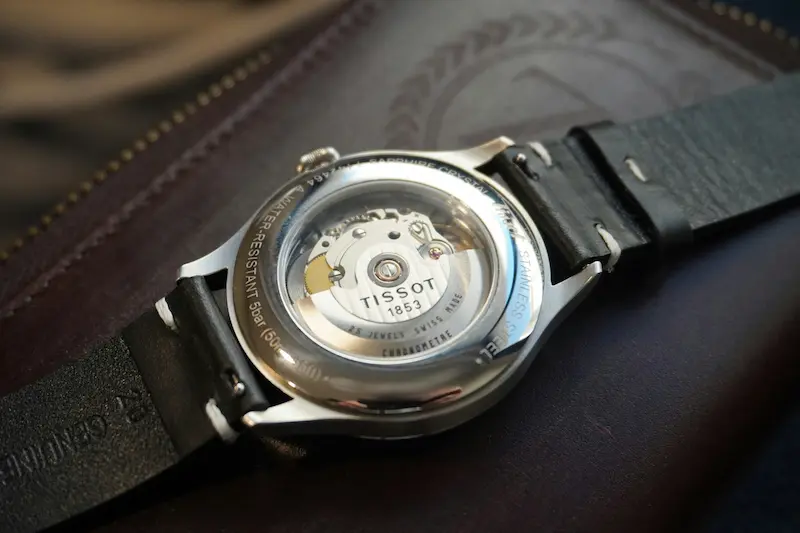
Storage Method Comparison
| Method | Best For | Cost | Protection |
|---|---|---|---|
| Watch Roll | Travel + daily rotation | $20–$80 | ⭐⭐⭐⭐ |
| Watch Pillows | Home drawer display | $5–$20 | ⭐⭐⭐ |
| Jewellery Tray | Budget home storage | $10–$40 | ⭐⭐⭐ |
| Soft Pouches | Temporary use | $0–$10 | ⭐⭐ |
| DIY Stand | Display + access | $5–$30 | ⭐⭐⭐ |
| Watch Winder | Automatic watches | $60–$400+ | ⭐⭐⭐⭐⭐ |
| Lined Box | Emergency storage | $0–$10 | ⭐⭐ |
Six Rules for Storing Watches Safely at Home
Regardless of which method you choose, these principles apply across every storage situation:
Keep watches away from magnets. Speakers, laptop bases, phone cases with magnetic closures, and wireless chargers can all magnetise a mechanical movement. Store watches at least 10 to 12 inches from these items.
Control humidity. The target range is 40 to 60 percent relative humidity. Below this, rubber seals and leather straps dry out and crack. Above it, moisture infiltrates the case. A small silica gel packet in your storage area manages this effectively.
Avoid direct sunlight. UV exposure fades dials and degrades leather and rubber straps. A dark drawer or shaded shelf is always preferable.
Store crown-side up when possible. This is particularly important for dress watches with slender crowns, where prolonged pressure on the winding mechanism causes premature wear.
Clean before storing. Skin oils, perspiration, and dust degrade leather straps and rubber gaskets over time. A quick wipe with a dry microfiber cloth before storage takes seconds and makes a meaningful difference.
Never stack watches directly. This applies to pouches, trays, and boxes. The clasp or crown of one watch will scratch the crystal or case of another without exception.
Common Mistakes That Cause Preventable Damage
Leaving a watch on a bare hard surface. Even a smooth countertop transmits vibration and allows contact with dust and debris. Any soft surface is better than none.
Folding leather straps during storage. A leather strap stored in a sharp fold will crease permanently at that point. Always store leather straps flat or on a pillow.
Storing an automatic wound tight. If a winder is unavailable, allow an automatic watch to wind down before long-term storage. A depleted mainspring causes less wear than a fully tensioned one left static for months.
Using plastic zip bags long-term. Zip bags trap moisture and are not breathable. If used as a short-term emergency solution, include a silica gel packet and limit use to no more than a few days.
Frequently Asked Questions
Is it safe to leave a watch on a nightstand overnight?
Occasionally, yes. As a regular habit, no. Nightstands accumulate dust, and watches left there are vulnerable to being knocked off or scratched by nearby objects. A pouch or pillow takes seconds to use.
How should I store an automatic watch I am not wearing for a month?
Allow the movement to wind down fully, then store it in a clean padded pouch in a cool, dry drawer. For periods longer than six weeks, a watch winder is the more appropriate solution.
Does storing a watch vertically or horizontally matter?
For mechanical watches, horizontal storage — dial up or dial down — reduces stress on the balance wheel pivot over extended periods. For quartz watches, orientation makes no functional difference.
How do I protect a leather strap in storage?
Keep it flat or on a watch pillow. Never fold or compress it. For straps stored for several months, a small amount of leather conditioner applied before storage prevents drying and cracking.
What is the best DIY solution for a collection of ten or more watches?
A shallow shadow box or display case lined with cut foam and velvet provides excellent protection for larger collections. It offers visibility, easy access, and full separation of each piece at a fraction of the cost of a purpose-built watch cabinet.
The Bottom Line
The absence of a watch box is not an emergency. From a quality watch roll to a velvet-lined drawer, there are several practical ways to store watches without a watch box — and the right solution depends on how many watches you own, how often you wear them, and what you have available.
The principle is consistent across every method: each watch should be cushioned, separated from other objects, protected from humidity, and kept away from anything magnetic or abrasive.
Start with what you have today. A soft pouch is meaningfully better than a bare nightstand. Your timepieces — and their long-term value — are worth the small additional effort.