Why Dive Watch Bezels Lose Their Firm Click Over Time
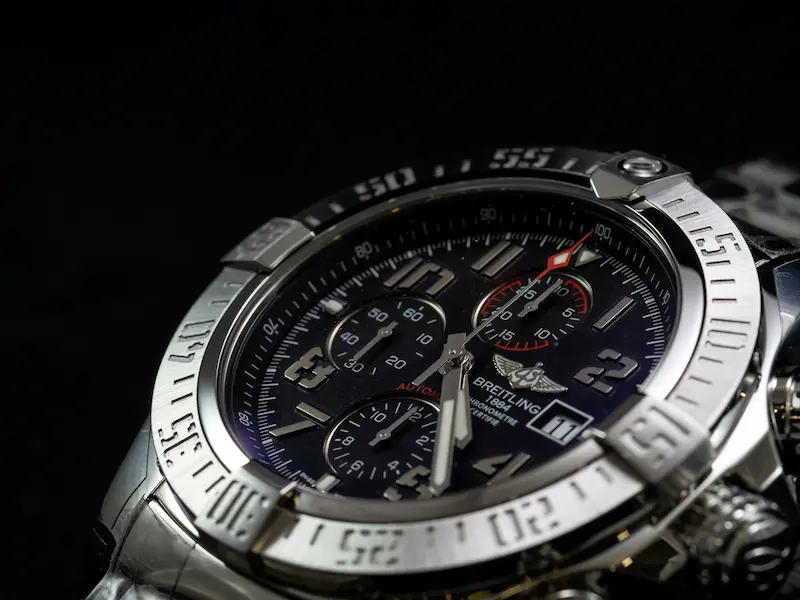
A friend's twenty-year-old dive watch used to click with real precision, every notch distinct and satisfying under a thumb. A few years later, it had gone mushy, wobbling slightly between positions and clicking with noticeably less confidence than it once did. He assumed something was broken. Mostly, it was just worn, in a very specific and explainable way.
Table of Contents
What the Click Mechanism Actually Is
A unidirectional dive bezel, the kind that only turns counterclockwise for safety reasons during dive timing, relies on a small spring-loaded ball or detent that sits underneath the bezel ring, engaging with a series of notches or teeth cut into the bezel's underside.
As you rotate the bezel, that spring-loaded component pops in and out of each notch, creating both the tactile click and the resistance that holds the bezel firmly in place between adjustments.
This is a genuinely simple mechanism by watchmaking standards, but simple doesn't mean immune to wear, particularly since it's one of the few parts of a watch that experiences direct, repeated friction from normal handling rather than being sealed away and protected like most of the movement.
Why the Detent Spring Weakens With Use
Every rotation of the bezel compresses and releases that small spring as the detent rides over each notch, and springs generally lose some tension over enough repeated compression cycles, particularly cheaper or lower-quality springs that weren't engineered with the same longevity in mind as the rest of a well-built movement.
Over years of regular use, thousands of individual clicks add up, and a gradually weakening spring produces exactly the symptom my friend noticed: less resistance, a mushier feel, and eventually a bezel that can be nudged out of position more easily than it should.
This wear happens at different rates depending on build quality. A dive watch designed for genuinely rigorous use, the kind actual working divers rely on, typically uses a more robust spring and detent system specifically because reliability under heavy, repeated use is a core design requirement rather than an afterthought, whereas less expensive dive-styled watches sometimes use lighter-duty components that wear more quickly under the same usage pattern.
The Notches Themselves Wear Too
It's not only the spring. The physical notches or teeth the detent engages with also experience gradual wear from that same repeated friction, and as their edges soften and round off slightly over years of use, the click each position produces becomes less sharp and less precise, contributing to that vaguer, less satisfying feel even independent of any spring weakening happening simultaneously.
This dual wear pattern, spring and notches both degrading gradually together, is part of why the change tends to feel gradual rather than sudden.
There's rarely one specific moment where a bezel goes from perfect to mushy; it's a slow drift that becomes noticeable only when you compare current feel against memory of how it used to feel, which isn't always a reliable comparison to begin with.
Why Sand, Salt, and Debris Make This Worse
Given that dive watches are, unsurprisingly, often used in genuinely sandy, salty, or otherwise gritty environments, foreign particles working their way into the bezel mechanism accelerate wear meaningfully faster than clean, dry use would on its own.
Sand particularly, being abrasive by nature, can act almost like a fine grinding compound between the detent and notches with repeated rotation, wearing down both surfaces faster than normal use alone would cause.
This is part of why dive watches intended for actual serious water use are generally built with tighter tolerances and better sealing around the bezel mechanism specifically, reducing how much debris can actually work its way into that friction point in the first place, though no design fully eliminates this risk for a watch that's genuinely used the way it's marketed to be used.
Is a Loose Bezel a Safety Issue?
For a watch actually being used to time something important underwater, yes, a bezel that's lost enough resistance to shift accidentally during a dive defeats the entire purpose of a timing bezel, since the whole safety value depends on it staying exactly where it was set until deliberately moved again.
This is worth taking seriously rather than dismissing as purely cosmetic wear if the watch is genuinely used for its intended diving function rather than purely as a fashion piece.
For a dive-styled watch that never actually goes near open water in any meaningful capacity, a looser bezel is more of an aesthetic and tactile disappointment than a functional safety problem, though it's still reasonable to want it fixed simply because a satisfying, precise bezel action is part of what many people specifically enjoy about owning this style of watch in the first place.
Can This Actually Be Fixed?
In many cases, yes, though it depends on the specific watch's design and whether replacement parts are still available or reasonably fabricated by a skilled watchmaker.
Replacing the worn detent spring, and sometimes the small ball or pin it uses to engage the notches, can restore much of the original click feel, assuming the notches themselves haven't worn down too severely to properly engage even with fresh spring tension behind them.
For more severely worn cases, where the notches themselves have rounded off significantly, a full bezel or bezel insert replacement might be necessary rather than just servicing the internal spring mechanism, which is a more involved and sometimes more expensive repair depending on parts availability for that specific watch model.
What Actually Slows This Wear Down
Since the wear mechanism is fundamentally about repeated friction and, for water-exposed watches, potential debris contamination, a few habits genuinely help extend how long a bezel maintains its firm click. Rinsing a dive watch with fresh water after exposure to salt water or sandy environments removes abrasive particles before they can work their way deeper into the bezel mechanism during subsequent rotations.
Avoiding unnecessary, excessive bezel spinning purely out of habit or fidgeting, rather than actual functional use, reduces the total number of compression cycles the spring experiences over the watch's lifetime, similar in principle to how unnecessary manual winding stress adds up on a watch's crown over years of use even though any single instance seems trivial on its own.
Why This Doesn't Really Reflect Poorly on the Watch Itself
A bezel losing some crispness over many years and thousands of rotations isn't really a manufacturing defect or a sign of poor quality on its own, it's closer to the natural, expected wear pattern of a mechanism that experiences direct friction from actual use, similar to how a car's manual transmission clutch or a bicycle's gear shifter mechanism gradually loses some of its original crispness after years of genuine use without that necessarily indicating anything was built poorly in the first place.
Understanding this as a normal wear item, rather than assuming something has gone specifically wrong, changes the conversation with a watchmaker from "is my watch broken" to "can this specific wearable component be serviced or refreshed," which is generally a more straightforward and less expensive repair than people initially assume when they first notice their bezel doesn't feel quite like it used to.