Coach Tabby Shoulder Bag 26 Review: 7 Things Owners Wish They Knew First
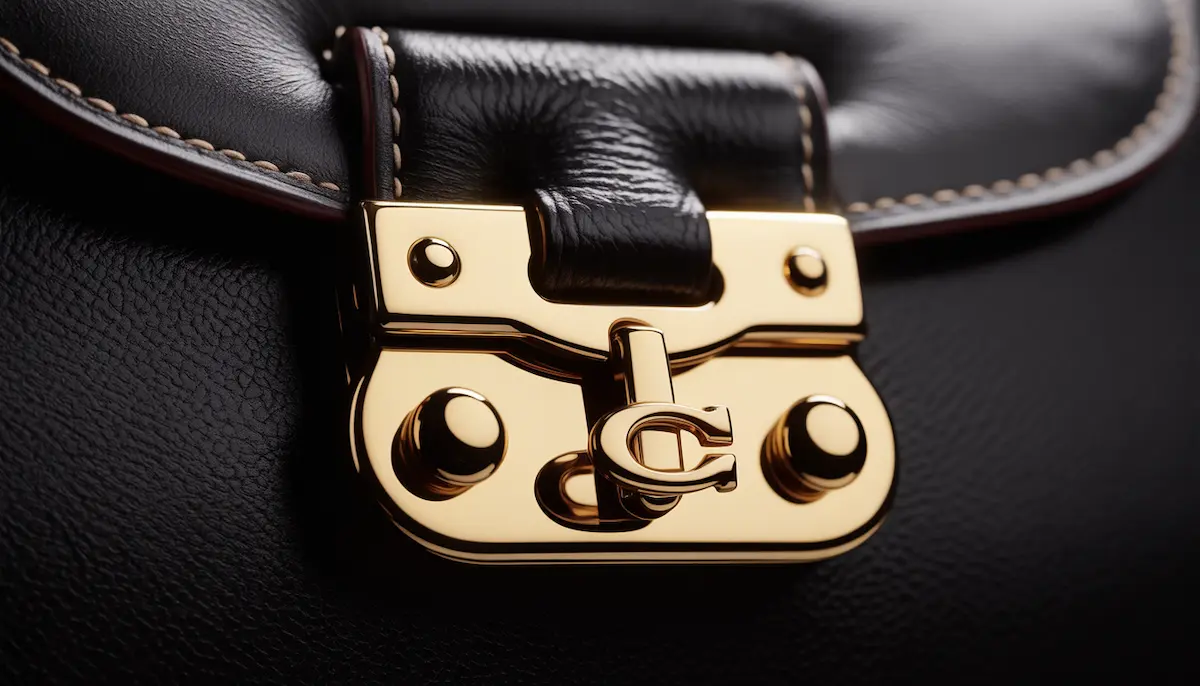
There's a moment that happens with almost every Coach Tabby Shoulder Bag 26 owner about three months in. The honeymoon period ends. The bag has been carried regularly.
The pebbled leather has started to soften at the handle. A faint mark has appeared on the front panel where the C-clasp rests during storage. And the buyer realizes that nobody told them any of this would happen — or how to prevent it.
The Coach Tabby Shoulder Bag 26 is one of the most discussed mid-luxury handbags of the past few years, and for good reason. It hits a specific intersection of price, design heritage, and contemporary appeal that's hard to find elsewhere.
But the product pages and marketplace listings dominating search results tell you almost nothing about what owning one actually feels like over time.
This review is the conversation that should happen before purchase, not after.
Table of Contents
- Why the Coach Tabby 26 Deserves a Real Review
- What the Coach Tabby 26 Actually Is
- The 7 Things Owners Wish They Knew First
- 1. The Pebbled Leather Is More Sensitive Than It Looks
- 2. The C-Clasp Creates Pressure Marks During Storage
- 3. The Strap Drop Affects How You Actually Carry It
- 4. The Hardware Quality Varies by Production Year
- 5. The Leather Lining Stains More Easily Than the Exterior
- 6. The Bag's Structure Depends on Not Overfilling It
- 7. The Resale Market Is Specific About Condition
- Coach Tabby 26 vs Tabby 20: The Honest Comparison
- Pros and Cons (After Real Use)
- How to Maintain the Coach Tabby 26 Properly
- Who Should Buy the Coach Tabby 26
- Where to Buy: Authentic Sources
- Frequently Asked Questions
- Final Thought
Why the Coach Tabby 26 Deserves a Real Review
Most coverage of the Tabby 26 falls into two categories: brand-controlled product pages and reseller listings.
Both are transactional. Neither addresses the questions an informed buyer actually asks before spending several hundred dollars on a bag they intend to carry regularly.
Questions like: How does the leather hold up after a year? Does the hardware tarnish? Is the strap drop comfortable for daily wear? What's the real difference between the Tabby 26 and the Tabby 20? Is the resale value strong enough to justify the price?
These aren't questions Coach is going to answer in a product description. They're not questions a reseller is going to address in a Shopee listing. And they're exactly the questions that determine whether a buyer ends up satisfied with their purchase or quietly disappointed six months later.
I write about leather care for a living. Specifically, fine luxury leather — Hermès, primarily — where the cost of a poor decision runs into five figures. That perspective changes how I evaluate a bag like the Tabby 26: not as an isolated object, but as a material and structural system that will respond to use over years.
Here's what I've observed.
What the Coach Tabby 26 Actually Is
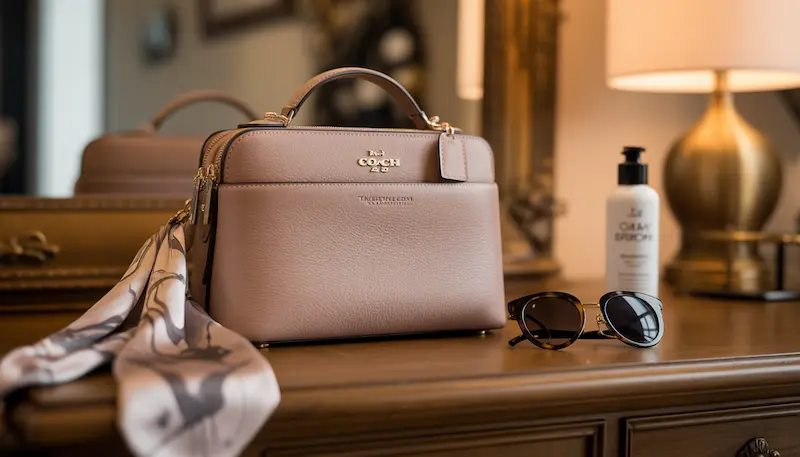
The Tabby Shoulder Bag 26 is part of Coach's revival of its 1970s archive design — a trapezoidal silhouette with a prominent C-shaped turn-lock closure, a curved top handle, and a detachable longer strap for crossbody or shoulder wear.
The "26" refers to the bag's width in centimeters: 26cm long, 15cm tall, 8cm deep. It sits between the smaller Tabby 20 (more compact, often used as an evening bag) and the larger Tabby 32 (more practical for daily essentials at the cost of the original silhouette's elegance).
Materials vary by collection. The most common configurations include:
- Polished pebble leather — the standard, smooth-pebbled finish in solid colors
- Soft calf leather — a slightly more refined finish in select drops
- Signature canvas with leather trim — heritage Coach monogram approach
- Quilted leather — a more recent variation with sewn quilting patterns
- Embroidered or seasonal editions — limited drops with applied details
Hardware is typically gold-plated brass, though some editions feature silver-toned hardware or aged brass finishes that match specific colorways.
The 7 Things Owners Wish They Knew First
1. The Pebbled Leather Is More Sensitive Than It Looks
Polished pebble leather — the most common Tabby 26 finish — looks substantial in photographs. The texture suggests durability. The polish suggests a protective finish. Both impressions are partially misleading.
The pebbling is real, and it does help conceal minor surface marks better than smooth leather would. But the polish is a surface treatment that responds to friction, oils, and light over time. After several months of regular carry, the polish at high-contact areas — handle base, corners, the area beneath the C-clasp — softens and dulls.
This isn't damage, exactly. It's the leather aging in a predictable way. But owners who expect the bag to look exactly as it did at purchase six months later are going to be disappointed.
The lesson here echoes something I've written about extensively in luxury leather care: smooth and polished leathers respond visibly to daily use, and managing expectations from the start prevents the disappointment that comes later.
2. The C-Clasp Creates Pressure Marks During Storage
This is something most owners don't notice until it's too late.
The signature C-shaped turn-lock — the design element that defines the Tabby aesthetic — sits prominently on the front panel. When the bag is stored flat in its dust bag, the clasp rests against the leather beneath it.
Over weeks and months of storage, the pressure creates a faint but visible impression in the leather where the metal contacts the surface.
The fix is simple: position a small piece of acid-free tissue between the clasp and the leather panel before storing. A few seconds of effort prevents an irreversible mark.
Storing the bag upright — with internal support to maintain its shape — also helps. A properly sized bag pillow or a quality structured bag insert like the Vercord purse organizer (Check on Amazon) holds the silhouette during storage and prevents the structural softening that affects the Tabby's defined geometry over time.
3. The Strap Drop Affects How You Actually Carry It
The Tabby 26 includes two carry options: the short top handle (about 18cm drop) and a detachable longer strap (about 50cm drop, adjustable on some editions).
The short handle works for hand carry or crook-of-arm wear, but it's too short for shoulder use on most adults. The long strap works for shoulder or crossbody, but the bag's structure means it doesn't sit as flat against the body as a dedicated crossbody design would.
Buyers who plan to wear the bag primarily on the shoulder should specifically test the long strap configuration before purchase. The drop length might not work for taller frames, and the bag's depth means it sits forward of the body rather than flush.
4. The Hardware Quality Varies by Production Year
Coach hardware has improved meaningfully over the past several years, but quality varies. Earlier Tabby 26 productions (2019–2021) occasionally show hardware that scratches more easily or develops uneven wear patterns at the C-clasp pivot. More recent productions (2023 onward) have shown more consistent quality.
For secondary market buyers, this matters. A Tabby 26 from 2020 in "excellent condition" may show hardware wear that a 2024 production wouldn't have developed under similar use.
Inspecting hardware closely — particularly the clasp mechanism and the strap attachment rings — is worth the time before any used purchase.
5. The Leather Lining Stains More Easily Than the Exterior
Most Tabby 26 editions feature a leather interior — typically a contrasting color to the exterior. This is a premium touch compared to fabric linings, but it comes with a tradeoff: leather linings show ink, makeup, and oil stains more visibly and are harder to clean than fabric.
A pen left uncapped. A lipstick that opened in transit. A leaking hand sanitizer bottle. Each of these creates a stain on the leather lining that won't come out with simple cleaning.
The practical solution is using small interior pouches for anything that could leak or transfer color. A simple set of interior organizer pouches like the Lermende toiletry bag set (View details) keeps liquids and cosmetics contained without adding bulk to the bag's profile.
6. The Bag's Structure Depends on Not Overfilling It
The Tabby 26's defined trapezoidal silhouette is one of its most distinctive features — and one of the easiest to ruin.
The bag is designed for a specific carry capacity: a standard wallet, a phone, keys, sunglasses case, a small cosmetic pouch. That's roughly the limit before the bag starts to bulge, the leather panels begin to stretch, and the silhouette loses its intended geometry.
Owners who consistently overfill the Tabby 26 see structural changes within months. The base softens. The sides bow outward. The defined corners become rounded. None of this is reversible without professional reshaping — and the result is a bag that looks fundamentally different from the one purchased.
This pattern of premature structural wear isn't unique to the Tabby. The same overfilling mistake accelerates wear on far more expensive bags, but on a structured design like the Tabby, the consequences are more visible.
7. The Resale Market Is Specific About Condition
The Coach Tabby 26 has an active resale market, but the price gap between excellent and good condition is significant — often 30–40% or more for the same model and color.
A bag with handle darkening, hardware scratching, or visible wear on the front panel sells for substantially less than a comparable bag in clean condition. Specialty editions (cherry embroidery, signature canvas, limited collaborations) hold value better than standard configurations.
For buyers thinking long-term, the lesson is straightforward: the care you provide during ownership directly determines the price you can recover. A poorly maintained Tabby 26 sells at a meaningful loss.
A well-maintained one recovers a respectable percentage of original cost.
Coach Tabby 26 vs Tabby 20: The Honest Comparison
The most common decision Tabby buyers face is between the 26 and the 20. Both are popular. Both share the same design language. They serve different purposes.
| Category | Tabby 20 | Tabby 26 |
|---|---|---|
| Dimensions | 20cm wide | 26cm wide |
| Capacity | Phone + small wallet + lipstick | Full wallet + phone + small essentials |
| Best use | Evening, light errands | Daily carry, work-light |
| Strap configurations | Top handle + crossbody | Top handle + shoulder/crossbody |
| Resale value | Strong, often premium | Strong, more available |
| Practical limit | Very compact | Compact but functional |
The Tabby 20 is a statement piece — beautiful, but limited in what it actually carries. The Tabby 26 is a daily-capable bag that maintains the Tabby's aesthetic while offering meaningful capacity.
For most buyers asking "which size?", the answer comes down to this: if the bag will be carried regularly and needs to function, the 26. If it will be worn occasionally for specific occasions, the 20.
Pros and Cons (After Real Use)
What Works
- Distinctive silhouette — the trapezoidal shape and C-clasp are immediately recognizable without being loud
- Quality construction — stitching is consistent, hardware feels substantial, leather is genuinely good for the price tier
- Versatile carry options — top handle plus removable strap covers most situations
- Strong resale market — pieces in good condition retain value better than most contemporary mid-luxury bags
- Heritage backing — the design draws from Coach's archive, giving it timeless appeal
What to Watch For
- Polished leather softens at high-contact areas within months of regular use
- C-clasp creates pressure marks during storage if precautions aren't taken
- Leather lining stains more easily than fabric alternatives
- Structure deteriorates with overfilling — capacity must be respected
- Hardware quality varies by production year, affecting secondary market evaluation
How to Maintain the Coach Tabby 26 Properly
The same principles that govern care for far more expensive bags apply here, scaled appropriately. The Tabby 26 doesn't require the same level of intervention as a Hermès bag — but consistent attention extends its useful life and preserves its appearance significantly.
Daily Habits
- Wipe the bag down with a soft, dry microfiber cloth after each use to remove dust and surface oils
- Empty the bag regularly rather than letting items accumulate at the base
- Avoid setting the bag on rough or damp surfaces
Weekly
- Check the interior for any spills, leaks, or stains and address immediately
- Inspect the hardware for any signs of looseness or unusual wear
Monthly
- Apply a small amount of leather conditioner to the exterior, focusing on high-contact areas (handle base, corners)
- Check the stitching for any signs of stress or fatigue, particularly at handle attachment points
Storage
- Always use the dust bag with a loose closure (not sealed tight)
- Place acid-free tissue between the C-clasp and the leather panel
- Fill the interior with tissue or a structured insert to maintain shape
- Store upright in a climate-controlled space, away from direct light
For deeper context on how leather responds to the small daily decisions that compound over time, understanding the patterns of premature wear translates directly to bags at this price point — the materials may differ, but the principles don't.
Who Should Buy the Coach Tabby 26
The Tabby 26 is the right choice for buyers who:
- Want a recognizable design with genuine heritage backing without entering luxury price tiers
- Appreciate structured silhouettes and don't need maximum capacity
- Are willing to invest minimal but consistent effort in care to preserve appearance
- Value resale potential as part of the purchase consideration
- Prefer mid-luxury quality over fast-fashion alternatives
It's the wrong choice for buyers who:
- Need maximum carry capacity for daily essentials
- Prefer slouchy, unstructured bag styles
- Won't follow basic storage and care practices
- Expect the leather to look identical to the purchase day appearance after extended use
Where to Buy: Authentic Sources
For the Coach Tabby 26 specifically, authenticity is generally less of a concern than with higher-tier luxury bags, but it's not absent. Counterfeit Tabbys exist and have improved in quality over the past two years.
Reliable sources:
- Coach official boutiques and coach.com — most expensive but guaranteed authentic
- Authorized department stores (Saks, Nordstrom, Bloomingdale's in the US; equivalent retailers regionally)
- Vetted resale platforms — Fashionphile, The RealReal, Vestiaire Collective with their authentication processes
- Authorized regional retailers like Voila for Indonesian buyers
Sources requiring extra caution:
- Marketplace listings (Shopee, eBay) without strong seller reputation and authentication guarantees
- Social media sellers without verifiable provenance
- Pricing significantly below market without clear reason
Frequently Asked Questions
Is the Coach Tabby Shoulder Bag 26 worth the price?
For buyers who value the design and intend to use the bag regularly, yes. The construction quality, heritage design, and resale value justify the price tier. Buyers who only want a logo or who won't maintain the bag will find better value elsewhere. The Tabby 26 rewards owners who appreciate what it is and care for it accordingly.
How does the Coach Tabby 26 hold up over time?
With reasonable care, the Tabby 26 maintains its appearance well for several years of regular use. The polished pebble leather softens at high-contact areas within months — this is normal and not damage. The hardware holds up well with reasonable handling. The structure depends on not overfilling and on appropriate storage. Bags that are neglected show visible wear within a year; bags that are cared for can look excellent after three or more years.
Can I wear the Coach Tabby 26 as a crossbody bag?
Yes. The included longer strap allows crossbody wear, and the bag's compact dimensions work well in this configuration for most adults. The bag's depth (8cm) means it sits forward of the body rather than completely flush, but this is consistent with similar structured designs. Buyers planning primary crossbody use should test the strap drop length before purchase.
What's the difference between the Coach Tabby 20 and 26?
The numbers refer to width in centimeters. The Tabby 20 is more compact — suitable for evenings or light errands but limited for daily essentials. The Tabby 26 is the more versatile size, capable of carrying a full wallet, phone, and small accessories while maintaining the design's signature silhouette. For most daily-use buyers, the 26 is the more practical choice.
Does the Coach Tabby 26 hold its resale value?
Yes, relative to other contemporary mid-luxury bags. Standard configurations recover a respectable percentage of original cost when sold in excellent condition. Specialty editions — cherry embroidery, signature canvas, limited collaborations — often hold value better and occasionally appreciate. Condition is the primary driver of resale price; bags with handle wear, hardware damage, or structural softening sell at significant discounts.
Final Thought
The Coach Tabby Shoulder Bag 26 is a genuinely good bag at its price point — well-designed, well-made, and rewarding to own when handled with appropriate care. It's not flawless. The polished leather softens. The clasp creates pressure marks. The structure requires respect.
But none of these are deal-breakers. They're characteristics — the kind of details that distinguish a bag built with real materials and real construction from one built to a price point alone.
The owners who get the most from the Tabby 26 are the ones who approach it with the same mindset that applies to any quality bag: small details, consistently maintained, preserve value over time. Wipe it down. Store it properly. Respect its capacity. Address minor issues before they become major ones.
Precision over excess. Consistency over intensity. The bag will reward you accordingly.