The Hidden Reason Designer Handbag Hardware Turns Green
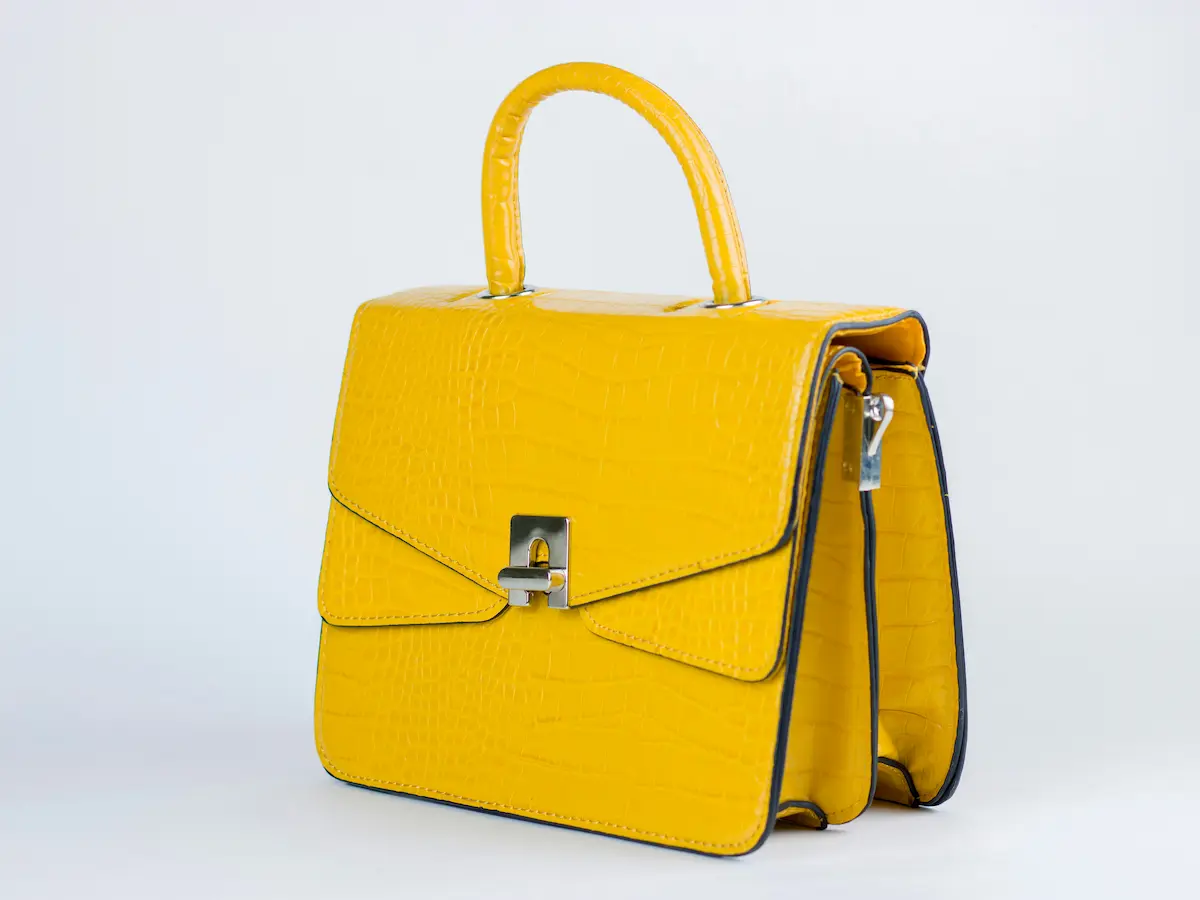
Someone in a resale group I follow posted a photo of her Louis Vuitton, mortified — greenish crust had formed around every stud and buckle after less than two years of regular use. The replies were a mix of sympathy and bad advice, including someone suggesting vinegar, which is close to the worst thing you could put on plated brass.
The green isn't dirt, and it isn't a manufacturing flaw either. It's a specific chemical reaction, and understanding it changes how you actually prevent it, rather than just scrubbing it off after the fact.
It's Called Verdigris, and It's Not What Most People Assume
Table of Contents
That green or blue-green film is verdigris — the same reaction responsible for the Statue of Liberty's color. It forms when copper, or a copper-containing alloy like brass, reacts with oxygen, moisture, and mild acids in the environment.
Most designer hardware — regardless of brand — isn't solid gold or silver underneath its finish. It's brass or a zinc alloy with a thin plating layer of gold-tone, silver-tone, or palladium finish over it.
Once that plating layer wears down, even slightly, the base metal underneath is exposed to the same chemistry that turns old pennies green. This is why verdigris tends to show up first at contact points — the corners of a turn-lock, the links of a chain strap, anywhere the plating experiences the most friction and therefore wears thinnest first.
What's Actually Speeding Up the Reaction
The brass itself doesn't need much to start reacting — just moisture and air will eventually do it, given enough time. But a handful of everyday habits dramatically speed the process up, and most people don't connect them to hardware damage at all.
Perfume and hairspray are two of the biggest culprits. Both often contain alcohol and other compounds that, combined with skin oils and humidity, create a mildly acidic residue on contact. Spraying perfume and then immediately slinging a chain-strap bag over your shoulder means that residue transfers directly onto the hardware, right where it sits against your skin or clothing for hours.
Hand lotion and sunscreen work similarly — anything with oils, chemicals, or fragrance compounds that touches the hardware repeatedly creates a thin film that reacts with the metal over time. It's rarely one dramatic exposure; it's the accumulation of small, repeated contact that eventually breaks down the plating.
Humidity plays a bigger role than most owners realize. In consistently humid climates, or in coastal areas where salt is present in the air, the chemical reaction happens noticeably faster — sometimes within months rather than years.
This mirrors something worth understanding about metal parts on other everyday objects too: the same humidity that slowly degrades a watch's water-resistant gaskets over time is doing comparable damage to unprotected hardware surfaces on a handbag sitting in a humid closet.

Not All Hardware Is Equally Vulnerable
Plating thickness and base material vary significantly by brand and by era, and this genuinely affects how fast verdigris shows up.
Vintage pieces from some houses used thicker, higher-karat gold plating that tends to age more gracefully — sometimes developing what collectors consider an attractive warm patina rather than an unsightly green film. Newer production, across many brands, often uses thinner plating over the same base metals, which means the underlying brass gets exposed to air and moisture sooner in the piece's life.
Palladium-finished hardware, used by some luxury houses on certain lines, tends to resist this specific reaction better than gold or silver-tone brass, simply because the finish itself isn't as chemically reactive in the same way.
This doesn't mean palladium hardware never tarnishes at all, just that the specific green verdigris reaction is less common on it compared to gold-tone brass pieces.
Why "Just Clean It Off" Isn't the Whole Answer
Wiping away visible verdigris addresses the symptom, not the underlying vulnerability — the plating is still thin or compromised in that spot, which means the reaction is likely to return unless something changes about ongoing exposure.
This is also why household remedies like vinegar or harsh jewelry cleaners often make things worse rather than better. Vinegar is acidic, which is exactly the kind of chemistry that causes the original reaction in the first place — using it on already-compromised plating can strip away more of the remaining finish, exposing even more raw base metal and effectively accelerating the very process you're trying to fix.
Gentler approaches — a soft, dry microfiber cloth for light tarnish, or a barely damp cloth followed immediately by thorough drying for slightly more stubborn spots — address the surface issue without adding more acidic exposure to already-vulnerable metal.
Prevention Matters More Than Cure Here
Since the plating itself is finite and can't be un-worn, the more effective strategy is reducing ongoing chemical exposure rather than repeatedly cleaning up after the fact.
Applying perfume, lotion, and sunscreen before getting dressed, and letting them fully absorb before hardware makes contact with skin or clothing, meaningfully reduces the residue transfer that drives the reaction.
This is a small habit change, but it's the single biggest lever most owners have, since it's the repeated small exposures — not one dramatic event — that typically causes visible tarnish over a year or two of regular wear.
Wiping hardware with a dry cloth after each use, especially chain straps and clasps that sit directly against skin, removes accumulated oils and residue before they've had time to fully react with the metal. It takes seconds and prevents far more than a monthly deep-clean session would.
Storage conditions matter too, in the same way they matter for other collectible items with metal components — a stable, dry environment slows the ongoing oxidation process even when the bag isn't being worn.
A bag stored in a humid closet, or anywhere temperature and moisture fluctuate significantly, will show hardware wear faster than one stored in a consistently dry, climate-stable space, echoing the same storage principles that apply to preserving fragrance or protecting a watch's internal components from humidity-driven damage.
No matter how durable the material is, implementing a regular maintenance routine is the only way to keep your prized possessions in mint condition. Learn more in our Comprehensive Care Guide
When It's Actually Time for Professional Restoration
Light surface tarnish that responds to gentle cleaning is a normal, expected part of ownership, especially on frequently used pieces. Deeper, more established verdigris — the kind with a crusty or powdery texture, or green residue that's transferred onto the surrounding leather — usually needs professional attention rather than a DIY fix, both because the leather itself can be damaged by aggressive home cleaning attempts and because restoring compromised plating properly requires equipment most people don't have at home.
Replanting is a legitimate, common service for pieces where the original finish has worn through significantly. It's not a sign of a "ruined" bag — for well-loved, frequently used pieces, it's a fairly normal part of long-term ownership, similar to how a mechanical watch eventually needs its own kind of professional service regardless of how carefully it's used day to day.

FAQ
Is green hardware a sign of a fake bag?
Not on its own. Verdigris happens on authentic designer hardware just as readily as on lower-quality pieces, since most authentic luxury hardware is also plated brass rather than solid precious metal.
Can I prevent verdigris entirely?
Not completely, since even careful owners will see some plating wear eventually. But minimizing perfume, lotion, and sunscreen contact, plus regular dry-cloth wiping, significantly slows the process.
Does vinegar or lemon juice remove hardware tarnish safely?
No. Both are acidic and can strip more of the remaining plating, potentially making the underlying exposure worse rather than better.
Why does tarnish show up on some parts of the hardware and not others?
High-contact points — chain links, turn-locks, clasp edges — experience the most friction and therefore the thinnest remaining plating, making them the first spots where the base metal becomes exposed to air and moisture.
Should I get hardware replanted as soon as I see tarnish?
Not necessarily. Light tarnish that responds to gentle cleaning doesn't require replanting. It's usually only worth considering once the plating has visibly worn through in a way that regular cleaning can't address.
Preventing damage is always much cheaper and easier than trying to restore a ruined luxury item later on. Find the complete preventive steps in our Damage Prevention Blueprint
None of this makes designer hardware fragile or poorly made — it's just base metal doing what base metal does when exposed to air, moisture, and the everyday products we don't think twice about. Understanding the actual chemistry involved turns "why does this keep happening" into a fairly simple set of habits that meaningfully slow it down.