Why Gold Watch Cases Age and Wear So Differently From Steel
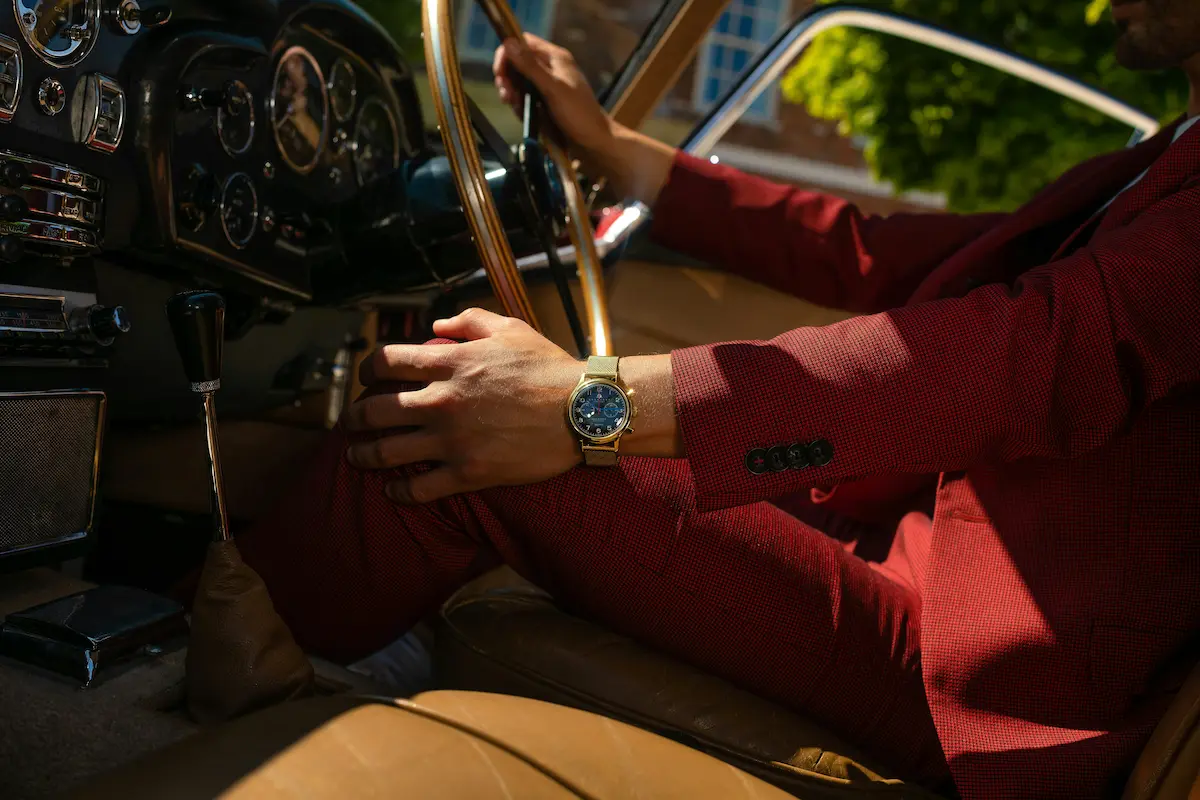
A jeweler once let me compare two nearly identical vintage watches side by side, one in solid 18k gold, one in stainless steel, both from the same era and roughly similar wear history according to their owners. The steel case still had crisp, defined edges along the lugs. The gold case had visibly softened, its once-sharp lines now noticeably rounded, almost sanded-looking, despite supposedly comparable decades of use.
Neither watch was damaged or poorly cared for. They were just made from fundamentally different metals that respond to ordinary wear in genuinely different ways.
Table of Contents
- Why Softness Isn't Just a Marketing Footnote
- What This Actually Looks Like Over Decades
- This Isn't Necessarily a Downside
- Why This Changes How Polishing Decisions Should Actually Be Made
- How This Affects Case-Back Fit and Water Resistance
- Why Two-Tone Watches Present Their Own Particular Challenge
- What This Means for Care Decisions Day to Day
Why Softness Isn't Just a Marketing Footnote
Gold, especially at higher purity levels, is a genuinely soft metal by engineering standards, which is exactly why watch cases are rarely made from pure 24k gold and instead use alloys like 18k or 14k, mixing in other metals like copper, silver, or palladium specifically to increase hardness and durability for everyday wear.
Even alloyed, gold remains considerably softer than stainless steel on standard hardness scales, and that difference isn't a minor technicality. It directly determines how each metal responds to the countless small, mostly invisible impacts and abrasions that happen over years of normal daily wear, brushing against a desk edge, sliding in and out of a pocket, incidental contact with countless surfaces that never register as a specific memorable event.
What This Actually Looks Like Over Decades
Steel cases tend to accumulate fine surface scratches that remain relatively shallow and don't meaningfully alter the case's overall shape or edge definition, even after extensive wear. The metal is hard enough that most everyday contact simply doesn't deform its structure in any noticeable way, which is part of why a well-cared-for steel watch can look remarkably close to its original form even after decades of genuine daily use.
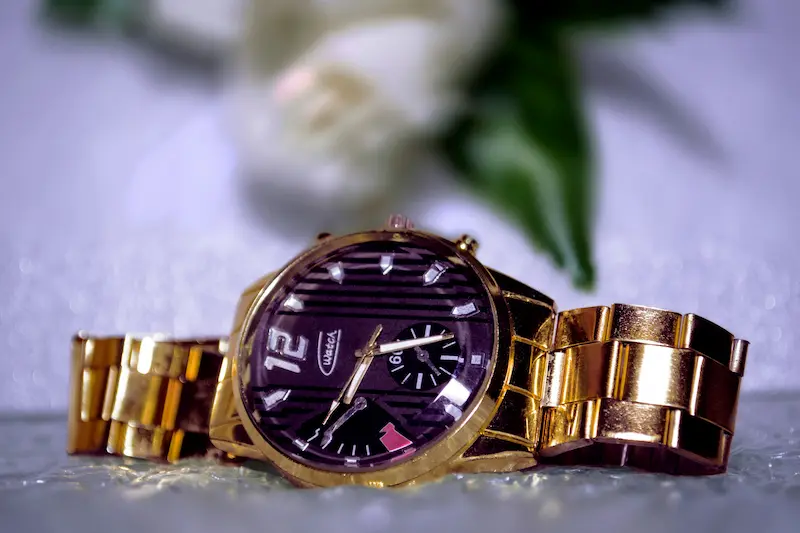
Gold responds differently to that same everyday contact. Rather than accumulating fine, shallow scratches that stay put, gold's relative softness means repeated minor impacts gradually smooth and round off edges that were originally sharp and crisp, essentially a slow, cumulative form of physical deformation rather than surface-level scratching alone.
This is why lug edges, corners, and other high-contact points on vintage gold watches often show that distinctive softened, almost melted-looking quality that experienced collectors learn to recognize as a sign of genuine age and wear rather than damage.
This Isn't Necessarily a Downside
Whether this softening reads as a flaw or a feature depends entirely on what you value. Some collectors specifically seek out gold pieces precisely because that gradual softening creates a warm, aged character that a case can only develop through genuine decades of wear, in much the same way full-grain leather's patina is valued precisely because it can't be artificially replicated or rushed.
Other owners, particularly those who prioritize crisp, sharp case geometry as part of a watch's design intent, find this same softening genuinely undesirable, which is a legitimate preference too. Neither view is wrong; they're just prioritizing different things about what makes an aged watch appealing or not.
Why This Changes How Polishing Decisions Should Actually Be Made
This distinction matters enormously when it comes to whether and how often to have a case professionally polished. Polishing removes a thin layer of metal to restore a smooth, scratch-free surface, and while this is a relatively low-consequence maintenance choice on a hard steel case, given how comparatively little material actually needs removing to address typical wear, it's a considerably more consequential decision on gold.
Because gold cases wear down through actual material loss and deformation rather than just surface scratching, repeated polishing over a watch's lifetime removes real material each time, gradually and cumulatively thinning the case in ways that can eventually affect structural integrity, water resistance seal fit, or the crispness of design details the manufacturer originally intended, none of which is easily reversed once enough material has actually been removed.
This is part of why experienced watchmakers and vintage dealers often advise more conservative polishing approaches for gold cases specifically, sometimes recommending against polishing at all for genuinely vintage pieces where preserving original material and existing patina matters more than achieving a factory-fresh appearance that the case may not actually be able to safely sustain given how much material prior polishing sessions may have already removed over the decades.
How This Affects Case-Back Fit and Water Resistance
A detail that surprises people: repeated case wear and polishing on gold pieces can, over enough decades, actually affect how precisely a case-back seats against the main case body, since the fit between these components depends on precise machined tolerances that gradual material loss can subtly alter over time.
This connects directly to water resistance concerns discussed elsewhere, since a case-back that no longer seats with its original precision can compromise sealing effectiveness independent of gasket condition alone.
This is generally more of a concern for genuinely old, heavily worn, or repeatedly polished gold pieces than for anything reasonably modern or lightly used, but it's a real enough consideration that watchmakers servicing older gold watches sometimes specifically check case-back fit as part of a broader water resistance evaluation, rather than assuming gasket replacement alone fully addresses the question.
Many collectors make simple, avoidable mistakes when handling their collections, which can cause permanent damage. Avoid these costly errors by reading our Luxury Maintenance Mistakes to Avoid
Why Two-Tone Watches Present Their Own Particular Challenge
Watches combining gold and steel in the same case, common in certain eras and styles, present a specific complication precisely because the two metals wear at genuinely different rates under identical use conditions.
Over enough years, the steel portions may remain relatively crisp while the gold portions have softened more noticeably, creating a visually uneven aging pattern that wasn't present when the watch was new and both materials looked comparably fresh.
This uneven wear pattern isn't a flaw in the original design so much as an inevitable consequence of combining materials with genuinely different hardness properties in the same object and expecting them to age identically under the same conditions, which isn't really how material science works regardless of how carefully the watch is made or maintained.
What This Means for Care Decisions Day to Day
None of this means gold watches require dramatically different daily handling than steel ones.
Both benefit from basic common sense, avoiding unnecessary impacts, storing properly when not worn. The real difference shows up in longer-term maintenance decisions rather than everyday habits: being more conservative about how often a gold case gets polished, understanding that visible softening on an older gold piece reflects genuine material wear rather than something a jeweler somehow failed to prevent, and recognizing that a gold case's aged character, whether you personally find it charming or simply worn, is a real physical consequence of the metal's inherent properties rather than a sign of poor manufacturing or inadequate care along the way.
I've come to actually appreciate the softened edges on older gold pieces I own, treating them as evidence of the watch actually being worn and lived with rather than something to correct through aggressive polishing at the next service.
Not everyone will feel the same way, and that's a genuinely reasonable difference in taste rather than one perspective being objectively more correct than the other.